Malta sits in the path of three Mediterranean wind systems, which makes it a genuinely good base for windsurfing and kitesurfing if you time it right. The catch is that the most reliable wind arrives in the cooler months, while the calm summer season is also when strict swimming-zone rules push kites off the busiest beaches. Knowing which bay to use, which wind to chase, and what gear to bring matters far more here than on a typical Mediterranean trip.
Understanding Malta's Wind Conditions
Most of Malta's usable wind comes from the north and northwest, so the northern coast between Salina and Mellieha is where the action concentrates.
Generic phone-app forecasts tend to underread the local thermal effect, so it is worth checking a dedicated wind forecast for Mellieha Bay before you commit to a session.
Majjistral and Grigal: The Winter Engine
The Majjistral (northwest) is the workhorse wind. From October to April, cold fronts crossing the Mediterranean from NW to SE deliver steady northwest winds that often hold for 2 to 3 days at a time, typically around Force 5 to 6. This is the most dependable wind on the island and the reason serious riders favour winter. The Grigal (northeast) is the classic winter storm wind.
It can push past 30 knots and throws up choppy, disorganised seas on northeast-facing coasts. These systems are powerful and best left to experienced riders who are comfortable with gusty air, deep-water exits, and rough shorebreak.
Summer Sea Breeze: Lighter and Friendlier
From May to September the thermal sea breeze takes over. It builds from late morning, peaks at a forgiving 15 to 20 knots in the early afternoon, and fades at sunset.
The trade-off is that summer wind is reliable in timing but lighter and gustier, which is fine for foiling, freestyle windsurfing, and first lessons, but rarely powered enough for big air. A realistic expectation, echoed by riders on forums, is that Malta wind is not as bankable as a dedicated kite destination. Winter fronts come in clusters, so the smart move is a flexible itinerary that lets you ride when the system arrives rather than booking around a fixed day.
Best Bays for Kitesurfing
Malta's coast is small and rocky, so safe launch space is limited and spot choice really matters.
Mellieha Bay (Ghadira): The Main Spot
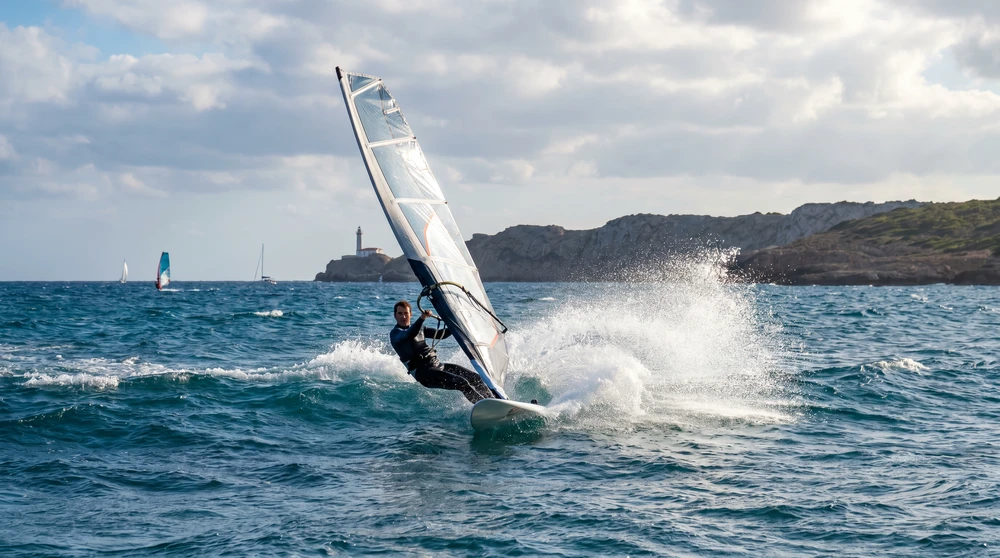
Mellieha Bay, also called Ghadira, is Malta's largest sandy beach and the undisputed centre of the wind-sports scene. The bay faces north, catches the Majjistral cleanly, and offers shallow, flat water that is forgiving for progression.
- Waist-deep water reaches well offshore, so water starts and repeated falls stay safe.
- The sandy bottom avoids the reef scrapes and sea-urchin hazards common elsewhere in the Mediterranean.
- In summer the watersports zone is fenced off from heavy swimming traffic, so your usable downwind space shrinks and spatial awareness is essential.
Kite conditions here also work on NE, E, and ESE winds, but watch for bystanders, the coast road, and overhead power lines when launching.
Golden Bay and Other Spots
Golden Bay, on the northwest coast, catches westerly winds head-on and produces rare punchy waves during deep winter storms. The sand launch is wide but the water deepens fast, and kitesurfing is prohibited there in the busy summer months, making it an off-season spot for advanced wave riders.
Quieter coves such as Ghajn Tuffieha see occasional use, and with the right knowledge a few picturesque spots around Gozo are rideable, though none have any support infrastructure.
Best Spots and Schools for Windsurfing
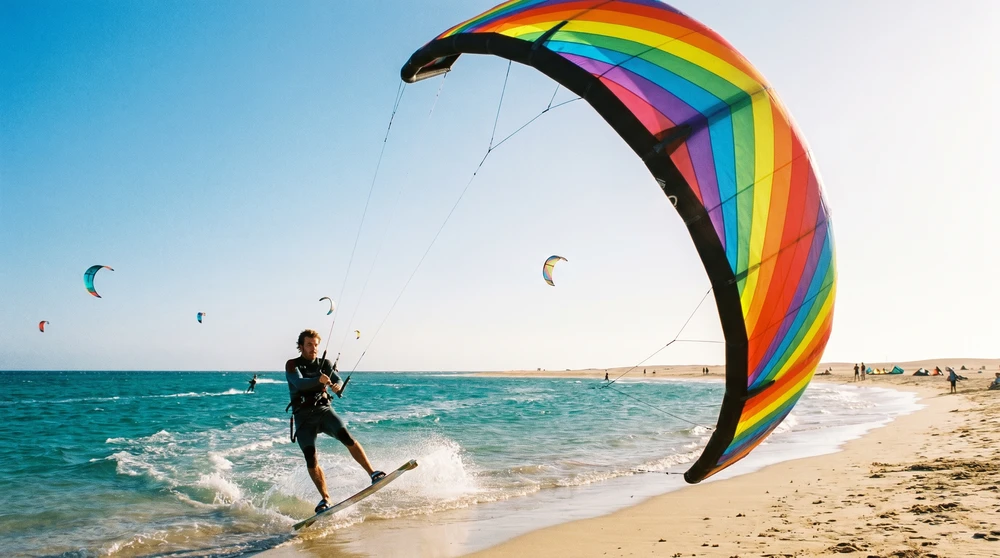
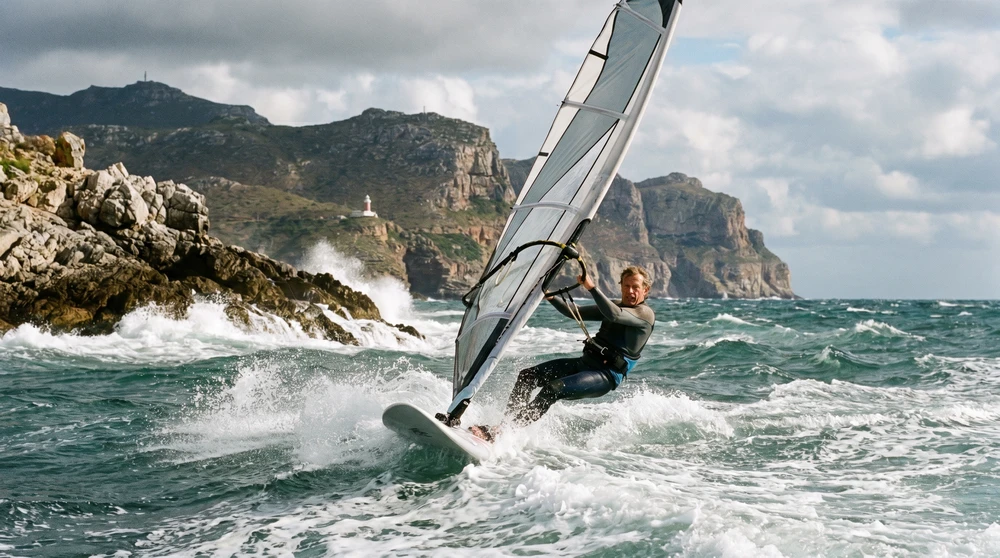
Windsurfing is far more established in Malta than kitesurfing, and that changes how you plan. Mellieha Bay holds the island's main windsurfing infrastructure, with several operators running lessons and rentals along the northern coast between Salina and Mellieha. Unlike kiters, windsurfers do not need to haul their own kit, since stable beginner boards through to advanced slalom gear are available on the beach.
For learners, the sheltered, shallow bay is the safest place to start. For experienced sailors chasing rougher water, Ghallis Point (Ghallis Rock) near St Julian's offers a challenging reef-break alternative in heavy northwesterlies, and St Thomas Bay on the south coast is a quieter option. Neither has rental shacks or rescue cover, so bring your own gear and ride with a partner.
If you are weighing up the wider activity scene, scuba diving and snorkelling in Malta and the best beaches in Malta and Gozo pair well with a wind-sports trip.
Is Kitesurfing Allowed in Malta?
This is the single most important thing to get right before you pack. Kitesurfing is prohibited in the main swimming zones during the summer tourist season, roughly June through September, when beaches are crowded. Practically, that means the prime kite spots close to general riding in midsummer, and even the limited windsurfing courses are usually unavailable in July and August.
There is a second, structural catch: Malta has no kitesurfing schools or rental shops. There is nowhere to hire kit and no formal lessons, so you must bring your own equipment and already know how to ride safely. If you want a guided introduction to kitesurfing, you are better off learning elsewhere and treating Malta as a spot for self-sufficient, intermediate-and-up riders.
What Gear to Bring
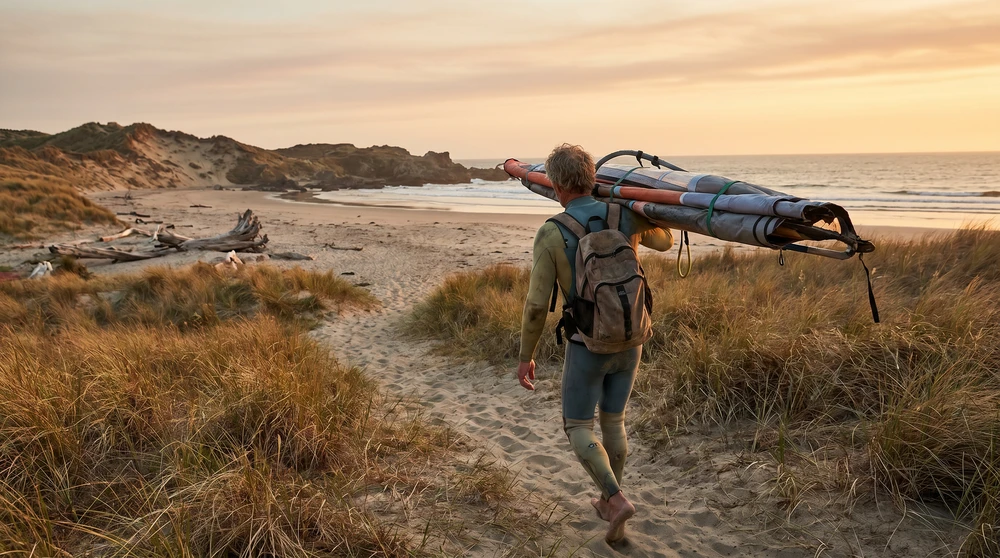
Your quiver dictates your water time here, and the seasons pull in opposite directions.
- Winter (October to April): Pack a 7m to 9m kite for heavy Grigal days and a twin-tip to handle chop. Windsurfers want 5.0 to 6.5 sqm sails.
- Summer (May to September): Leave the small kites at home. You need a 12m to 15m kite or, better still, a foil board to make the lighter sea breeze worthwhile.
Windsurfers size up to 7.5 sqm or larger. Neoprene matters because water temperature swings hard, from around 15°C to 18°C in winter up to a warm 26 degrees C in summer:
- December to April: a 4/3mm or 5/3mm full wetsuit, essential against the Majjistral wind chill.
- May and November: a 3/2mm full suit or long-sleeve spring suit for the transitional shoulder season.
- June to October: boardshorts or a bikini with a high-UV rash guard is all you need.
For help slotting a session into a wider trip, the best time to visit Malta and where to stay in Malta both matter, since basing yourself near Mellieha puts you closest to the wind.