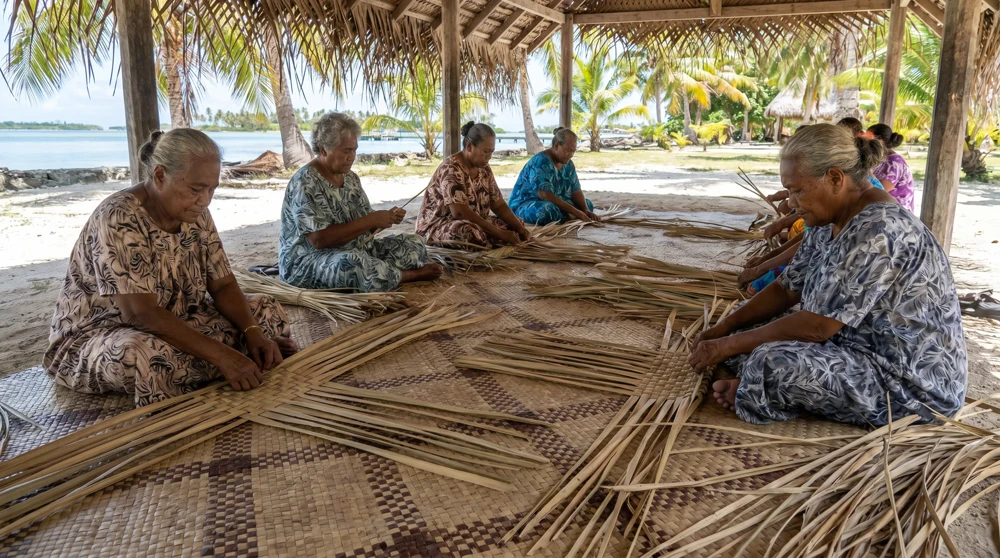
Stepping off the plane in Majuro wearing typical beach attire is the fastest way to unintentionally alienate the local community. Navigating the Marshall Islands requires a deep understanding that conservative church norms, traditional land rights, and an unyielding respect for elders dictate every interaction. Getting these basics right will define your entire experience on the atolls.
Understanding Manit and the Social Hierarchy
Marshallese culture orbits around the concept of Manit (custom), an intricate social system heavily influenced by matrilineal land inheritance and traditional leadership. Land remains the most valuable resource on these coral atolls, and ownership passes directly through the female line.
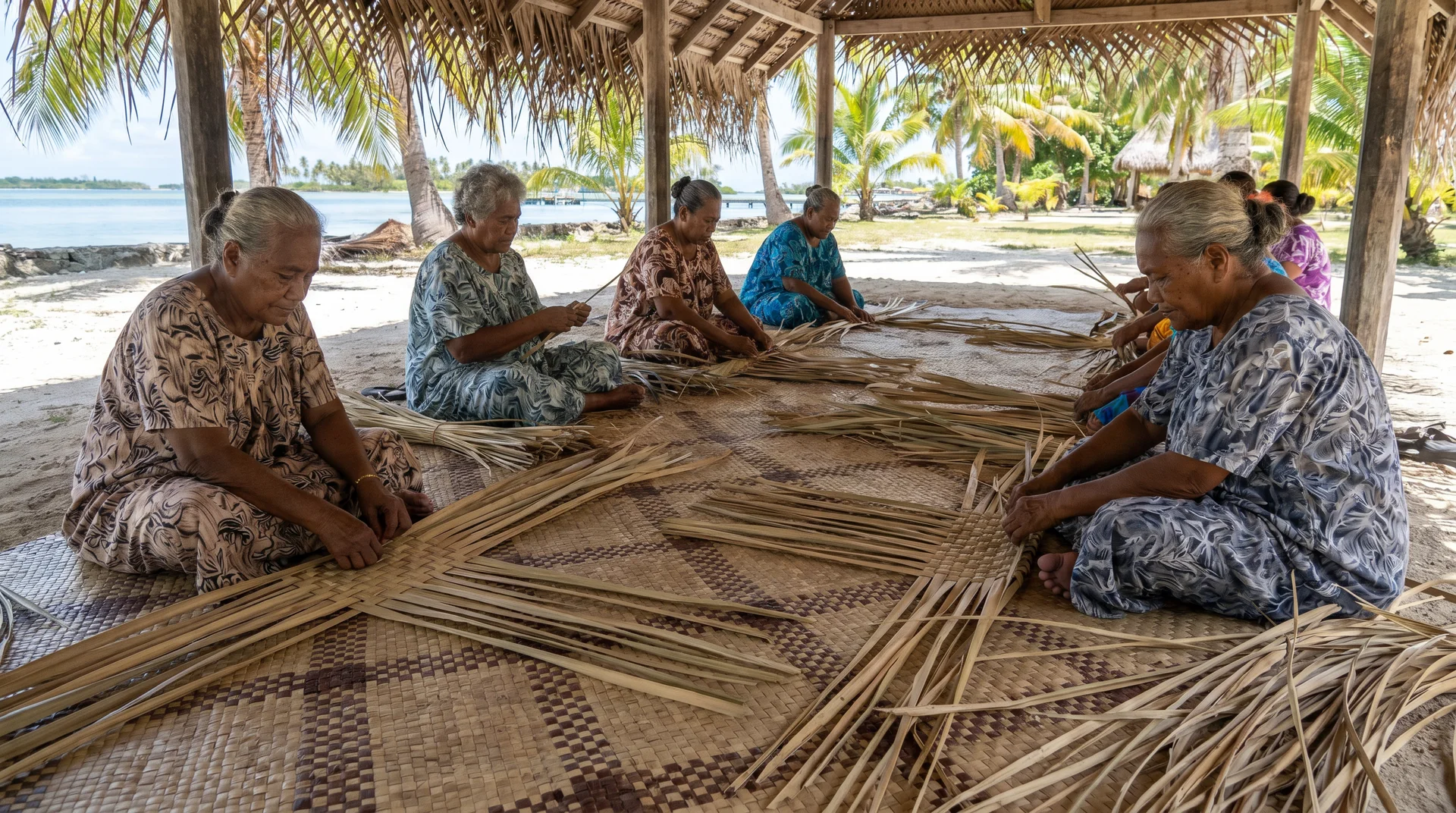
The social ladder is highly structured and respected. Traditional chiefs (Iroij), lineage heads (Alap), and church leaders hold significant authority. Yielding space to these figures, lowering your head slightly when passing them, and avoiding standing above a seated elder are non-negotiable signs of basic respect.
If you are still deciding whether to visit, the getting to the Marshall Islands guide covers flight routes and what to realistically expect on arrival.
Essential Dress Codes for Men and Women
The tropical heat often tricks foreign arrivals into adopting a casual wardrobe, but modesty remains a strict cultural expectation. Swimwear belongs strictly in designated swimming areas - never in villages or on public streets.

Urban Areas and Villages
In Majuro and Ebeye, dress codes are slightly more relaxed, but the baseline expectations persist. Men can wear shorts and t-shirts in informal settings. Women are expected to wear skirts or dresses that cover the knees at all times, and shoulders must also be kept covered. Moving out to the remote outer islands, the rules tighten further. Adhering to these conservative standards instantly signals your respect for the community.
For a broader look at what your trip will involve logistically, see the Marshall Islands travel costs guide.
Church Attire Expectations
Attending a Sunday service serves as a central social event on the islands. The dress code here shifts immediately to semi-formal.
Men: Long trousers and a collared shirt are the minimum requirement. Shorts are entirely unacceptable inside a place of worship.
Women: A long dress or skirt paired with a modest top, often supplemented with a shawl to cover the shoulders. Traditional Pachi attire is also highly regarded.
Social Interactions and Body Language
The word "Iakwe" (pronounced yak-way) will be the most used tool in your daily interactions. It means hello, goodbye, and love simultaneously - use it constantly and with a genuine smile. Greeting everyone present when entering a room sets a positive tone immediately. A broad smile and a gentle handshake work best. An overly firm handshake feels aggressive in this context.
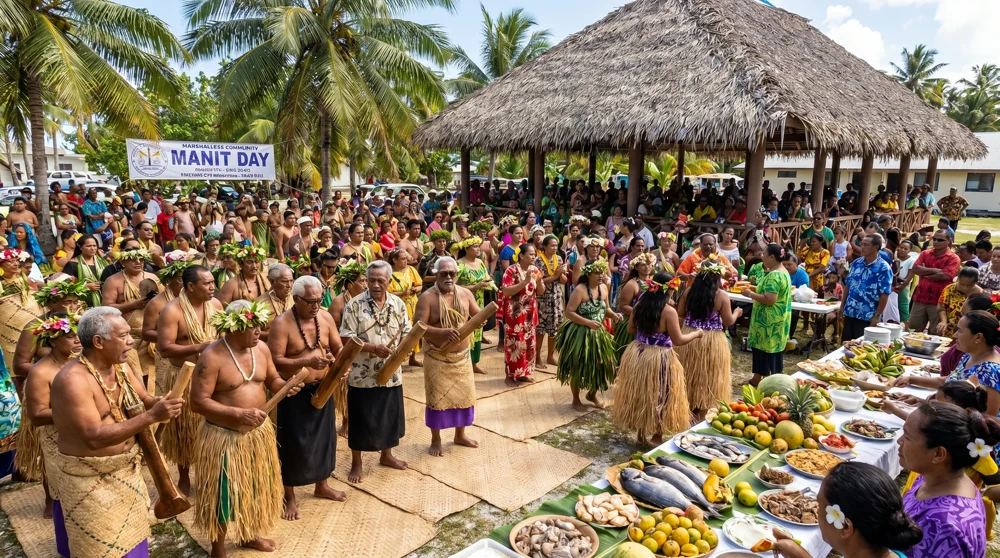
Physical contact and spatial awareness require careful attention. Frowning, turning away abruptly during a conversation, or raising your voice in public causes severe loss of face for everyone involved. Navigating around seated people requires care - stepping over someone lying or sitting on a mat is considered highly offensive. It is always better to walk around or softly ask for permission to pass.
The human head is considered sacred in Marshallese tradition. Never touch anyone's head, including children, regardless of how affectionate the gesture may seem in your own culture.
Dining Customs and Meal Etiquette
Hospitality is deeply tied to Christian ethics and local tradition. You will likely receive regular invitations to share meals, and handling these correctly matters.
The Importance of the Meal Blessing
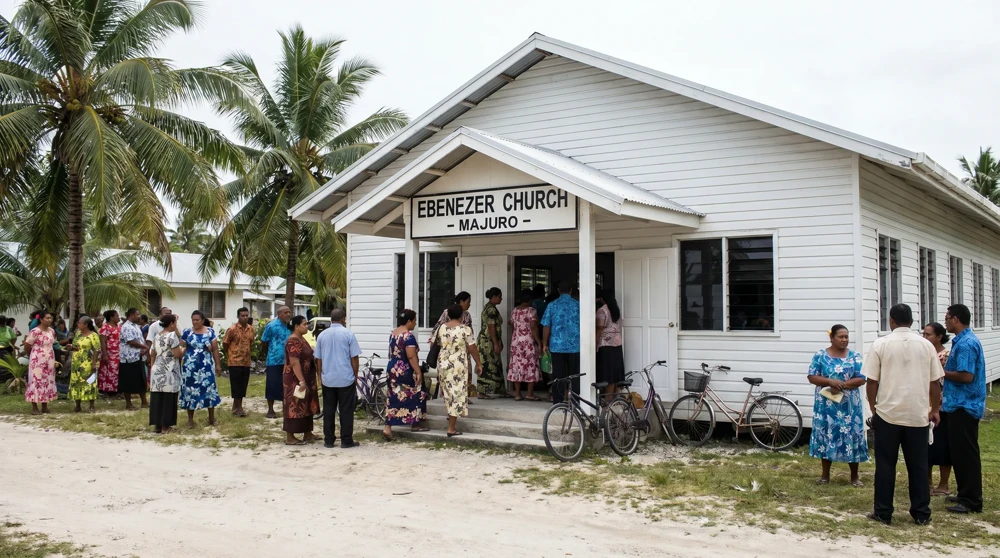
Almost every meal - whether a casual family dinner, a kemem (first birthday celebration), or a formal working lunch - begins with a prayer. Do not touch your food or begin eating until the blessing is complete and the host gives an explicit invitation to start. Showing respect simply requires bowing your head and remaining silent during the prayer, regardless of your personal beliefs.
Leaving food on your plate can be perceived as rejecting the host's hospitality, so accept small portions initially and add more only if genuinely comfortable.
The Village 6 PM Prayer Time
A highly visible marker of daily faith is the evening community prayer. Usually occurring between 6:00 PM and 7:00 PM, a bell or conch shell signals the start of a 10 to 20-minute period of complete village silence. Traffic stops, and families gather indoors. Walking noisily, playing music, or having loud conversations outside during this window is considered a severe disruption. Simply sit down and wait quietly until the ending signal sounds.
Environmental Taboos: Sacred Places and Land Rights
The spiritual bond to the land and ocean runs deep, inherited from pre-Christian beliefs that Christianity has layered over rather than replaced. Certain reefs, islets, and groves are designated as Mo (taboo) or sacred. Access is entirely restricted to allow for ecological recovery or spiritual reverence.
Furthermore, all land in the Marshall Islands is privately owned by families or clans. Wandering onto an empty-looking beach or picking fruit from a tree without locating the owner and asking for permission is considered trespassing. The land looks unoccupied; it almost never is. Always ask.
For travelers interested in visiting outer atolls, this is especially important - the outer atolls guide covers the access protocols in more detail.
Topics to Avoid in Daily Conversation
Preserving group harmony takes absolute precedence over frankness in Marshallese dialogue. Conversations flow easily around topics like fishing, local events, and family. Certain subjects require an established level of trust and should be avoided in casual settings:
- Intimate details of marital life or personal health
- Domestic violence, suicide, or serious illness
- Political disputes and religious tensions
- Direct confrontation or open arguments
If a local avoids answering a question, take that as a clear signal to move the conversation elsewhere. Pressing for a direct answer in public is considered deeply uncomfortable.