The Marshall Islands sit at a fascinating crossroads of Pacific tradition and American influence, and nowhere is that more visible than on your plate. Majuro's food scene is small but genuinely surprising: you can move from a raw fish salad at a lagoon-view restaurant to a bowl of Korean bibimbap in the same afternoon.
Understanding where to eat, what to order, and what to avoid makes the difference between a memorable meal and a frustrating evening spent hunting for dinner. For a broader sense of what to budget for meals and activities, see the Marshall Islands travel costs breakdown.
- Average meal at a sit-down restaurant: $15 - $30 per person
- Budget street stalls and cookshops: $3 - $5
- Tap water: unsafe for drinking (always use bottled or filtered)
- Best fish market: MIMRA Fish Market (arrive early morning)
- Tipping: not required, but 10% is appreciated at sit-down restaurants
- Key local staples: tuna, breadfruit, taro, pandanus, and coconut
Traditional Marshallese Food: What to Try
Living on a coral atoll means the soil is poor, but the ocean is extraordinarily generous. The local diet relies on what can be caught in the lagoon or grown in sandy earth, and the results are more interesting than you might expect.
Seafood and Local Catch
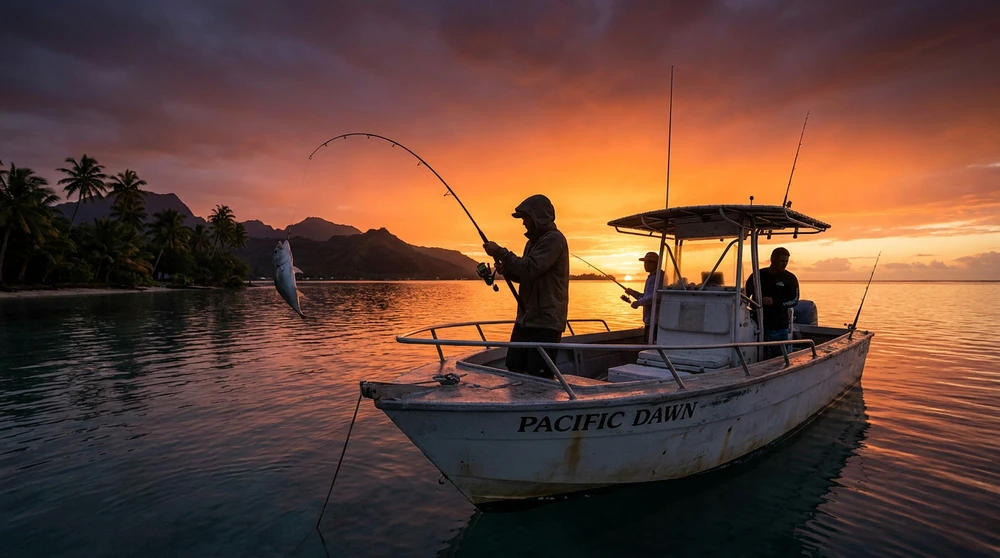
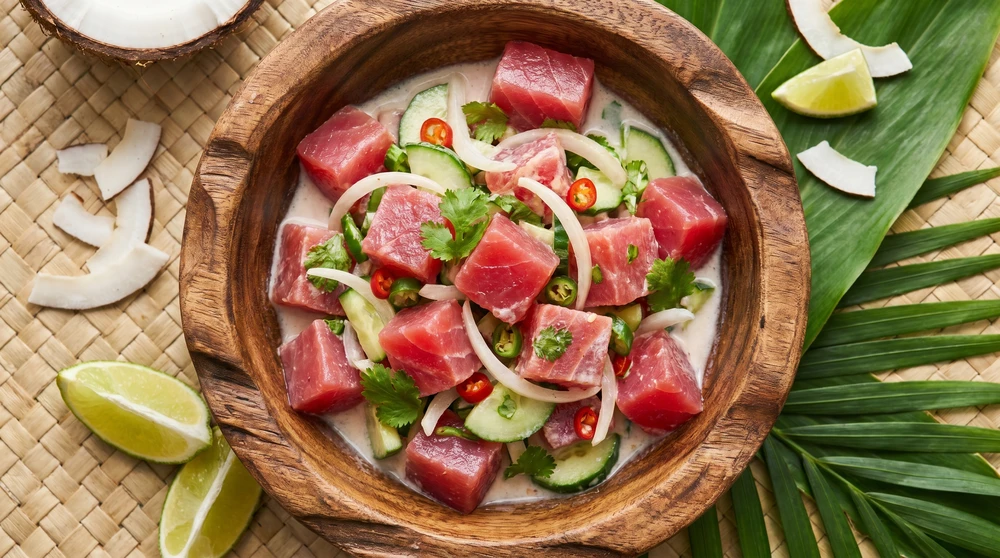
Fish is the absolute core of the Marshallese diet. Tuna, mahi-mahi, and wahoo dominate daily menus, and the quality is outstanding given how close to the source you are. Locals typically grill fish over open flames or serve it raw in a preparation similar to Hawaiian poke: fresh catch marinated in lime juice and drenched in rich coconut milk. The result is light, clean, and a perfect relief from the tropical heat.
The local version of Marshallese poke (sometimes called raw fish salad) is the single dish most worth seeking out. Unlike Hawaiian poke, it often skips soy sauce entirely and leans into coconut milk and local lime.
Breadfruit, Taro, and Pandanus
Since wheat does not grow here, breadfruit (ma) acts as the primary starch in a traditional meal, replacing potatoes or bread entirely. You will find it roasted whole over embers, fried into crispy chips, or boiled and mashed with coconut milk. When ripe, its texture is closer to fresh bread than any other tropical fruit, slightly sweet, starchy, and genuinely filling.
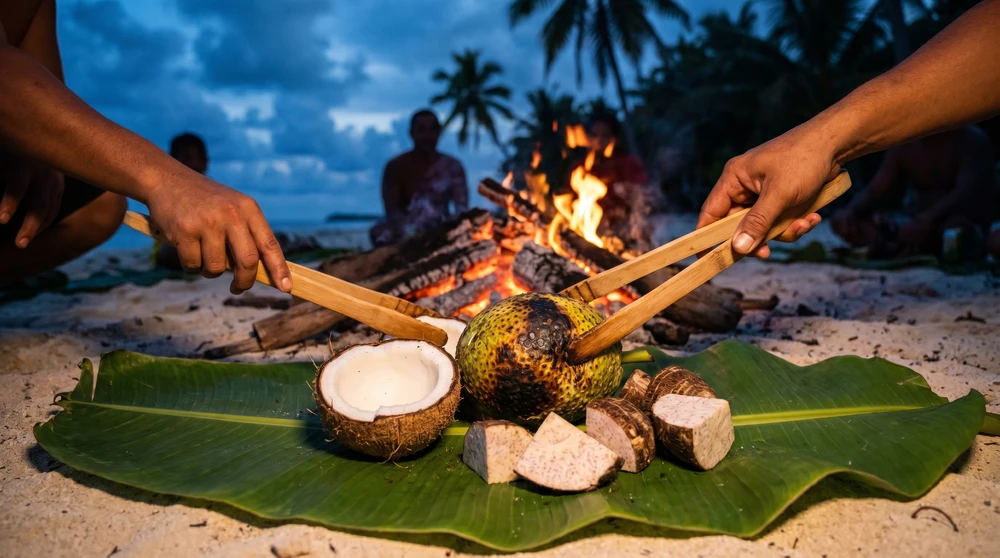
For long-term storage, locals ferment breadfruit into a sweet and tangy paste called bwiro. The fermentation process can last days or weeks; the resulting paste is baked in a traditional earth oven (um) and develops a dense, sticky texture with a complex sour-sweet flavour.
Pandanus is another survival food native to the atolls. The fruit is cooked, dried, and pressed into dense, fragrant cakes known as mokwan (Ratak Chain) or jaankun (Ralik Chain). These energy-dense blocks last for months and offer a unique earthy sweetness with faint vanilla notes. Pandanus juice, extracted from the fresh fruit, tastes remarkably like vanilla cereal and is worth trying at local markets.
Taro appears boiled, mashed, or mixed with coconut milk as a side dish. It is starchier and denser than breadfruit, with a mild, almost nutty flavour that takes well to coconut preparations.
Cookshops and Street Stalls
The real local eating happens in the DUD area (Delap-Uliga-Djarrit), where small cookshops and open-air stalls run by local women serve simple plates for $3 to $5. A typical takeaway container holds roasted breadfruit, fried reef fish, and chukuchuk (rice balls rolled in freshly grated coconut). These informal spots operate on whatever was caught or grown that morning, so menus are not fixed.
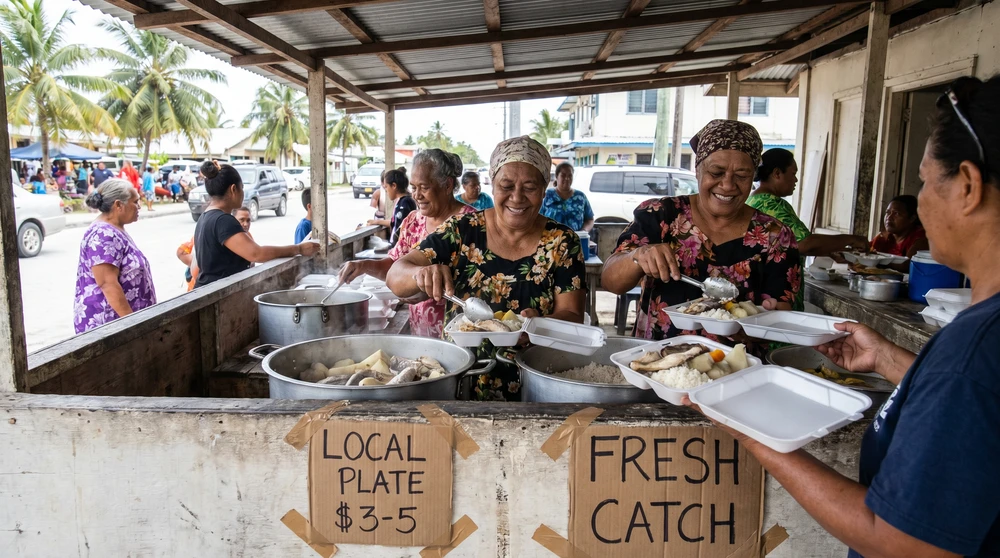
Frank K's Restaurant in Uliga is a long-standing local institution. They specialise in traditional dishes including jukjuk (a sweet banana and coconut dessert) and banke kalel, a slow-cooked pumpkin preparation that rarely appears anywhere else.
Best Restaurants in Majuro
Majuro hosts a compact but reasonably diverse dining scene. With roughly 26 restaurants on the entire atoll, you are not overwhelmed by choice, but the quality at the better spots is solid.
Top Spots for Seafood and Local Dishes
Tide Table Restaurant at the Robert Reimers Hotel is the most reliable sit-down option in Majuro. They serve grilled tuna, fish and chips, hearty burgers, and a rotating selection of Pacific-style seafood. The oceanfront setting makes it the natural meeting point for expats, long-stay visitors, and local professionals. Expect to pay $15 to $30 per person. The bar area is open late and offers one of the better lagoon views at sunset.
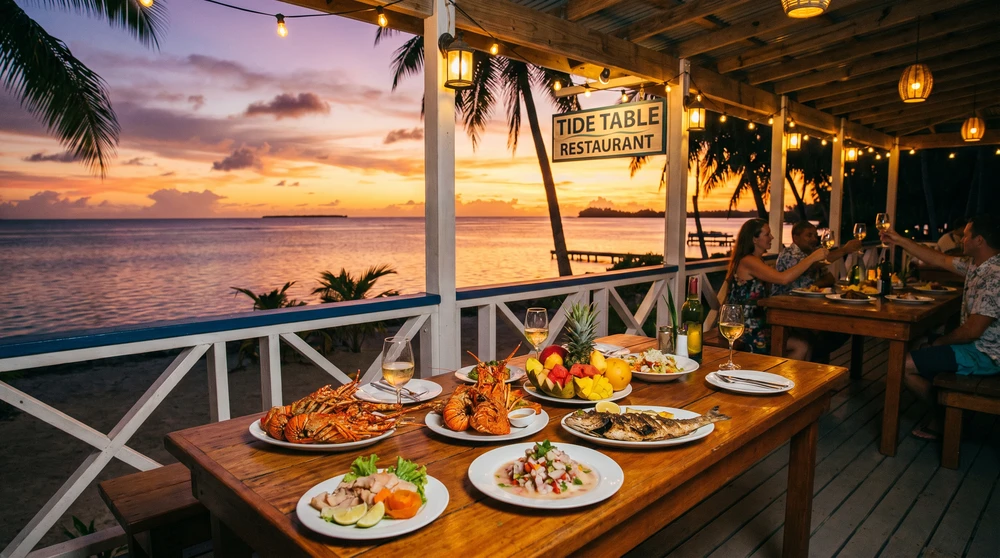
Island Star in Uliga is the go-to for authentic Marshallese seafood. Their daily specials depend entirely on what local fishermen brought in that morning: yellowfin tuna, wahoo, and lobster in season. Arrive at lunchtime for the freshest options.
Enra Restaurant at the Marshall Islands Resort runs a popular Sunday buffet that blends international and local fusion dishes. If your schedule allows, this is the most comprehensive single meal you can have in Majuro. The lagoon-facing terrace makes it worth the slightly higher price point.
The Grill at the Shoreline is a newer addition to the Majuro dining scene, offering straightforward grilled fish and meats in a casual waterfront setting.
Asian and International Cuisine
Thanks to established expatriate communities from China, Korea, and the Philippines, Majuro punches above its weight in Asian dining options.
Won Hai Shein and Seagull Restaurant are both well regarded for authentic Chinese dishes, including dim sum-style plates and wok-fried seafood. Won Hai Shein allows guests to bring their own wine if they prefer not to order from the drinks menu.
Mon-ami is the strongest option for Korean food in Majuro. Their bibimbap and spicy seafood soups are filling and well-priced, making it a favourite among divers and long-stay visitors after a day on the water.
Andy's Restaurant is known for a more eclectic Chinese menu, including seaweed soup and unexpected stir-fry combinations. It is not fine dining, but portions are generous and prices are low.
Chit Chat Restaurant at the Hotel Marshall Islands is worth a mention for its pizza, pool tables, and shuffleboard - a useful option when you want something reliably familiar.
Trader Jack's has a laid-back atmosphere that attracts both locals and tourists. The menu is straightforward American-Pacific fare at accessible prices.
Casual Cafes
The open-air market near the Marshall Islands Resort is the best spot for cheap, fast, and genuinely local food. Local women run the stalls and the food rotates daily based on what is available. This is also where you are most likely to find pandanus juice and fresh coconut preparations.
Island Cafe has earned strong local reviews as Majuro's best option for coffee and light bites.
Grocery Shopping: Markets and Supermarkets
Cooking at home requires adjusting your expectations. Supply chains depend heavily on cargo ships from Hawaii and Guam, which means fresh produce availability fluctuates sharply between shipments.
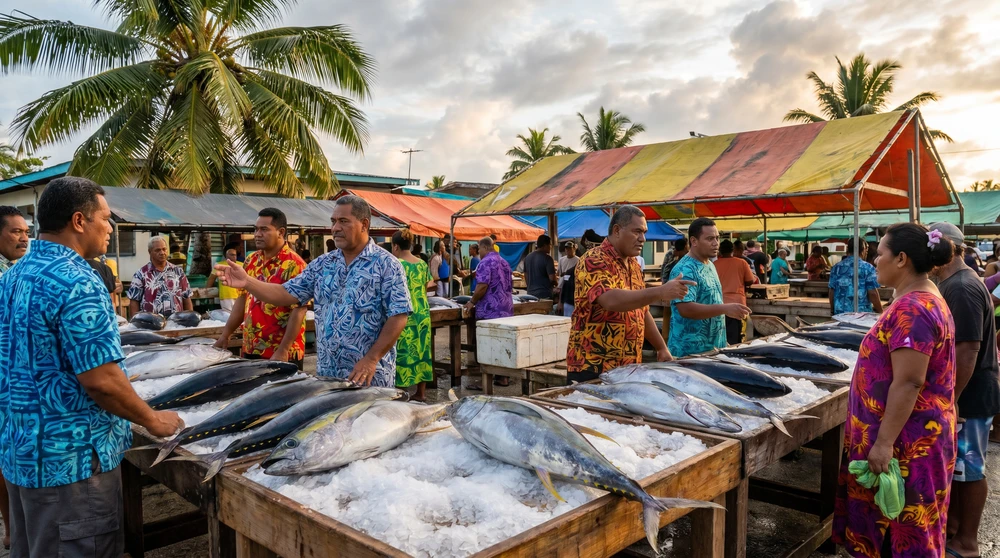
Buying Fresh Fish at MIMRA
Do not buy fish from unverified roadside coolers. Head directly to the MIMRA (Marshall Islands Marine Resources Authority) Fish Market or MISCO. Both markets strictly monitor the cold chain, ensuring seafood is handled safely from catch to sale. Go early, by 7 to 8 AM, to secure the best cuts of yellowfin tuna, fresh lobster, and wahoo before the good stock runs out.
Major Supermarkets for Imported Goods
Island Pride Supermarket in Delap offers a large selection of US, Australian, and Asian imports. Your best source for dry goods, dairy, frozen meats, and hygiene products.
Payless Supermarket in Uliga carries a similar inventory with a strong selection of American brands. Both are well-stocked immediately after cargo arrivals and can run low between shipments.
Practical tip: Fresh produce disappears within hours of cargo arrivals. Learn the approximate schedule of cargo flights and ships (roughly weekly from Honolulu) and time your vegetable shopping accordingly. Between shipments, the small roadside farm stands on the road between Laura and Ajeltake reliably stock local papayas, bananas, and fresh coconuts.
Food Safety: Ciguatera and What to Know
Eating safely in the Marshall Islands requires basic local knowledge. The tropical climate accelerates food spoilage, and the reef ecosystem holds a specific danger worth understanding before you arrive.
Ciguatera Fish Poisoning
Ciguatera is a serious, non-preventable foodborne illness caused by eating certain reef fish contaminated with ciguatoxins produced by microalgae called Gambierdiscus. The toxins accumulate up the food chain, concentrating in large predatory reef fish.
Neither cooking nor freezing destroys the toxin. Symptoms typically appear within 6 to 24 hours and include severe nausea, diarrhoea, muscle pain, and a characteristic neurological reversal where hot objects feel cold and cold objects feel burning hot. Recovery can take weeks or months.
The safest rule: stick to deep-water pelagic species. Yellowfin tuna, wahoo, mahi-mahi, and skipjack are completely safe because they feed in open ocean rather than on reef-dwelling fish. Avoid large snapper, grouper, barracuda, and amberjack caught from lagoon or reef environments unless you can confirm the source from a trusted local vendor or MIMRA. When in doubt, ask. Locals know which species and reef sections carry higher risk and will tell you directly.
Water and General Safety
Tap water across all Marshallese atolls is unsafe for drinking. Restaurants use filtered water for ice and cooking, but it is worth confirming at unfamiliar spots. Fresh coconut water from roadside vendors is a safe, cheap, and genuinely refreshing alternative.
Vegetarian and Vegan Dining
Strict vegetarian dining presents a real challenge in the Marshall Islands. The traditional diet revolves around marine protein, and locals frequently classify fish as the "vegetarian" option relative to pork or chicken.
If you receive a private dinner invitation, communicate your dietary needs clearly and early. Relying on local root vegetables, imported lentils from Island Pride, and the fresh fruit stands in Laura is your most practical strategy. Bringing a plant-based dish to share at a communal gathering is a well-received and culturally appropriate workaround.
Enra Restaurant at the Marshall Islands Resort offers the most reliable options for vegetarian-friendly international dishes, including pasta and salad preparations.
Marshallese Dining Etiquette
Food is deeply communal in Marshallese culture. The concept of jowi (mutual aid and collective sharing) shapes how food is prepared, served, and consumed. Understanding a few basics prevents unintentional offence and opens doors to genuine local hospitality. This etiquette aligns closely with broader Marshall Islands cultural customs around respecting elders and communal generosity.
When invited to a local home, remove your shoes at the door. Bring a small gift such as a cake, fresh fruit, or a packet of cookies. Wait for the eldest person, pastor, or local chief to begin eating before touching your own plate. Never take the last piece from a communal dish without explicitly offering it around first.
Portions at local gatherings are deliberately generous. Leaving a completely empty plate signals to the host that they did not feed you enough. Eat what you comfortably can, leave a small amount, and thank your hosts warmly. Accepting food graciously, even a small taste of something unfamiliar, is one of the most respectful things a visitor can do.
If you are planning your full trip around Majuro, the things to do in Majuro overview covers the key sights alongside the food scene, and the where to stay in Majuro breakdown covers accommodation options near the best restaurants.