Arno Atoll sits just 15 miles from Majuro, making it the closest outer atoll to the Marshall Islands capital and the one realistic option for a day trip. Most travelers in Majuro spend their time on the narrow ribbon of urbanized road that connects the capital's districts, but Arno offers what Majuro simply cannot: empty white-sand beaches, intact reef systems, and a genuine glimpse of traditional Marshallese village life untouched by tourism infrastructure.
Getting there, however, is not a matter of booking online. This guide covers the real logistics, what the crossing actually costs, where the best snorkeling is, and what you must bring before leaving the dock.
- Boat ride: 45 to 60 minutes each way from Majuro
- Departure points: Uliga Dock or the dock near Robert Reimers Hotel (RRE Shoreline)
- Regular ferry: Mondays, Wednesdays, and Fridays, departing around 10:00 AM
- Cost (shared boat): approximately $15 per person each way
- Private charter: $150 to $250+ depending on vessel and group size
- Cash only: US dollars, no ATMs outside Majuro
- Best months: November to April (calmer seas, drier weather)
- Sunday warning: most activities restricted until late afternoon
Getting to Arno Atoll from Majuro
The only way to reach Arno is by boat. The atoll lies roughly 15 miles south of Majuro across open Pacific water, and that crossing is entirely dependent on ocean conditions.
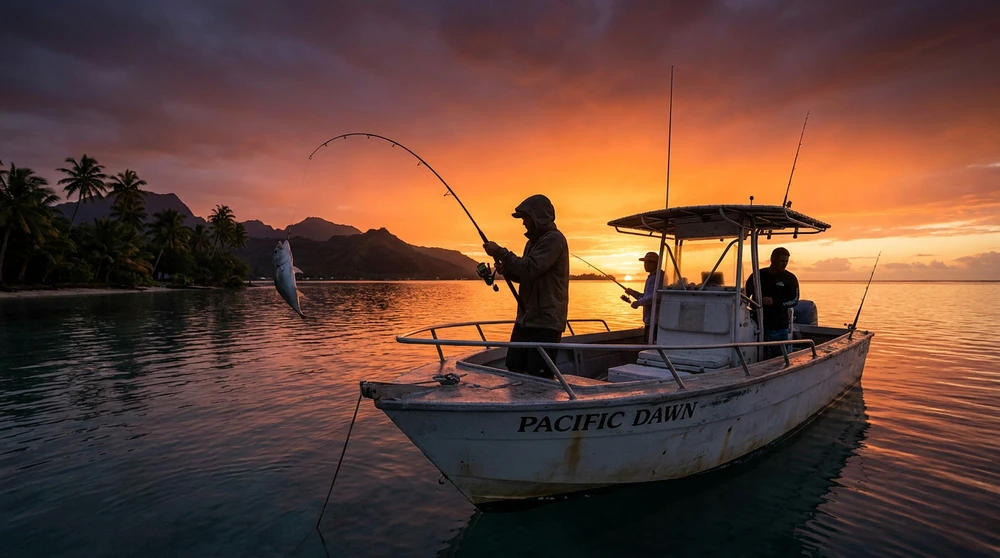
The regular ferry runs three times per week: Mondays, Wednesdays, and Fridays. It departs from the dock near Robert Reimers Hotel (locally called RRE Shoreline) in Uliga at approximately 10:00 AM. Captain Ronnie Reimers operates the primary passenger and freight boat, the Kirtake, which carries both locals and cargo. You can find him at the Shoreline dock in the morning or contact through the Happy Hands handicraft store near RRE Hotel. The round-trip fare is approximately $15 per person each way.
There is no online booking system, no official website, and no central schedule board. Visit the dock or ask your hotel the evening before to confirm whether the boat is running. Weather cancellations happen without warning, especially from November through February when Pacific squalls can shut down crossings abruptly. Your guesthouse or hotel front desk is usually the most reliable source of current information.
Private charters give you full control over your departure time and itinerary stops. A chartered boat typically costs $150 to $250 or more depending on vessel size and current fuel prices. If you are traveling in a group of four or more, splitting a charter often works out cheaper per person than the ferry and eliminates the schedule dependency. The Marshall Islands country collectors community has noted that charter flexibility is worth the premium when you have limited days.
Whichever option you choose, depart in the morning.

The crossing in afternoon sea conditions is rougher, and you want maximum time on the atoll.
Snorkeling Arno Atoll: Kalalin Pass and Beyond
The most talked-about snorkeling location is Kalalin Pass, a deep-water channel between the atoll and the open ocean. As the tide changes, nutrient-rich water flushes through the pass, concentrating marine life in a way that rivals purpose-built dive destinations.
In the shallower coral bommies along the pass edges, sea turtles move slowly past dense schools of parrotfish and clownfish. Gray reef sharks patrol the deeper drop-offs. On a strong incoming tide, barracuda gather in shifting silver formations in open water.

Visibility is consistently high when conditions are calm.
Current awareness is non-negotiable here. The tidal flow through Kalalin Pass can be extremely strong and reverses direction without much warning. Never snorkel without your boat captain present, as local knowledge of the tidal window is essential for safe entry and exit. If you are on a private charter, your captain will read the conditions and tell you when it is safe.
Beyond Kalalin Pass, the lagoon beaches offer more relaxed, family-friendly environment for snorkeling. Coral coverage closer to the beaches is notable, and fish populations here face less pressure than in the more accessible spots around Majuro.

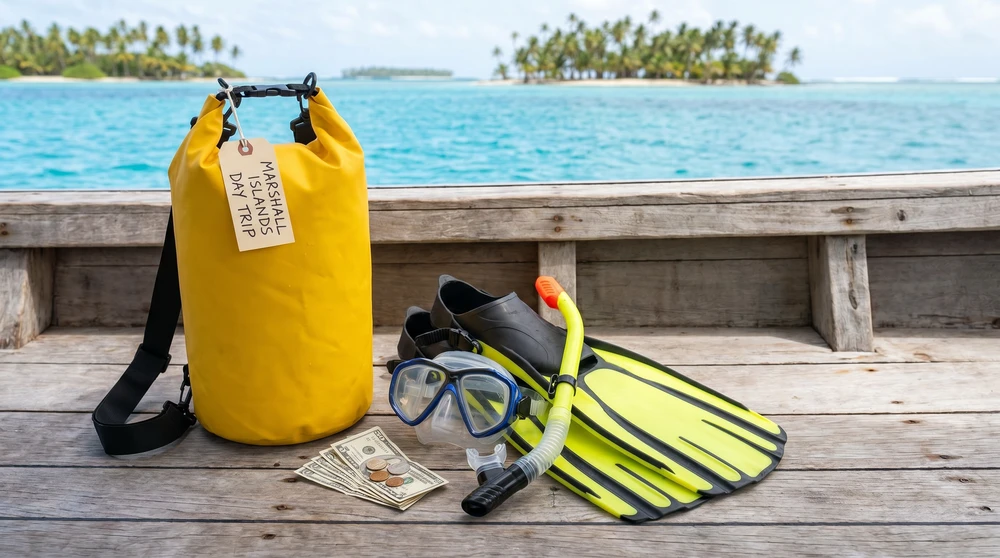
Bring your own gear: there are no rental shops on Arno. You must source a mask, snorkel, and fins, and a rash guard in Majuro before boarding. The reflection off turquoise water amplifies UV exposure significantly, so reef-safe sunscreen is not optional.
One unique stop worth arranging is the giant clam breeding facility on the atoll. It is one of the few such operations in the Pacific and can be visited with prior coordination through your boat captain.
For context on dive conditions across the broader archipelago, see the overview of diving in the Marshall Islands.
Marshallese Culture and Village Life on Arno
Arno's approximately 1,100 residents (2021 census) maintain a way of life built around subsistence fishing and copra production. Walking through the villages, you will see copra (dried coconut meat) drying on open-air racks with its distinctively sweet, smoky smell. The dried copra is processed for coconut oil, which remains a real part of the local economy.

Marshallese hospitality is genuine but requires corresponding respect. Learning basic greetings before you arrive goes a long way: "Iọkwe" (ee-YOKE-way) is a general greeting meaning both hello and love, and "Kom̧m̧ool" (kohm-MOOL) means thank you. Using these in the village opens doors that a tourist smile alone will not.
Sunday is the most important rule to understand. Across the outer islands, Sunday is reserved for church and family. Most shops are closed, activities are suspended, and community life is inward-facing until late afternoon. Scheduling your day trip on a Saturday or a weekday is strongly recommended. The Monday, Wednesday, Friday ferry schedule already steers you away from Sunday logistics, but if you arrange a private charter, confirm the day carefully.
Visitors should also be aware that some village areas have informal dress expectations. Covering shoulders and knees when walking through the village center is respectful and generally expected. Save the swimwear for the beach.

For deeper background on these dynamics, the article on Marshall Islands cultural etiquette covers dress codes and taboos across all outer island visits.
What to Pack for an Arno Day Trip
Arno has no ATMs, no pharmacies, no convenience stores, and no gear rental. Everything you need must come from Majuro.
Gear and protection:
- Snorkel mask, fins, rash guard
- Reef-safe sunscreen with high SPF, as water reflection doubles exposure
- Insect repellent, as mosquitoes are present particularly at dawn and dusk
- Dry bag, because salt spray on the open crossing is guaranteed; protect your phone, camera, and documents
- Water shoes, as washed-up dead coral on beach approaches is sharp
Money and supplies:
- US dollars in cash, small denominations: $1, $5, and $10 bills are useful for coconuts, crafts, or tips
- Food and water for the full day: there is a small snack shop but do not rely on it; bring a packed lunch
- Motion sickness tablets if you are prone, as the open Pacific swell between atolls can be rough even on calm days; take one 30 minutes before boarding
Navigation:
- Download offline maps (Google Maps or Maps.me) before leaving Majuro, because cellular signal drops significantly once you are on open water and is unreliable on Arno itself
For a comprehensive gear packing perspective linked to Marshall Islands travel costs, planning your total budget alongside your packing list helps avoid last-minute scrambles at the dock.
Budget Breakdown
These figures reflect current pricing for a single traveler on a shared public boat:
| Expense | Estimated Cost |
|---|---|
| Round-trip ferry (shared, Kirtake) | $30 (approx. $15 each way) |
| Local lunch and fresh coconut | $15 to $25 |
| Snorkeling gear rental (sourced in Majuro) | $20 to $30 |
| Emergency cash buffer | $50 |
| Estimated total (shared boat) | $115 to $135 |
Private charter pricing starts at $150 to $250+ for the boat regardless of group size, making a group of four or more significantly more economical per person.
Note that the Reimers Hotel (RRE) also offers organized day trips to Arno for approximately $40 per guest with their own boat departure schedule. This is a practical middle ground between the raw public ferry and a full private charter.
Best Time to Visit Arno Atoll
The November to April period brings drier conditions and calmer sea currents, which makes the crossing more predictable and Kalalin Pass snorkeling more accessible. Visibility in the pass is at its best during calm weather windows.
The May to October wet season does not prevent travel entirely, but squalls are more frequent and morning departures can be cancelled without notice. If you are visiting during this period, build flexibility into your schedule and always have a backup day identified. For full seasonal detail, the best time to visit the Marshall Islands article covers weather patterns across the full year.
Regardless of season, weekday mornings are your best operating window: the ferry runs Mondays, Wednesdays, and Fridays, and morning crossings in any month are calmer than afternoon attempts.