Arriving at the Blue Lagoon at noon only to find thousands of people blocking your shot is the most common photography mistake in Malta. Shooting the limestone streets of Valletta or the sea caves of Gozo without the crowds comes down to precise timing, a grasp of the island's strict drone rules, and knowing exactly where the sun rises and sets. The spots below are mostly free, and the difference between a flat snapshot and a strong frame is usually just an hour of the day.
Valletta: Historic Streets and Architecture
Upper Barrakka Gardens and Saluting Battery
The panoramic view of the Grand Harbour from here is excellent, but midday glare washes out the sandstone of the Three Cities across the water. Be at the arches right at sunrise: the soft morning light turns the limestone a deep gold, and you get the entire terrace to yourself before the cruise-ship crowds flood in around 09:00. The Saluting Battery fires at 12:00 and 16:00, which makes for a dynamic action shot, but you need a fast shutter speed (around 1/1000s) to freeze the smoke.
The Maltese Balconies of St Lucia's Street
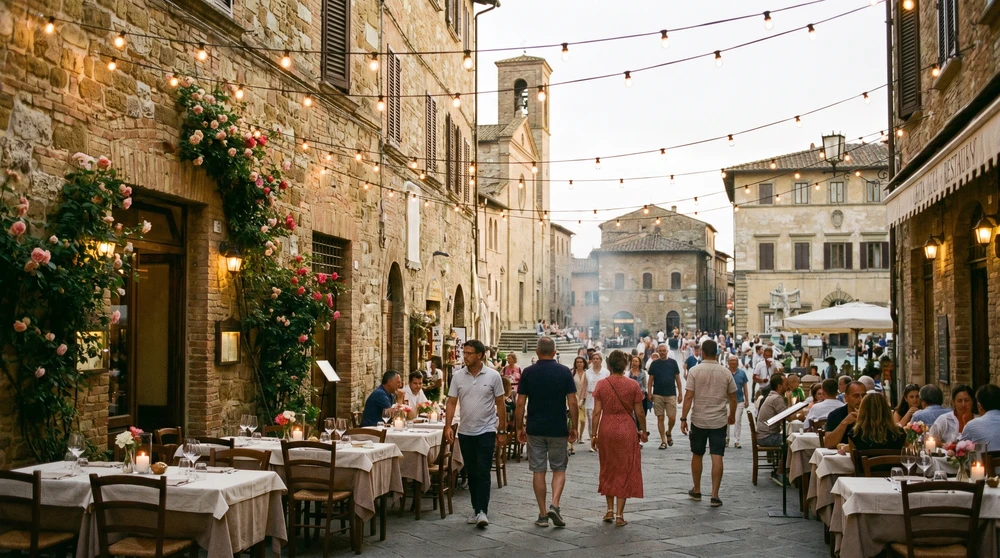
St Lucia's Street is known for its steep steps, traditional wooden balconies (gallarija), and al fresco dining. The best angle looks up the steps from the bottom intersection, compressing the perspective with an 85mm or 105mm lens. Early morning is empty but the street looks lifeless, so visit around 18:00: the fairy lights come on, the restaurants set their tables, and the street gains a warm, lived-in feel. For a wider sweep of the capital's grid, a Valletta itinerary maps the order to hit each district.
Coastal Landscapes and Sea Caves
Blue Lagoon, Comino: How to Avoid the Crowds
The neon blue water against the cliffs is the island's signature shot, but by 10:00 there is barely room to stand. The first public ferries from Cirkewwa depart around 08:30, arriving by 09:00. To beat them, hire a private water taxi from Mgarr (Gozo) or Marfa and aim to land at 07:30, which buys you roughly 90 minutes of undisturbed water.
For a vantage point without the sunbeds in frame, hike 10 minutes south along the cliff edge toward the Crystal Lagoon. Ferry schedules and timing make or break the visit, and reaching the Blue Lagoon hinges on the crossings.
Blue Grotto: Ideal Lighting Times
A massive natural rock arch rising from the sea, with a free, accessible viewpoint on the main road (Triq il-Wied). The water inside the caves only glows that intense azure when the sun shines directly into the cavern entrance, which happens from sunrise until about 11:30. A wide-angle lens (16-35mm) is essential to fit the entire arch and the sea below into one frame. If you want to shoot from inside the caves rather than above, the Blue Grotto boat trip covers prices and the morning departure windows.
Xwejni Salt Pans, Gozo
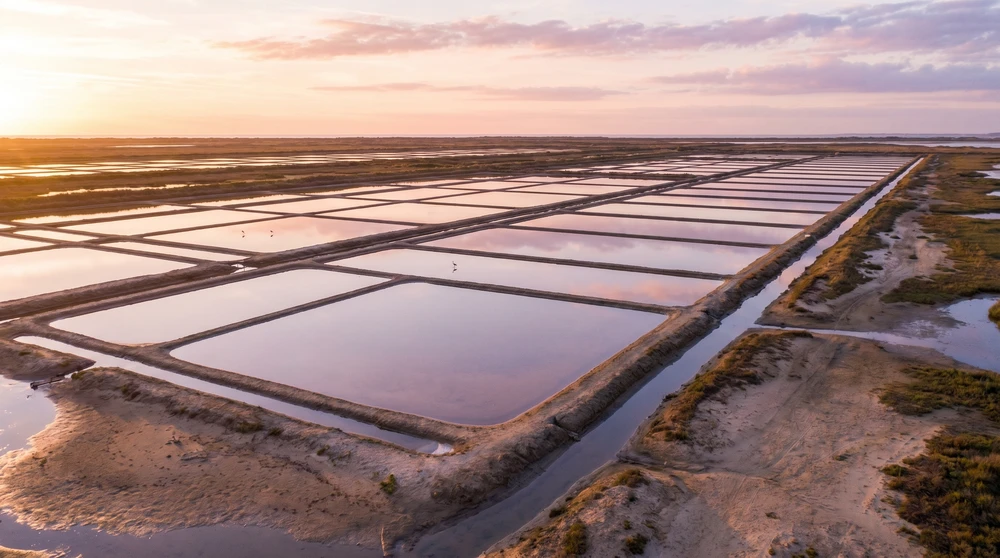
A 350-year-old checkerboard of shallow pools carved into the coastal rock. Midday shots here look flat. Arrive 45 minutes before sunset: the still water in each pan mirrors the pink and purple hues of the sky. Keep off the actively worked salt beds out of respect for the families who still harvest here, and shoot from the slightly elevated roadside wall for the cleanest top-down perspective.
Cinematic and Unique Spots
Popeye Village Viewpoint
The theme park itself charges a €15-€20 entrance fee, but the iconic shot of the wooden village in Anchor Bay costs nothing. Drive past the main parking lot and head to the cliff edge on the opposite side of the bay, roughly 35.961, 14.339. The sun sets directly behind the village in winter for a clean silhouette, while summer mornings light up the colourful rooftops. For the verdict on whether the park is worth the ticket, the Popeye Village review weighs the entry fee against the photo payoff.
The Blue Door of Mdina (Triq l-Imhazen)
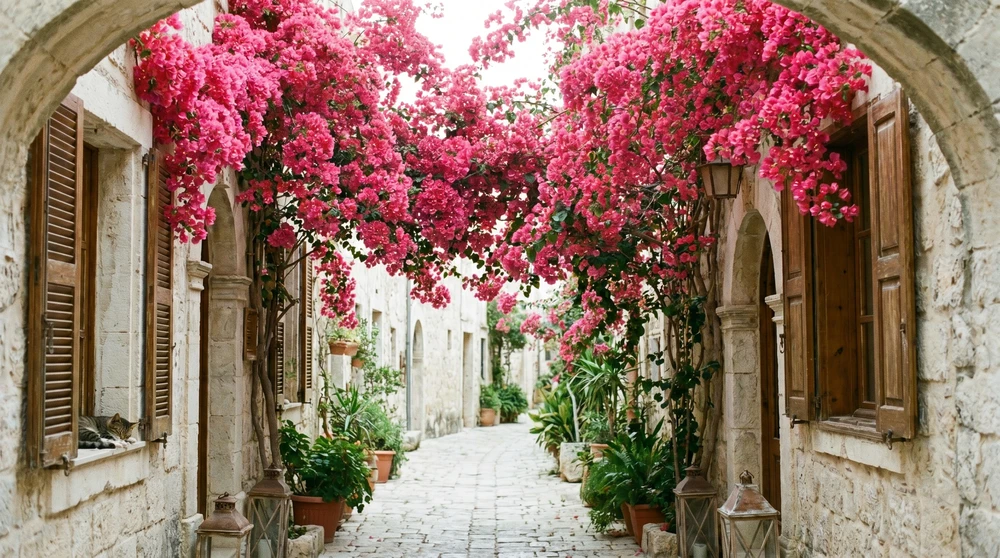
Mdina is built entirely of pale limestone, so any pop of colour stands out. The famous pastel blue door with matching shutters sits on Triq l-Imhazen, framed by a large bougainvillea. To catch the flowers in full bloom, plan your visit between June and August.
The alley is narrow, so step back as far against the opposite wall as you can and shoot straight on to avoid the wide-angle distortion that bends the architecture. Mdina pairs naturally with neighbouring Rabat, and exploring Mdina and Rabat together makes for an easy half-day on foot.
Logistics and Drone Rules
Drone Regulations in Malta
Flying a drone here is not as simple as launching from a cliff. The Malta Civil Aviation Directorate (CAD) requires every operator, regardless of drone weight, to register and submit a flight declaration for each individual flight. Valletta, the airport surroundings, and several historical sites are geofenced no-fly zones. Stick to coastal cliffs like Dingli or the rugged areas of Gozo, and keep your EU drone operator ID on hand.
Getting Around: Public Transport vs Car Rental
Relying on public buses for golden-hour photography is a real risk. Maltese buses often run late or skip stops when full, which can leave you stranded while the light fades. A compact rental car gives you the freedom to reach remote spots like Tal-Mixta Cave or the Red Tower on your own schedule; renting a car in Malta is worth weighing for insurance and parking. For short urban hops such as Sliema to Valletta, the ferry is faster, cheaper, and offers good waterside frames of its own.