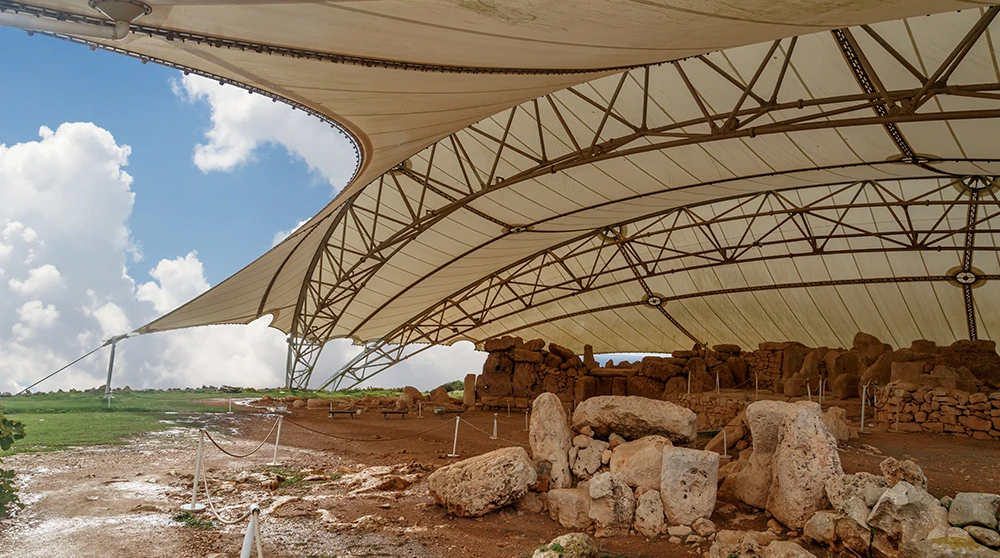
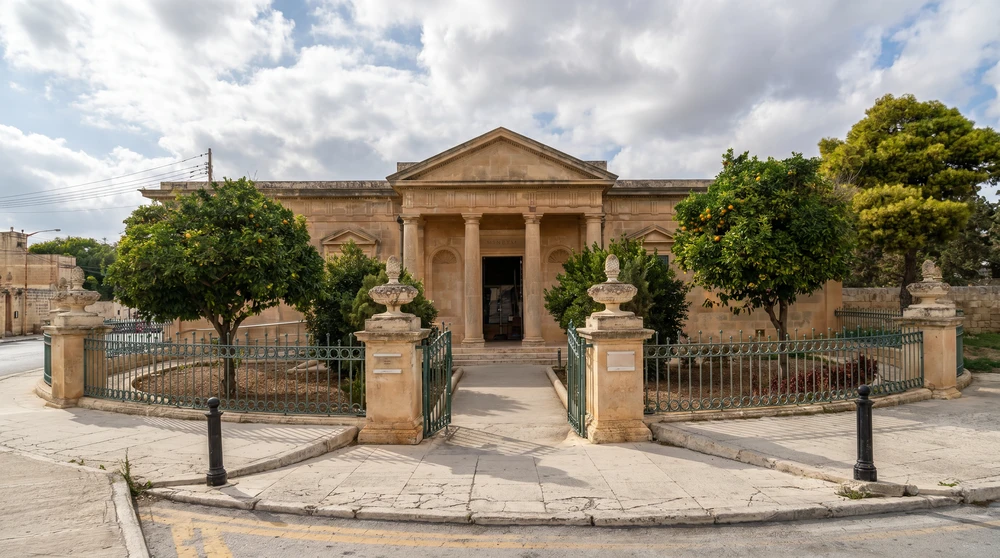
Before you pack your DJI Mini or a professional cinema drone for your trip to Malta, you should know that this small Mediterranean archipelago enforces some of the strictest and most distinctive drone rules in Europe. Malta follows the European Union Aviation Safety Agency (EASA) framework, but local implementation changes the picture entirely for visiting pilots. This guide walks you through how to fly legally and safely across Malta's coastlines, historic bastions, and dramatic cliffs without risking heavy fines or having your equipment held at customs.
Quick Legal Checklist for Malta
- Official regulatory body: Transport Malta Civil Aviation Directorate (TM-CAD)
- Mandatory flight authorization portal: tmcad.idronect.com
- Insurance is mandatory for every drone, regardless of weight, with minimum third-party cover of 1 million EUR
- Maximum altitude is 120m inside permitted areas, but flights capped at 60m through the portal qualify for instant approval
- Visual line of sight (VLOS) is required at all times
Why Malta's Drone Rules Are Different From the Rest of the EU
If you have flown a drone in France, Italy, or Germany, you might assume that staying under 250 grams exempts you from most of the paperwork.
In Malta that assumption will get you into trouble. Because of the islands' small size, high population density, and the constant presence of low-flying commercial aircraft, helicopter routes, and heritage preservation zones, the entire country is treated as controlled airspace. Holding an EASA Operator ID alone is not enough. You cannot simply switch on your drone and take off in an open field or over a beach.
Every flight must be logged, processed, and authorized through the local aviation authority's digital portal before your propellers start spinning.
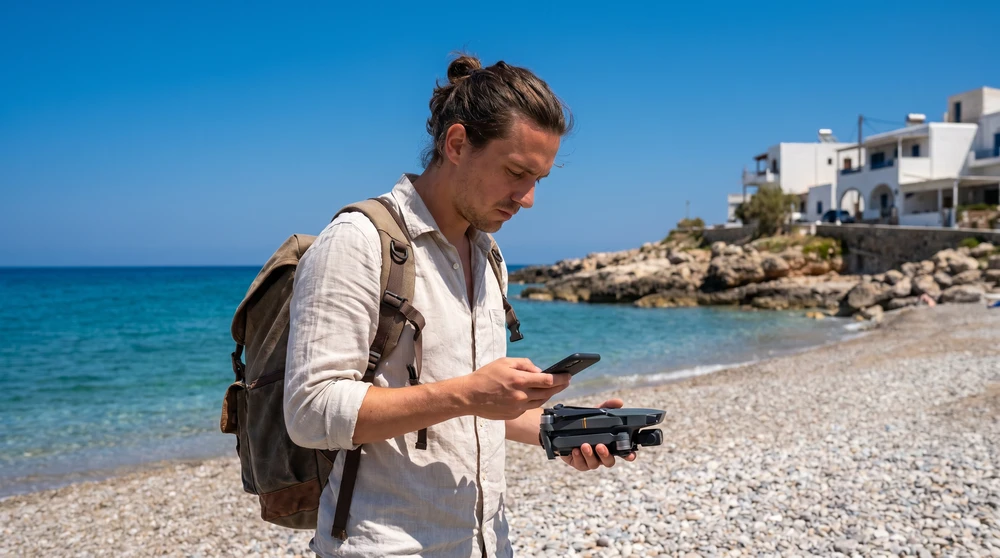
Mandatory Requirements for Tourists
Before you book your flight to Luqa, you must complete two foundational steps. Skipping either one makes any drone operation in Malta illegal. The first is the EASA UAS Operator registration.
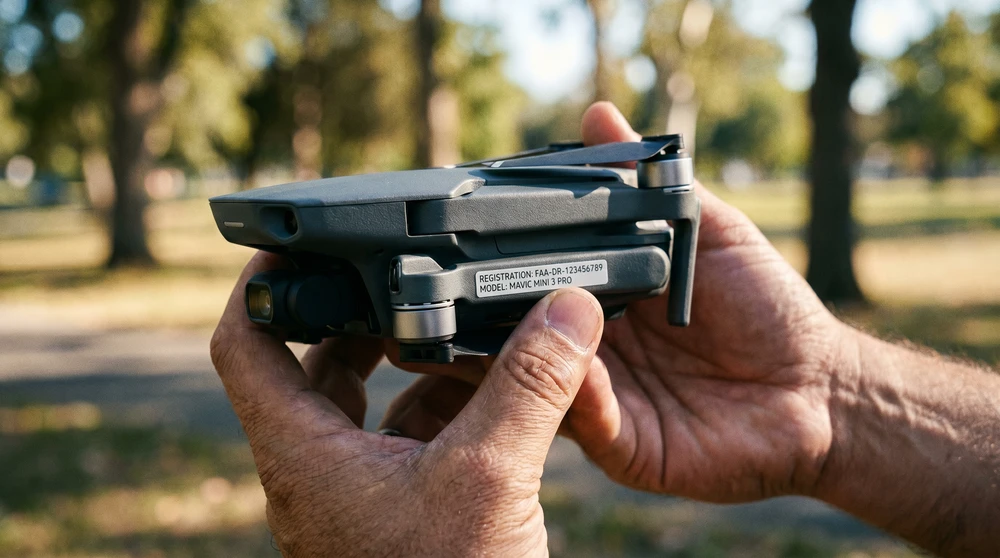
If Malta is your first point of entry into the European Union, you must register as a UAS Operator with TM-CAD. If you already hold a valid UAS Operator ID from another EU member state such as Ireland, Germany, or the Netherlands, you do not need to register again, since your existing ID is valid across the bloc. New registration links your personal details to a unique operator number that must be physically printed or labeled on your drone. For visitors, TM-CAD offers a short-term option that is far cheaper than the resident rate.
A tourist registration valid for three months costs 10 EUR, while standard annual registration is 25 EUR. For a typical holiday, the three-month permit is the practical choice. The second step is mandatory third-party insurance, and this is where most tourists fail compliance. Under Maltese rules, all drone operations require valid third-party liability cover of at least 1 million EUR, and the policy must be valid in Malta.
The rule applies universally. Even a 249-gram drone like the DJI Mini 4 Pro must be covered. Before leaving home, check whether your current policy covers international UAS operations under European regulations, since EU-wide policies from specialist providers generally include Malta. You will need to upload your insurance certificate to the portal to obtain flight clearance.

How to Get Flight Authorization via TM-CAD
Once you have your Operator ID and your insurance certificate, you must interface with the local authorization system. Malta uses a dedicated platform to coordinate all drone traffic. The operational heart of Maltese drone flying is the TM-CAD IDRONECT portal at tmcad.idronect.com. Create an account on this platform at least a week before your trip.
You upload your EASA Operator ID, pilot qualifications if you are flying drones over 250g, and your insurance certificate. Before every flight you then draw your intended flight zone on a map and specify your takeoff time, duration, and maximum altitude. To accommodate recreational flyers and tourists, TM-CAD built an automation feature into the portal. If your drawn flight path sits outside highly sensitive military or airport zones and you set your maximum altitude to 60m or below, the system often grants an automatic, instant approval, and you can download or print the authorization form on the spot.
If you need to fly higher, up to the standard EASA ceiling of 120m, your request triggers a manual review by TM-CAD controllers, which can take several days and may require explicit coordination.
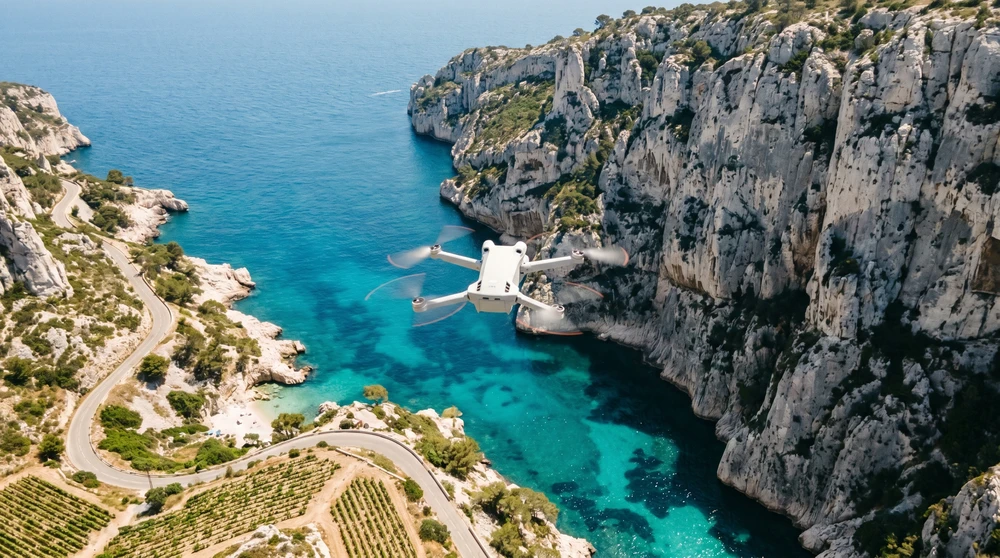
Malta No-Fly Zones and Restricted Airspace
Malta's geography means you are almost always near a restricted zone, so you must consult the live airspace maps inside the portal before planning any itinerary. A large exclusion zone surrounds Malta International Airport at Luqa, which sits in the middle of the main island and is strictly off-limits to recreational drones. Gozo has a heliport and Mater Dei Hospital operates an active emergency helipad, with a 3km no-fly radius around heliports to protect medical evacuation corridors.
Flying directly over the dense historic streets of Valletta, Mdina, or the Three Cities is forbidden under Open category rules because of the density of uninvolved people and protected structures. Coastal cliffs such as Dingli and the Miżieb woodlands are protected ecological zones, and disturbing wildlife with a drone can trigger environmental fines. Drones are also prohibited near embassies, power stations, and correctional facilities. If a Law Enforcement Officer stops you, they can ask you to show a valid UAS Operator registration number affixed to the drone and confirm your flight matches the parameters on your authorization form.
Breaching either point carries penalties, and no-fly zone violations are the most expensive, so the live map is not optional reading.
Flying Sub-250g Drones in Malta
If you fly a sub-250g drone such as a DJI Mini, your path is significantly easier, but you are not completely free of rules. You do not need an A1/A3 pilot certificate, since EASA does not require a theory exam for drones under 250g without a camera or those classified as toys. However, because your drone has a camera, you still must register as an Operator.
You also still need insurance and portal clearance. Weight does not exempt you from the mandatory insurance rule or the requirement to log every flight at tmcad.idronect.com. You should avoid flying over uninvolved people. While EASA allows sub-250g drones to transition briefly over individuals, Malta's local controls strongly discourage it, and you are never permitted to fly over crowds or open-air gatherings.
Filming Beaches, Gozo, and Night Flights
Beaches are popular but rarely empty, and under the A3 subcategory you must keep a safe horizontal distance from residential and built-up areas, which in practice means choosing quieter stretches of coast. Gozo offers more open space and fewer crowds than the main island, making it the easier place to capture clean aerials, though the heliport exclusion zone still applies.
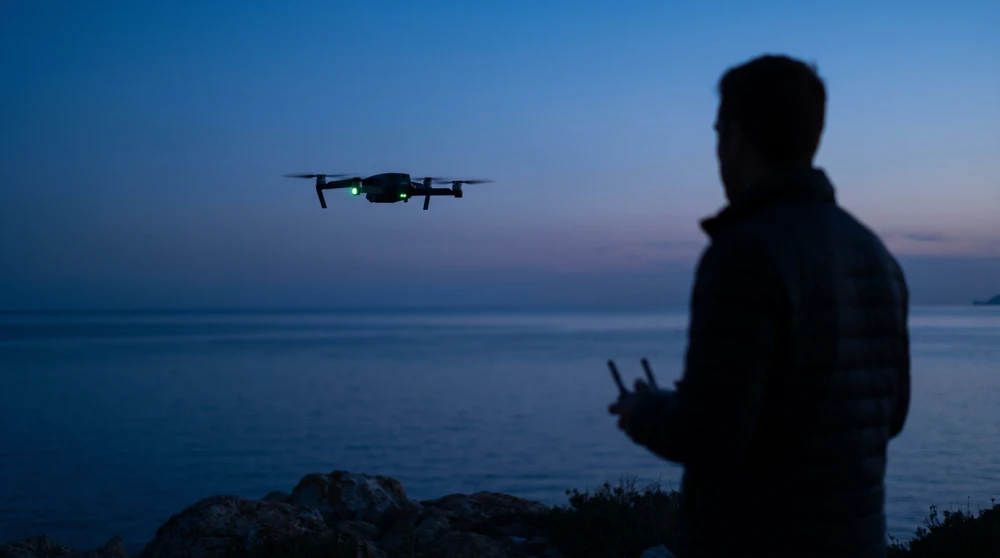
Night flying is permitted in the Open category only if your drone shows a flashing green light visible from a distance, and you must keep clear orientation and visual contact throughout. By respecting the TM-CAD framework, carrying proper liability insurance, and using the portal for quick 60m clearances, you can film one of the most photogenic destinations in the Mediterranean without drama.
For inspiration on where to point the camera, the best beaches in Malta and Gozo and the famous movie locations across the islands are strong starting points, and a single day in Gozo leaves plenty of room for open-air flights.