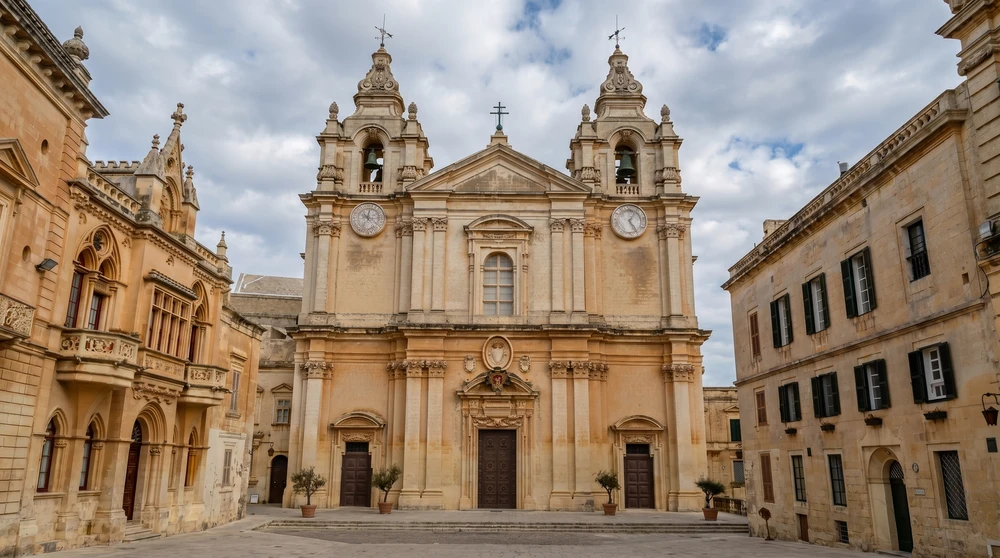
The Malta Marathon turns a fast, point-to-point descent from medieval Mdina into one of the most scenic February races in the Mediterranean. Get the pacing, baggage logistics, and transport timing right and you set up a personal best; get them wrong and the long downhill will wreck your legs before the halfway mark. Here is everything you need for race day, plus the best routes for everyday running on the island.
- Race date: Sunday, 28 February 2027 (both full and half marathon)
- Full marathon start: 6:45 AM, outside the Mdina bastions
- Half marathon and walkathon start: 8:15 AM, outside the Mdina bastions
- Distances: Full 42.2 km, Half 21.1 km
- Time limits: 5 hours (full), 3 hours (half), 3.75 hours (walkathon)
- Net drop: roughly 185 to 195 meters downhill from start to finish
- Transport bus: leaves Sliema at 05:30 (full) and 06:45 (half), 5 euro
Malta Marathon 2027 Essential Logistics
Securing a spot and getting the logistics right take early planning. Late entries often end up with avoidable headaches on race morning, so lock in your fee, your bus ticket, and your bag plan well ahead.
Registration Fees and Deadlines
Applying early guarantees the lowest entry fee and secures your place on the starting grid. For the full marathon, applications submitted by 30 November 2026 cost €55, the standard tier runs to 60 euro through mid-January, and late entries jump to €70. The half marathon follows the same tiered structure, starting at 45 euro and climbing toward 60 euro for late sign-ups.
Your fee covers a commemorative T-shirt, the official race magazine, and a finisher's medal. Applications show as 'Processed Not Paid' until you complete the card payment, and only a 'Confirmed' status secures a race bib, so check your status before you travel.
How to Reach the Start Line in Mdina
Relying on public buses or taxis on race morning is risky. The official 5 euro transport buses are the most reliable way to reach the starting area outside the medieval walls of Mdina.
Full marathon runners board from Sliema at 05:30 sharp, while half marathon and walkathon participants catch their buses at 06:45. Present the pre-booked ticket you received during registration before boarding.
Baggage Drop-Off and Finish Line Rules
The baggage system is efficient but demands attention. DHL vans line up near the start in Mdina, each marked with a specific range of bib numbers, so you simply find the van matching your number and drop in the official race bag.
Leave valuables at your hotel, since organizers take no responsibility for lost items. Your bag waits in an underground car park about 150 meters past the finish in Sliema, and you will need your race bib to reclaim it.
Analyzing the Race Routes and Elevation
Both courses promise sweeping Mediterranean views and share a net downhill profile, which makes them exceptionally fast but tough on the lower body. Reading the elevation chart before you toe the line is the single best way to protect your race.
The Full Marathon Course (42.2 km)
Starting from the high ground of Mdina, the route crosses through Rabat and the Mtarfa bypass, reaching the 5K mark at Ta' Qali. From there the course works through a series of loops around the National Stadium and the Crafts Village.
You then thread the streets of Attard and Mosta before the final stretch turns flat and fast along the waterfronts of Pieta, Msida, and Ta' Xbiex, ending on the popular Sliema promenade. Watch for steep road overpasses in the last 10 km, where several runners report the course bites back hardest.
The Half Marathon and Walkathon (21.1 km)
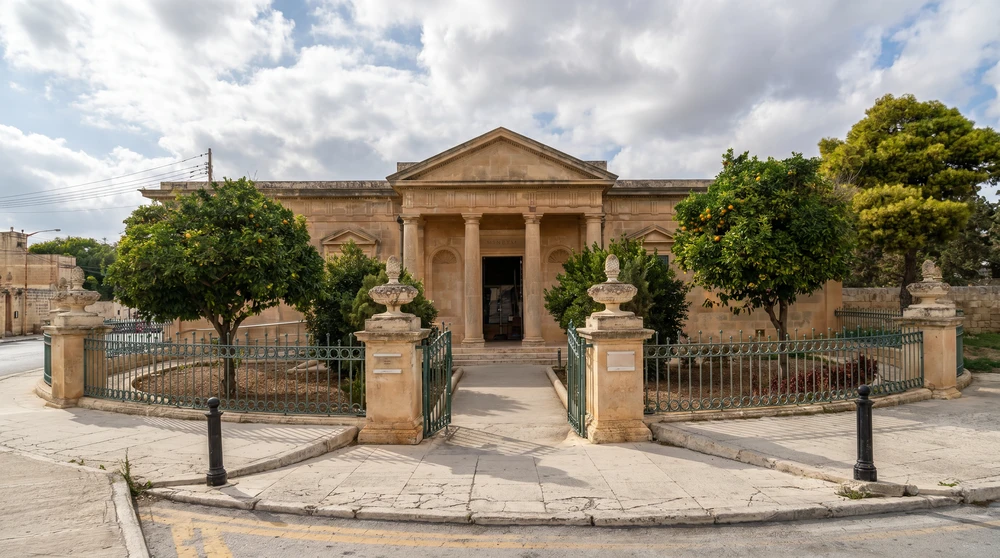
The half marathon takes a more direct line to the sea. After leaving Mdina, runners head toward the Roman Villa and join the Mtarfa bypass, then merge with the full marathon path near the Ta' Qali Crafts Village by the 5K mark.
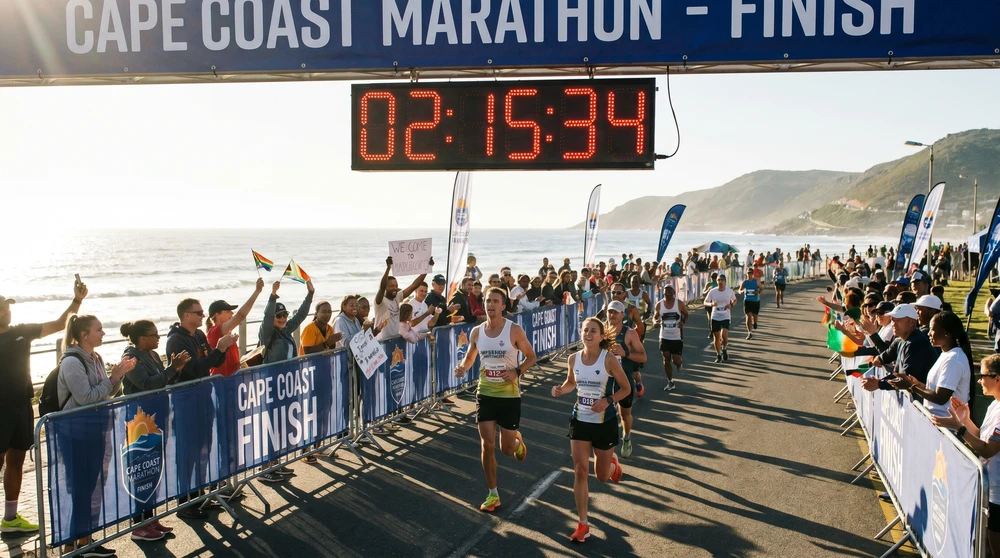
From there it is a straight shot down past the Mriehel aqueducts, connecting to the coastal roads that lead into Sliema. The shorter distance means less cumulative downhill pounding, which makes it a friendlier first race on this profile.
Elevation Profile: The Long Downhill Drop
The elevation chart is a dream for speed chasers and a trap for unprepared joints. Starting near 190 meters above sea level and finishing at zero, the course heavily favors downhill running, with only minor urban climbs breaking the descent.
Gravity does much of the work, but managing the impact is on you. As one experienced runner put it, the first half feels effortless until the quads light up around mile 17, so the elevation reward is real only if you respect it early.
Insider Tips for Race Day
Numbers and charts tell only half the story. The real race-day experience comes down to navigating crowded streets and preserving muscle energy on a course that gives away free speed.
Pacing Yourself and Protecting Your Knees
Running downhill for more than 20 kilometers takes a heavy toll on the quadriceps and knees. Compression gear or a knee support can provide useful backup during the long descent from Mdina.
Start conservatively. Many runners push too hard on the early slopes and then find their legs feel like lead on the flat waterfront stretches, so hold back early to keep the pace strong along the Sliema strand.
Surviving the Start Line Crowds
The starting boxes can lack strict organization, which leads to a crowded push when the gun goes off. Arrive at your pen early and position yourself based on your target pace.
You do not need sharp elbows, but a firm stance helps you hold a clean line. Do not leave a toilet stop to the last minute either, because the queues stretch long roughly 30 minutes before the start.

Best Everyday Running Routes in Malta
Beyond race day, the island offers excellent terrain for daily training miles. Just watch for uneven sidewalks and occasional heavy traffic, especially on shared promenades.
Sliema to St Julian's Waterfront
This flat, paved coastal path is the most popular running spot on the island. The sea views are superb, though the surface gets slippery after rain, so keep an eye on pedestrians during busy sunset hours.
Valletta Shoreline
Running the perimeter of the capital delivers a challenging, hill-heavy workout. The ancient fortifications provide incredible scenery that pays back the demanding elevation changes, making this loop ideal for building stamina.
Ta' Qali Park and Pembroke Trails
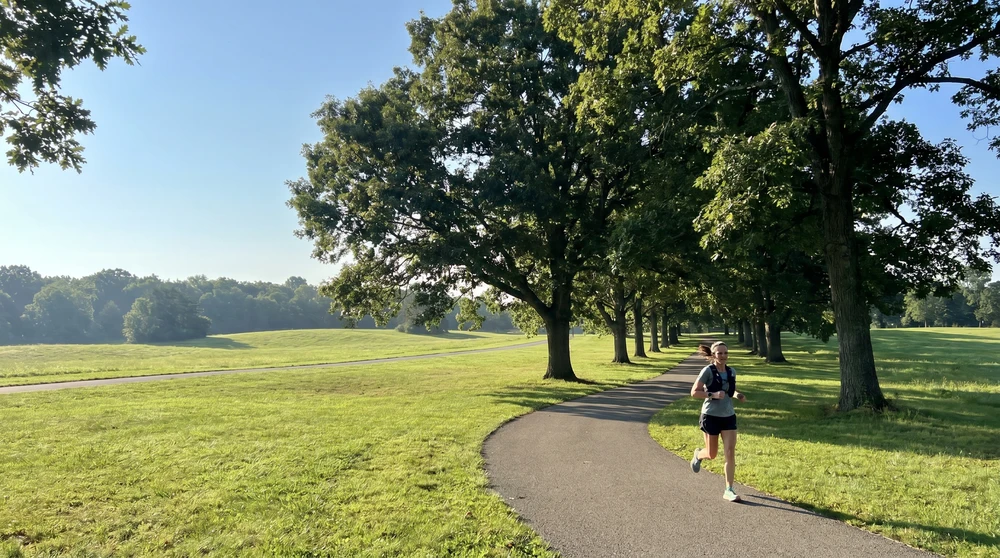
When you need a break from cars and concrete, these open spaces deliver. Ta' Qali National Park offers flat, paved loops ideal for intervals, while Pembroke provides rugged, traffic-free trails along a former military area, where open coastal winds will test your endurance. The same Ta' Qali complex is home to the Malta Aviation Museum, an easy add-on after a training loop.
For a weekend warm-up before the race, the historic streets of Mdina and Rabat are worth a slow loop, and the Sliema and St Julian's promenade doubles as both your finish line and your easy-day route. To plan transport and pacing around the cooler season, check the weather you can expect across a Maltese winter and how to get around the island without a car.