Many travelers assume Malta's Mediterranean location guarantees constant sunshine, so they pack only light sweaters and completely overlook the lack of central heating in most local buildings. A 15°C (59°F) day outside often feels significantly colder inside your hotel room, which makes thermal pajamas just as useful as your sunglasses. Winter here means quieter streets, lower prices, and a chance to explore the islands without the summer crush, as long as you plan around the weather and the reduced transport timetables.
- Average winter temperature: 10°C to 17°C (50°F to 62°F)
- Sea temperature: around 15°C to 17°C, far too cold for casual swimming but workable for thick-wetsuit scuba diving
- Sunset: early, with the sun dropping between 16:50 and 17:30 depending on the month
- Essential app: the Tallinja app, vital for real-time public bus tracking
- Ferry transport: the Gozo Channel Line operates year-round, though severe winter storm winds can occasionally delay departures
Malta Winter Weather: What to Actually Expect
The wettest stretch falls across December and January, with December bringing the heaviest rain of the year. Showers tend to arrive as brief, intense bursts rather than all-day drizzle, and even in the depths of winter Malta still averages around five hours of sunshine a day. That mix of warm sun and sudden cold wind is exactly why the islands reward smart layering. If you are still weighing your dates, the best months to plan a Malta trip divide neatly by weather, crowds, and price, so the trade-offs are easy to see.
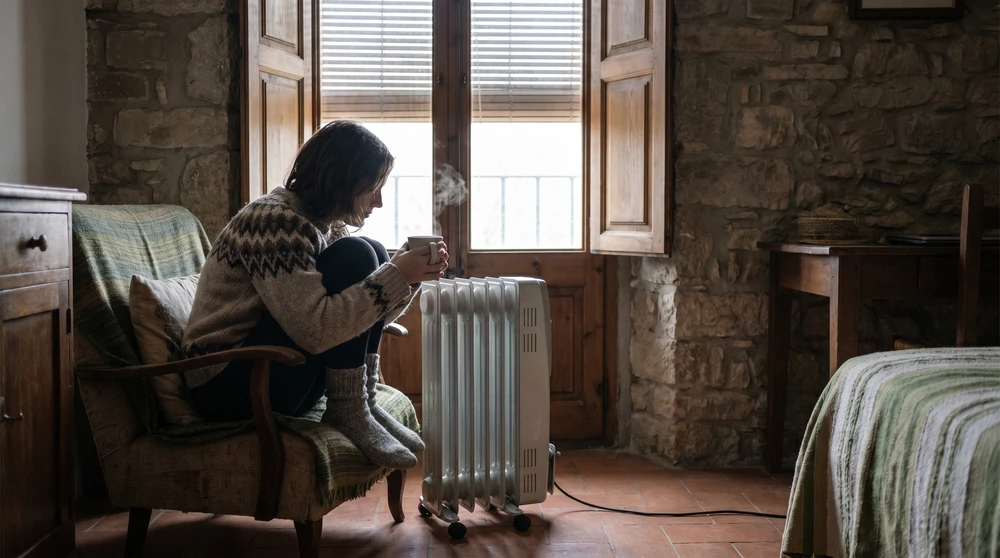
The No Central Heating Trap
Traditional Maltese architecture relies heavily on thick limestone walls, specifically designed to keep interiors cool during the scorching summer months. That same feature turns vintage apartments and boutique hotel rooms into iceboxes from December to February. Most accommodations rely entirely on standalone AC units for heating, and these dry out the air quickly and take hours to warm a high-ceiling stone room.
Pack thick socks and long-sleeved sleepwear for the evenings. When you compare options, it is worth checking how each property heats its rooms; deciding where to base yourself across the islands comes down to which towns stay liveliest once the summer crowds leave.
Packing List for Mediterranean Winters
The winter sun packs a surprising punch, yet sudden coastal winds can drop your body temperature in seconds. Smart layering acts as your primary defense.
- Wind-proof rain jacket: essential for coastal walks, since umbrellas are useless against sudden island gusts
- Sturdy walking boots: the weathered limestone pavements in Valletta and Mdina get dangerously slippery when wet
- High-SPF sunscreen: the UV index stays relevant on clear January afternoons
Getting Around: Winter Transport Schedules
Public Buses and the Tallinja App
Public transport functions very differently outside the peak summer season. Bus frequencies on popular tourist routes can drop from every 15 minutes to roughly once an hour. Missing a connection in a rural village like Qrendi can mean a long, cold wait at an exposed bus stop, so download the Tallinja app the moment you land to track buses via live GPS.
On the bright side, the winter single fare drops to €1.50 (the lower rate runs from October to mid-June), and a Tallinja card brings it down further. If you plan to rely on buses through winter, getting around Malta by public transport lays out the routes, ticket types, and fare tiers.
Gozo Channel Ferry: Winter Frequency and Storm Delays
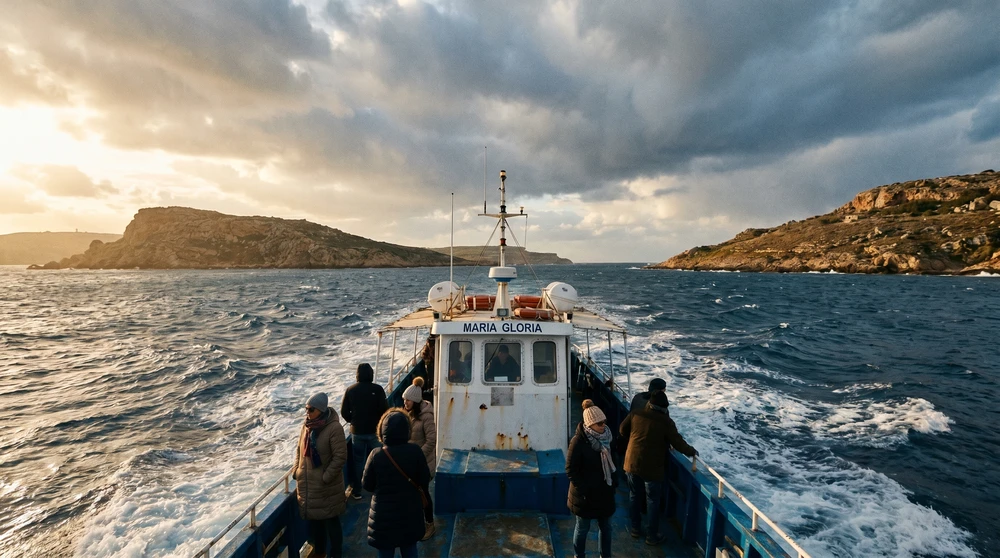
Visiting the sister island of Gozo stays very accessible. Ferries run from the Ċirkewwa terminal at Malta's northern tip every 30 to 45 minutes, and the crossing to Mġarr takes about 25 minutes. A foot passenger return costs €4.65, paid on the Gozo side.
Winter introduces the Gregale, a strong northeastern wind known to disrupt maritime schedules. Always check the Gozo Channel Line's official channels for real-time operational updates before driving all the way up to the northern tip. If a day across the water appeals, our Gozo day trip itinerary shows how to make the most of the short ferry hop.
Things to Do in Malta in Winter (Sunny Days)
Explore Valletta's Architecture Without the Heat
Walking through Valletta in July means constant water breaks and aggressive shade-seeking. Winter turns the tiny capital into a highly accessible open-air museum. The pale sandstone buildings glow golden against the low winter sun, offering ideal light for photography.
Enter through the imposing City Gate and head straight to the Upper Barrakka Gardens for unobstructed views of the Grand Harbour without fighting through crowds of cruise-ship passengers.
Hike the Victoria Lines and Sanap Cliffs
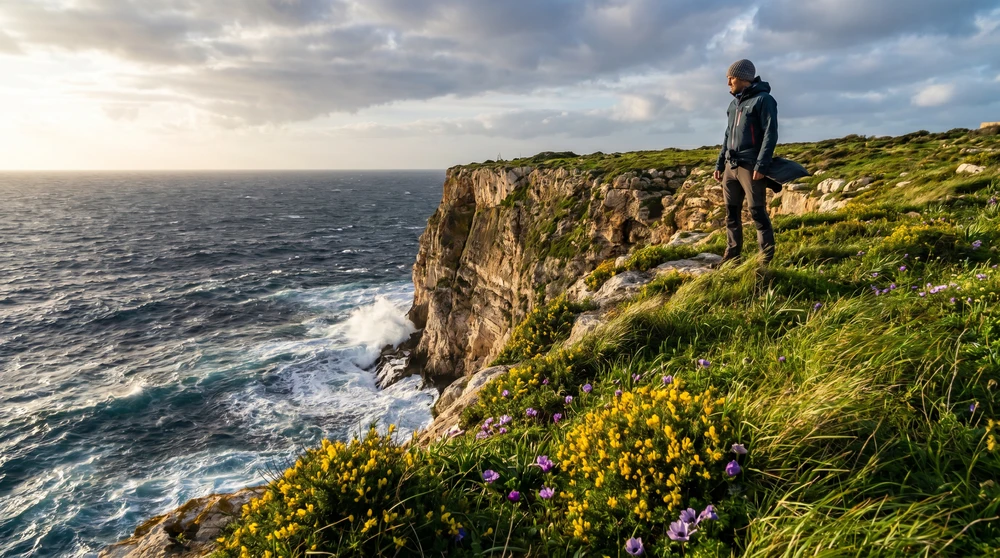
Summer heat leaves Malta's hiking trails barren and exhausting. Winter rains bring the rocky landscape back to life, covering the islands in lush green grass and wildflowers. Tackle the Victoria Lines, a dramatic 12-kilometer fortification wall stretching across the island's natural fault line.
Over on Gozo, the Sanap Cliffs provide sheer drop-offs and intense ocean swells, and the turbulent winter waters make the coastal views genuinely dramatic.
Visit Mdina and the Megalithic Temples
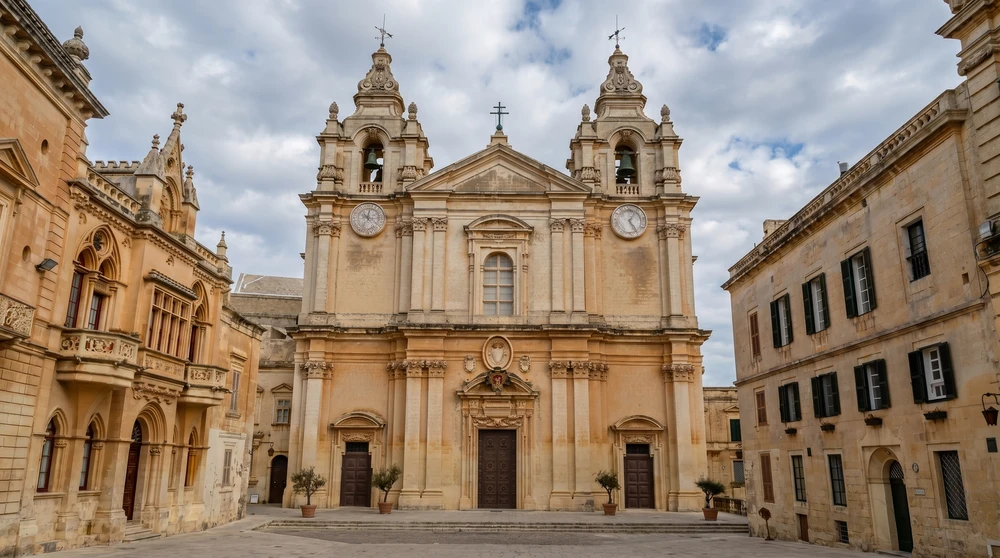
Mdina, the ancient fortified capital, feels truly medieval when the narrow cobbled streets sit empty. The Cathedral Museum and the National Museum of Natural History operate without the exhausting summer queues.
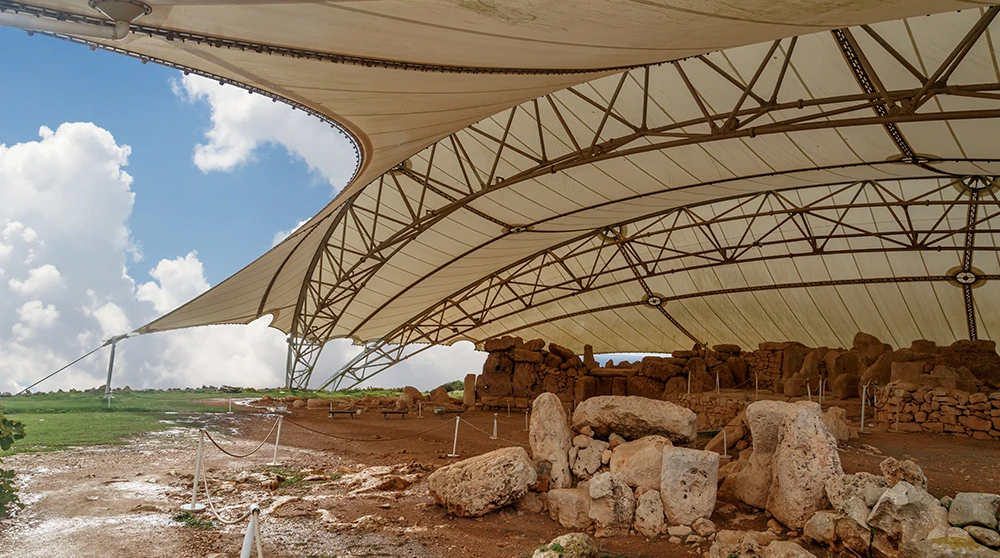
For ancient history, head south to the Ħaġar Qim and Mnajdra temples. These 5,000-year-old megalithic structures stand on a highly exposed coastal ridge, and exploring them in January lets you absorb their scale without suffering heatstroke.
Indoor Activities for Stormy or Rainy Days
Marvel at St. John's Co-Cathedral
When heavy rain starts, head indoors to one of the most intensely ornate Baroque interiors in Europe. St. John's Co-Cathedral in Valletta houses Caravaggio's massive masterpiece, The Beheading of Saint John the Baptist. Adult admission is €15, and winter foot traffic drops sharply, so you finally get the physical space to stand directly in front of the painting and study the brushstrokes without a tour guide rushing you along.
Discover the National War Museum at Fort St. Elmo
Positioned at the very tip of the Sciberras Peninsula, Fort St. Elmo holds Malta's extensive military history, and adult entry runs €10. The museum covers everything from Bronze Age skirmishes to the heavy aerial bombardments of WWII, and inside sits the actual George Cross, awarded to the entire Maltese population for their wartime resilience.
Budget at least two hours for the exhibits, since the thick fortress walls offer a perfect refuge from coastal squalls. If you plan to visit several state-run sites, the Heritage Malta Multisite Pass at €50 covers more than 20 attractions over 30 days and can pay for itself quickly.
Spa Days and Wellness in Sliema
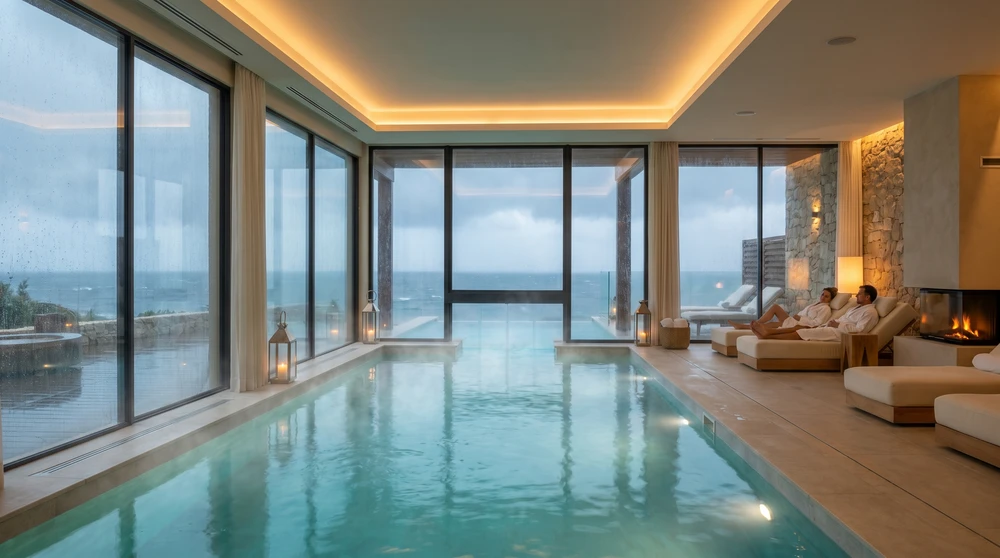
A dreary, rain-soaked day is the perfect excuse to use Malta's excellent wellness facilities. Coastal areas like Sliema and St. Julian's host numerous high-end hotels with extensive spa setups. Book a day pass to access heated indoor pools, saunas, and salt rooms while the Mediterranean storm rages outside the glass.
Maltese Winter Comfort Food to Try
Pastizzi and Rabbit Stew (Fenek)
Cold wind justifies heavy, comforting Mediterranean calories, and you simply cannot leave the island without eating pastizzi. These flaky, diamond-shaped pastries come stuffed with piping hot ricotta cheese or mushy peas, costing around 50 cents at any local corner bakery.
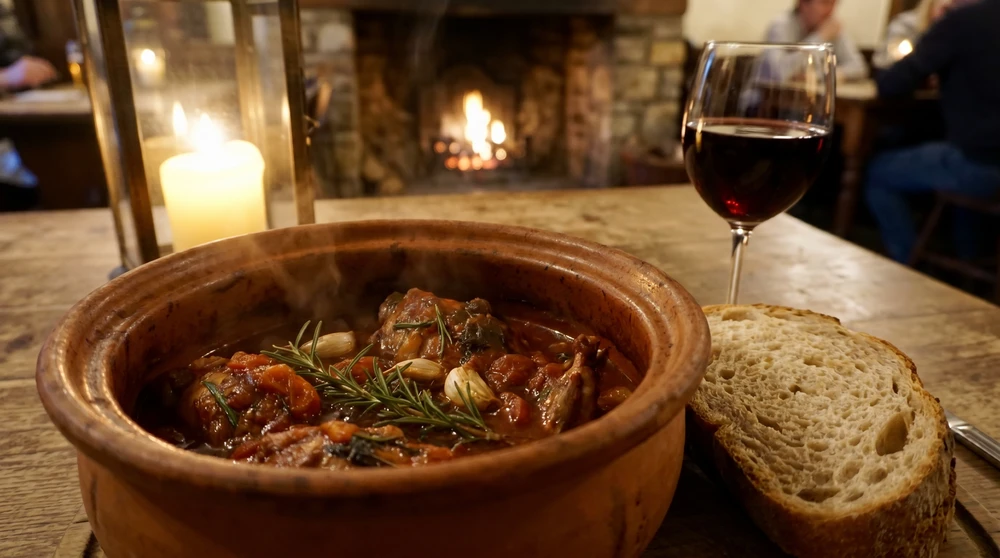
For a proper sit-down dinner, order traditional Stuffat tal-Fenek (rabbit stew). Slow-cooked in a rich garlic, red wine, and tomato sauce, it warms your core instantly after a long day of outdoor exploration.