Booking a resort in the Maldives without checking the seaplane transfer schedule can easily leave you stranded in Malé for your first night. Coordinating your international arrival with the local island logistics is the only way to ensure your expensive escape actually begins on day one.
- Visa: Free 30-day visa on arrival for all nationalities.
- Currency: US Dollars (USD) are the standard at resorts; Maldivian Rufiyaa (MVR) is only needed for local inhabited islands.
- Power Outlets: Type G (UK standard), 230V. Bring a universal adapter.
- Dry Season: November to April brings peak prices and the best underwater visibility.
- Green Tax: A non-negotiable environmental fee applies per person, per night, regardless of your accommodation type.
What to Know Before You Land in the Maldives
Seaplane vs. Speedboat: Choosing the Right Atoll
Speedboats operate 24/7 out of Velana International Airport (MLE). Trans Maldivian Airways seaplanes, however, strictly fly during daylight hours, with the last Malé-bound departures usually ceasing around 3:30 PM. If your international flight lands after roughly 2:00 PM, booking a resort in the outer atolls means you will likely have to pay for a transit hotel in Malé or Hulhumalé and wait until the next morning.
Choosing a resort in the North or South Malé Atoll guarantees a quick, same-day speedboat transfer directly to your villa. First-timers who fly home on a tight schedule should also avoid booking an international departure within six hours of a seaplane return, because daylight weather delays are common and missing a long-haul flight is expensive.
The Hidden Costs: Green Tax and Transfer Fees
Resort prices on booking platforms often look manageable until the final checkout page. Seaplane transfers are rarely included in the room rate and frequently add several hundred dollars round trip per person, while speedboat transfers within the inner atolls are far more forgiving.
A common first-timer mistake is chasing a cheap room in a far atoll only to lose the savings to an expensive seaplane, so a slightly pricier resort with a short speedboat hop often wins on total cost.
Always factor in the daily Green Tax and the standard 10% service charge automatically added to every spa treatment, scuba dive, and extra cocktail.
Split-Stay Strategy: Local Island Plus Resort
The smartest 7-day structure for first-timers is a split stay. Spend the first stretch on a local island like **Maafushi, Thulusdhoo, or Dhigurah**, where guesthouses cost a fraction of a private resort, then move to a resort for the overwater-villa finale.
The public ferry from Malé to Maafushi runs most days for a couple of dollars and takes about 90 minutes, but it does not operate on Fridays, so build your transfer day around that gap. Scheduled speedboats cover the same route in roughly 45 minutes and run daily, including Fridays, for a modest per-person fare.
If you would rather wake up over the water for the entire week, Compare resort and guesthouse stays before you lock in transfers, since the room you pick dictates whether you need a speedboat or a seaplane.
The Perfect 7-Day Maldives Resort Itinerary for First-Timers
Day 1: Landing in Malé and Resort Transfer Logistics
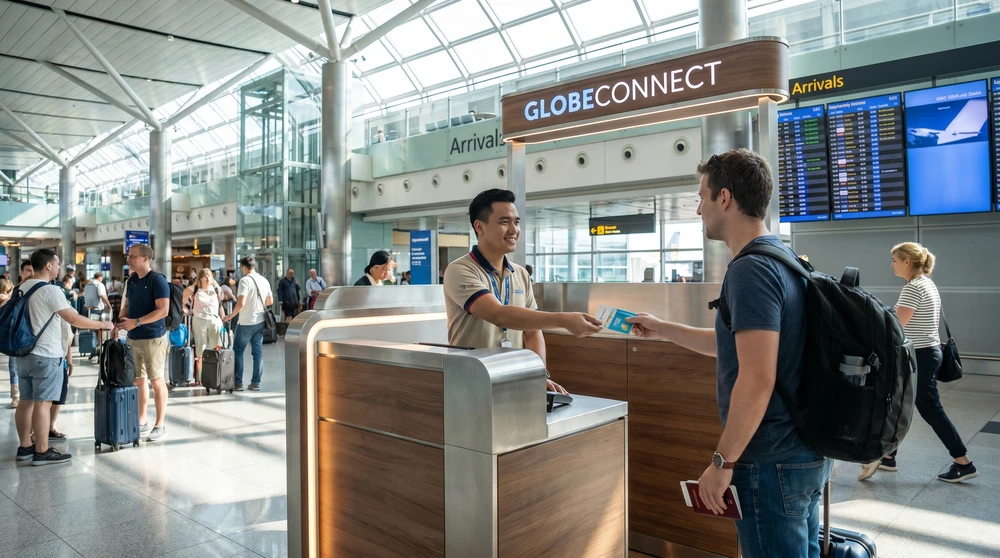
Clear immigration, grab your luggage, and head directly to your specific resort's kiosk outside the arrivals hall. A representative handles your bags and guides you either to the marina for a speedboat or to an air-conditioned shuttle bus heading to the seaplane terminal. Once you arrive at your island, skip any strenuous activities. Unpack, hydrate, and walk the perimeter of the island to understand the layout.
Day 2: Acclimatization and House Reef Snorkeling
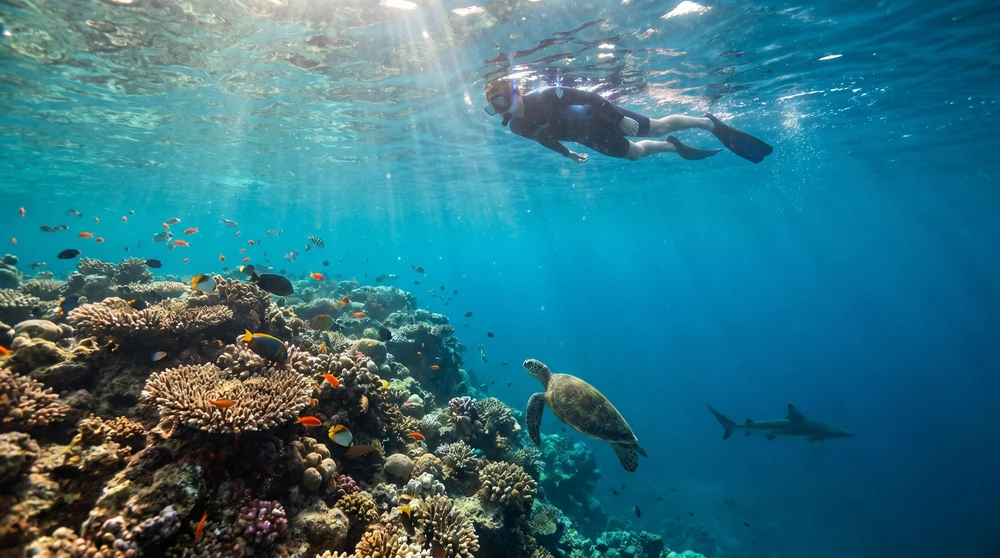
Pick up your complimentary fins and mask from the island's dive center right after breakfast. You do not need to pay for an expensive boat tour to see marine life. Walk straight from your overwater villa or the main beach into the lagoon. The drop-off point at the edge of the house reef is where sea turtles and blacktip reef sharks actively hunt.
Day 3: Exploring Beyond the Villa (Sandbank Excursions)
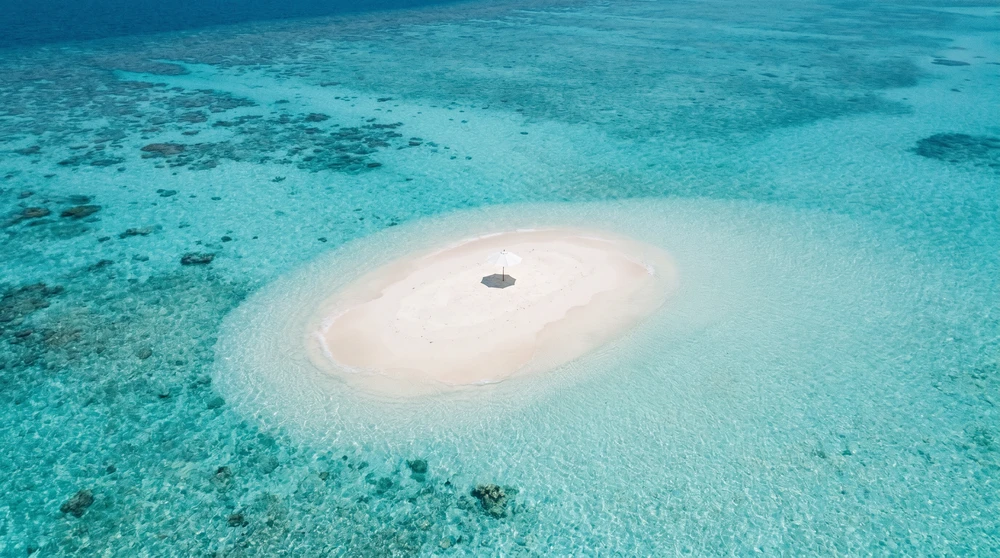
Book a morning sandbank drop-off. A traditional wooden dhoni takes you to an isolated strip of pure white sand surrounded entirely by deep blue water. You get a few hours of total isolation with a packed picnic lunch and snorkeling gear.
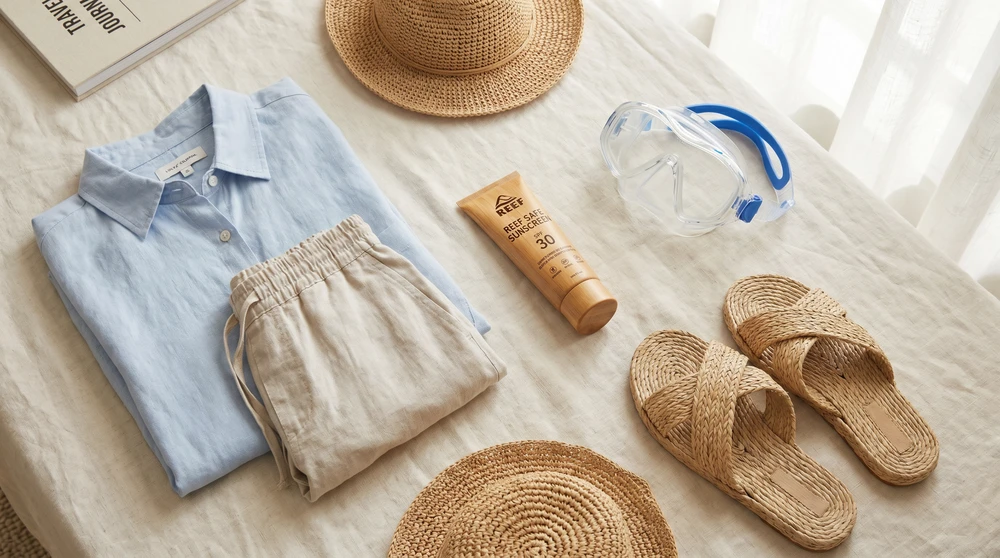
Bring a high-SPF reef-safe sunscreen and a rash guard, as these sandbanks offer zero natural shade. If your resort's in-house rate feels steep, you can Book a day excursion from a local operator and often pay considerably less for the same sandbank and snorkeling combination.
Day 4: Wellness, Spa, and Sunset Dolphin Cruises
The combination of equatorial sun and constant saltwater exposure takes a heavy toll on your skin by the fourth day.
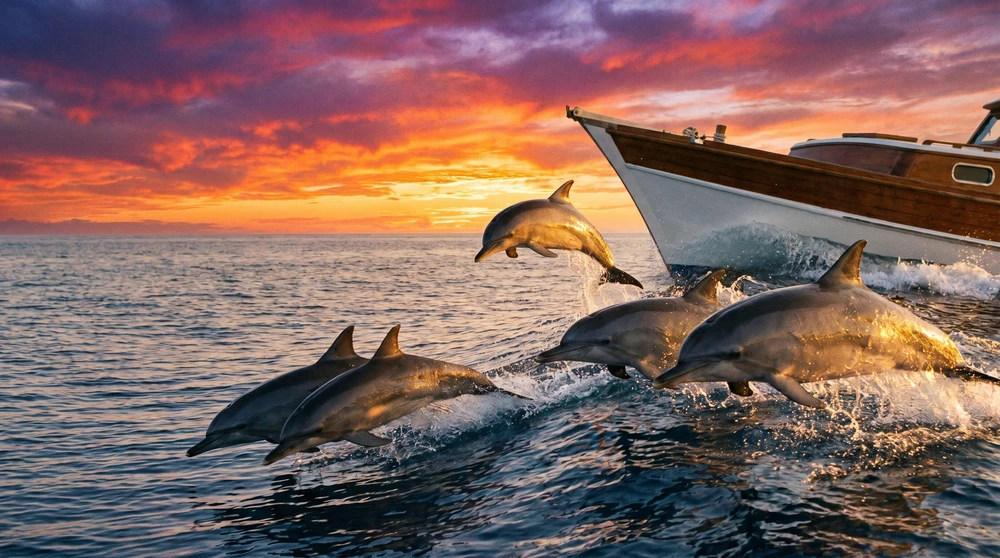
Book a deep tissue massage or an aloe vera wrap at the resort's spa during the peak afternoon heat. Around 5:00 PM, board a sunset cruise. The crew knows the exact channels where large pods of spinner dolphins gather to ride the bow waves as the sun drops below the horizon.
Day 5: Local Island Visit (Experiencing Maldivian Culture)
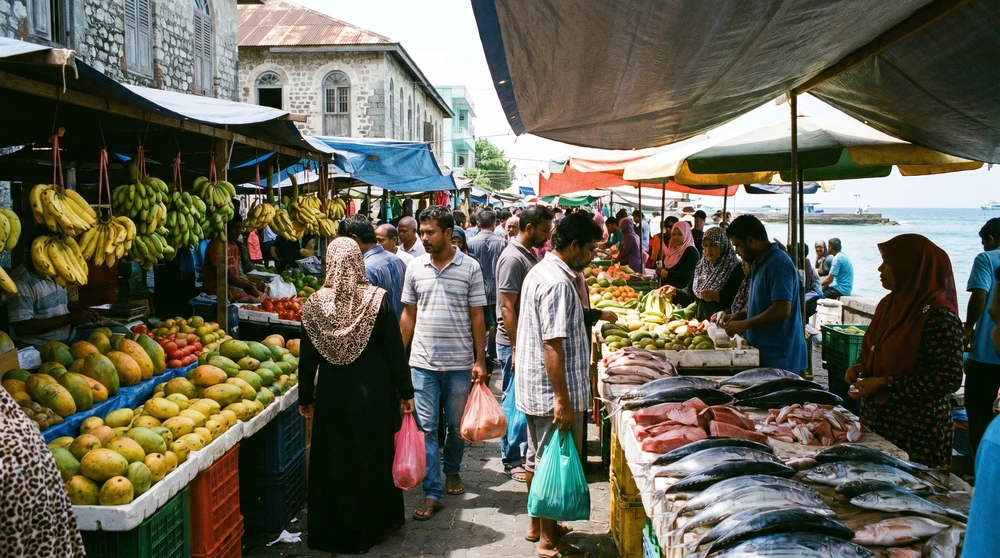
Resort islands are private luxury bubbles, but visiting a local island like Maafushi, Thulusdhoo, or Fulidhoo shows you the actual country. Walk through the narrow sandy streets, observe the coral stone houses, and try local snacks like hedhikaa (tuna-filled pastries) at a local café.
Keep in mind that local islands observe conservative dress codes, and alcohol is entirely banned outside of offshore safari boats. Plan swimwear only for the designated "bikini beach" zones.
Day 6: Scuba Diving or Guided Manta Ray Tours
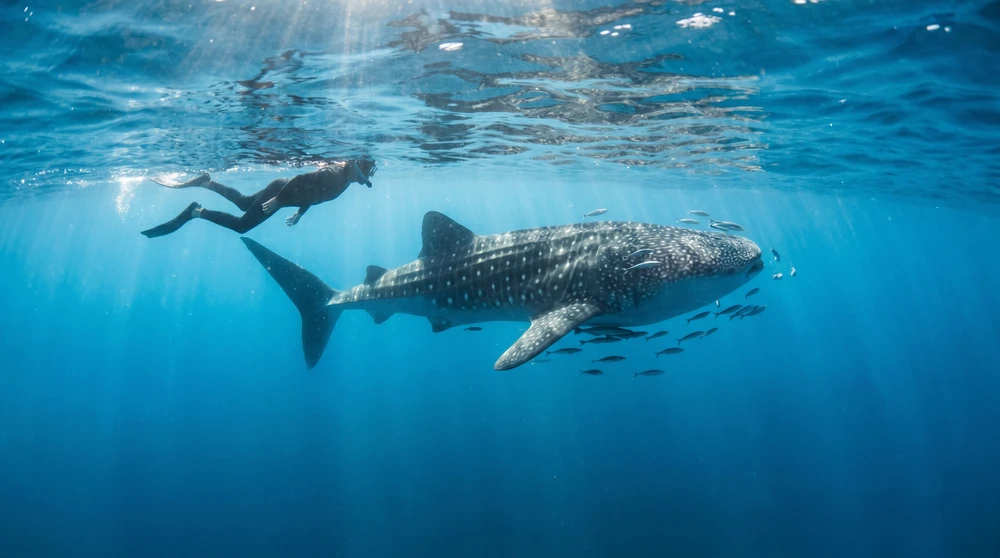
The Maldives features some of the best drift diving globally. If your resort is near the Ari Atoll or Baa Atoll (especially Hanifaru Bay), book a guided boat tour for manta ray or whale shark encounters; manta feeding in Hanifaru peaks roughly June to October, while South Ari whale sharks appear year-round. If you do not have a PADI certification, every dive center offers a Discover Scuba Diving (DSD) program, allowing you to dive up to 12 meters with an instructor.
Day 7: Departure Preparation and Malé City Layover
Seaplane schedules are never fixed; the resort slips a departure letter under your door the night before your flight. You usually have to vacate your room by noon, but resorts allow you to use the pool, restaurants, and public showers until your transfer arrives.
If your flight home is late at night, drop your luggage at the airport storage facility and take the 10-minute ferry into Malé to see the Grand Friday Mosque and the local produce markets. For a quick cultural stop, the National Museum sits a few minutes away behind Sultan Park, packing pre-Islamic Buddhist coral carvings, sultan-era thrones and royal dress, and whale skeletons into a compact two floors you can cover in about an hour. Entry is USD 10 by card only, no cash accepted, and it opens Sunday to Thursday and closes on Friday and Saturday, so time your layover around those days.
Decoding Meal Plans: Half-Board, Full-Board, or All-Inclusive?
A pricey room quickly turns into a far bigger financial drain when a basic burger and a single cocktail carry resort markups. Half-Board covers your breakfast and dinner, leaving you responsible for lunch and all beverages.
Full-Board covers three meals but almost never includes alcohol. If you plan to consume more than three alcoholic drinks a day, All-Inclusive is the only way to protect your budget from massive checkout shocks.
Maldives Packing List (Mind the Seaplane Weight Limits)
Domestic flights strictly enforce a 20 kg checked baggage and 5 kg hand luggage limit per passenger. Any excess weight costs a per-kilo fee, and airlines frequently leave heavy bags behind for the next available flight if the plane is at capacity.
Pack light cotton or linen clothing, a high-quality dry bag for boat excursions, and polarized sunglasses to cut through the glare of the water. Leave the high heels and dress shoes at home; the pathways on most resort islands are made entirely of soft sand.