Understanding the Knights of Malta means navigating massive fortifications spread across the island without exhausting yourself in the intense Mediterranean heat. Their 250-year architectural footprint is huge, so a focused, efficient plan matters more than trying to see everything. With a little timing strategy, you can bypass the heavy morning cruise ship crowds and still cover the essential sites in a single day.
This quick reference covers the headline stops, current entry prices, and the smartest way to move between Valletta and the harbour towns.
- Top historical sites: St John's Co-Cathedral, Fort St Elmo, and the Three Cities (Birgu, Senglea, Cospicua)
- St John's Co-Cathedral entry: €15 (adults)
- Fort St Elmo and War Museum entry: €10 (adults)
- Optimal visit time: arrive at major Valletta sites by 09:00 or after 14:30 to dodge the worst crowds
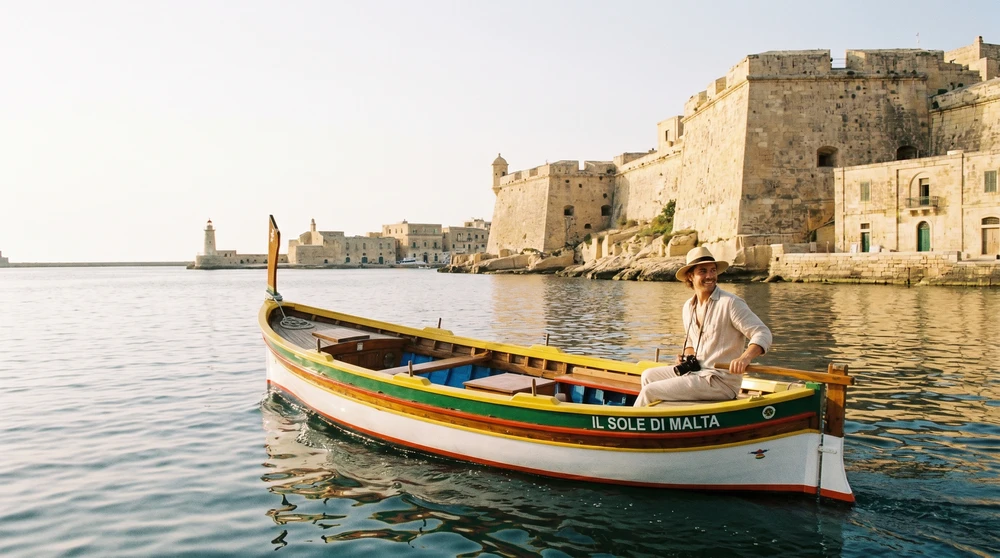
- Transport hack: take the traditional dgħajsa (wooden water taxi) for about €2 per person between Valletta and the Three Cities instead of the bus
The Origins: From Jerusalem to the Mediterranean
The story begins long before the limestone walls of Valletta existed. Merchants from Amalfi established a hospital in Jerusalem around 1048 to care for sick pilgrims. This charitable mission quickly evolved into a powerful military force known as the Knights Hospitaller.
Pope Paschal II formally recognized them as an autonomous Catholic order in 1113. They eventually transformed into elite warriors, tasked with defending Christian territories across the Holy Land.
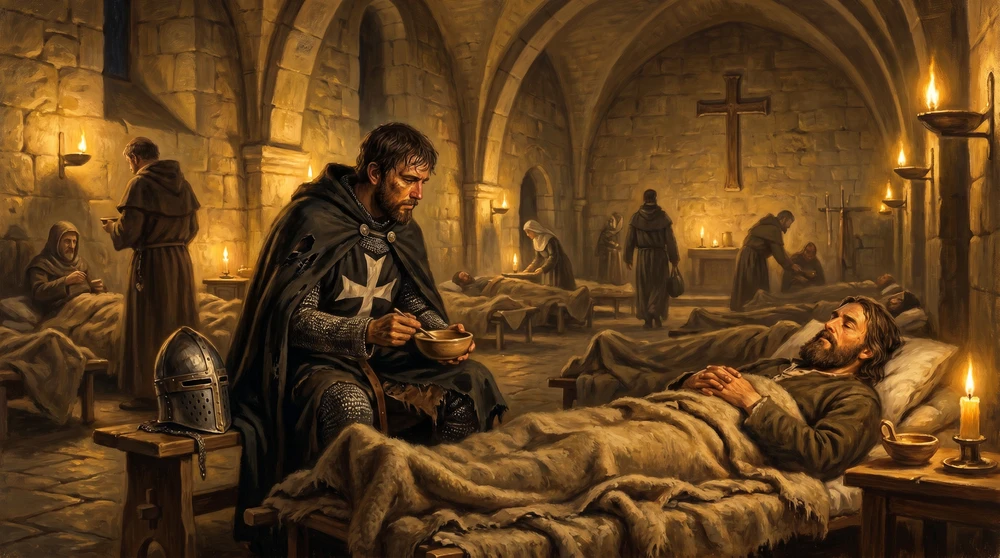
Displacement became a recurring theme for the order. After losing their strongholds in Jerusalem and later in Rhodes, they found themselves without a home base. In 1530, Holy Roman Emperor Charles V handed them the Maltese islands in exchange for a yearly tribute of a single live Maltese falcon. If you want to understand how this medieval timeline shaped the wider island, it pairs well with a wider look at the best time to visit Malta so you can plan around the heat.
The Great Siege of 1565
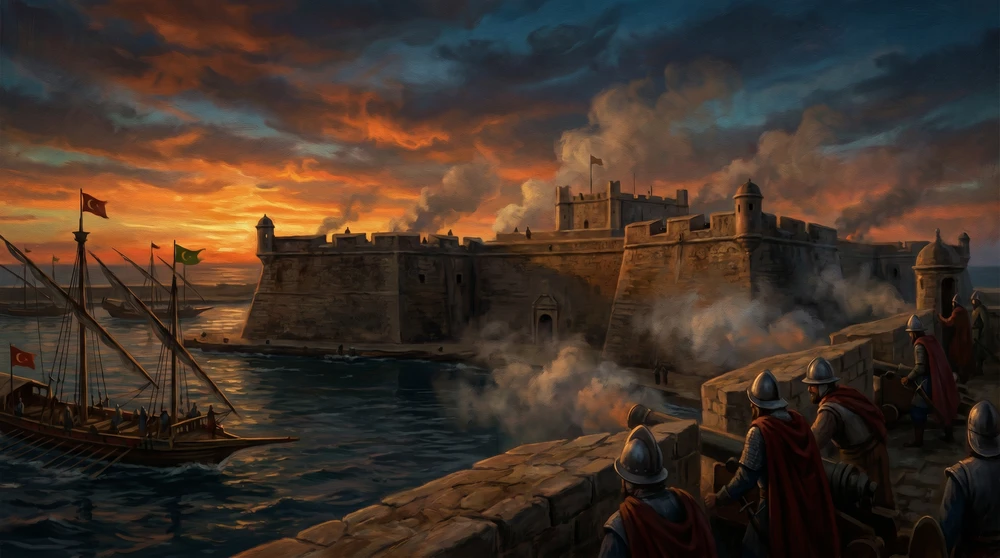
The order's defining moment came in the summer of 1565, when Grand Master Jean Parisot de Valette held the island against an Ottoman fleet of roughly 40,000 troops with a few hundred knights and several thousand local militia. The victory halted Ottoman expansion westward and brought the order the wealth and prestige it used to build a fortified capital from scratch. The full battle narrative, from the four-week fall of Fort St Elmo to the Spanish relief force, runs through our account of the Great Siege of Malta in 1565.
Top Knights of Malta Historical Sites to Visit
Prioritize your stops to truly grasp their historical impact without burning out. The three sites below sit close together and tell the full arc of the order's time on the island. If you are basing yourself nearby, Valletta and the harbour area suit history-focused trips better than the resort towns.
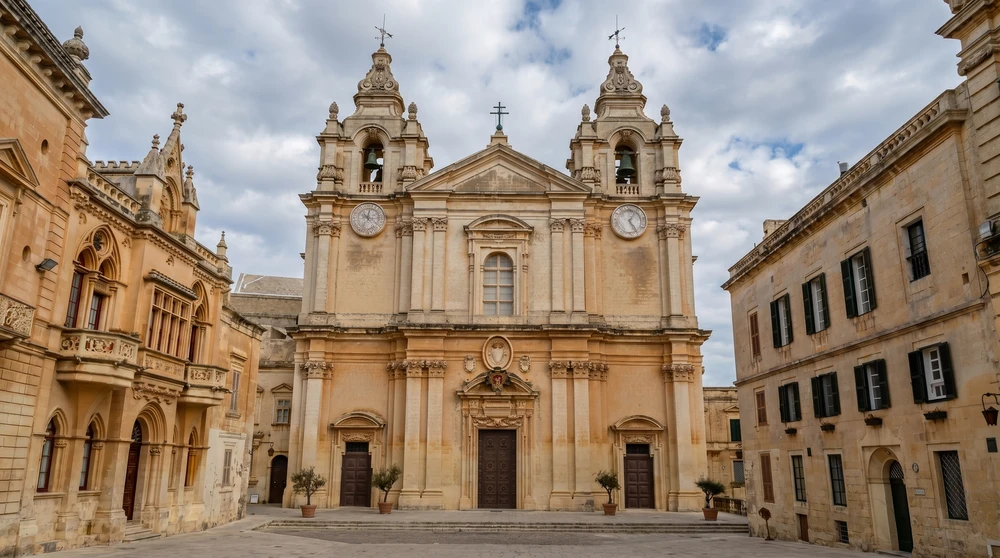
St John's Co-Cathedral (Valletta)
The austere, fortress-like exterior contrasts sharply with the dazzling Baroque interior. Grandmaster Raphael Cotoner commissioned Italian artist Mattia Preti to cover almost every inch in gold leaf and intricate murals. The floor is a carpet of inlaid marble tombs belonging to the most prominent knights.
The undeniable highlight is Caravaggio's masterpiece, The Beheading of St John the Baptist, housed in the oratory. It stands as the only painting the infamous artist ever signed.
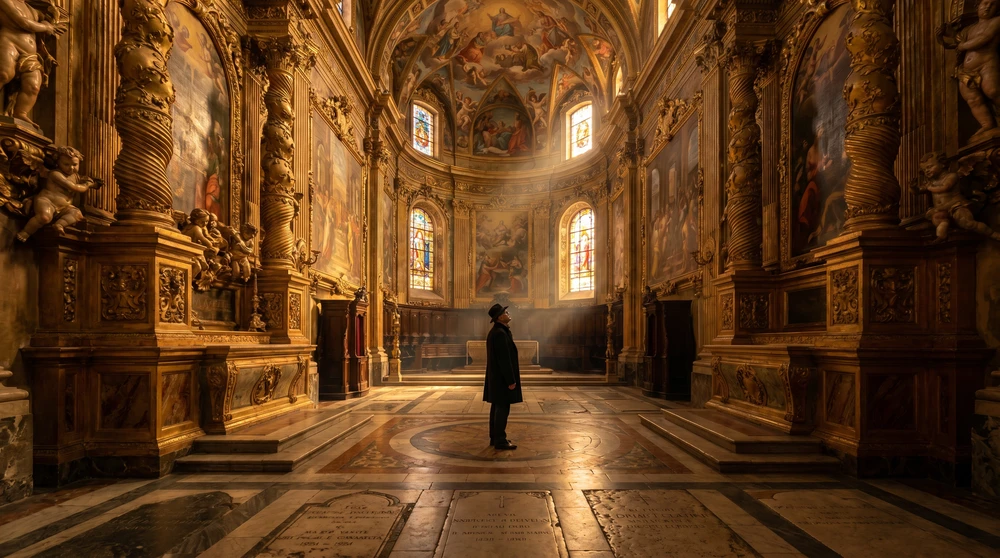
Adult admission is €15 and includes a handheld audio guide. The cathedral opens Monday to Saturday, roughly 09:00 to 16:45 with last entry around 16:00, and closes on Sundays and public holidays. Lines wrap around the building by mid-day, so booking online in advance can save you close to an hour in the sun.
Fort St Elmo & The National War Museum
Positioned at the very tip of the Sciberras Peninsula, this star-shaped fort guards the entrance to both harbours. The structure you see today includes later British additions, but the core geometry dates back to the 1565 siege.
Inside, the National War Museum displays original armor and cannonballs from the Ottoman assault. These physical artifacts give a stark sense of the brutal, close-quarters combat the knights endured. Walking the upper ramparts offers the most comprehensive view of the Grand Harbour. Adult entry is €10, and Heritage Malta members and pass holders enter free.
The Three Cities (Birgu, Senglea, Cospicua)
Before Valletta existed, the Knights established their first naval base in Birgu. The winding, narrow streets here offer a much quieter alternative to the bustling capital, and the whole area rewards slow wandering. A fuller itinerary across the harbour towns runs through the Three Cities of Malta, which reward slow wandering.
Fort St Angelo sits at the tip of Birgu and served as the primary military headquarters during the Great Siege. Standard adult entry is €10, while the upper section, leased to the Sovereign Military Order of Malta, is open only via a small daily guided tour at around €5 per adult. Taking a traditional wooden water taxi across the Grand Harbour from Valletta, a crossing of under ten minutes for roughly €2 per person, gives the most striking approach to these ancient walls. If you would rather stay on land, getting around Malta by public transport puts Birgu about 15 minutes away on the bus routes.
The Sovereign Military Order of Malta Today
The order lost control of the island when Napoleon invaded in 1798. Yet it did not fade into history alongside other medieval factions.
Today, the Sovereign Military Order of Malta (SMOM) operates globally out of Palazzo Malta in Rome. It represents a genuinely unusual entity in international law: a recognized sovereign nation without any actual territory.
The order maintains diplomatic relations with over 100 countries and issues its own stamps and currency. Its modern mission mirrors its 11th-century origins, focusing entirely on international humanitarian aid, medical care, and disaster relief.