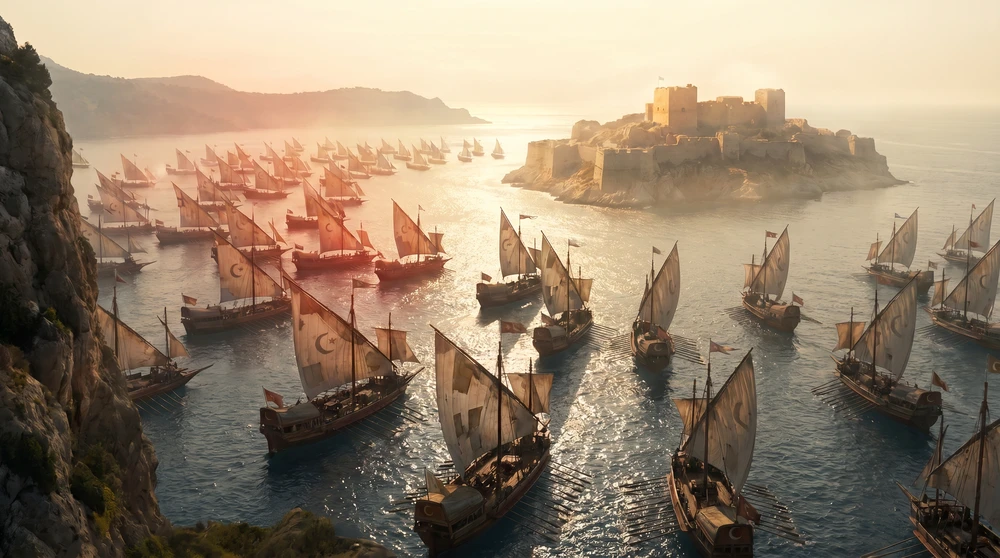
In the blistering summer of 1565, the fate of Western Europe hung on a tiny, sun-baked island defended by an impossibly outnumbered garrison. If Malta fell to Sultan Suleiman's armada of roughly 40,000 troops, the naval route to Sicily and Rome lay wide open.
The ensuing four-month bloodbath did not just shatter the myth of Ottoman invincibility. It fundamentally redrew the map of the Mediterranean, and the scars and fortresses it left behind are still the backbone of what visitors see in Valletta today.
- Dates: 18 May to early September 1565
- Defenders: around 8,000 in total (Knights Hospitaller, Spanish soldiers, mercenaries, and Maltese militia), led by Grand Master Jean Parisot de Valette
- Attackers: an Ottoman force of roughly 30,000 to 40,000 troops under Mustafa Pasha, Piali Pasha, and the corsair Dragut Reis
- Casualties: the Knights lost about a third of their number, and Malta lost roughly a third of its inhabitants
- Key sites to visit today: Fort St Elmo (Valletta), Birgu (Vittoriosa), and Fort St Angelo
If you are planning the trip around this history, it helps to first nail down the best season for sightseeing in Malta so you are not walking exposed bastions in the worst of the July heat.
What Triggered the 1565 Siege of Malta?
Suleiman the Magnificent had already conquered Rhodes, Budapest, and Baghdad, and Malta was the logical next target. Geographically, the island acted as a lock on the central Mediterranean.
Taking it meant securing a direct naval highway to Sicily, Italy, and ultimately the shores of Christian Europe. For the Ottoman Empire, capturing Malta was treated as a strategic necessity to establish naval supremacy and expand westward.
The Core Defenders: The Knights Hospitaller
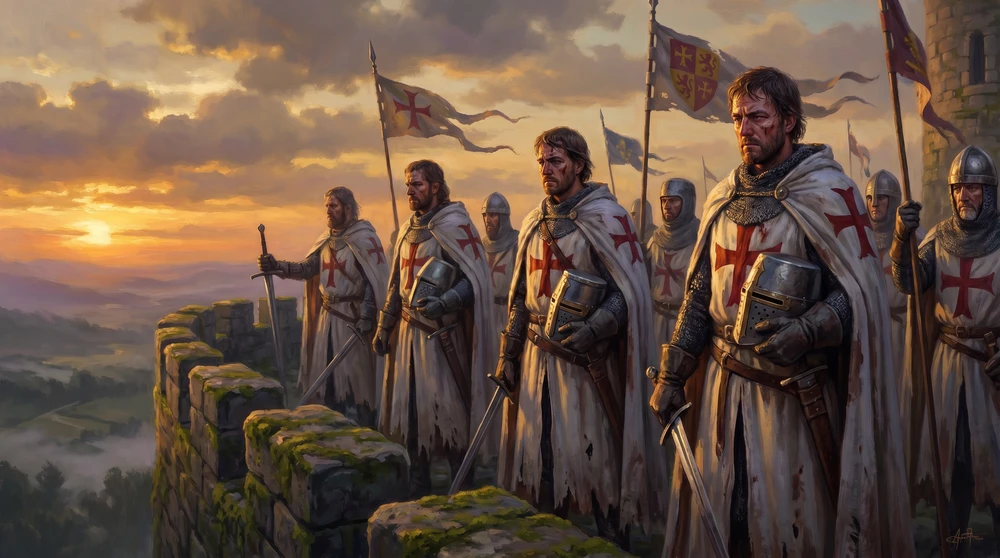
By 1565 Malta was the final sanctuary of the Knights of St John, the multinational military order Charles V had granted the islands after the Ottomans expelled them from Rhodes in 1522. Defeat here meant the Order's complete extinction, which is why surrender was never an option and the defense was absolute. For the full story of who the Knights of Malta were and the sites that trace their 250 years on the island, see the dedicated history.
Key Battles That Decided Europe's Fate
The Bloodbath at Fort St Elmo
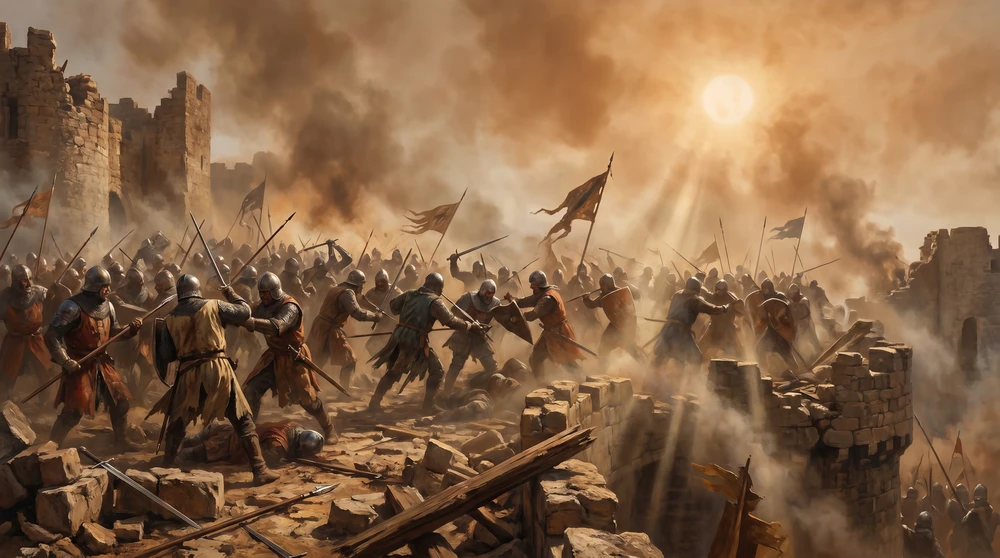
Ottoman military doctrine assumed that Fort St Elmo, a small star-shaped fort guarding the entrance to the Grand Harbour, would fall within days. Instead, the doomed defenders held the line for nearly four weeks, with the fort finally captured on 23 June.
That delay was the turning point of the entire campaign. The relentless bombardment reduced the fort to rubble, but every extra day bought invaluable time for the main Christian strongholds to reinforce their walls. The siege of St Elmo also cost the Ottoman forces thousands of elite Janissaries, along with their most brilliant naval commander, Dragut Reis, who died from shrapnel wounds before the fort fell.
Birgu and Senglea: The Final Stand
After St Elmo collapsed, the Ottoman war machine turned its full fury on Birgu and Senglea. The bombardment was so intense that contemporary accounts describe the ground vibrating miles away.
The defenders fought on breached walls under the blazing Mediterranean sun, repelling wave after wave of coordinated assaults. A sea-level battery at the base of Fort St Angelo proved decisive during the amphibious assault on Senglea in mid-July, sinking nearly the entire wave of attacking boats in just two salvos.
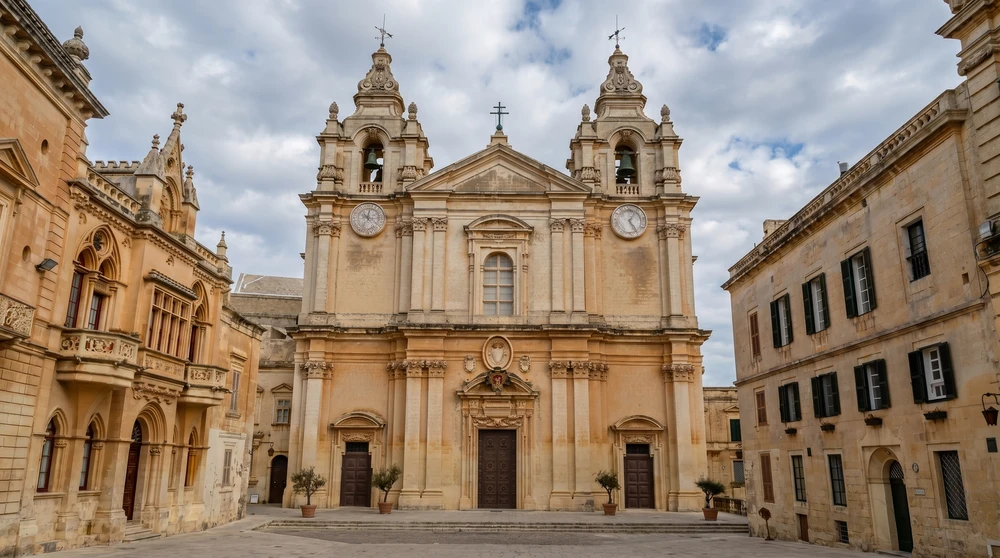
During another massive Ottoman offensive in early August, a small cavalry force from the old capital of Mdina launched a surprise rear attack on the Ottoman field hospital. Panic swept through the Turkish ranks. Believing a large European relief force had arrived, the frontline attackers retreated and squandered their best chance at victory.
Why Did the Ottoman Empire Fail?
The siege did not end with a single dramatic counterattack. The Ottoman campaign ground to a halt because of cumulative strategic failures and logistical nightmares.
- Fatal miscalculations: spending nearly a month on Fort St Elmo decimated their elite troops and exhausted heavy munitions early in the campaign.
- Command rivalries: deep tactical divisions between the land commander Mustafa Pasha and the naval commander Piali Pasha fractured Ottoman strategy.
- Disease and logistics: searing summer heat, contaminated water sources, and a severe outbreak of dysentery ravaged the Ottoman camps.
- The Gran Soccorso: the arrival of a Spanish relief force in early September proved the final blow, forcing the exhausted Ottoman troops to evacuate before winter storms could trap their fleet.
Tracing the 1565 Siege in Modern Malta
History here is not locked behind glass cases. Malta offers one of the most intact 16th-century siege landscapes in the world, and navigating these sites well takes a plan to dodge the brutal midday heat and the cruise ship crowds. Crossing the harbour by ferry is also one of the most enjoyable things to do around Valletta.
Fort St Elmo and the National War Museum
Fort St Elmo still guards the tip of the Valletta peninsula, and the massive limestone walls you see today were rebuilt by the Knights immediately after the 1565 devastation. The interior houses the National War Museum, which bridges the 1565 siege with Malta's WWII ordeal under a single roof.
The standard adult ticket is €10, with reduced rates for seniors, students, and children, and the site is run by Heritage Malta, so a multi-site Heritage Malta pass can pay off if you plan to visit several forts and museums. The open courtyards offer almost no shade, so arrive close to the morning opening or push your visit to the late afternoon. Check current hours on the official Heritage Malta site before you go, since opening times shift between the summer and winter seasons.
The Bastions of Valletta and Fort St Angelo
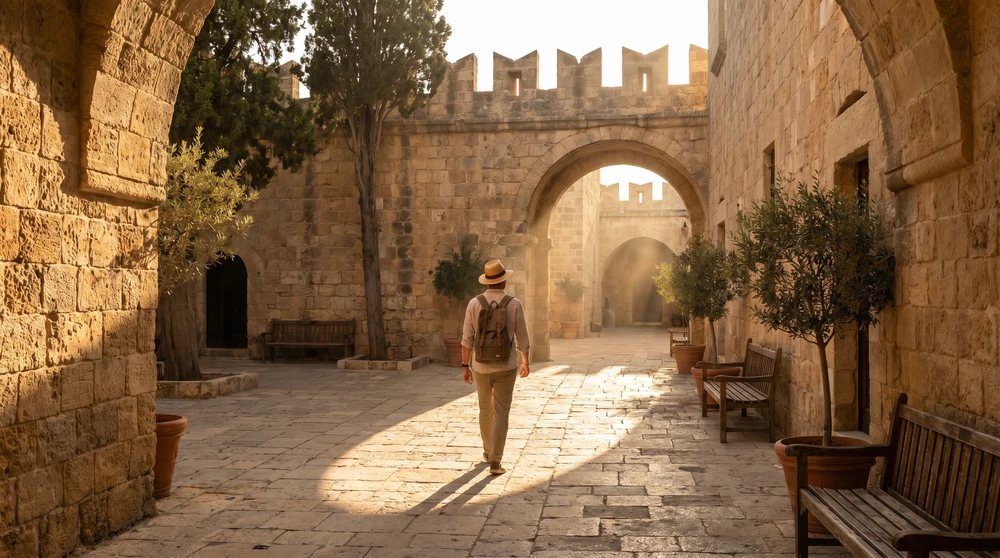
Grand Master Jean de Valette realized the old defenses were inadequate. Following the siege, he commissioned the heavily fortified city of Valletta on the Sciberras peninsula, the very ground the Ottomans had used to position their artillery. Walking the perimeter bastions at sunset gives you a clear tactical view across the Grand Harbour.
Across the water in Birgu stands Fort St Angelo, the fortified command center during the siege. A traditional dghajsa water taxi from the Valletta waterfront over to Birgu costs around €2 per person, while the scheduled Grand Harbour ferry runs at a similar price. Either way, the short crossing offers the exact waterline perspective the Ottoman fleet faced, and it pairs naturally with a wander through the historic Three Cities across the harbour.
If you would rather explore the wider siege landscape at your own pace, having your own rental car in Malta makes reaching Mdina and the inland sites far easier than juggling bus timetables.