When you plan a trip to the Maldives, your mind naturally drifts to overwater bungalows, pristine turquoise water, and absolute seclusion. But as the archipelago has diversified its tourism over the last decade, moving from exclusive private resorts to thriving local-island guesthouses, the safety picture has shifted with it.
Here is the honest answer: the Maldives is exceptionally safe, but your safety profile changes dramatically depending on whether you step onto a private resort jetty or navigate the streets of the capital, Malé. This guide skips the brochure gloss and looks at the legal, logistical, and environmental realities of traveling the Maldives as a solo female, a family, or an independent local-island explorer.
At-a-Glance Safety Directory
Before the spatial realities, keep these verified numbers and reference points in your itinerary:
- Emergency general services: 112 / 119
- Tourist police liaison: (+960) 979-0070
- Coast Guard (maritime emergencies): 191
- Main public hospital (tertiary care): Indira Gandhi Memorial Hospital (IGMH), Malé
Resorts vs. Local Islands: The Dual Reality of Maldives Safety
To understand safety here, you have to understand the country's unique structure. The Maldives operates on a dual-geography model: uninhabited resort islands and inhabited local islands, and the rules that govern your behavior are completely different on each.
Private Resort Islands
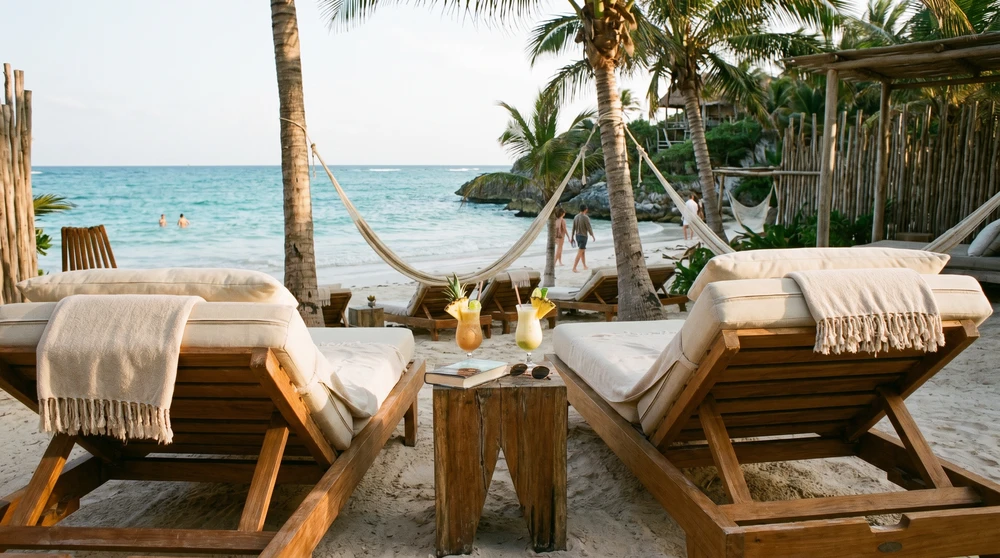
Private resorts sit inside a highly controlled corporate ecosystem. Each island is a self-contained property run by an international hospitality brand, access is restricted to registered guests and vetted staff, and violent crime is virtually non-existent. For solo females and families, these islands let you completely lower your guard. Sharia-based regulations do not apply within resort boundaries, so alcohol is served legally and standard Western swimwear is fine anywhere on the property.
Inhabited Local Islands
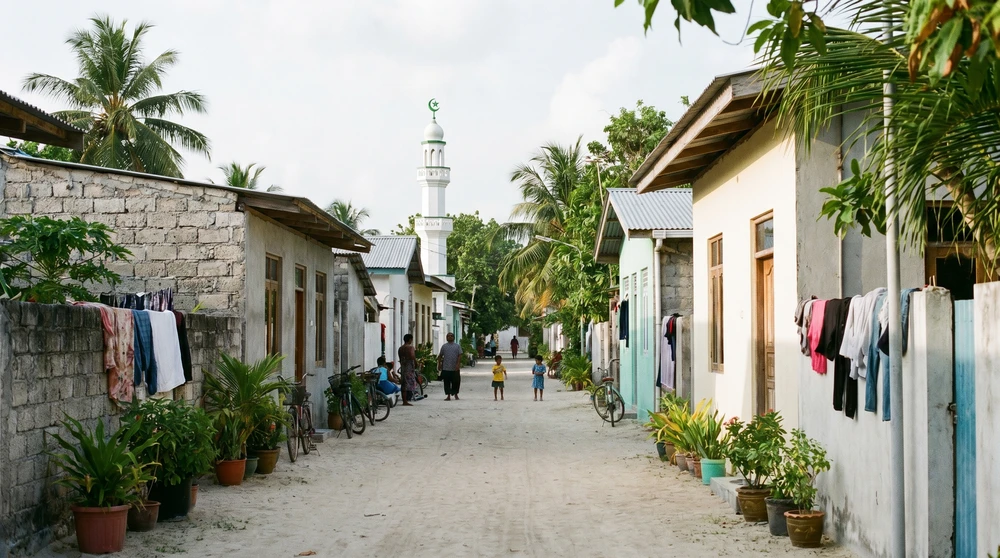
When the government allowed local islands such as Maafushi, Thoddoo, Dhigurah, and Rasdhoo to open guesthouses, it opened the Maldives to budget-conscious and experience-driven travelers. On these islands you are living alongside a deeply conservative Muslim community.
Safety here is not about physical danger or crime, because violent crime against tourists is incredibly rare. Instead, your comfort on local islands is tied directly to how well you understand and respect local socio-religious law. If you are weighing how to protect yourself against the one realistic financial risk, a remote medical emergency, it is worth taking a moment to Compare travel insurance before you commit to a remote-island itinerary.
Solo Female Travel in the Maldives
For solo female travelers, the Maldives is statistically one of the safest destinations in Asia when it comes to physical safety and theft. Maldivian culture is fundamentally welcoming and respectful. Navigating it smoothly comes down to understanding two distinct settings: Malé and the outer atolls.
Modesty and Dress Code on Local Islands
Because local islands operate under Islamic law, public modesty is a legal expectation, not just a courtesy. You are perfectly safe walking alone at night, but dressing inappropriately can draw unwanted attention or a polite intervention from local authorities.
- The bikini-beach rule: every tourism-developed local island designates specific zones, often called bikini beaches. Inside these fenced or screened areas you can wear a bikini and standard swimwear.
- Public and village spaces: outside the designated bikini beach, whether you are walking through the village, eating at a local café, or buying fruit, you must cover your shoulders and knees. Avoid transparent fabrics and deeply plunging necklines. A lightweight sarong and an oversized linen shirt are essential packing items.
- Excursions: if you take a public ferry or a boat trip launching from a local harbor, stay covered until the boat clears the immediate vicinity of the island community.
Navigating Malé and Public Ferries
The capital, Malé, is a densely packed metropolis of concrete and scooters. It is the one place in the Maldives where solo female travelers may experience minor street harassment, catcalling, or intense staring.
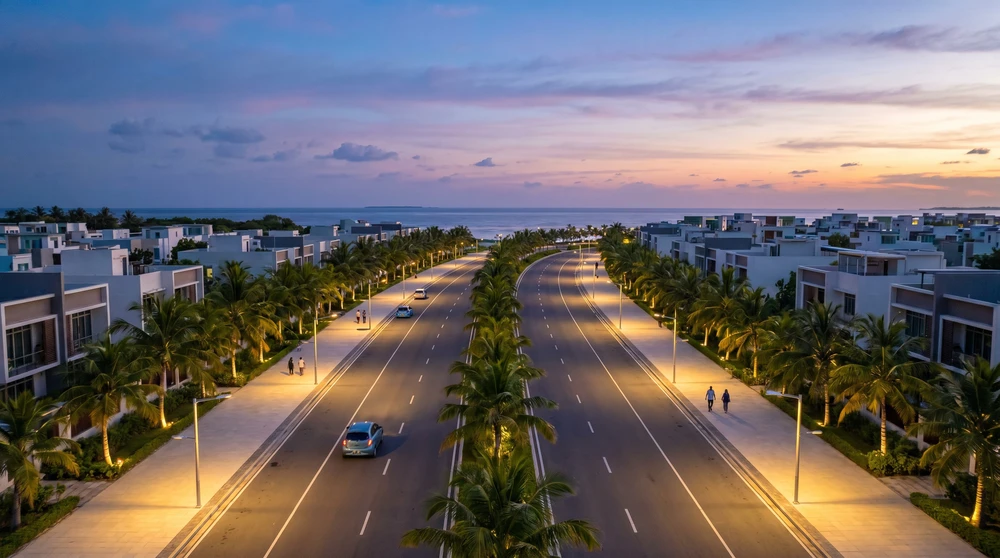
Political demonstrations do occasionally happen in Malé, mainly around Republic Square and major thoroughfares like Majeedhee Magu. Tourists are never targets, but crowds can escalate quickly. If your flight lands late, skip an overnight stay in downtown Malé. Choose the adjacent island of Hulhumalé instead, which is connected by bridge, has wide open avenues, and is far quieter and safer for a solo evening walk.
Health, Medical Facilities, and Water Safety
The most significant and most under-reported safety risks in the Maldives are not criminal. They are environmental and medical.
Hospitals in Malé vs. Remote Island Clinics
The Maldives stretches more than 800 kilometers north to south, with roughly 1,200 islands grouped into 26 atolls. If you face a severe medical emergency on a remote local island or a distant resort, local infrastructure is limited to basic clinics with minimal diagnostic tools.
- Critical care: the only comprehensive tertiary hospitals are in Malé (IGMH and the private ADK Hospital) or Hulhumalé (Treetop Hospital).
- The cost of isolation: a seaplane or speedboat charter from a southern atoll to Malé can easily run into the thousands of dollars, and medical evacuation can cost a fortune without the right insurance. Standard travel policies often cap or exclude emergency domestic airlifts, so confirm yours specifically covers unrestricted maritime and aerial medical evacuation, ideally with a high evacuation limit rather than the bare minimum.
Snorkeling, Strong Currents, and Sea Life
Drowning is the leading cause of tourist fatalities in the Maldives, not crime. The same geography that builds those beautiful coral reefs also generates powerful ocean currents.
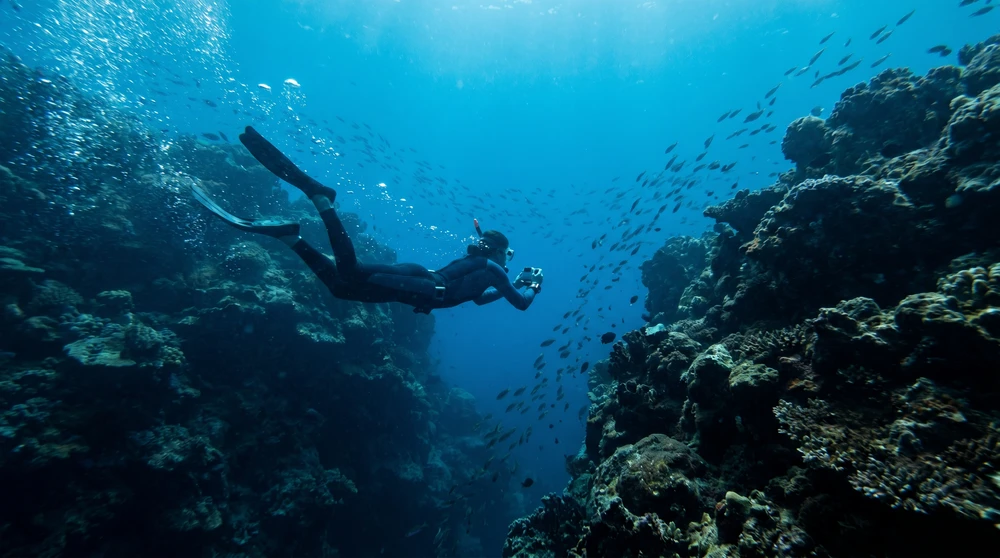
- Channel currents (kandu): the gaps between reefs see massive water shifts during tidal changes. A calm lagoon can turn into a washing machine within thirty minutes. Never snorkel past the house-reef drop-off without fins and a signaling buoy.
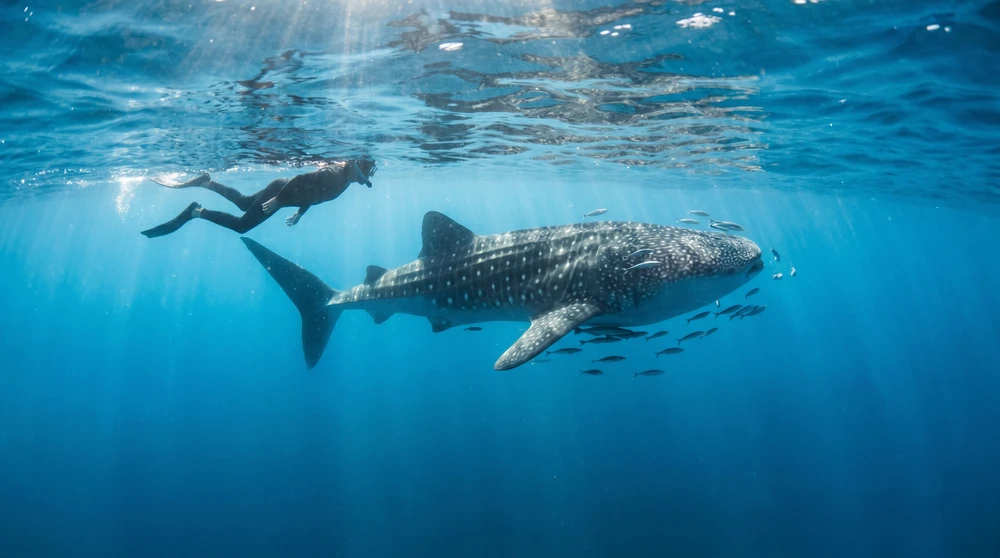
- Marine hazards: reef sharks are docile and pose no threat, but Titan triggerfish are fiercely territorial during nesting season and will bite. Never step on the reef floor either, because camouflaged stonefish and scorpionfish carry highly venomous spines.
Seaplane and Speedboat Standards
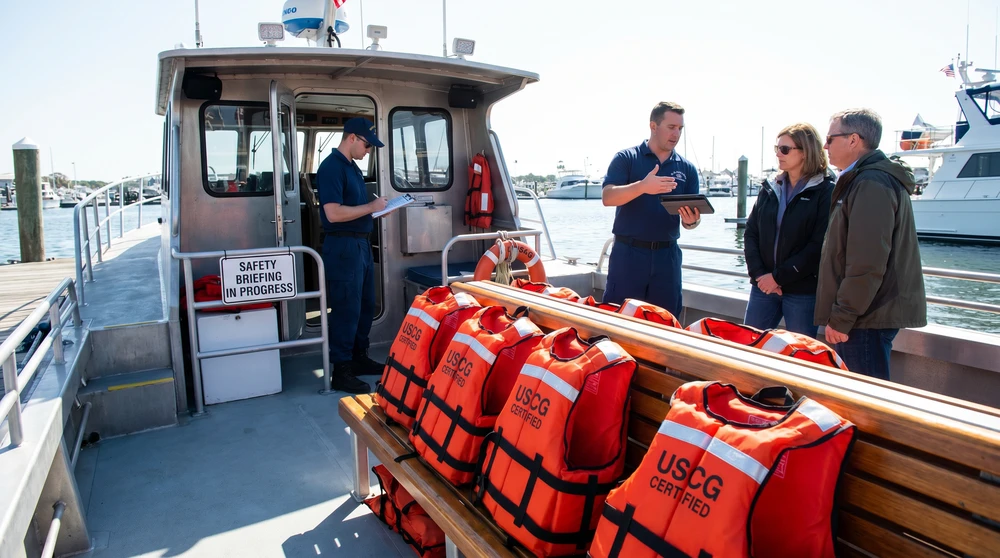
Inter-island transit is heavily regulated but physically demanding. Speedboat transfers during the monsoon season (May to November) can be rough. If you are traveling with toddlers, elderly relatives, or anyone with back problems, avoid long 60-minute-plus speedboat transfers in choppy water. Confirm the operator provides certified life jackets before departure, because life jackets are a legal requirement in Maldivian waters.
Understanding Local Islamic Laws (Strict Rules for Tourists)
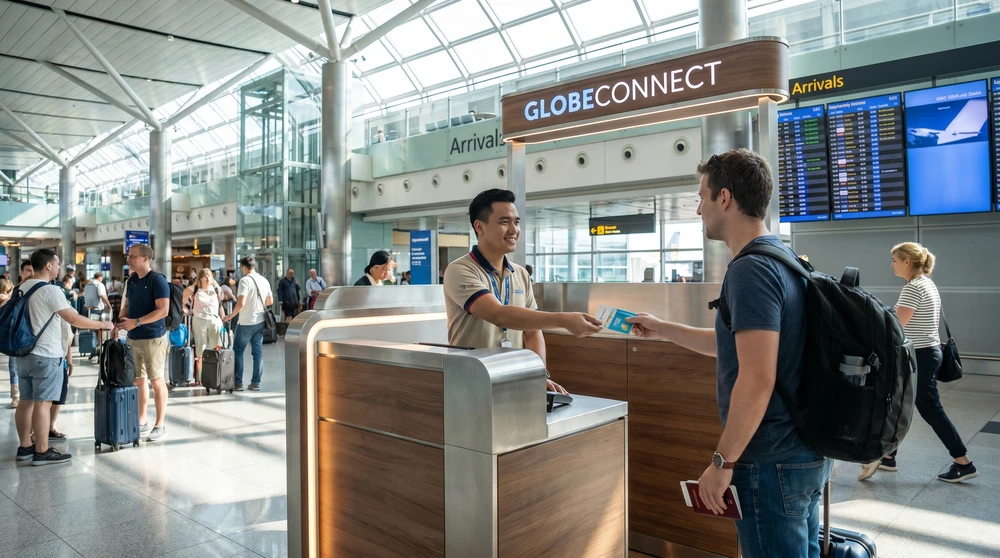
Breaking local law can mean heavy fines, detention, or immediate deportation. Maldivian Customs uses high-end scanning equipment at Velana International Airport (MLE), and pleading ignorance will not excuse a violation.
Alcohol, Pork, and Prohibited Items at Customs
- The alcohol ban: alcohol is banned on all inhabited local islands, and you cannot bring it into the country. Duty-free alcohol bought at a transit airport is confiscated on arrival, held in a secure locker, and returned to you on departure, which adds real friction to your arrival.
- Pork products: importing bacon, ham, or any pork derivative onto a local island is strictly prohibited. Resorts handle this through special commercial import licenses, but you cannot carry these items to a guesthouse.
- Religious artifacts: items representing religions other than Islam, such as bibles, crucifixes, or statues of deities, are restricted if they are large or intended for proselytizing. Small personal items are usually permitted, but visible icons should be packed discreetly.
Ramadan Etiquette on Local Islands
If you travel during Ramadan, the daytime rhythm on local islands changes drastically. From dawn until dusk, local restaurants, shops, and cafes close completely.
Guesthouses are allowed to serve food to international tourists inside their private dining rooms, but eating, drinking, or smoking in public village streets during fasting hours is illegal and deeply offensive. Plan your local-island itinerary around this downtime, or choose a private resort for this period, where operations are entirely unaffected.