Malta's geography is a gift for anyone who loves chasing the light. Because the archipelago is a small cluster of islands surrounded by open Mediterranean Sea, you are never more than a short drive from a sweeping, unobstructed horizon. The rule of thumb is simple: head to the east coast for the first light of dawn and make your way to the rugged west coast to watch the sun sink below the sea. Catching that perfect golden hour involves more than just showing up, though.
Dramatic limestone cliffs, unpredictable coastal winds, and early-morning transport gaps mean a little local insight goes a long way. The spots below are organised by direction so you can plan a sunrise and a sunset on the same day.
- Ride-sharing apps: Bolt, eCabs, and Uber are essential for early-morning sunrise trips before the buses begin their full schedule.
- Summer timing (June to August): sunrise around 05:45, sunset around 20:15.
- Winter timing (November to February): sunrise around 07:00, sunset around 16:45.
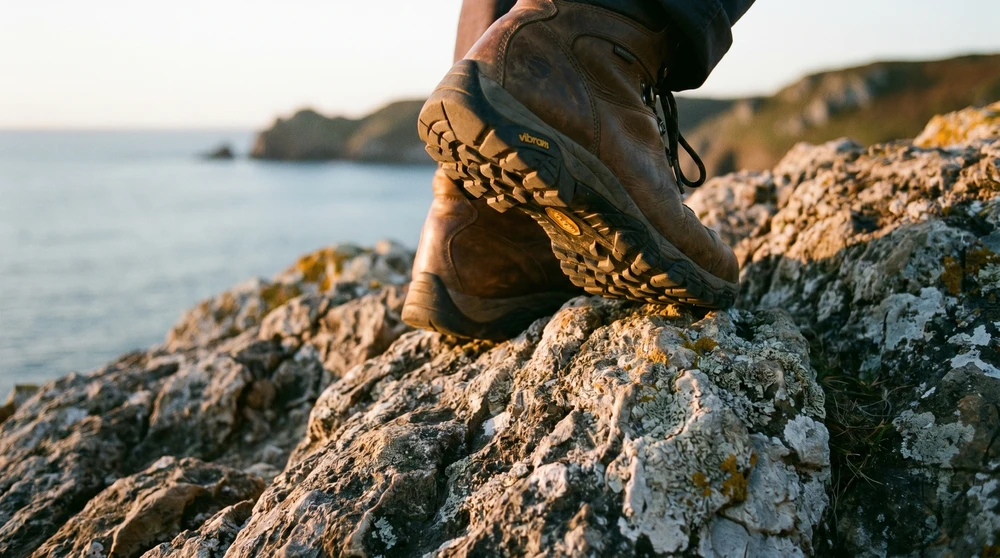
- Footwear: sturdy sneakers or hiking shoes. Skip flip-flops if you are heading to the cliffs or rocky beaches.
Best Malta Sunrise Spots on the East Coast
Waking up early in Malta rewards you with crisp air, silent streets, and a pastel sky reflecting off historic stone and calm seas.
Here is where to set your alarm.
Valletta: Grand Harbour and Upper Barrakka Gardens
Watching the sunrise from Valletta is a deeply historic experience. The Upper Barrakka Gardens offer an elevated, panoramic vantage point directly over the Grand Harbour and the fortified Three Cities (Birgu, Senglea, and Cospicua). As the sun climbs, the first light hits the honey-colored globigerina limestone of Fort St. Angelo, turning the entire harbor into a glowing scene.
If you want a quieter, sea-level angle, walk down to the rocky shoreline below Fort St. Elmo instead. If you are staying in Valletta, the gardens are a short walk. Driving in from outside the capital, you can find street parking around the city ditch or use the MCP Parking Garage just outside the main gate, which is virtually empty at dawn. The city sits at the heart of the island, so it pairs well with a full day of sightseeing afterward, from the co-cathedral to the bastion walks covered in our guide to things to do in Valletta.
Mellieħa: Morning Calm at Għadira Bay
For a different sunrise vibe, head north to Għadira Bay (Mellieħa Bay), the largest sandy beach in Malta. At dawn the water is usually as flat and clear as glass. The sun rises directly across the open water, creating a fiery reflection corridor straight down the middle of the bay, shared only with a few local swimmers and paddleboarders. There is a large free parking strip right alongside the beach.
If you rely on public transport, early buses such as the 41 or 42 from the central areas reach here, but double-check the first departure against the seasonal sunrise time. Għadira is one of several northern beaches worth a full day, and it holds up well against the other best beaches in Malta and Gozo.
St. Thomas Bay in Marsaskala
On the southeastern coast, St. Thomas Bay is a local favorite that most visitors skip.
The northern side features low, flat white limestone platforms that stretch into the sea, giving you a completely unobstructed view of the eastern sky. The contrast between the stark white rock and the deep orange of the rising sun makes for striking photography conditions.
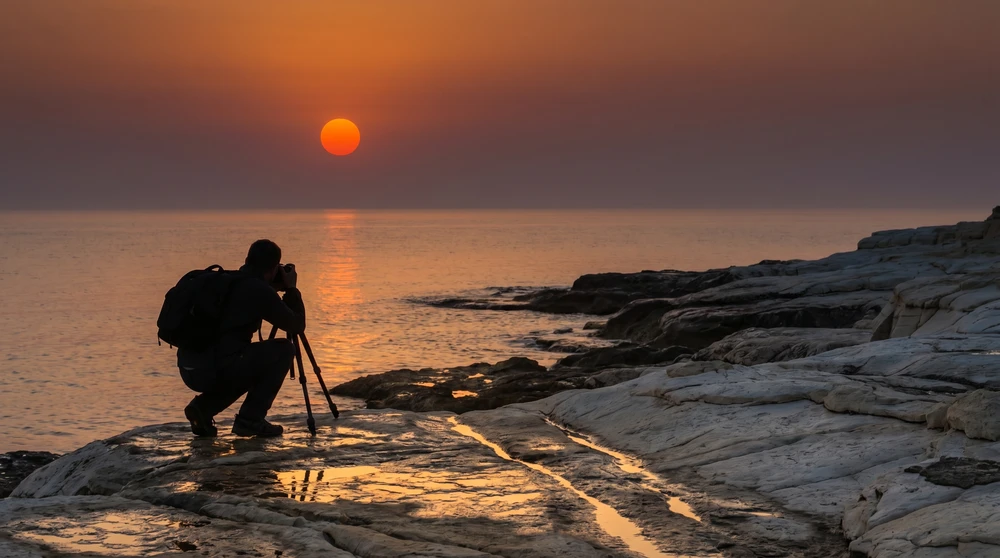
There is plenty of open ground and street parking near the Munxar path. Combine it with a quiet morning walk along the coastal cliffs toward St Peter's Pool, which is a short stroll south and just as photogenic in early light.
Best Malta and Gozo Sunset Spots on the West Coast
When evening approaches, Malta's west coast turns into a theater of deep reds, blazing oranges, and soft purples. The high cliffs and sandy bays hold some of the most recognizable views in the Mediterranean.
Dingli Cliffs: The Highest Point in Malta
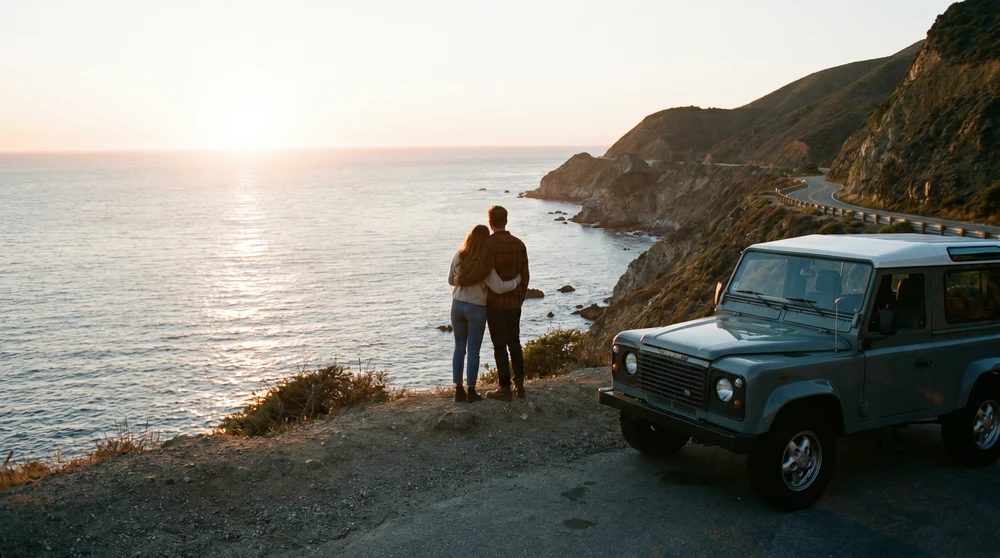
Perched roughly 253 meters above sea level, Dingli Cliffs deliver an epic sense of scale. Standing near the tiny chapel of St. Mary Magdalene, you look out over nothing but open sea, and the cliffs face almost perfectly west, so the sun drops straight into the horizon with no land in the way.
Aim to arrive about 45 minutes before sunset to walk the road, pick a spot, and settle before the colours start moving. The light show typically lasts around 30 minutes from first gold to last colour. The cliffs draw a crowd at sunset but rarely feel packed, since there are no shops or facilities, just the road and the view. Visiting on a weekday evening keeps it calmest.
There are no safety railings along the edge, so keep your distance, especially when the wind picks up. Bus route 201 runs along the cliffs, but the frequency drops sharply after dark, so be ready to call a ride-sharing app if you miss the last one. Parking is available along the main cliffside road.
Riviera Beach (Għajn Tuffieħa) and Golden Bay
These neighboring bays are the headline act of the Maltese sunset scene.
Golden Bay is easily accessible, with a wide sandy beach and a hotel terrace where you can have a drink while the sun goes down. For a rawer, more open view, walk over to Riviera Beach (Għajn Tuffieħa). Climbing the clay hills that separate the two bays gives you a 180-degree panorama of the sun sinking straight behind the sea, with the waves crashing below. Golden Bay has a large managed parking lot, usually with an attendant who expects a small tip of a euro or two.
For Riviera Beach, prepare for a workout: there are over 180 stone steps down to the sand, which you will climb back up in the twilight. The beach bars at the bottom wind down right as the sun finishes, so use the facilities and grab water before you descend.
Gozo: Tal-Mixta Cave Overlooking Ramla Bay
If you are spending the day on Gozo, this is a must for sunset. Tal-Mixta Cave is a natural opening hidden in the cliffs high above the orange sands of Ramla Bay.
Looking out from the dark interior frames the glowing evening sky and the countryside below in a natural rock arch. You can hike up from Ramla Bay beach, but it is steep. Alternatively, drive through the village of Nadur along a narrow, bumpy agricultural track to a small parking area, then a short, dark tunnel walk into the cave. Bring a phone flashlight for the walk back, as the path turns pitch black the moment the sun drops.
Popeye Village Viewpoint at Anchor Bay
Even if you have no plan to enter the theme park, the viewpoint across the water on the opposite cliff is one of the most photogenic sunset spots on the island. The colorful wooden film set tucked inside the rugged curve of Anchor Bay throws a striking silhouette against the western sky. There is a gravel pull-off directly on the cliff edge opposite the village, easy to reach by car and a quick stop to end a day in the north. If you are weighing whether to actually go inside, our honest look at Popeye Village breaks down the tickets and timing.
Practical Tips for Chasing the Light
Getting Around Before Dawn and After Dusk
Malta's Tallinja bus network is extensive during the day, but it is not built for sunrise chasers. Most standard routes do not start until 05:30 to 06:00, often too late for summer sunrises. Free travel applies only to residents with a personalised card, so as a visitor you will pay the standard fare or use a 7-day Explore Card. For early mornings, apps like Bolt, eCabs, or Uber are efficient and reasonably priced.
In the evenings, busy spots like Dingli Cliffs or remote beaches empty out all at once, so book your ride about 10 to 15 minutes before you actually want to leave. Routes, cards, and airport transfers all come together under getting around Malta, which matters most when the buses thin out near the cliffs.
Weather Conditions and Terrain Safety
The Maltese islands are prone to a strong northwestern wind known locally as the Majjistral. When it blows hard, the western cliffs such as Dingli and Migra l-Ferħa can become hazardous from powerful gusts, so always check the wind forecast before heading to high ledges.
The coastal rock is sharp, weathered limestone and slippery globigerina, so make sure your shoes have solid grip. Pack a light windbreaker even in summer, because the cliffside temperature drops fast the moment the sun slips below the horizon.