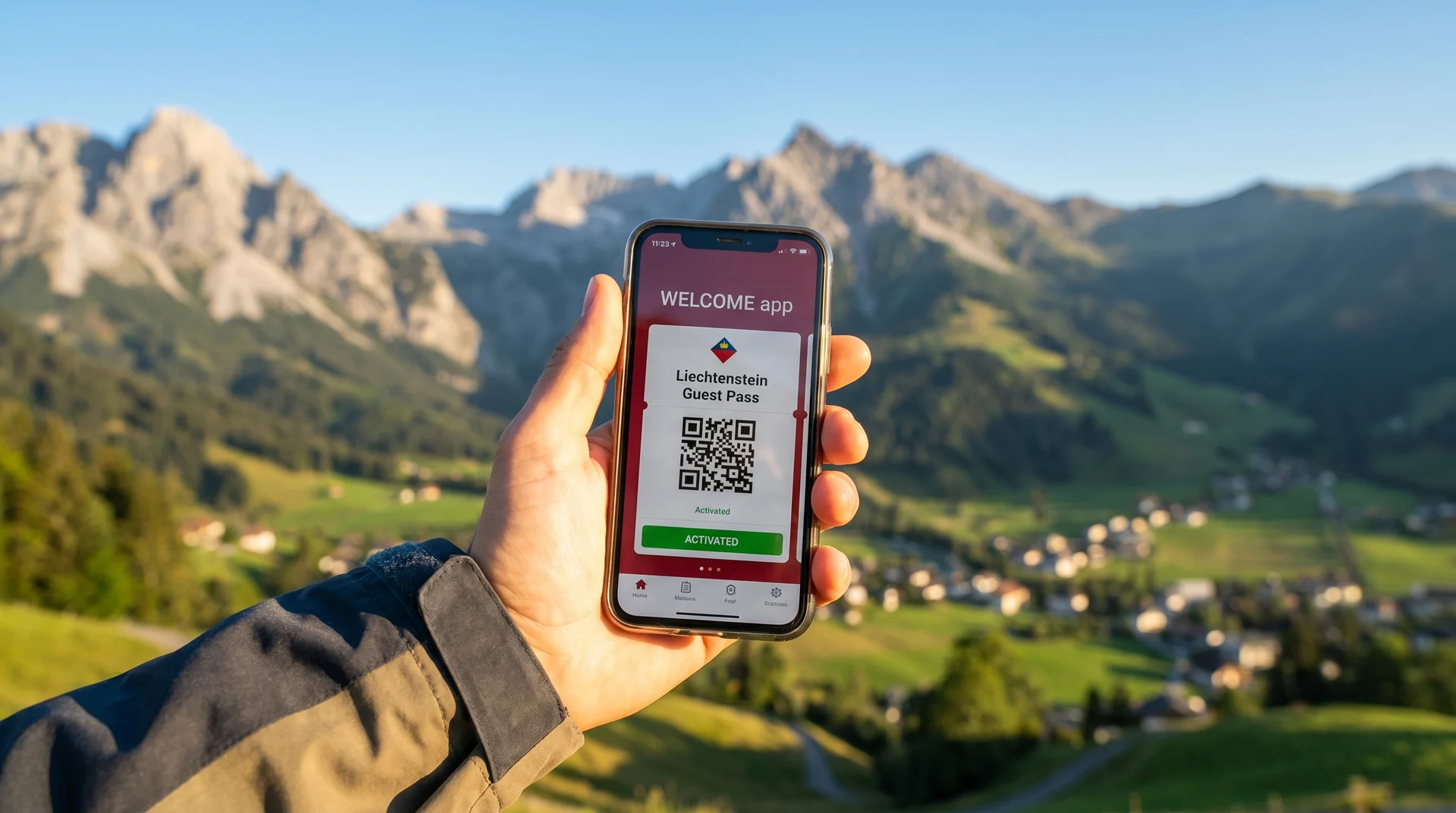
Booking a hotel directly in Vaduz often results in serious sticker shock before you even see a castle. Because the hyper-efficient LIEmobil bus network connects everything seamlessly, staying just across the border in Austria or Switzerland gives you the exact same Alpine experience for a fraction of the price. If you do stay inside Liechtenstein, ask your accommodation about the WELCOME Adventure Pass, which comes free with every overnight stay and covers unlimited public transit plus discounts on museums.
- Best base inside Liechtenstein: Vaduz (central, walkable) or Malbun (Alpine, hiking/ski)
- Budget alternative: Schaan-Vaduz Youth Hostel (~20-minute walk from Vaduz center)
- Border basecamp: Feldkirch, Austria or Buchs/Sargans, Switzerland
- Transit pass for active visitors: ALL INCLUSIVE Adventure Pass from CHF 25 (1-day)
- Free transit option: WELCOME Pass, issued free to all overnight guests in Liechtenstein
Best Areas to Stay in Liechtenstein
Staying inside the principality makes sense when your budget allows it and you want to wake up right next to the main sights. The country offers three distinct vibes depending on your travel style and itinerary.
Vaduz: Best for First-Timers and Convenience
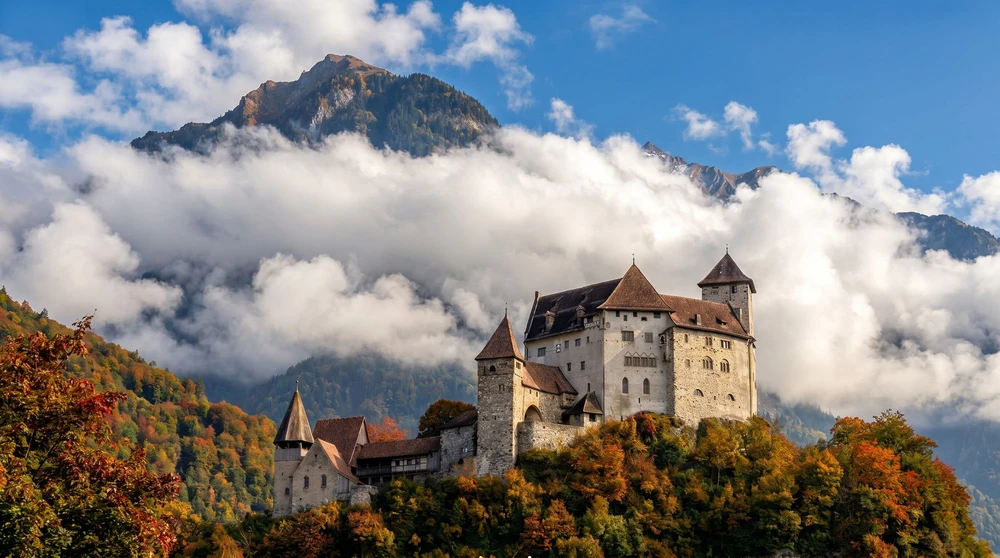
The capital serves as the main cultural and transit hub. You have immediate access to the Liechtenstein National Museum, the Treasure Chamber, and the steep trail leading up to Vaduz Castle. Most international buses from Switzerland and Austria drop you off right at the Vaduz Post terminal.
The hotel scene here caters mostly to business travelers and high-end tourists, with mid-range options starting well above what you would pay in neighboring Swiss cities. Nightlife remains extremely quiet, with most cafes and shops closing by early evening. Base yourself here if you want everything within walking distance and don't mind paying a premium for the central location.
Malbun: Best for Hiking, Skiing, and Alpine Views
High up in the Alps at 1,600 meters, this tiny resort village feels completely detached from the busy Rhine Valley. Crisp mountain air, dense pine forests, and dramatic peaks dominate the skyline. You reach Malbun by taking the #21 bus from Vaduz, winding through steep and scenic mountain roads.
This area transforms into Liechtenstein's only ski resort during winter. In summer, you get direct access to extensive hiking trails, llama treks, and the Sareis chairlift. If you are planning the Fürstensteig ridge walk, basing yourself in Malbun saves significant travel time each morning. Family-friendly hotels dominate the valley, offering hearty Alpine meals and direct access to raw nature.
Triesenberg: Best for Sweeping Rhine Valley Panoramas
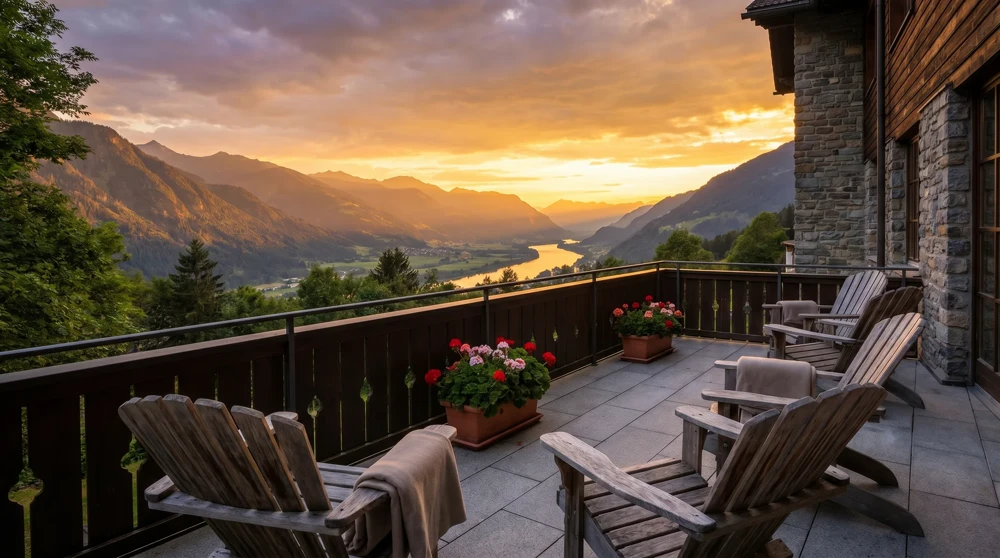
Perched high on a terrace above Vaduz, Triesenberg provides the most dramatic views in the entire country. The Rhine Valley stretches out far below, framed by jagged Swiss and Austrian peaks. The Walser community settled here centuries ago, and the village still retains a distinct cultural identity and architectural style.
Accommodation here leans toward cozy guesthouses and boutique hotels featuring panoramic balconies. You need to rely on the bus to reach the museums in Vaduz or the hiking trails up in Malbun. The tradeoff is absolute tranquility and unbeatable sunset views over the valley, without the premium price tag of central Vaduz.
Ruggell: Best for Budget Travelers Inside Liechtenstein
Often overlooked in standard travel guides, Ruggell sits in Liechtenstein's quiet northern corner near the Austrian border. It is the most affordable place to stay within the principality, surrounded by nature reserves rather than tourist infrastructure. Family-run guesthouses and small inns here cost noticeably less than anything in Vaduz, and the bus into the capital runs regularly.
The Budget Option: Staying Just Across the Border
Liechtenstein operates as one of the wealthiest countries in the world, with standards of living that rival Switzerland. Smart travelers use neighboring border towns as highly practical basecamps.
Feldkirch, Austria
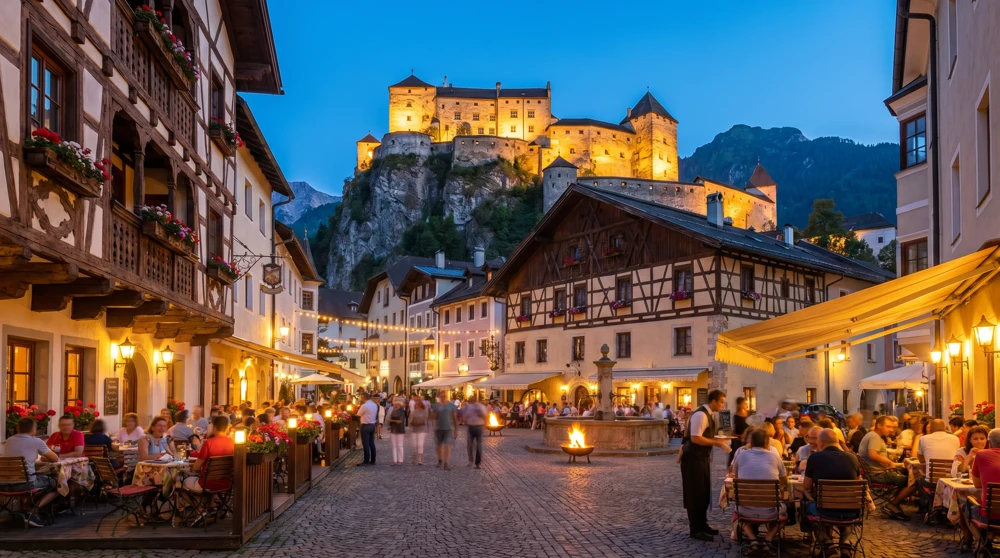
This beautifully preserved medieval Austrian town sits right on the Liechtenstein border. Cobblestone streets, a towering castle, and a vibrant local food scene make it a far more lively base than quiet Vaduz after dark.
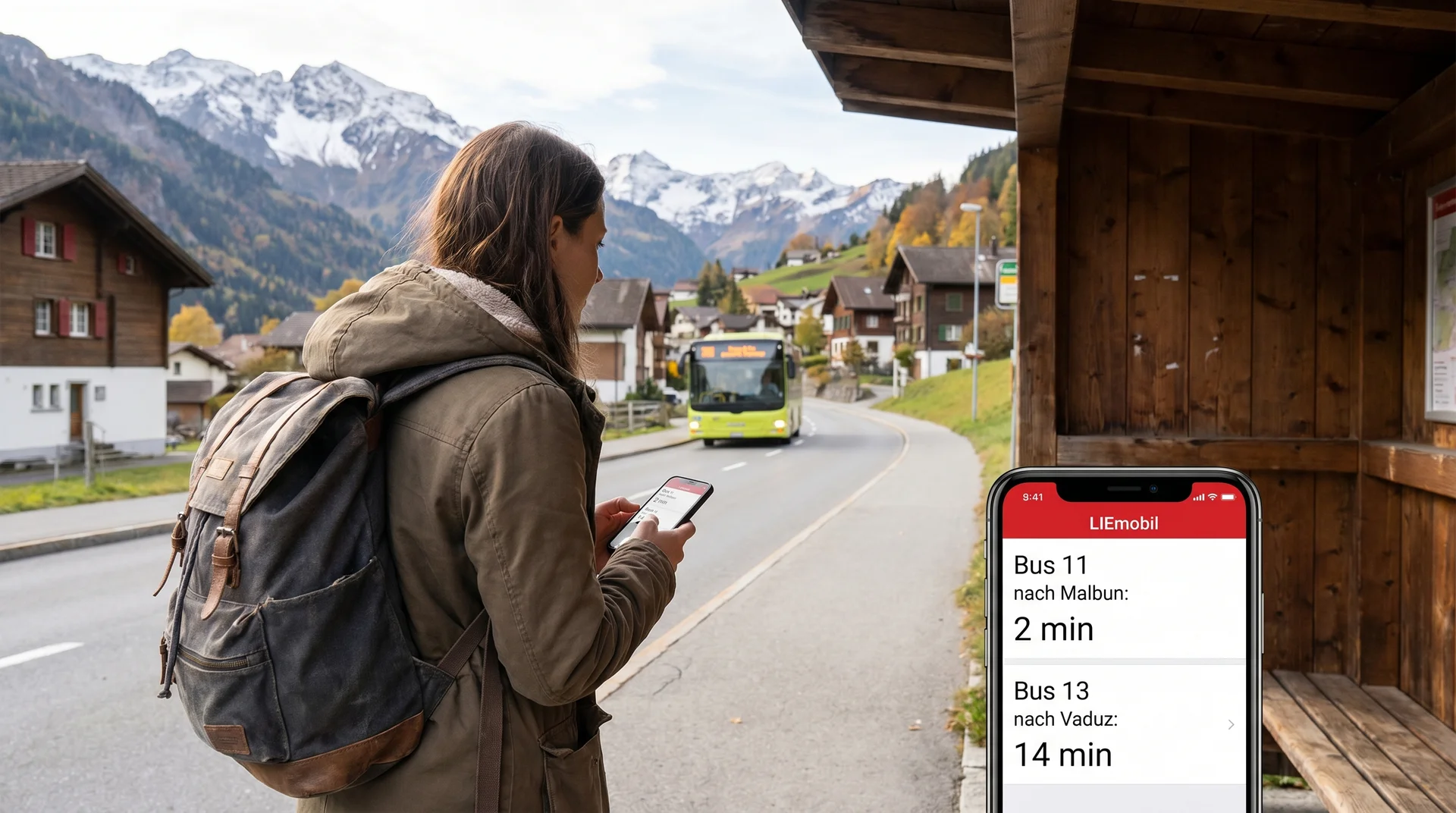
Line 11 from Feldkirch Bahnhof runs directly into central Vaduz, with buses departing every 30 minutes. The journey takes 36 minutes and costs just a few Swiss Francs. You get the charm of a lively Austrian city at night and full days exploring Liechtenstein without the financial strain.
Buchs or Sargans, Switzerland
If you travel primarily via the Swiss rail network, staying on the Swiss side makes logistics effortless. Buchs sits right across the Rhine River from the town of Schaan, just minutes away by bus. Sargans sits slightly further south and connects directly to Vaduz via the LIEmobil network. If you are combining Liechtenstein with a day trip from Zurich, Sargans is the natural rail connection point.
Chur offers a larger historic basecamp further south, serving as a major hub for scenic Swiss trains like the Bernina Express.
Budget Option Inside Liechtenstein: The Schaan-Vaduz Youth Hostel
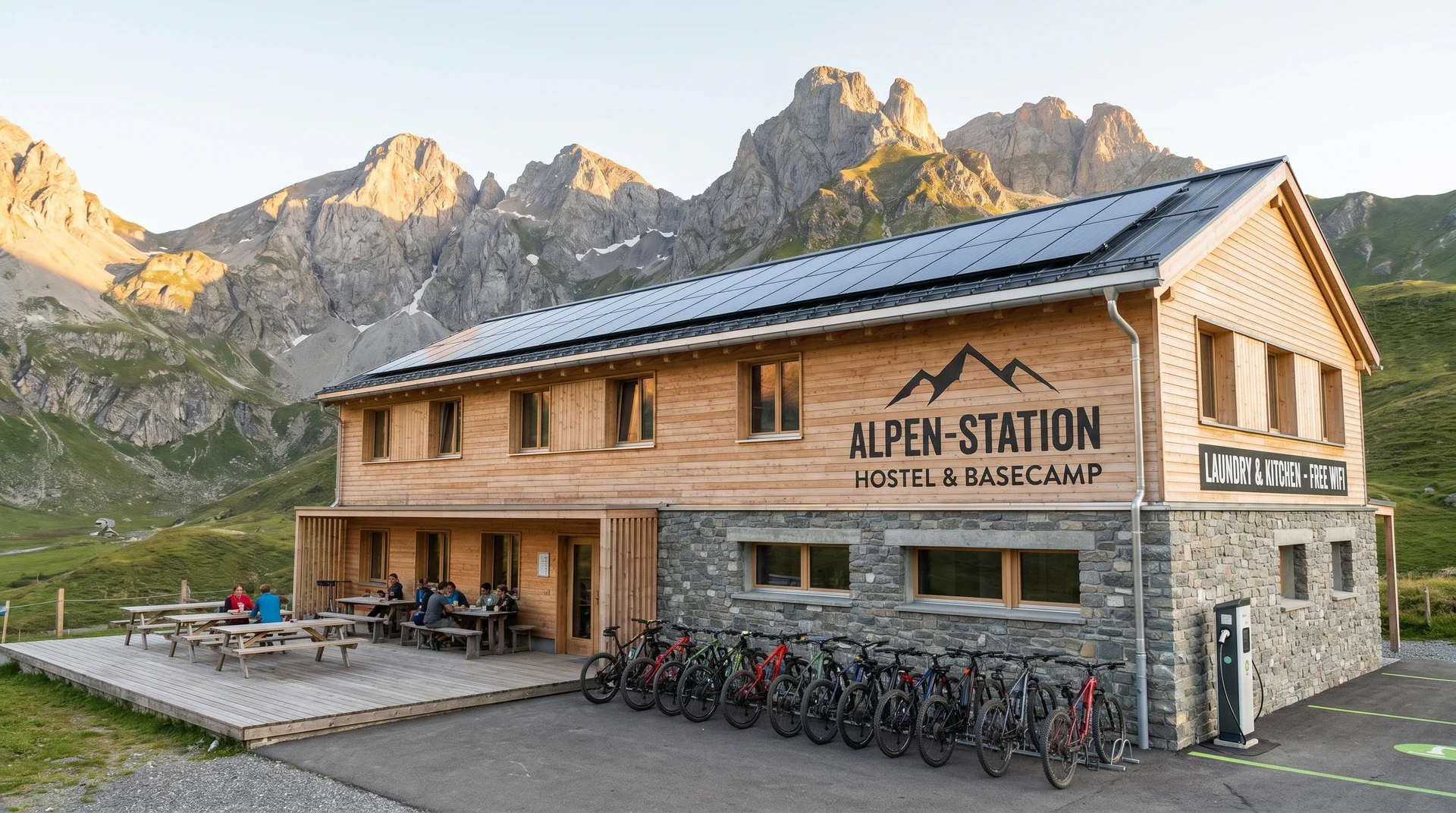
The Schaan-Vaduz Youth Hostel is the obvious choice for budget travelers who still want to sleep inside the principality. Located between Schaan and Vaduz, about a 20-minute walk from central Vaduz, it offers dorm beds, a restaurant with breakfast buffet, and mountain views. Guests consistently rate it well above typical hostel standards, noting the clean facilities, helpful staff, and access to trail maps.
The WELCOME Adventure Pass covers your bus fare from the hostel into Vaduz and back throughout your stay, so you pay nothing for transport once you have checked in.
Campers have a dedicated option at Camping Mittagspitze in Triesen, a hillside campsite with mountain views and direct hiking trail access. It is the only campsite inside Liechtenstein.
Getting Around from Your Hotel
You do not need a rental car to explore this microstate. The LIEmobil bus network runs with legendary precision, reaching every village from the valley floor to the high Alps. Buses arrive exactly on time, and drivers routinely wait for wandering cattle to clear the mountain roads.
The ALL INCLUSIVE Adventure Pass starts at CHF 25 for a single day and CHF 35 for three days.
It covers all public transit within the country including the border-crossing routes into Sargans and Feldkirch, free entry to all five major museums, e-bike rental, and the Sareis cable car. If you are visiting museums and taking multiple buses, the pass pays for itself quickly. For a full breakdown of what the pass covers and whether it is worth buying, see the Liechtenstein Adventure Pass guide.
Overnight guests receive the free WELCOME Adventure Pass automatically from their accommodation. This covers unlimited transit and 20% discounts on most attractions, making it a solid option if you are staying one night and keeping your itinerary simple.
Renting a car only makes sense if you plan extensive road trips deeper into the remote Swiss or Austrian Alps. Within Liechtenstein itself, the bus handles everything.
When to Visit and What It Affects for Accommodation
Timing your trip directly affects availability and the type of experience you get. July to September represents peak season, when Vaduz hotels fill up fastest and Malbun draws hikers.
December to March is ski season in Malbun, and the resort fills quickly for a small village. For the best time to visit Liechtenstein, shoulder months like May, June, and October offer calmer conditions and easier hotel availability without the premium pricing of peak summer.
The **Liechtenstein Trail**, a 75-kilometer multi-day hiking route crossing all eleven municipalities, is best tackled between June and October. Walkers typically spread their stays across several villages rather than returning to Vaduz each night, which makes the WELCOME Pass particularly valuable since it covers every bus connection between trailhead villages.