The biggest mistake visitors make in Rabat is assuming St Paul's Catacombs is a single underground room, only to realize too late that the site is split across a busy road with over 20 separate, cramped tomb entrances. Navigating this underground maze takes flat shoes, a tolerance for low ceilings, and a clear idea of which catacomb complex actually fits your schedule. The good news is that one ticket covers both sides of the street, and you can move through the whole complex at your own pace.
- Main hub: St Paul's Catacombs (Heritage Malta)
- Standard entry: €6 adults, €4.50 youths and seniors, €3.50 children
- Duration: 1 to 2 hours
- Accessibility: Steep stairs, low ceilings, metal grating walkways, not wheelchair friendly
- Amenities: Visitor centre, gift shop, toilets on both sides of the street, free audio guide via smartphone
Why Are There So Many Tombs in Rabat?
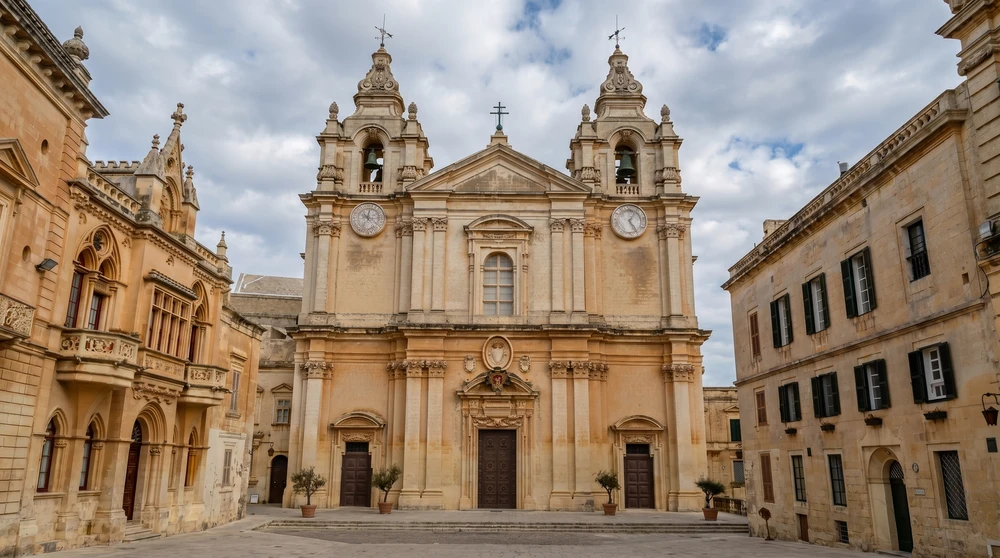
Ancient Roman law strictly prohibited burying the dead within the city walls of ancient Melite, the settlement that became modern-day Mdina. As a result, the area now known as Rabat grew into a sprawling necropolis over centuries. These underground cemeteries hold pagan, Jewish, and early-Christian burials existing side by side, carved directly into the soft limestone.
You will not find grand decorations or piles of bones here, since most chambers were emptied long ago. The real fascination lies in the scale of the complex and the mix of burial traditions sharing the same ground. If you want guided tours or a combined ticket for the area, the operators listed on Browse activities cover the main Rabat sites in one booking.
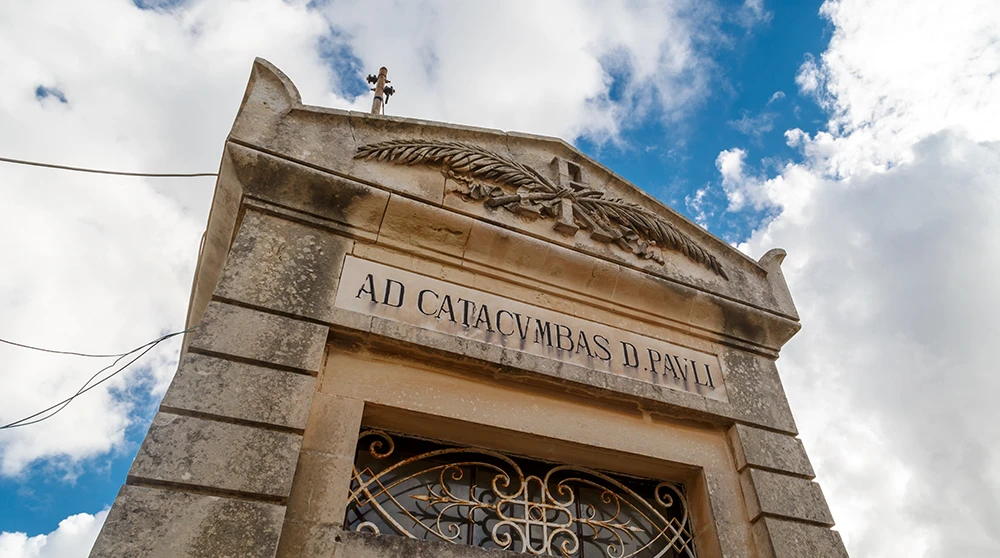
St Paul's Catacombs: The Main Complex
This is the primary site run by Heritage Malta and the anchor for the whole area. Despite the name, there is no historical evidence that St Paul ever visited or hid in these specific tombs. The myth grew up around the saint's shipwreck on Malta, but these chambers were always burial grounds rather than hideouts.
Your visit starts at a modern visitor centre. A short introductory video and a small museum set the historical context before you step out into the open-air archaeological park. The main complex on this side houses the largest and most intricate set of interconnected tombs.

The sheer size of this initial labyrinth can be disorienting. Motion-sensor lights illuminate the narrow passages, revealing rock-hewn agape tables (triclinia) where ancient families once held commemorative meals for the dead.
Crossing the Street: The Second Site
Many people miss half the experience by not realizing the site continues across the road. Keep your ticket handy, since you need it to access this second zone. Here you will find a landscaped park with nearly 20 smaller, individual catacomb entrances, each one a separate descent down steep stairs into a tight chamber.
Some of these are marked with must-see signs. Follow them if you do not want to climb down into every single one, since the smaller tombs start to look alike after the first few.
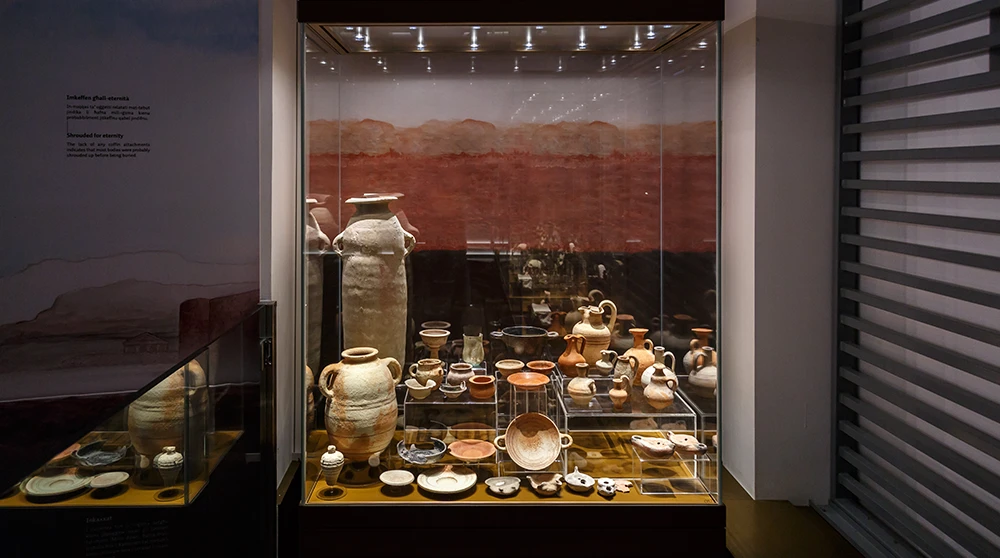
St Agatha's Catacombs: The Guided Experience
Located a short walk from St Paul's, St Agatha's Catacombs offer a completely different atmosphere. Unlike the self-guided freedom of St Paul's, access here runs strictly via guided tour, with each visit lasting around 25 to 30 minutes.
The highlight is the collection of preserved Byzantine frescoes, some dating back to the 12th century, showing bishops, saints and martyrs. Note that photography is not allowed inside. If you prefer deep historical context from an expert rather than wandering alone through empty stone corridors, this site delivers a much richer visual and educational payoff.

Ta' Bistra Catacombs: The Mosta Extension
If the Rabat underground leaves you wanting more, the Ta' Bistra Catacombs in nearby Mosta form the second largest set of early Christian burial sites in Malta. They span over 90 meters with 57 individual tombs.
Ta' Bistra sees far fewer visitors and offers a more linear, open-air walkway alongside the rock face. This layout makes it slightly easier to navigate for anyone who finds the deep tunnels of Rabat too oppressive. Opening days are limited, usually a few weekdays plus the last Sunday of the month, so check the schedule before making the trip.

St Paul's vs St Agatha's: Which Should You Visit?
| Feature | St Paul's Catacombs | St Agatha's Catacombs |
|---|---|---|
| Exploration style | Self-guided, free audio guide | Mandatory guided tour |
| Visuals | Empty limestone tombs, agape tables | Historic frescoes, painted shrines |
| Freedom | Roam at your own pace | Fixed tour schedule |
| Claustrophobia | Very tight spaces, low ceilings | Moderately restrictive |
| Best for | Independent explorers, budget travelers | Art lovers, history enthusiasts |
If you only have time for one, St Paul's gives you scale and freedom, while St Agatha's rewards you with the painted detail that the larger site simply does not have.
Inside the Tombs: Accessibility and Practical Tips
The subterranean reality of these sites is physically demanding. Keep these factors in mind before descending:
- Height restrictions: The ceilings in the smaller chambers are brutally low. Anyone over average height needs to crouch constantly, and banging your head on the limestone is a common hazard.
- Footwear: The walkways are a mix of metal grates and uneven stone steps. Leave the heels at the hotel, since sturdy, flat walking shoes are mandatory.
- Claustrophobia: Some tunnels are extremely narrow. Chamber capacity is posted on signs, often max 5 people, so respect these limits to avoid getting stuck in a dead-end when a larger group pushes through.
- Temperature: The catacombs stay cool year-round, a great escape from the summer heat, though you might want a light jacket in the winter months.
- Lighting timer: The motion-sensor lights in the deeper tunnels run on short timers, so keep moving or you may find yourself briefly in pitch black.
Tickets, Opening Hours and Getting There
St Paul's Catacombs open daily, from 9 AM to 7 PM between March and October and 9 AM to 5 PM from November to May, with last admission 30 minutes before closing. The site is closed on January 1, Good Friday, and December 24, 25 and 31. The standard adult ticket is €6, with €4.50 for youths aged 12 to 17 and seniors aged 60 and over, and €3.50 for children aged 6 to 11. Infants under 5 enter free.
If you hold a Heritage Malta Passport or a multi-site pass, your entry is completely covered, which is worth weighing up if you plan to visit several sites. The Heritage Malta Pass and the local discount card split along different lines depending on how many museums you intend to see.
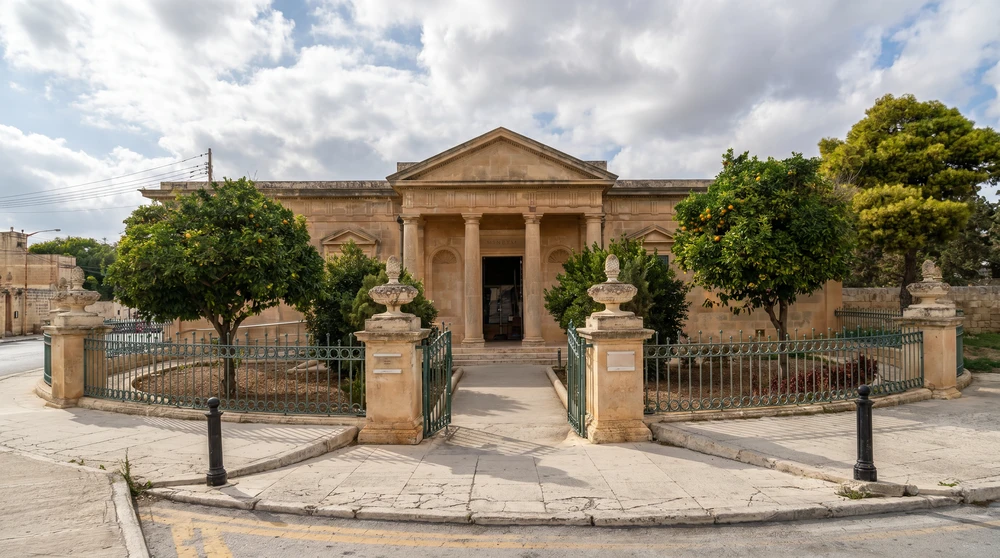
Reaching Rabat is straightforward. From Valletta, the C2 bus takes around 40 minutes and drops you about a 10-minute walk from the catacombs, and the wider Malta bus and Tallinja card network connects Rabat with most tourist bases. Since ancient Melite covered both modern-day Mdina and Rabat, it makes sense to fold the catacombs into a wider day exploring Mdina and Rabat, with the nearby Domus Romana Roman villa close enough to add on. For another underground site on the same island, the Hal Saflieni Hypogeum is a prehistoric counterpoint that needs booking well in advance.