Most travel guides push visitors toward deep-water wrecks and intense scuba diving, completely ignoring the anxiety of jumping into the Pacific Ocean if you are not a strong swimmer. The truth is, you don't need to dive to experience these reefs.
The Marshall Islands hide shallow, current-free lagoons specifically suited for non-divers relying on flotation gear, and three easily accessible spots near Majuro offer everything a first-time snorkeler needs.
- Water temperature: 82°F to 84°F (28°C to 29°C) year-round
- Calmest surface conditions: December to April (dry season, peak visibility up to 30 meters (100 feet))
- Acceptable window: May to October (lower trade winds, reduced surface chop)
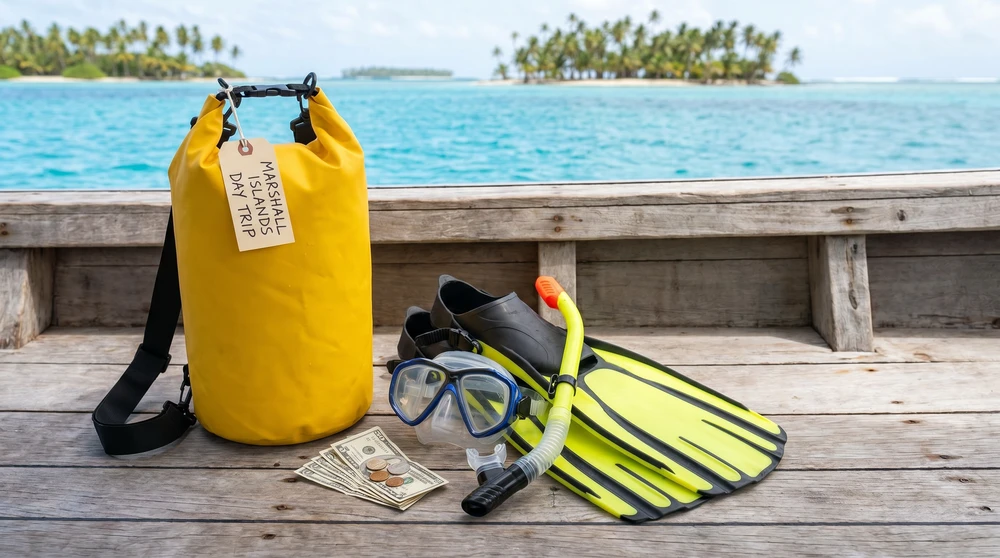
- Required gear: yellow snorkel belts or inflatable vests (mandatory for non-swimmers), short fins
- Safety rule: never snorkel alone; stick to lagoon-side shore entries and guided local tours
Can You Snorkel the Marshall Islands Without Diving Experience?
Entering open water without strong swimming skills requires the right support system, not just courage. Flotation changes the entire dynamic. A mask and tube alone will not keep you afloat, but a specialized snorkel belt completely removes the need to tread water.
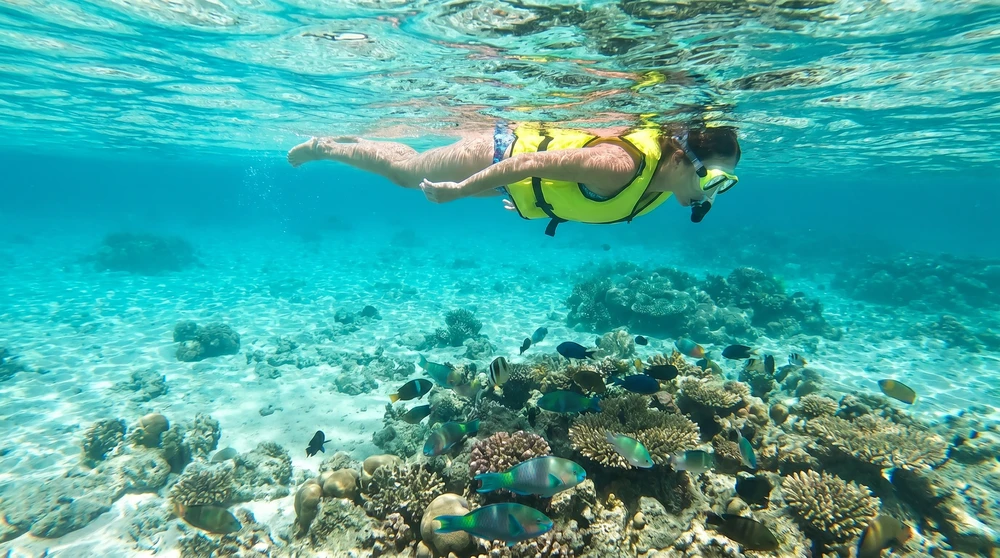
Snorkeling is about floating calmly face-down, not executing perfect swimming strokes. By wearing a waist-secured snorkel belt, your body naturally stays in the correct viewing position.
Certified local guides in Majuro, the capital, provide this exact gear, ensuring you observe the reef without exhausting yourself fighting the current. The Marshall Islands sit outside the main cyclone belt, which means the lagoons stay calmer than most Pacific destinations year-round.
Top Shallow and Calm Snorkeling Spots
Arno Atoll: Calm Lagoons and Easy Access
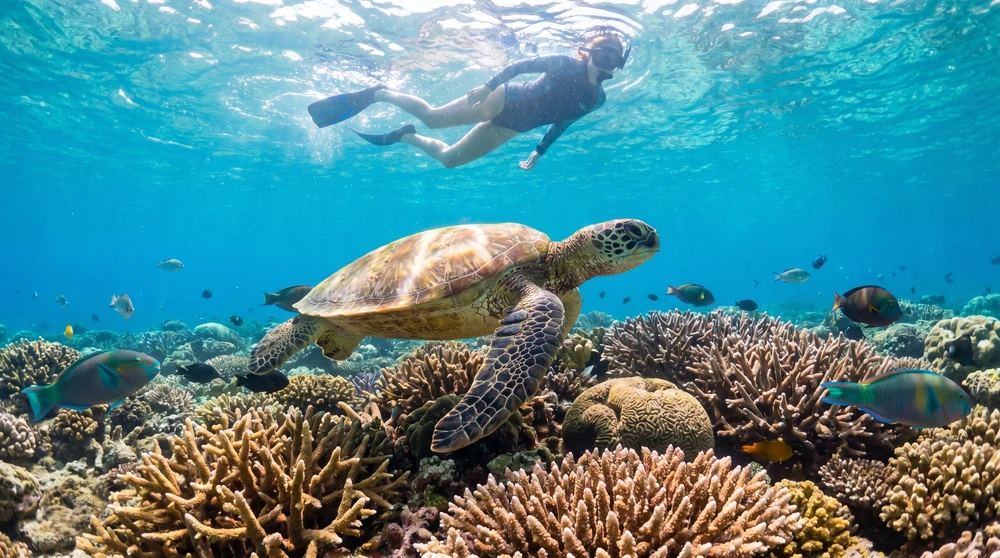
Just a 20-minute supervised boat ride from Majuro, Arno Atoll provides immediate relief from harsh ocean swells. The inner lagoon features shallow reef flats where the water remains undisturbed. You simply float above the coral domes clearly visible just a few feet below the surface.
The sand drops off very gradually here, which allows you to test your gear in waist-deep water before moving further out. Sea turtles, eagle rays, and small reef fish frequent these shallows, meaning you get the full experience without venturing into the deep blue. Arno is often described as the Marshall Islands' best-kept secret, with thriving coral walls and visibility regularly exceeding 30 meters (98 feet) during the dry season.
Arno is a quiet, less-explored destination - far fewer visitors than the atolls popularized by diving itineraries.
If you want calm water and no crowds, this is your first stop. Pair it with a look at diving in the Marshall Islands to understand what you are floating above.
Eneko Island: Shore Snorkeling Minutes from Majuro
Eneko Island sits just 20 to 40 minutes by boat from the Uliga dock near the Robert Reimers Hotel in Majuro. The crossing is short, the water is sheltered, and the reef sits close enough to the beach that you don't need a boat anchor to start exploring.
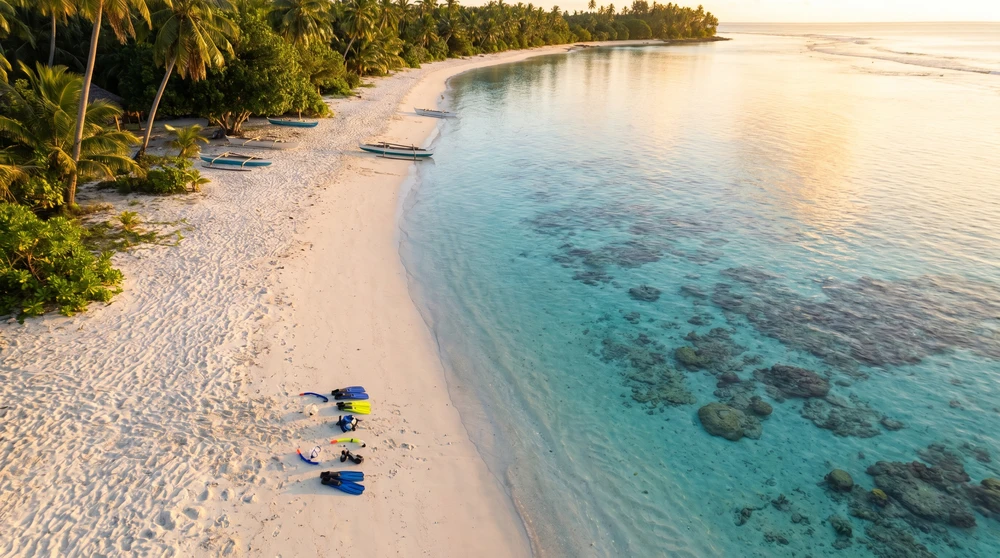
Coral heads and small reef patches begin just offshore, putting colorful reef fish, curious rays, and healthy coral gardens within arm's reach of the sand. The shallow, sheltered lagoon off Eneko is particularly well-suited for non-swimmers who want to stay within standing depth while getting comfortable with the mask.
A pontoon positioned further out past the reef provides an intermediate zone for those ready to push slightly deeper. Bring your own gear - rental infrastructure is limited - and pack insect repellent, since mosquitoes are active on the island.
Majuro Lagoon: Shore Entries and Clear Waters
Majuro serves as your base and offers some of the most controlled environments for beginners. The lagoon side of the atoll is shielded from the relentless Pacific winds. You can walk into the water directly from the sandy shores near Laura Beach, located at the western tip of the atoll.
Shore entries eliminate the stress of jumping off a boat ladder into deep water. You stay entirely within your comfort zone, retreating to the beach the moment you feel tired.
Visibility remains excellent year-round, regularly exceeding 15 meters (50 feet) in the shallows, keeping marine life clearly in view. Things to do in Majuro covers the full range of activities if you want to combine snorkeling with other experiences on the atoll.
Kalalin Pass: High Biodiversity in Protected Zones
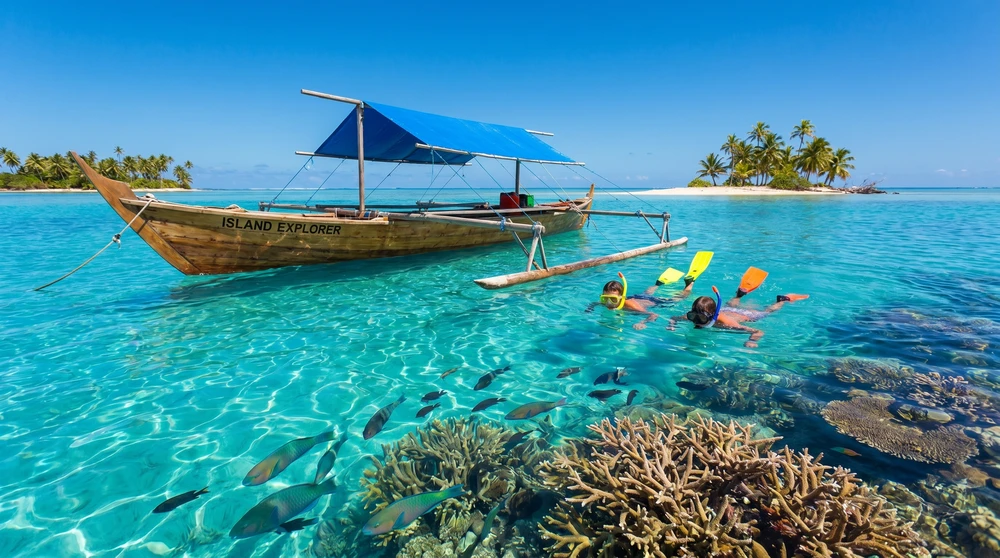
Located near Majuro, Kalalin Pass requires a boat tour but offers highly supervised, beginner-friendly zones. Operators anchor in sheltered areas where the current drops to near zero.
The pass acts as a natural funnel for marine life, bringing vibrant schools of parrotfish directly to the surface layers. You stay within designated buoy lines, keeping physical contact with the boat close at hand while floating effortlessly.
Spots to Avoid If You Do Not Dive
Many online itineraries heavily promote Bikini Atoll. Remove this from your list immediately. Bikini Atoll diving is an advanced, deep-water scuba destination famous for sunken World War II warships and residual nuclear history. The water is deep, currents are unpredictable, and it is entirely unsafe for non-swimmers or casual snorkelers.
Similarly, avoid the ocean-facing sides - the outer reefs - of any atoll. These areas experience sudden drop-offs and strong oceanic currents that can easily overpower even experienced swimmers. Stick strictly to the inner lagoons.
Essential Flotation Gear for Pacific Waters
Relying on cheap, poorly fitted gear ruins the experience and compromises safety.
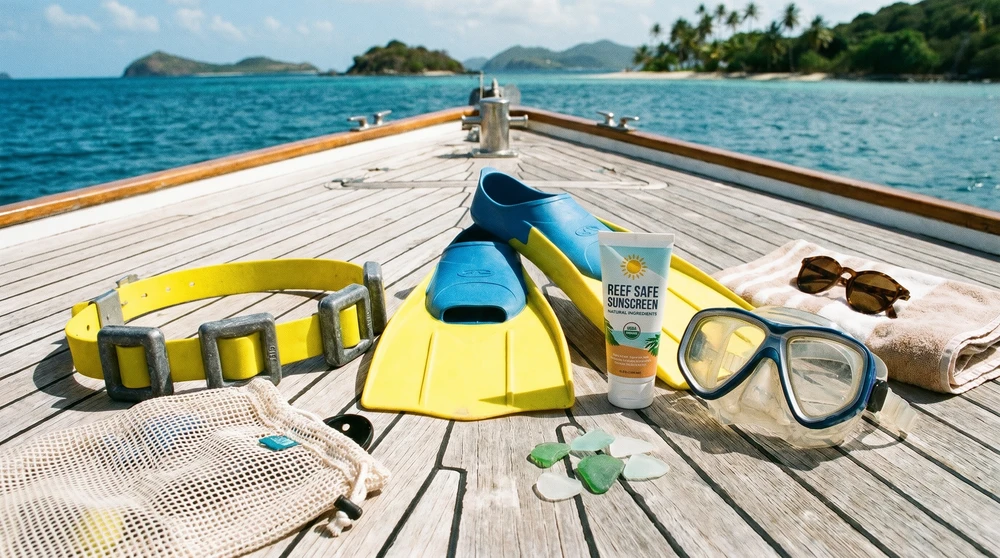
Yellow Snorkel Belts: The standard for non-swimmers. Worn around the waist, they provide constant, hands-free buoyancy and keep you horizontal. This is the single most important piece of gear for anyone not confident in open water.
Inflatable Vests: A solid secondary option offering adjustable chest support. You inflate them manually to control how high you ride in the water.
Short Fins: Long dive fins cause leg cramps for beginners. Short fins offer just enough propulsion to turn around without demanding heavy muscle exertion. They function perfectly alongside a waist belt.
Reef-Safe Sunscreen: The sun reflects off the water heavily in the Pacific. Apply a zinc-based, reef-safe barrier to your back and legs to prevent severe burns while floating face-down.
Pack everything before you arrive. Rental infrastructure is highly limited across the islands. Some licensed tour operators provide safety gear, but confirm availability at booking - do not assume.
Local Operators and Guided Safety
Navigating remote Pacific atolls requires local knowledge. Tide shifts change water conditions rapidly. Booking a guided snorkeling session out of Majuro ensures you have someone reading the water for you. Raycrew and Marshalls Dive Adventures both operate out of Majuro and offer snorkeling-specific services alongside their dive programs. Book a snorkeling tour
Marshallese guides understand the specific limits of their lagoons. They provide the necessary snorkel belts, conduct safety briefings, and stay in the water right beside you. This layer of professional oversight turns a potentially nerve-wracking attempt into a highly controlled, safe observation of the reef.
The best time to visit the Marshall Islands matters for water conditions too - dry season snorkeling and wet season snorkeling are genuinely different experiences in terms of visibility and surface chop.