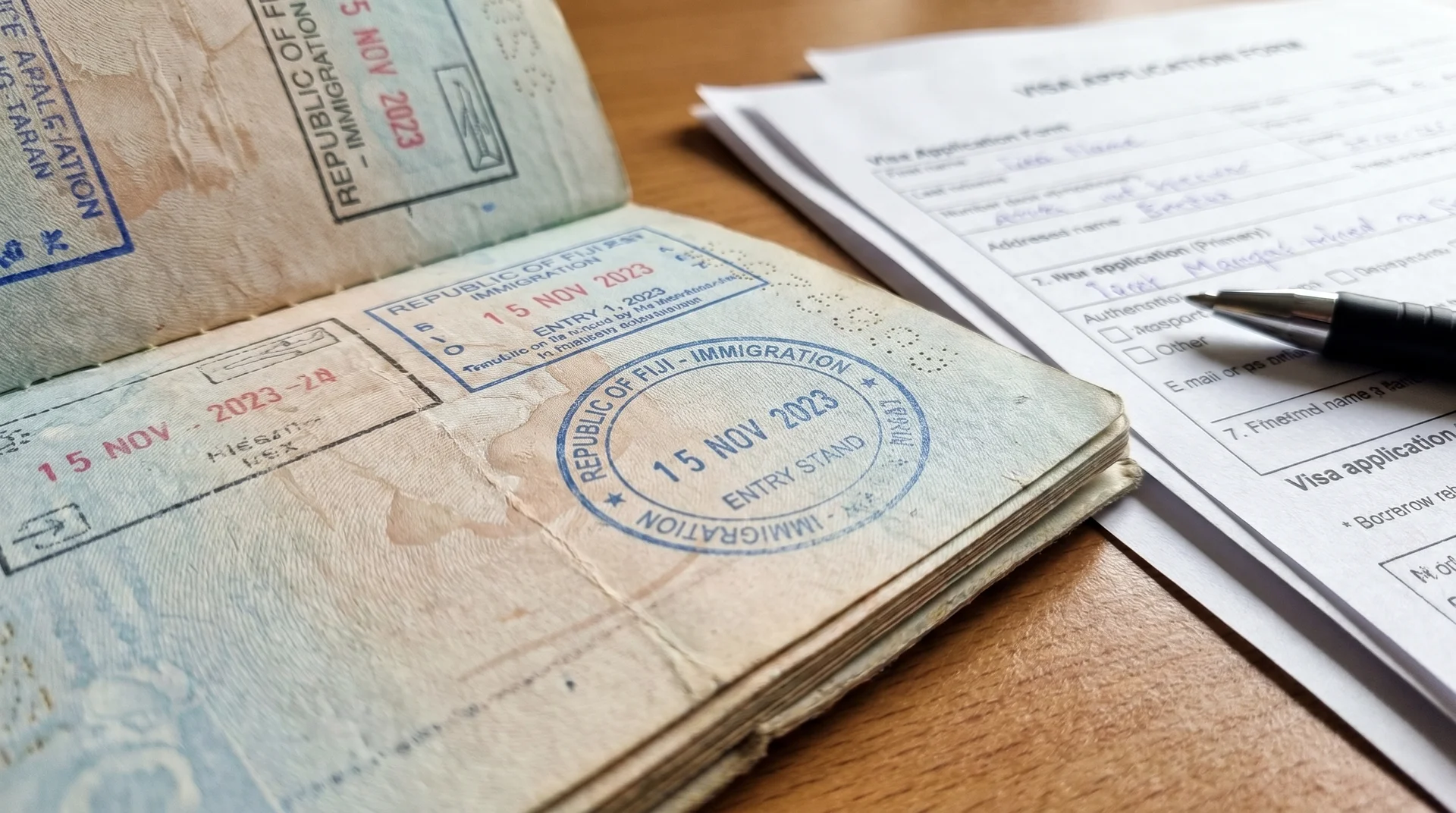
Arriving in Nauru with expectations of fresh tropical fruit and abundant organic dining is a massive logistical mistake. Decades of intensive phosphate mining have stripped the island of virtually all arable land, turning daily meals into an exercise in survival and near-total reliance on imported cargo. Understanding this before you board your flight shapes everything about how you plan your food situation.
- Diet staples: Spam, canned corned beef, instant noodles, white rice
- Fresh produce: almost non-existent, air-freighted at high cost
- Local delicacy worth seeking: coconut fish (raw tuna in coconut cream and lime)
- Cargo restocking cycle: every six weeks by ship
- Vegetarian or vegan? Bring your own dry food, no exceptions
The Reality of Nauru's Food Scene
The interior of Nauru is a jagged landscape of limestone pinnacles, the direct result of a century of phosphate extraction that began in 1906. Farming here is physically impossible. With the soil gone, locals and visitors alike depend entirely on the ocean and the cargo ships that dock roughly every six weeks.
When a ship is delayed, grocery store aisles sit completely empty. You face stark shelves with only a few token items clinging on until restocking day. This isolation shapes every meal on the island, pushing fresh vegetables out of the picture and making long-lasting, shelf-stable goods the absolute standard.
Nauru now carries one of the highest rates of obesity and type-2 diabetes in the Pacific, a direct consequence of this forced shift from a traditional reef-and-coconut diet to a processed-food economy. That context matters when you eat here: the food situation is not quirky or charming, it is a genuine public health crisis playing out on a 21-square-kilometre island.
Everyday Nauruan Diet: The Imported Staples
Spam and Canned Corned Beef
Without reliable local agriculture, protein has to survive long journeys across the Pacific. Spam and canned corned beef step in as the ultimate survival foods. They are cheap, indestructible, and completely integrated into daily culture.
You see Spam fried with eggs for breakfast, sliced into instant noodles, or thrown into heavy stews for dinner. It provides immediate calories and requires no refrigeration, making it the most practical ingredient in any Nauruan kitchen. Canned goods are not a novelty here, they are the foundation of the food supply.
Instant Noodles and Chinese Influence
Shelf-stable carbohydrates form the backbone of Nauruan pantries. Instant noodles are incredibly fast to prepare and serve as snacks, side dishes, or even main courses depending on the hour and what else is available.
A small but established Chinese community also heavily influences the local palate. Simple, calorie-dense Chinese food is widely available across the island's handful of takeaways. Fried rice, chow mein, and sweet and sour pork make up a large portion of the takeout culture, often adapted with a local twist such as Spam fried rice. The Aiwo District's main road hosts a cluster of Chinese-Nauruan family takeaways that fill up around noon when construction and government workers arrive for rice boxes.
Traditional Nauruan Food
Coconut Fish (Raw Tuna in Coconut Cream)
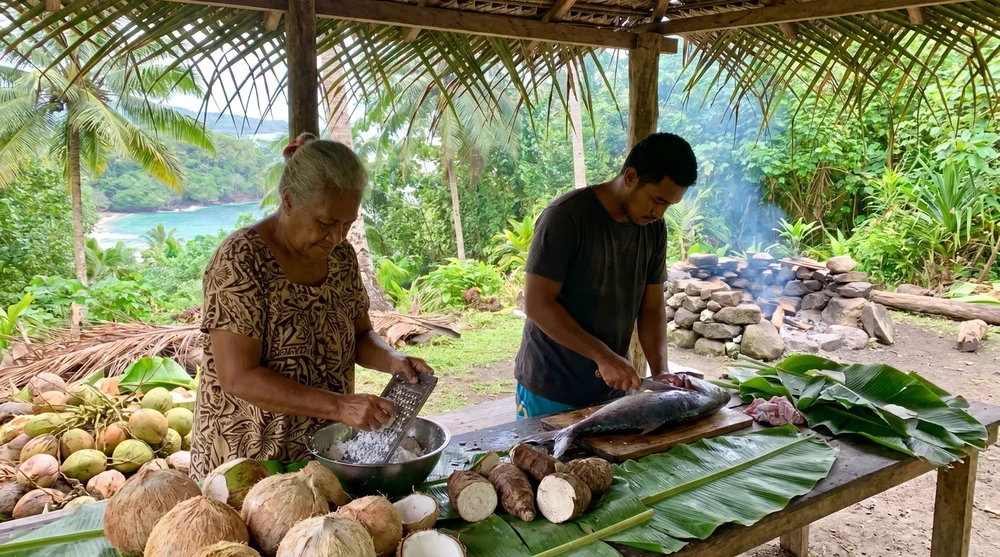
The ocean still provides. Tuna swims abundantly in the waters surrounding the island, and coconut fish is the most refreshing way to eat it and the one dish that genuinely reflects Nauru's pre-mining identity.
Freshly caught tuna is diced and soaked in thick coconut cream with sharp lime juice, then served raw. It cuts right through the heavy, processed nature of the everyday diet and gives you a genuine taste of the island's fishing heritage. Order it at Bayview Restaurant if it is on that day's menu, as availability depends entirely on the morning's catch.
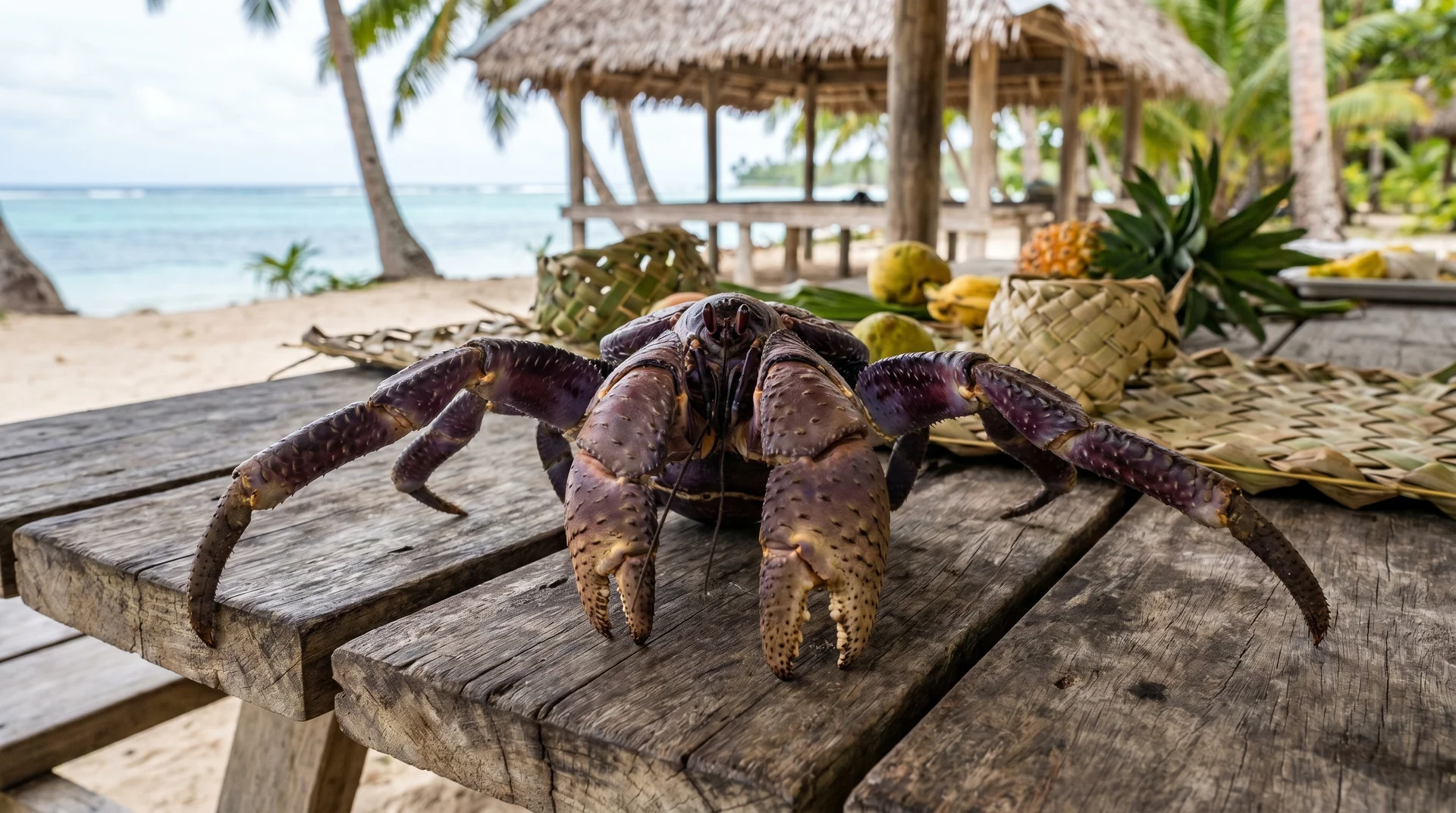
Itoj (Coconut Crab)
You will not find coconut crab on a standard restaurant menu. Wild coconut crabs are increasingly rare and hold deep cultural significance on the island. Locals reserve Itoj strictly for major life events: weddings, funerals, and Independence Day celebrations. Some families keep them in small enclosures, raising them specifically for these communal feasts.
If you are invited to a local celebration during your visit, this is the one item worth holding out for. Do not expect it from any commercial kitchen.
Noddy Bird
Noddy birds are small seabirds traditionally hunted by locals using large nets. Younger generations rarely practice these hunting techniques anymore, but roasted or grilled Noddy bird remains a meaningful part of Nauru's culinary memory, appearing occasionally at family gatherings rather than on any restaurant menu you will encounter.
Pandanus and Coconut (Historical Context)
Before phosphate extraction, Nauru's diet was built on coconut palms, reef fish, and pandanus groves. Pandanus cakes and coconut-based preparations were everyday foods. Today these ingredients survive mainly in ceremonial contexts, a reminder of what the island's food system looked like before the mining era began.
Where to Eat in Nauru
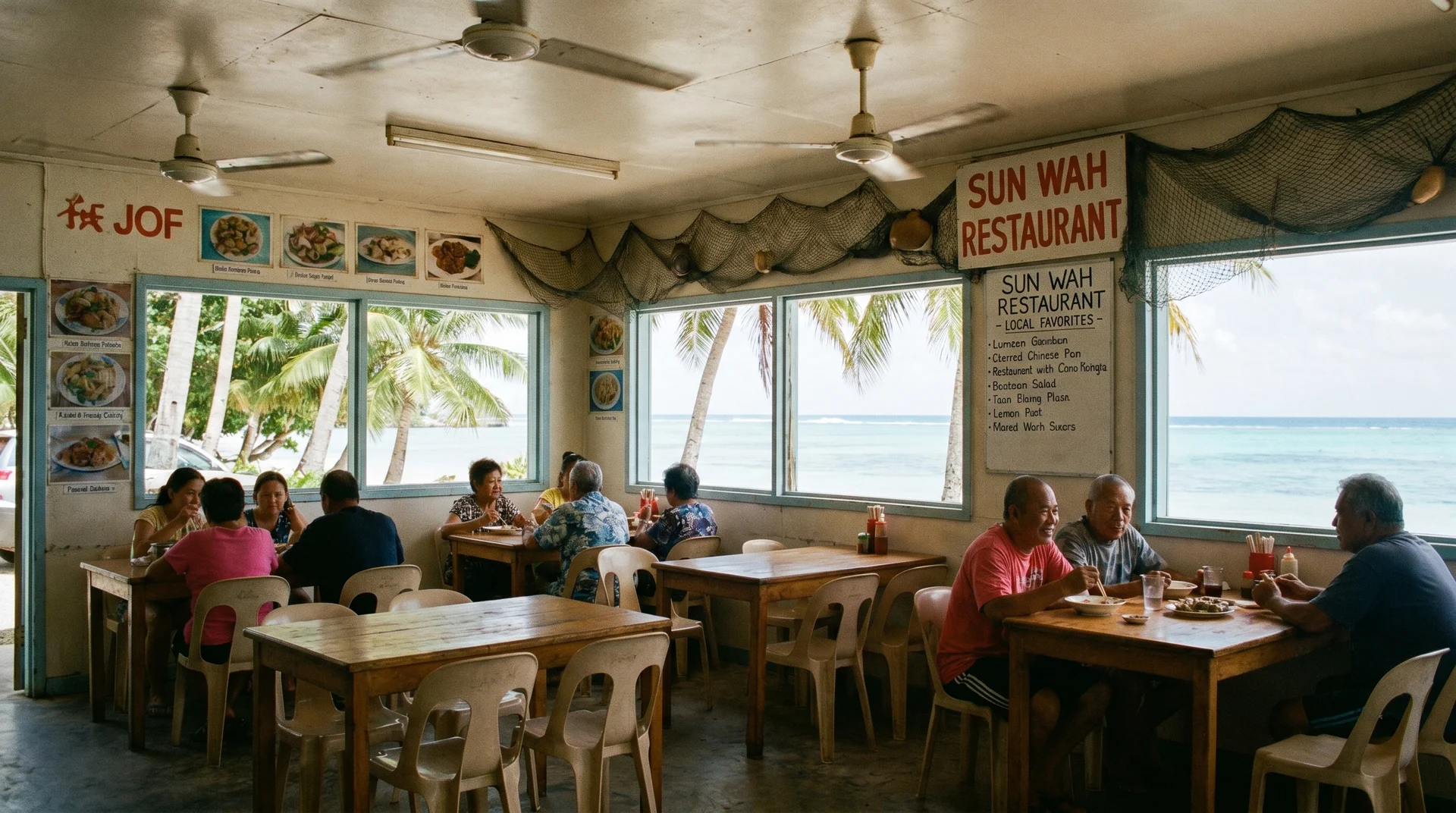
With a population of roughly 10,000 people in one of the world's smallest countries, the restaurant scene is precisely as limited as you would expect. There are no dining districts, no late-night food strips, and no delivery apps.
Tropicana Cafe
Set inside the Cappelle supermarket complex, Tropicana Cafe is a reliable sanctuary. The interior is air-conditioned, the layout is practical, and the coffee is genuinely strong, making it arguably the best coffee option on the island.
The menu offers a functional mix of Chinese, Filipino, and local Nauruan fusion. This is your best bet for a consistent, satisfying meal before heading out to explore, and a good place to stock up before any activities.
Bayview Restaurant
Head here for the ocean view and actual fresh seafood when it is available. The atmosphere is unpretentious, with the sea breeze doing most of the heavy lifting. Order the coconut fish here if it appears on the day's menu, as it represents the freshest and most authentically Nauruan option you will find in a formal setting. Bayview also functions as the island's closest approximation of a "special occasion" restaurant, with front, inside, and backroom dining for larger groups.
Anibare Bay Boat Harbour
A modest setup right by the water where local fishermen bring in their daily hauls. The menu occasionally features Indian dishes alongside standard island fare. The food is straightforward, filling, and designed for people who have spent time outdoors. The location near Anibare Bay makes it a practical lunch stop if you are exploring that stretch of coast.
Supermarkets and Self-Catering
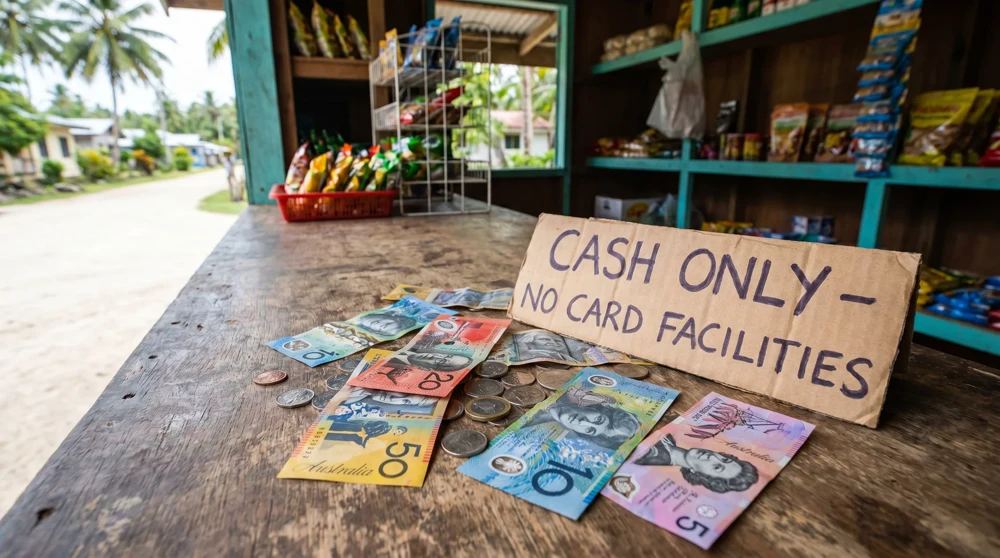
If you are staying more than a few days, factor in self-catering. Cappelle supermarket and the smaller shops around the island stock canned goods, noodles, rice, and occasionally fresh produce that arrives by air freight. Prices are significantly higher than you would pay elsewhere due to import costs and logistics. Buy what you see when you see it, because restocking schedules are unpredictable.
Survival Tips for Travelers with Dietary Restrictions
Can Vegans or Vegetarians Eat in Nauru?
Options for plant-based diets are practically zero without preparation. A fresh head of lettuce or a bundle of herbs is a luxury item that vanishes from shelves the moment an air-freight delivery arrives. Do not assume restaurants can accommodate vegan or vegetarian requests, as their base ingredients are already strictly limited by what ships bring in.
Pack your own lentils, protein bars, and dried nuts. Proper preparation is critical for extreme isolation. Visiting Nauru requires the same kind of dietary contingency planning you would apply to any remote expedition, not a standard holiday destination.
Eating Around a Shellfish or Fish Allergy
Seafood is the most readily available fresh protein on the island. If you have a serious fish or shellfish allergy, bring ample supplies of safe protein from home. The small number of restaurants cannot guarantee cross-contamination-free preparation.
Water
Tap water is not safe to drink in Nauru. The island relies on desalination, and bottled water is the standard. Factor this into your supply planning, especially if staying for an extended period. Bottled water is available in supermarkets but, like everything else, supply can be interrupted.
Planning Your Food Around Nauru's Other Highlights
The limited dining scene is one reason most travelers keep Nauru visits short and focused. If you are timing your trip, the best time to visit Nauru guide covers weather windows that also affect supply chain reliability, since rough seas can delay cargo ships. For exploring beyond the dining options, Command Ridge and Buada Lagoon are the island's two most compelling sites and both are manageable in a single day, which is how most itineraries here work.
Pack strategically, keep expectations honest, and treat coconut fish as the reward for arriving prepared.