Relying solely on Malta's public buses to see all three islands in a week often leads to hours wasted at sun-baked bus stops. Balancing a mix of ride-hailing apps, strategic ferry usage, and knowing exactly when a rental car becomes necessary keeps this compact Mediterranean trip stress-free and entirely on schedule.
The sequence below works as either a relaxed five-day plan or a fuller seven days, and the islands sit close enough together that you never spend more than 25 minutes crossing water between them.
- Currency: Euro (€)
- Power Plug: UK-style Type G (bring an adapter)
- Transport Apps: Bolt and eCabs (often cheaper and faster than Uber here)
- Bus Pass: Explore Card (€25 for 7 days of unlimited public transport)
- Gozo Ferry Fee: €4.65 per passenger (paid only on the return trip from Mgarr)
- Driving: Left-hand traffic
Malta Travel Logistics: Getting Around the Islands
Driving in Malta
Renting a car provides the ultimate freedom, especially for the southern coast and Gozo. Traffic flows on the left side of the road, a remnant of British rule. Speed limits are strictly 50 km/h in urban areas and 80 km/h on open roads.
Valletta is a restricted traffic zone with extremely limited access. Park your rental at the massive MCP Parking Garage just outside the city gates and walk in. Across the rest of the island, always look for white lines on the street; these indicate free public parking spots. If you are weighing the cost and the left-hand-driving learning curve, our overview of renting a car and driving in Malta breaks down what to expect.
Public Transport and Ride Apps
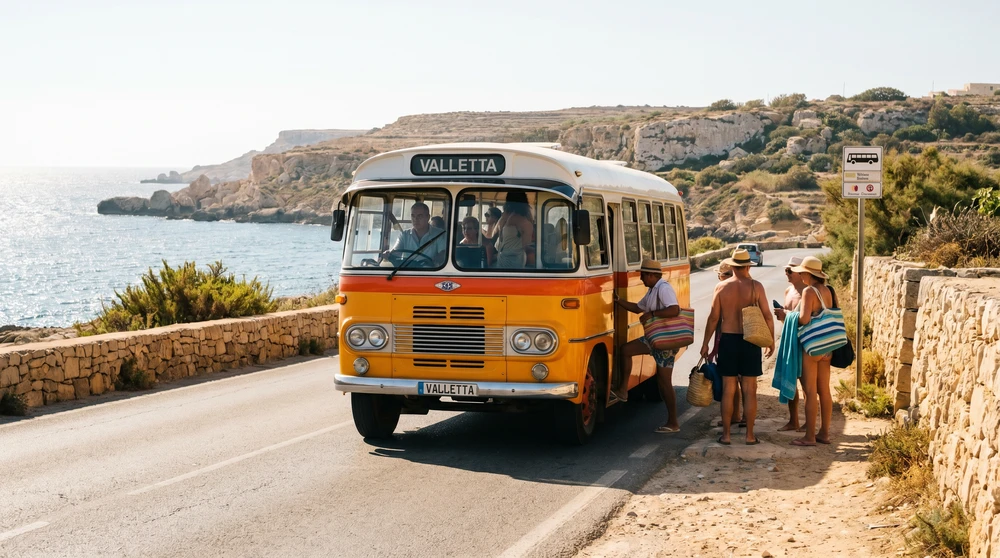
The public bus network, operated by Malta Public Transport, covers the entire island, and a 7-day Explore Card costs €25 for unlimited rides. However, routes suffer from frequent delays due to heavy traffic and winding roads. Download the Tallinja App to track real-time bus arrivals and avoid standing at empty stops. For a fuller breakdown of routes and tickets, see how getting around Malta by public transport actually works.
For tight schedules, Bolt and eCabs are highly efficient. They are reasonably priced and readily available, making them perfect for bridging the gap between major hubs and rural swimming spots without the commitment of a rental car.
7-Day Malta, Gozo, and Comino Itinerary Breakdown
Day 1: Valletta and The Three Cities
Valletta is tiny, hilly, and highly concentrated. Comfortable walking shoes are absolutely essential for navigating the steep, stepped streets. Start early at St. John's Co-Cathedral to beat the cruise ship crowds. The Baroque interior, heavily gilded and intricate, houses Caravaggio's largest masterpiece in the oratory.
Walk over to the Upper Barrakka Gardens for expansive, unobstructed views of the Grand Harbour. The traditional Saluting Battery fires its cannons right below the terrace every day at noon. There is far more to fill a full day here, and our rundown of the best things to do in Valletta covers the museums and viewpoints worth your time.
In the afternoon, catch the €2.80 return ferry across the harbor from Valletta Waterfront. The 10-minute ride drops you into the Three Cities of Birgu, Senglea, and Cospicua. The narrow medieval streets here offer a much quieter, highly authentic local atmosphere, and a slow wander through the Three Cities of Malta rewards anyone who likes history without the crowds.
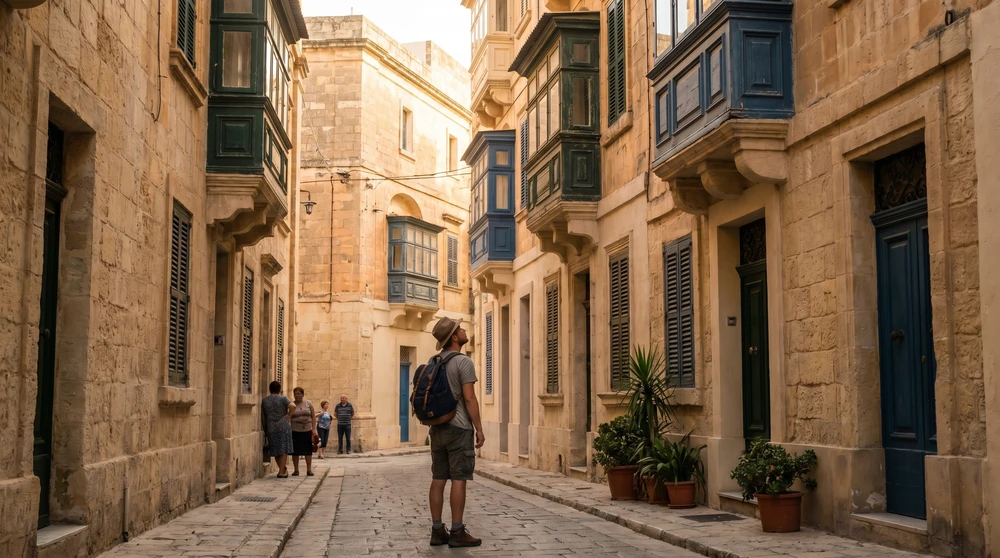
Day 2: The South Coast Highlights
This is the day a rental car or a quick Bolt ride becomes highly practical, because bus connections in the rural south are sparse. Head straight to the Blue Grotto in the morning. The sun angle illuminates the sea caves perfectly before noon, and the 20-minute traditional boat trip costs €10. If you want the timing and access details, the Blue Grotto Malta boat trip guide explains when the light is best.
Drive 15 minutes east to Marsaxlokk. This traditional fishing village, famous for its colorful luzzu boats, gets packed during the Sunday fish market. Visiting on a weekday provides a far more relaxed atmosphere for a fresh seafood lunch along the promenade, and the Marsaxlokk Sunday fish market is worth planning around if you do want the full spectacle.
End the afternoon at St. Peter's Pool. The natural limestone pool is deep, crystal clear, and completely devoid of sandy beaches. Bring water shoes to navigate the flat, rocky terrain comfortably, and the practical notes in our St. Peter's Pool Malta guide cover parking and the steep entry.
Day 3: Historic Center and High Cliffs
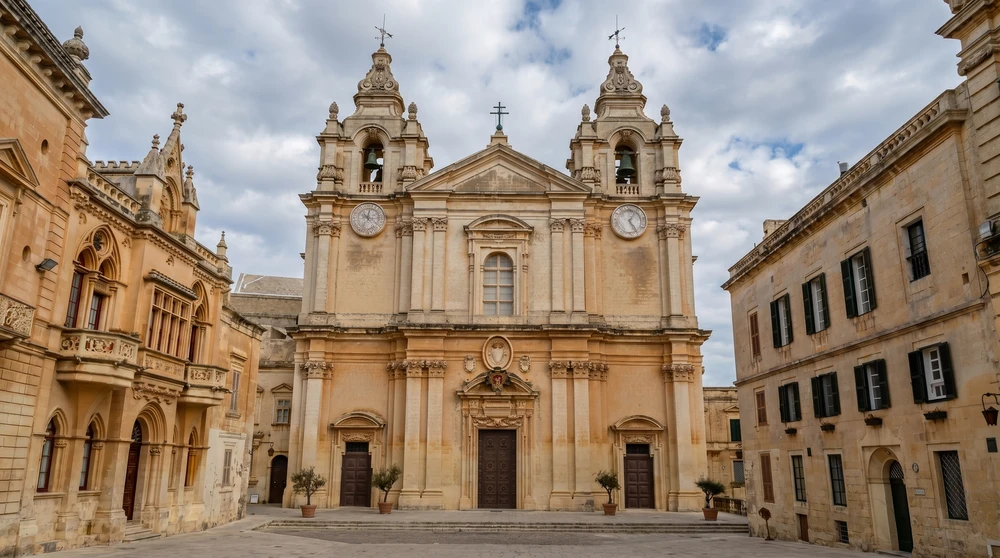
Mdina, famously known as the Silent City, prohibits most car traffic within its walls. The honey-colored stone architecture and narrow, shaded alleys feel entirely detached from the modern world. Walk the perimeter bastions for panoramic views across the central plains, and our look at Mdina and Rabat maps out the quieter back lanes.
Rabat sits right outside Mdina's main gates. Stop by the iconic Serkin Bar, also known as Crystal Palace, for traditional pastizzi. These flaky, savory pastries are sold for small change and are best consumed fresh out of the oven.
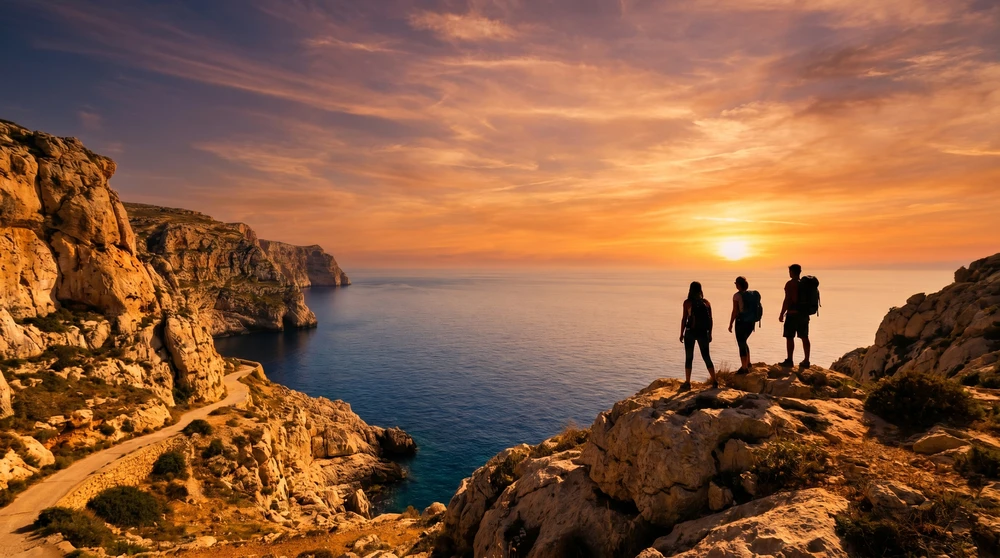
Head towards the western coast to reach the Dingli Cliffs before sunset. At 250 meters above sea level, these are the highest points in Malta. The sheer drop into the Mediterranean provides an exceptional, dramatic vantage point that ranks among the best sunset spots in Malta.
Day 4: Comino Island and Blue Lagoon
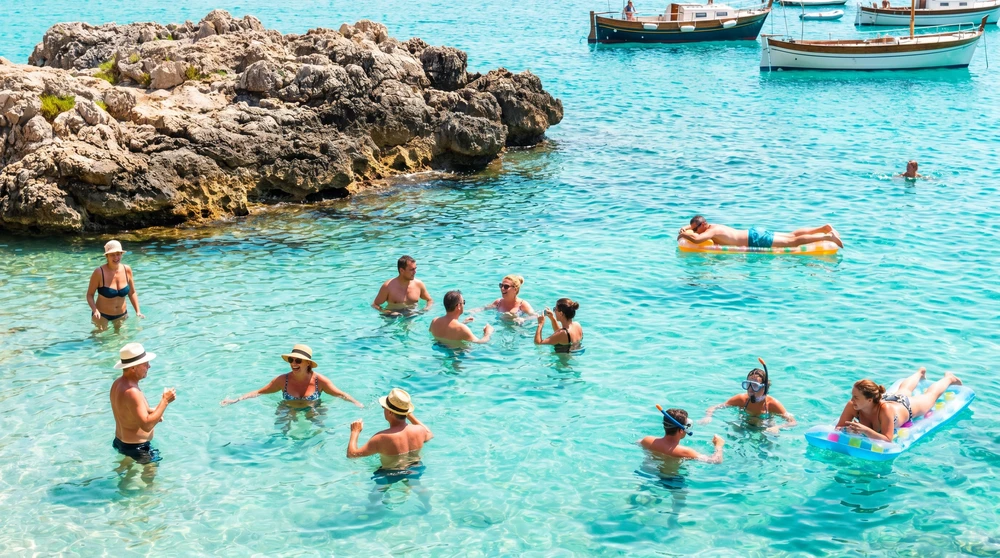
The ferry to Comino departs from the Cirkewwa Ferry Terminal in northern Malta, and round-trip tickets cost around €15. Arrive at the terminal by 08:00 or 09:00 at the latest. By 10:30, the tiny rock ledges around the Blue Lagoon are completely covered with day-trippers, and any natural shade disappears.
Once you have enjoyed the shallow, vivid turquoise waters of the Blue Lagoon, walk 10 minutes along the coastal dirt path to the Crystal Lagoon. The water here is deeper, making it an outstanding spot for snorkeling away from the dense crowds. Our full Blue Lagoon Comino guide covers the best arrival windows and what to pack for a shadeless island.
Day 5: Gozo Island, Victoria and the Citadel
The Gozo channel ferry from Cirkewwa operates 24 hours a day, 7 days a week, and the crossing takes 25 minutes. You simply drive or walk straight onto the boat; payment is collected exclusively at the Mgarr terminal on your return trip. If you want the timetable and the foot-passenger versus car distinction, the Malta to Gozo ferry guide lays it out.
Victoria is the geographic and commercial center of Gozo. The massive medieval Citadel dominates the skyline, offering 360-degree views of the rural landscape. Walk the fortified walls late in the afternoon for the best golden-hour lighting.
If you rely on public transport, note that most Gozo bus routes start and end in Victoria, often running only once an hour. Renting a car specifically for your days in Gozo makes exploring the rugged, scattered coastline significantly easier.
Day 6: Northern Gozo Nature
Wied il-Ghasri is a narrow, fjord-like gorge cutting sharply through the limestone cliffs. The pebbly cove requires a careful scramble down the stairs, but the sheltered, clear water is perfect for a quiet morning swim.
A short drive east brings you to the Xwejni Salt Pans. These geometric rock pools have been used for harvesting sea salt since the Roman era. The visual contrast between the white salt, beige rock, and blue sea is striking.
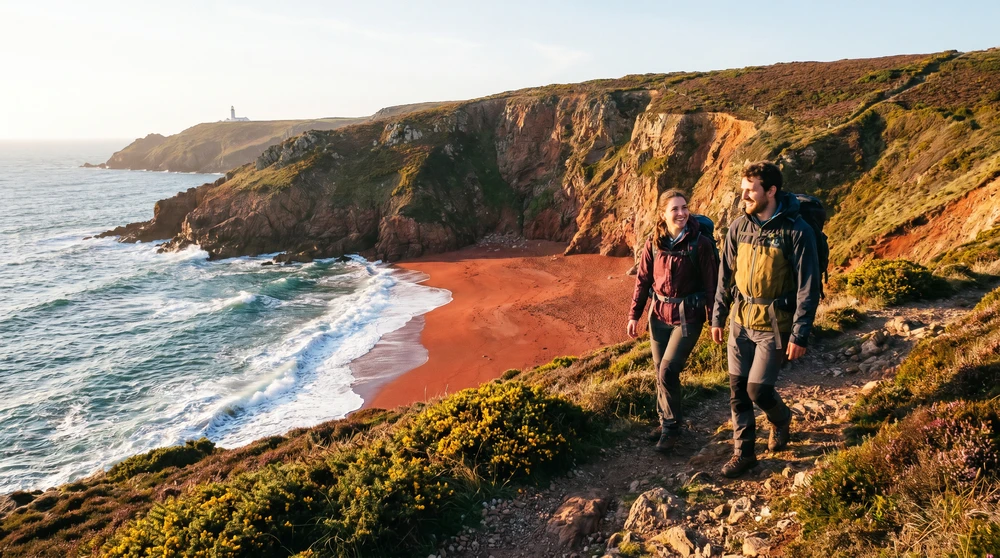
Spend the late afternoon at Ramla Bay. It is Gozo's largest and most accessible sandy beach, characterized by its unique red-orange sand. A 20-minute hike up the eastern hillside leads to Tal-Mixta Cave, providing a phenomenal panoramic frame over the entire bay. If beaches are your priority, our roundup of the best beaches in Malta and Gozo points to a few more worth the detour.
Day 7: Sliema, St. Julian's and Departure
Sliema and St. Julian's are modern, bustling, and highly connected. A fast 10-minute ferry ride connects Valletta directly to the Sliema waterfront. Swim right off the flat, rocky platforms, known locally as lidos, dotted along the long promenade.
Paceville, located within St. Julian's, handles the island's dense nightlife scene. If a loud night out isn't on the agenda, the restaurants surrounding Spinola Bay and Balluta Bay offer a pleasant, relaxed seaside dinner setting before you head to the airport.
Where to Stay for This Itinerary
Best Base on the Main Island
Sliema and St. Julian's provide the best balance of transport links, dining options, and accommodation budgets. You are always within walking distance of the Valletta ferry and major bus routes. Valletta is incredibly atmospheric for history lovers, but hotels carry a premium price tag, and parking a rental car nearby is a daily logistical hurdle. For a neighborhood-by-neighborhood breakdown, see where to stay in Malta before you book.
Best Base on Gozo
Victoria is the only practical choice if you are relying on public buses, as it serves as the island's central transit hub. Alternatively, Marsalforn or Xlendi offer beautiful, laid-back seaside bases if you have a rental car and prefer waking up right next to the water. If you plan to split your trip and sleep on the smaller island, our guide on where to stay in Gozo compares the main towns.
The smartest time to attempt all three islands in one trip is shoulder season, when ferries run frequently but the Blue Lagoon ledges are not yet shoulder-to-shoulder. Our notes on the best time to visit Malta explain how the crowds and sea temperatures shift month to month.