Securing a European base without falling into a tax trap means paying close attention to Malta's €42,000 income threshold and the 30 working day processing window. The Nomad Residence Permit balances upfront health insurance and card costs against a remittance-based tax system that can leave your first year of foreign income untaxed locally. This guide walks through who qualifies, how the application works, what you will actually pay in tax, and what it costs to live and work on the island in 2026.
- Visa duration: 1 year, renewable up to 4 years total
- Income requirement: minimum €42,000 gross per year (about €3,500 per month)
- Application fee: €300 per person, plus €100 for the residence card
- Processing time: roughly 30 working days
- Tax incentive: no local tax on unremitted foreign income in year one, then a 10% flat rate
Malta Digital Nomad Visa Requirements for 2026
The Residency Malta Agency scrutinizes applications tightly, focusing heavily on the financial stability of the applicant. Preparing the exact paperwork prevents unnecessary delays or outright rejections during the background check phase. Before you commit, the cost of traveling and living in Malta deserves a careful look, since the monthly math is what puts the income threshold into real context.
The €42,000 Income Threshold Explained
You must prove a gross yearly income of at least €42,000, which works out to roughly €3,500 per month. The agency assesses this against your bank statements and contracts, and you need to show a guaranteed income source for at least the first five months from the day you apply.
Only active income from professional activities counts toward this threshold. Passive income streams, such as stock dividends, interest on deposits, or rental yields, are excluded from the calculation. Your income must originate from a foreign employer, your own foreign-registered business, or international freelance clients.
Eligible Nationalities (Third-Country Nationals)
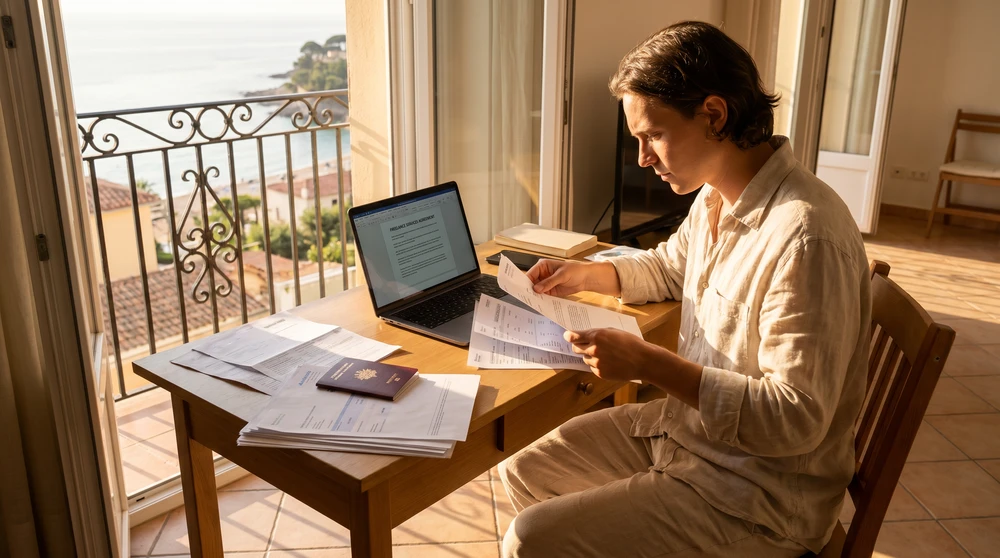
This program targets third-country nationals, meaning citizens from outside the EU, EEA, and Switzerland. If you hold a passport from these European regions, you already have the right to reside in Malta and do not qualify for this specific permit.
The visa strictly forbids seeking local employment. You cannot take on Maltese clients or work for companies registered within Malta's borders.
Step-by-Step Application Process
Malta uses a two-phase approval system. You handle the initial document submission online, while the final biometric capture happens in person on the island.
Required Documents and Health Insurance
Gathering documents before starting the online portal saves you from sessions timing out. Make sure your passport has enough validity for the entire year of your intended stay.
- Completed N4 application form
- Signed letter of intent explaining your remote work setup
- Bank statements covering the last 3 months
- A clean police conduct certificate from your home country
- Proof of remote work, such as an employment contract or freelance agreements
Health insurance is mandatory. You must secure a comprehensive policy that covers medical expenses across Malta and the broader EU for the entire duration of your permit. Standard short-term travel insurance is usually rejected, so if you are still comparing providers, a dedicated nomad plan from a long-stay insurer is the safer route.
Submitting to the Residency Malta Agency
Submit everything through the official Residency Malta Agency portal and transfer the €300 non-refundable application fee. The background verification and document authentication process takes about 30 working days from the date the agency confirms receipt of your payment.
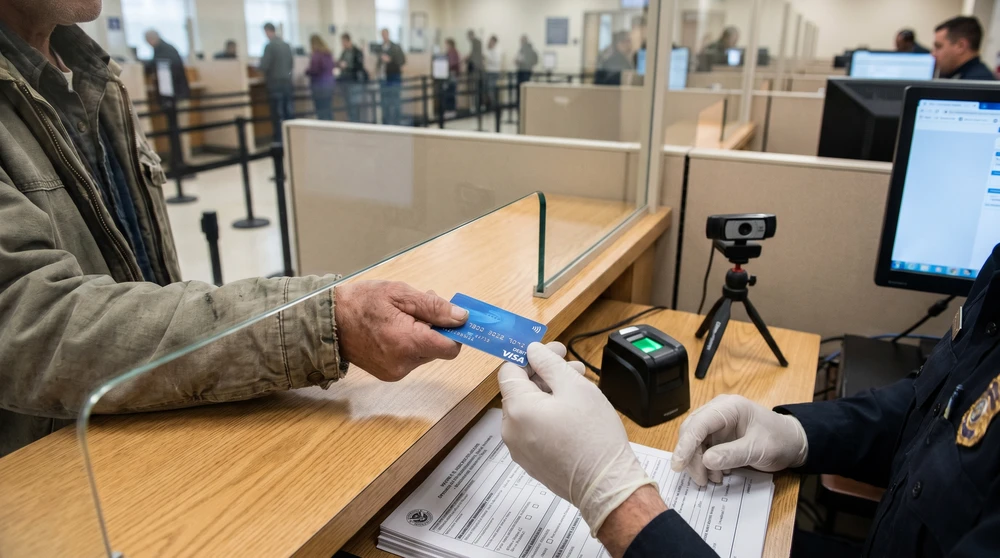
Once cleared, you receive a Letter of Approval in Principle. You then have 30 working days to upload your proof of accommodation, such as a signed 12-month lease agreement. Finally, travel to Malta, book an appointment at the agency for your biometrics, and pay the €100 card issuance fee. Bring a credit or debit card for this final step, as the office refuses cash payments.
Tax Implications for Digital Nomads in Malta
Living in Malta for more than 183 days a year generally makes you a tax resident. However, the Nomad Residence Permit overrides standard progressive local tax brackets with an aggressive incentive structure.
The 10% Flat Tax Rate and the First-Year Exemption
Malta operates on a remittance-based tax system for foreign residents. You only pay local tax on the income you physically bring into the country, while money left in foreign accounts remains untaxed in Malta.
For digital nomads holding this specific permit, foreign income earned outside Malta during the first 12 months is exempt from local tax as long as it is not remitted. After the first year, authorized work income falls under a flat 10% rate. You also stay exempt from local Maltese social security contributions, though this means you do not build up local pension or unemployment benefits.
Special Rules for US Citizens
US citizens face worldwide taxation by the IRS, regardless of local Maltese exemptions. You still need to file a US tax return every single year.
You can lower your US tax liability using the Foreign Earned Income Exclusion (FEIE) or the Foreign Tax Credit (FTC). Keep in mind that freelance digital nomads remain liable for the 15.3% US self-employment tax, which covers Social Security and Medicare. These expat tax provisions reduce income tax but do not erase self-employment obligations.

Cost of Living in Malta (2026 Estimates)
Your monthly budget swings widely depending on the neighborhood you choose. Coastal hotspots demand premium pricing, while heading inland or to the sister island of Gozo cuts rent costs significantly. The figures below focus on long-stay nomad budgets; for other angles, compare our breakdowns of the cost of living for students and realistic daily travel costs in Malta.
Renting in Sliema, St. Julian's, and Gozo
Sliema and St. Julian's serve as the primary hubs for expats and remote workers. The infrastructure is robust, cafes line the promenades, and English is the default language. Expect to pay between €1,100 and €1,500 per month for a standard one-bedroom apartment in these areas.
Gozo offers a stark contrast. The island is quieter, heavily agricultural, and moves at a noticeably slower pace. Renting a modern one-bedroom apartment here costs closer to €700 to €900.
| Location | Vibe and Infrastructure | Average 1BR Rent |
|---|---|---|
| Sliema / St. Julian's | Cosmopolitan, high networking, noisy | €1,100 - €1,500 |
| Valletta | Historic, cultural, premium boutique style | €1,200 - €1,600 |
| Msida / Gzira | Budget-friendly, close to central hubs | €900 - €1,100 |
| Gozo | Rural, quiet, nature-focused | €700 - €900 |
Daily Expenses and Transportation
Beyond rent, day-to-day costs are moderate: a weekly grocery run lands around €60 to €80, and an inexpensive meal out is about €17. Public transport is cheap, with a personalised Tallinja card cutting bus fares to roughly €1.50, while a Bolt ride across the central district runs €8 to €12. Our guide to getting around Malta by public transport lays out the full fare and pass breakdown.
Internet Speed and Top Coworking Spaces
Malta's digital infrastructure easily supports high-bandwidth remote work. 5G coverage is strong across the urban core of Sliema, St. Julian's, Gzira, and Valletta, with real-world speeds often between 200 and 400 Mbps. Home fibre is widely available, with plans running from a basic 100 Mbps package up to 2.5 Gbps, typically costing €25 to €45 per month.
Dedicated coworking spaces cluster along the eastern coast, and most offer a mix of day passes and monthly desks. Pricing below reflects published 2026 rates, but confirm directly with each venue before committing.
- SOHO Office Space: locations in Gzira and St. Julian's, with day passes around €30 to €35 and dedicated desks starting near €325 per month. The draw is the in-house gym, rooftop lounges, and weekly networking events popular with the iGaming and fintech crowd.
- 230works: based in Mosta, this is one of the most affordable options, with a hot-desk day pass from roughly €10 to €20 and soundproof booths for focused calls.
- SC Coworking: set in Pembroke, it pairs a coliving campus with a pool and fast internet, charging roughly €189 for a 28-day flexible desk pass.
Many cafes in Sliema and Gzira also tolerate laptop workers for the price of a coffee, which makes a useful backup on days you do not need a dedicated desk.