Underestimating the isolation of the Cocos (Keeling) Islands will instantly blow your travel budget, especially when you realize nearly every single item is imported. You need to plan your daily expenses down to the last dollar because running to a nearby ATM is simply not an option when the island's limited cash points run dry.
- Currency: Australian Dollar (AUD)
- Average daily budget (excluding flights): $150 to $300 AUD
- Flight frequency: Twice weekly from Perth via Qantas/QantasLink (nonstop Friday, via Christmas Island Monday)
- ATM access: Extremely limited, machines on West Island and Home Island frequently run out of cash
- Payments: Cards widely accepted for accommodation, cash required for the $2.50 ferry and small vendors
Why Are the Cocos (Keeling) Islands Expensive?
The Cost of Isolation and Imports
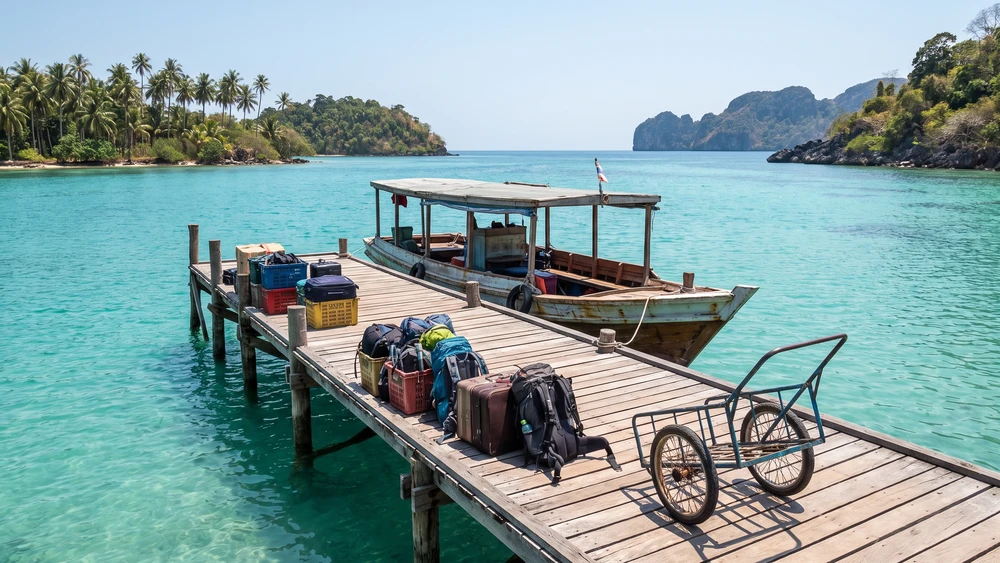
Freight dictates the economy here. Ships from the mainland arrive only every four to six weeks, pushing the baseline price of everyday goods sky-high.
Fresh produce, dairy, and basic household items cost significantly more than you would ever pay in a major Australian city. The islands lack domestic manufacturing, so every fuel drop, building material, and food package travels thousands of kilometers across the Indian Ocean.
Flight Costs: Getting to the Cocos Islands
Qantas Routes from Perth
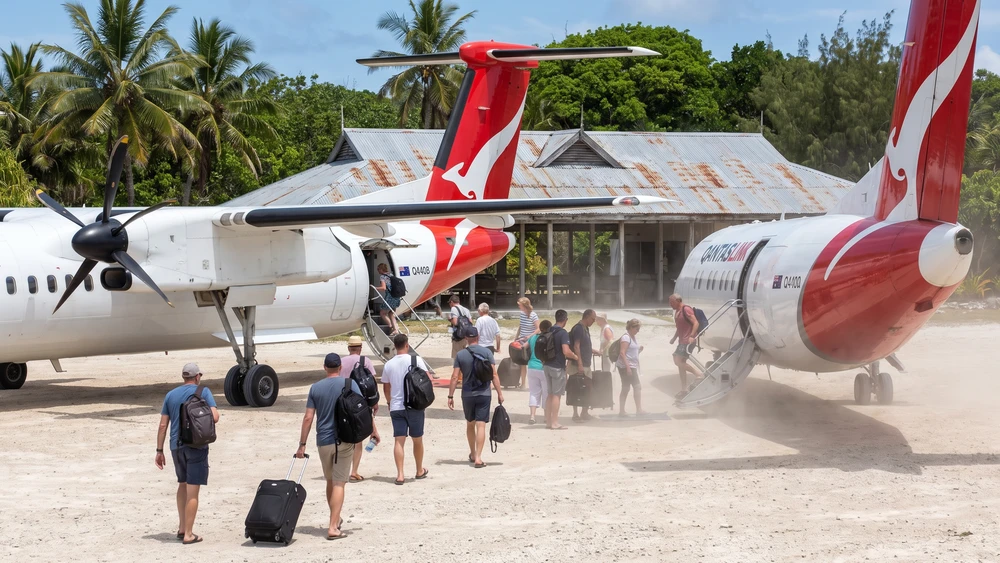
Getting a seat on a plane is your first major financial hurdle. QantasLink now operates the only commercial route since taking over from Virgin Australia in late 2025, flying from Perth just twice a week. The Friday service runs nonstop and cuts the trip to about four hours, while the Monday flight still routes through Christmas Island. Return fares typically land between $850 and $1,450 AUD, and prices spike further during the December to January peak season.
Booking months in advance is the only reliable way to secure a reasonable fare. Keep your carry-on light too, since checked bags are often the first items offloaded when a flight nears its weight limit. You cannot rely on last-minute budget airline deals here. This twice-weekly bottleneck is typical of remote territories; Marshall Islands travel costs follow a similarly sparse flight schedule that forces the same months-ahead booking habit.
Accommodation Prices on West Island
Budget vs. Mid-Range Options
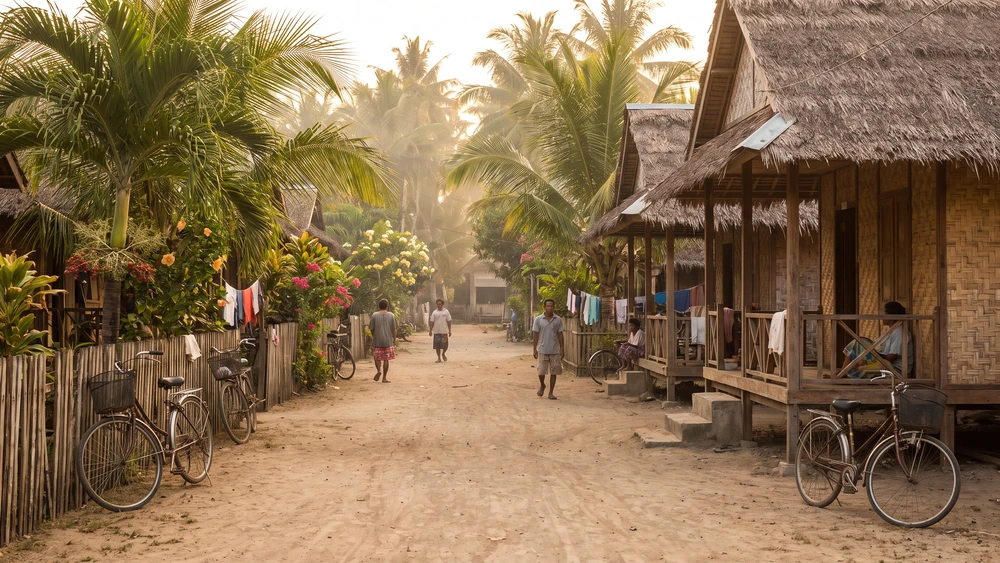
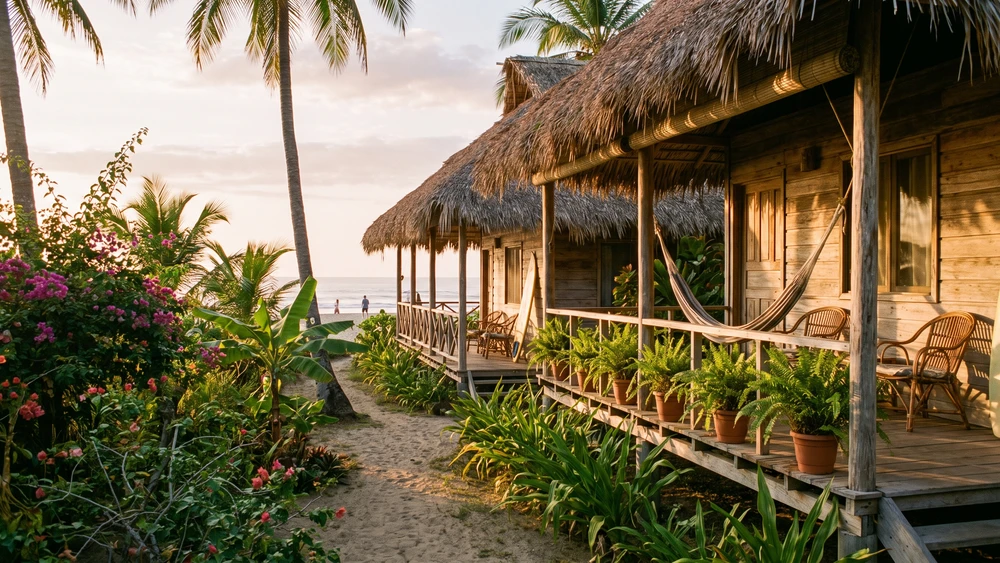
You will not find towering luxury resorts or international hotel chains here. The lodging scene is intimate, heavily leaning toward self-contained units, guesthouses, and small bungalows on West Island. Budget-conscious travelers can secure basic rooms with shared facilities at the lower end of the price scale, well below what a private unit costs.
Upgrading to a mid-range, private bungalow with ocean breezes and a fully equipped kitchen sits at the higher end of what's available, and this is where most visitors land since true budget dorm-style rooms are scarce. Booking early secures the better deals, since the total number of beds on the island is strictly capped and fills up fast once flights are confirmed.
Food and Drink Costs
Grocery Prices for Self-Catering
Self-catering is the ultimate survival tactic for your wallet. The local supermarket on West Island stocks the essentials, but expect severe sticker shock on fresh vegetables and meat. A basic grocery haul for a few days of homemade meals adds up to a noticeably higher total than the same shopping trip back on the mainland. Timing your visit around the arrival of the supply ship guarantees fresher produce, but prices remain universally high.
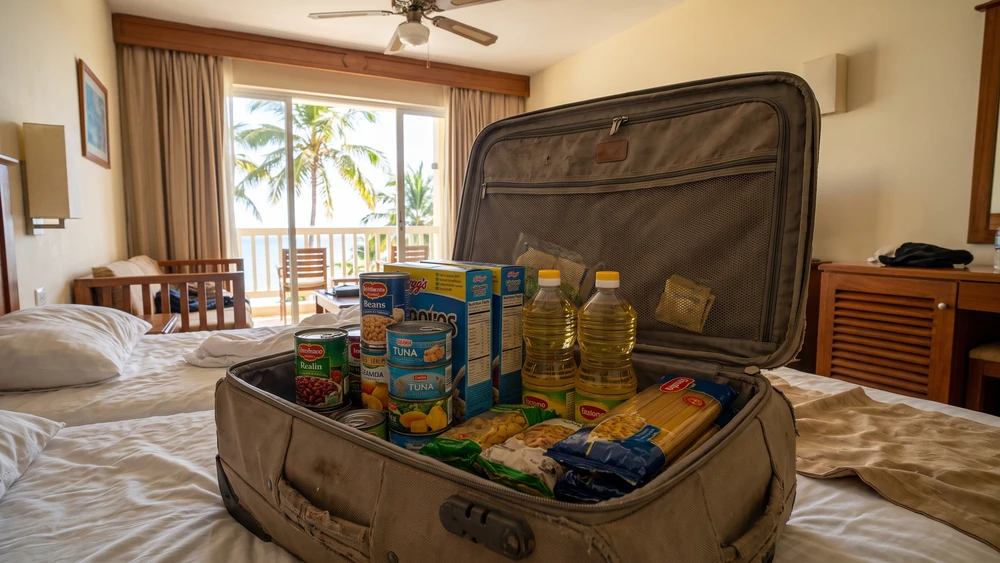
Seasoned visitors pack non-perishables from Perth instead of buying everything on the island. Frozen meat, cooking oil, cereal, and other shelf-stable staples in your checked baggage cut your on-island grocery bill dramatically, though customs requires a receipt for every food item to confirm it came from a legitimate store back home.
Eating Out on West Island and Home Island
Dining out feels more like a community event than a commercial transaction. Local cafes and casual eateries offer hearty meals at a price that reflects the cost of shipping every ingredient in, so check the board or menu on arrival rather than assuming mainland Australian prices. Home Island presents incredible opportunities to taste authentic Cocos Malay cuisine.
Traditional dishes like spicy curries and fresh seafood are relatively affordable compared to the West Island cafes. Operating hours are notoriously erratic and seating is limited to a handful of venues, so grabbing dinner often means signing up on a reservation board earlier in the day.
Activities and Transport Budget
Scuba Diving and Island Hopping Tours
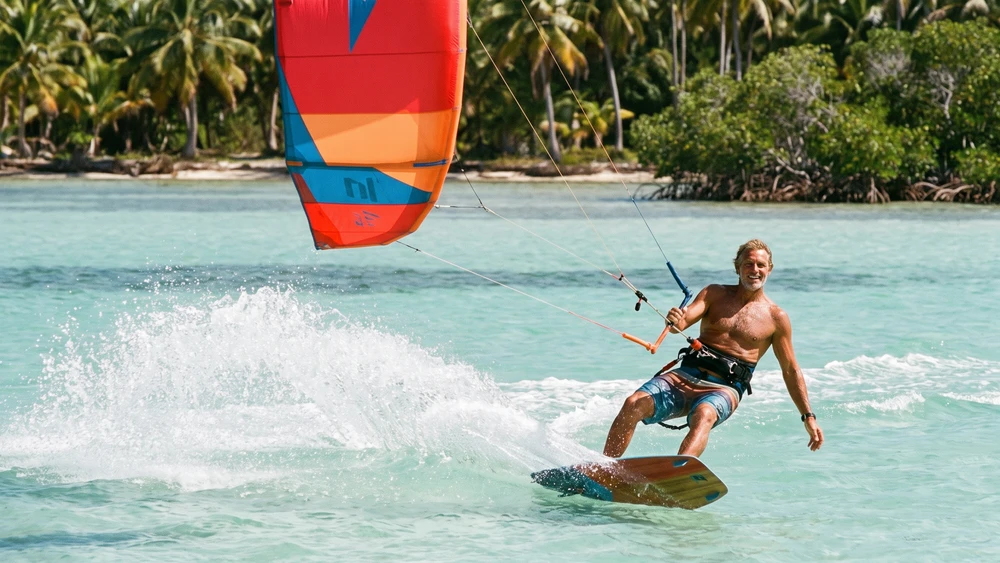
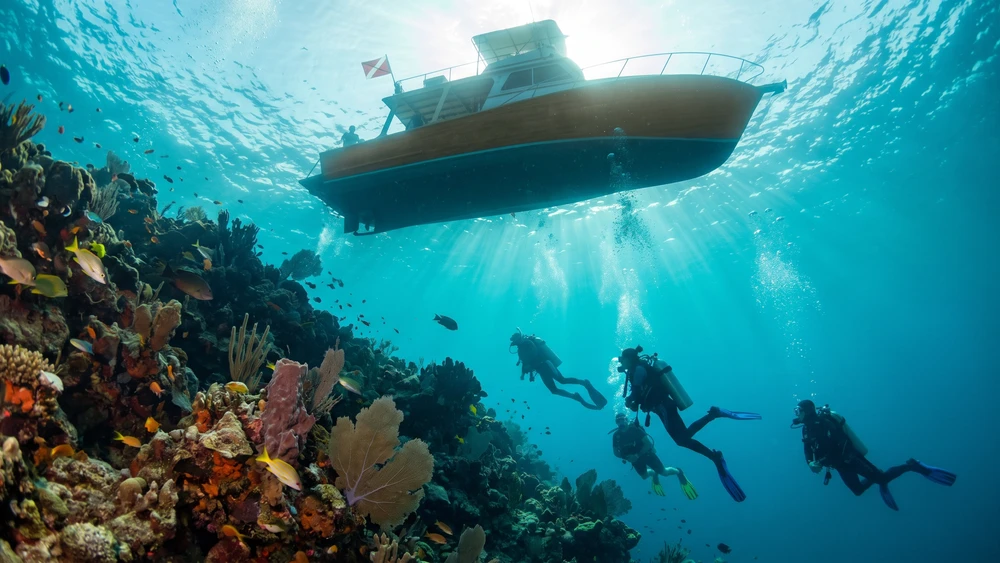
The real draw is the untouched marine environment. A standard two-tank scuba dive sits around $180 to $200 AUD. Snorkeling gear hire at the Visitor Centre is incredibly cheap, costing just a few dollars a day, making it the most cost-effective way to explore the reefs. Motorized canoe tours or glass-bottom boat trips to the spectacular Direction Island generally run about $80 to $120 AUD per person.
Cocos Dive is the only dive operator on the islands, so pre-booking is essential since there is no competing outfit to fall back on if a slot fills up. If you would rather explore Direction Island on your own, the passenger ferry only runs there on Thursdays and Saturdays, so build your snorkeling day around that fixed schedule.
Renting Cars, Scooters, or Bicycles
The islands are mostly flat and highly accessible, though West Island's tropical heat makes an unshaded bike ride tougher than it looks on a map. Bicycles are the transportation method of choice, often available for $15 to $20 AUD a day, and a local bus covering the settlement to the jetty runs for just $0.50 per trip if you would rather skip pedaling. Scooters provide a bit more range for around $40 AUD daily. If you absolutely need a rental car or a double-cab ute to haul heavy diving gear, prepare to spend upwards of $80 AUD per day.
Cash, ATMs, and Banking on the Islands
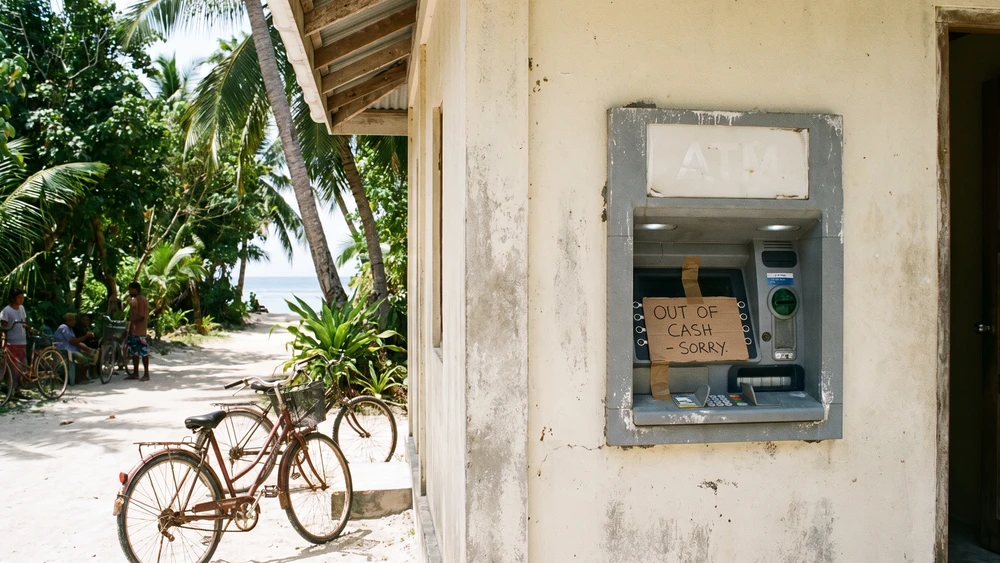
Relying entirely on plastic is a rookie mistake here. A single ATM operates at the Community Resource Centre on West Island, dispensing exactly $100 at a time with a $2.50 transaction fee. Another machine sits inside the Home Island supermarket.
Both machines routinely run completely out of cash if a supply plane is delayed, so do not count on a working ATM once you land. Bring enough physical Australian Dollars from the mainland to cover the $2.50 ferry, small vendors, and unforeseen emergencies. Travelers comparing notes with Tuvalu travel costs will recognize the same cash-only discipline that comes with visiting a remote Pacific or Indian Ocean atoll.
Total Daily Budget: How Much Do You Need?
Combining all these factors gives you a solid financial roadmap. A frugal traveler utilizing a bicycle, cooking most meals, and doing free shore-based snorkeling can scrape by on $150 AUD a day. A more comfortable mid-range trip, factoring in a scooter rental, regular restaurant dinners, and a few guided dive trips, requires a daily budget closer to $300 AUD. Add the hefty initial flight cost, and a one-week adventure will realistically demand a total baseline of $2,500 to $3,500 AUD per person.
Build in extra buffer for delays too, since gaps in the twice-weekly flight schedule mean a missed connection could leave you waiting several days for the next available seat. Nauru travel costs run high for nearly identical reasons: isolation, import dependency, and a single gateway flight.