Booking a flight to the Cocos (Keeling) Islands without aligning your dates to your specific on-water goals guarantees a frustrating trip marred by either zero wind for kitesurfing or heavy lagoon chop that completely ruins diving visibility. Selecting the wrong window also places you right in the path of tropical cyclones that frequently suspend the island's hyper-limited flight schedule. Balancing these atmospheric shifts against rigid logistics is the only way to secure a successful trip to this remote Australian territory.
- Peak Kitesurfing Months: June to October (consistent 15-25 knot trade winds)
- Peak Diving Visibility: November to March (calm doldrums, 25m+ clarity)
- Tropical Cyclone Risk Window: November to April (potential flight delays)
- Weekly Flight Frequency: twice per week (Mondays and Fridays via QantasLink)
- Departure Terminal: Perth Airport (PER) Terminal 1 International (photo ID mandatory)
- Total Visitor Bed Capacity: exactly 144 beds across the entire atoll
Understanding the Two Distinct Seasons of the Indian Ocean Atoll
The Indian Ocean climate governing this atoll does not follow standard continental weather patterns, operating instead on a strict binary system dictated by global wind belts. You will experience radically different environmental conditions depending solely on whether your dates fall into the trade winds or the doldrums.
The Trade Winds Season (May to October)
Continuous south-easterly breezes dominate the archipelago for these six months, offering a natural cooling effect that lowers the tropical humidity. Air temperatures hover reliably between 25°C and 28°C during the day, while the ocean stays at a comfortable 26°C.
This constant airflow creates a rhythmic, predictable environment where afternoon squalls are rare. It is the driest period of the year, making it ideal for land exploration and wind-dependent sports.
The Doldrums Season (November to April)
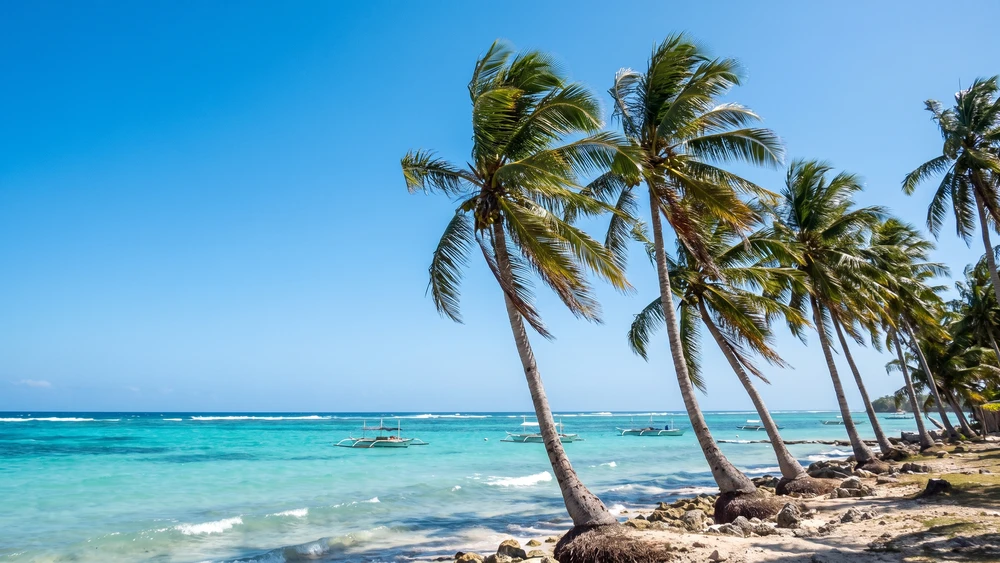
Winds drop significantly or become highly variable during this period, causing the surface of the massive lagoon to resemble a sheet of glass. Humidity rises noticeably as the cooling breezes disappear, and water temperatures peak between 28°C and 29°C around February and March.
The lack of wind transforms the atoll into a tranquil aquatic playground. However, this stillness comes with an atmospheric tradeoff that requires careful planning.
A single shift in pressure can trigger sudden tropical downpours or activate the regional cyclone matrix.
Activity-Based Timing: Kitesurfing Winds vs Diving Visibility
Choosing when to visit depends entirely on whether your priority lies above or below the water surface. The two main seasons serve opposite sporting demographics, meaning one group's perfect weather is the other's worst nightmare.
When to Pack for Pristine 25-Meter Lagoon Clarity
If your goal is exploring the pristine marine park or drifting the famous Rip at Direction Island, you must target the doldrums season from November to April. The absence of south-easterly trade winds eliminates surface chop, preventing sand from being stirred up across the shallow sandy flats.
Visibility below the surface frequently exceeds 25 meters during these calm months. Underwater photographers find these conditions ideal for wide-angle shots of green turtles, reef sharks, and healthy coral gardens without fighting strong surface swells.

Catching the Most Reliable Trade Winds for Kitesurfing
Kitesurfers and windsurfers should focus exclusively on the months between June and October, when the trade winds blow at a constant 15 to 25 knots from dawn until dusk. Kite Beach at the southern tip of West Island becomes a world-class playground during this window.
The shallow, waist-deep waters of the lagoon provide ultra-smooth freestyle conditions behind the reef ledge. You do not need to check daily forecasts during these months; the wind is a permanent geographical feature.

Crucial Logistics: Cyclone Risks and Flight Predictability
Logistical constraints are just as critical as the weather due to the extreme isolation of the atoll.
Managing the November to April Tropical Cyclone Window
While the doldrums offer unparalleled diving conditions, this window directly coincides with the official South Indian Ocean cyclone season. A severe weather system can stall over the region, resulting in localized flooding, high winds, and immediate flight cancellations.
Because there is no alternative transport to the mainland, a delayed flight can leave you stranded on West Island for days. Purchasing comprehensive domestic travel insurance that specifically covers weather-induced disruptions is mandatory before departure.
QantasLink Flight Frequencies and Perth Departures
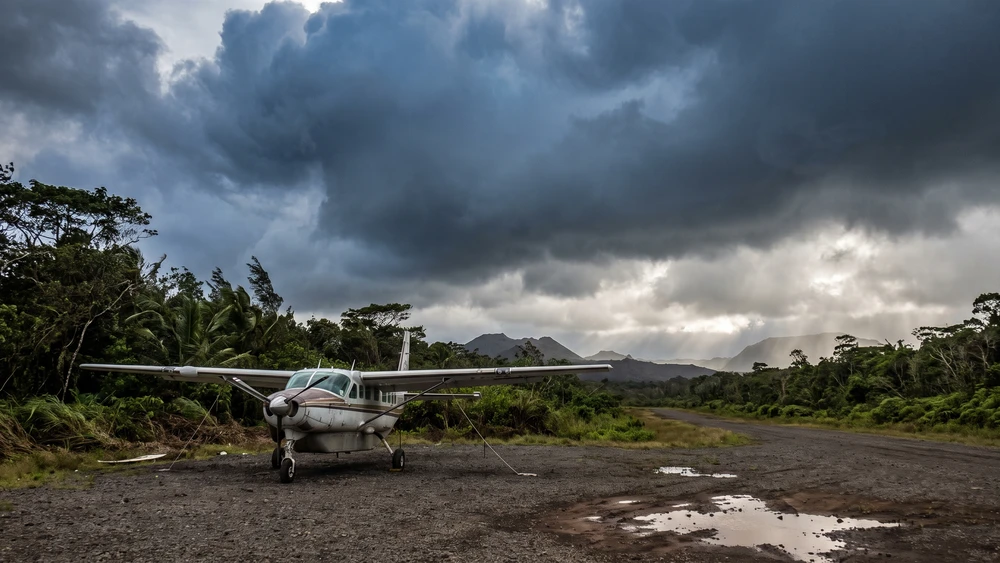
QantasLink operates flights to Cocos (Keeling) Islands Airport (CCK) only twice per week, specifically on Mondays and Fridays. The route departs from Perth Airport Terminal 1, which handles international departures, meaning you must clear customs and immigration despite staying within Australian legal territory.
Valid photo identification is strictly required at check-in. The direct Friday service takes just over four hours, while the Monday flight runs closer to six hours with a transit stop at Christmas Island.
Missing a flight means waiting three to four days for the next available aircraft.
Navigating the Island Micro-Economy Without Crowds
The tiny scale of local tourism protects the islands from standard commercial overcrowding, yet it creates a highly rigid booking ecosystem. You cannot simply show up and look for a place to stay or a vehicle to rent.
The 144-Visitor Cap and Accommodation Booking Windows
Local authorities cap the total number of simultaneous visitors at exactly 144 beds across the inhabited islands. Because of this structural limit, accommodation options like timber bungalows or self-contained cottages book out up to a year in advance during school holidays and the peak winter season.
Car and moped rentals are similarly scarce on West Island. You must secure your accommodation vouchers and vehicle confirmations before finalizing your airline tickets.
Food Supply Logistics and Customs Receipt Rules for West Island
Fresh produce arrives exclusively via the fortnightly air freight or sporadic supply ships, meaning supermarket shelves on West and Home Islands face frequent shortages. Local eateries operate on a rotating schedule, opening only on specific days of the week, which requires checking the community boards daily.
You can bring your own food boxes from Perth to bypass these shortages, provided you avoid restricted items like tomato stems or fresh honey. Ensure you keep all grocery store receipts handy, as Australian Customs officers inspect all baggage for fresh produce upon arrival on West Island.