Stepping onto Home Island unprepared for its strict cultural etiquette and rigid ferry schedule can completely derail your journey across the Cocos (Keeling) Islands lagoon. While West Island serves as the primary tourist hub, this tiny coral atoll operates under its own distinct rhythm and traditional Islamic customs. Respecting these local boundaries ensures a seamless, welcome visit to one of the world's most isolated communities.
- Ferry Cost: $2.50 AUD per person, each way
- Departure Point: Rumah Baru Ferry Terminal (West Island)
- Mandatory Dress Code: Shoulders and knees fully covered
- Official Currency: Australian Dollar (AUD)
- Alcohol Policy: Strictly prohibited in all public spaces
- Primary Transport: Walking, bicycles, and local ATVs
The Cultural Heart of the Atoll: Bantam Village
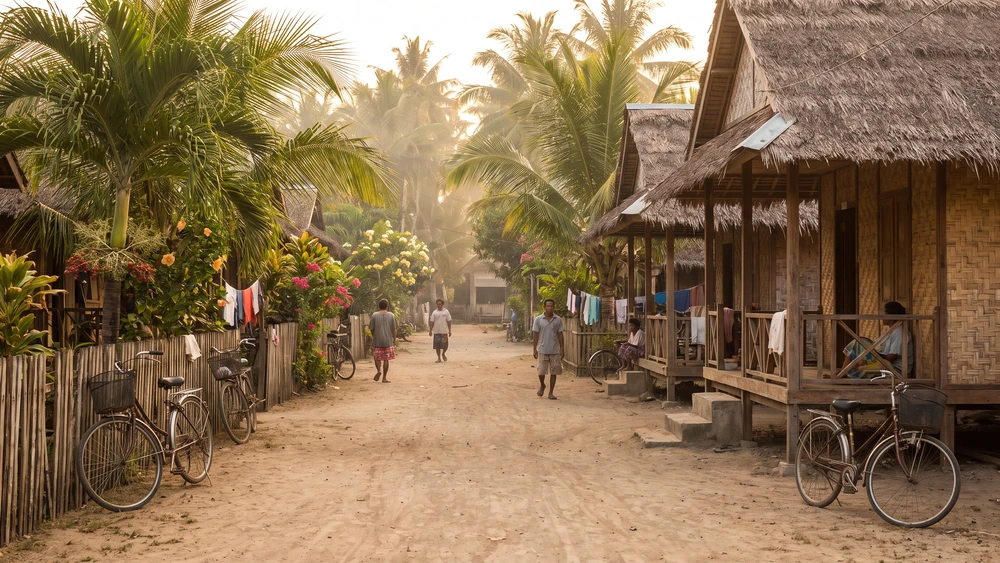
Bantam Village houses the vast majority of the Cocos (Keeling) Islands population, around 450 residents, most of whom practice Sunni Islam. It offers a stark contrast to the modern infrastructure of West Island, with peaceful bungalows lining quiet, car-free streets where palm trees rustle in the gentle Indian Ocean breeze.
Locals get around on foot, by bicycle, or on local ATVs. The entire atmosphere reflects a deep-seated pride in a calm, island-bound lifestyle rooted in generations of Cocos Malay tradition.
Navigating this close-knit community requires an understanding of its unique historical trajectory.
The Legacy of the Clunies-Ross Private Fiefdom
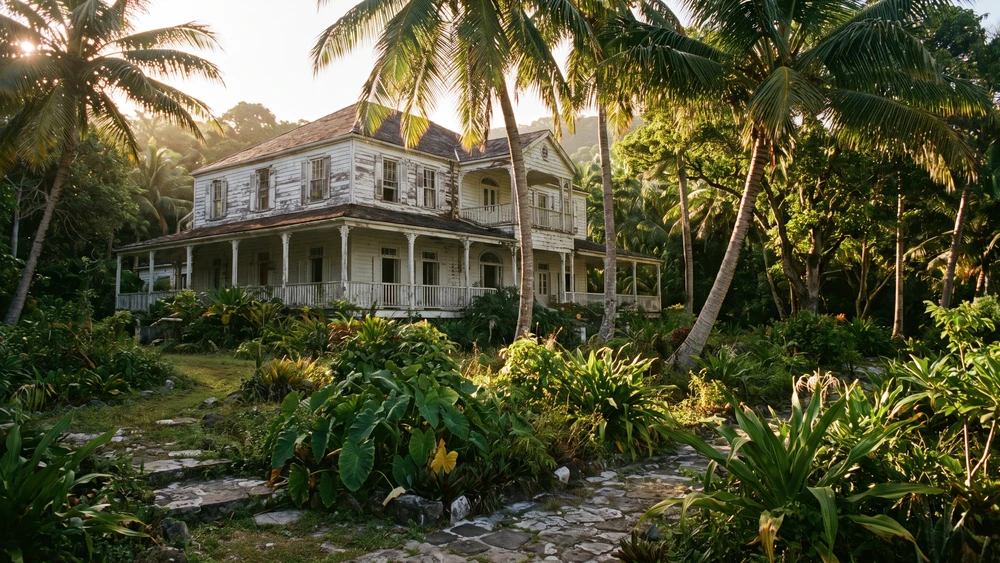
For over a century, the Scottish Clunies-Ross family ruled these islands as a private fiefdom, establishing a complex socio-economic system. They paid local Malay workers in their own currency, the Cocos Rupee, which was only redeemable at the family-owned store. This colonial-era rule officially ended in 1978 when Australia purchased the territory. Today, Oceania House stands as a silent monument to this unusual past, transformed from a private mansion into a heritage-listed estate.
Cocos Malay: A Distinct Linguistic Dialect
Geographic isolation has preserved a highly distinct linguistic identity within the Bantam community. The residents predominantly speak Cocos Malay, a dialect with deep roots in traditional Malay and Indonesian languages. Over decades, it has uniquely adapted by integrating Scottish and Western terminology, a rhythm shaped directly by the islands' colonial history. Walking through the village, you will hear a spoken pattern that exists nowhere else on Earth.
Cultural Respect Guidelines for First-Time Visitors
Honoring the local way of life is non-negotiable for anyone crossing the lagoon.
Appropriate Attire in Public Spaces
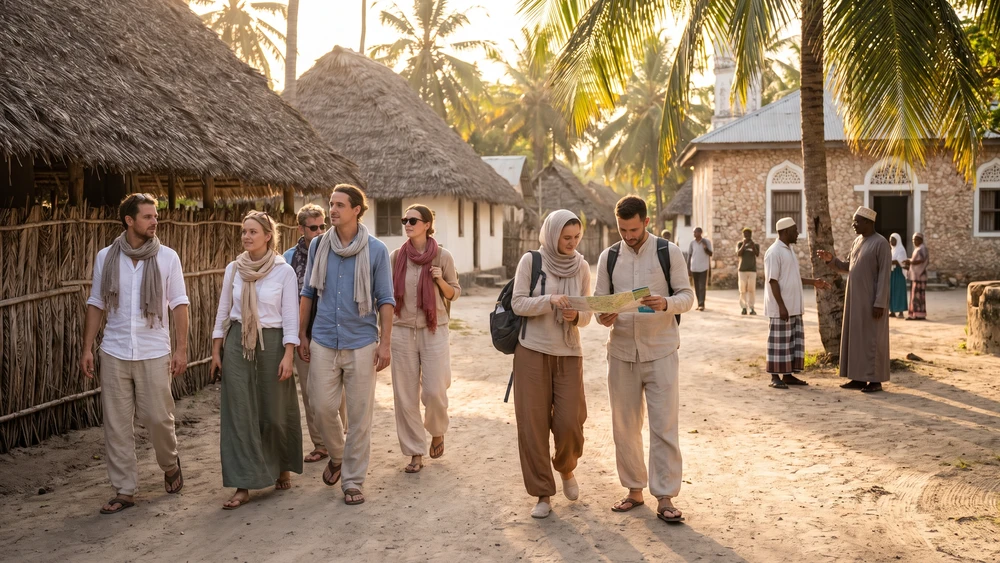
Stepping off the ferry means immediately adhering to conservative dress codes rooted in Islamic tradition. You must ensure your clothing fully covers both your shoulders and knees before entering Bantam Village. Revealing swimwear or overly casual resort wear is inappropriate outside the designated tourist zones of West Island. Packing lightweight, sun-smart layers helps you stay comfortable while remaining respectful.
Navigating Local Customs and Islamic Etiquette
The local community maintains strong Islamic values that shape daily interactions and public behavior. Alcohol consumption in public is strictly forbidden on Home Island, and you will not find licensed bars here. Always ask for permission before taking photographs of residents or their private property. A quiet, polite demeanor aligns with the community's calm social fabric.
Hands-On Experiences with the Cocos Malay Community
Beyond observing local customs from a distance, visitors can join hands-on cooking classes featuring traditional Cocos Malay cuisine or basket-weaving workshops led by community elders. These sessions, arranged through local operators on Home Island, offer direct insight into skills passed down through generations rather than a scripted show for tourists. Booking ahead is recommended, since sessions run on a small scale and depend on elder availability.
Essential Logistics: Crossing the Lagoon to Home Island
Getting to this cultural sanctuary requires precise timing and alignment with local transit schedules.
Ferry Schedules and Rumah Baru Terminal
The public ferry connects West Island and Home Island Monday through Saturday, with no service on Sundays. Frequency varies sharply by day, from just two return trips on Saturday up to seven on Monday and Wednesday, which also adds a rare 8 PM departure, the only late-night crossing of the week. If you can only make one crossing, Wednesday is the best day to visit: it has the most sailings and is also the one day the Pulu Cocos Museum has a staffed attendant on-site.
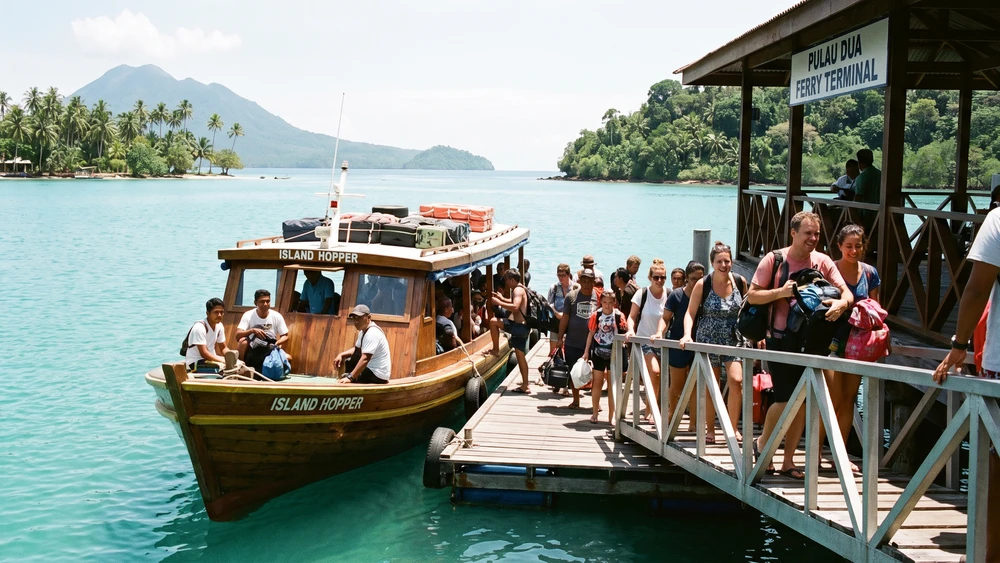
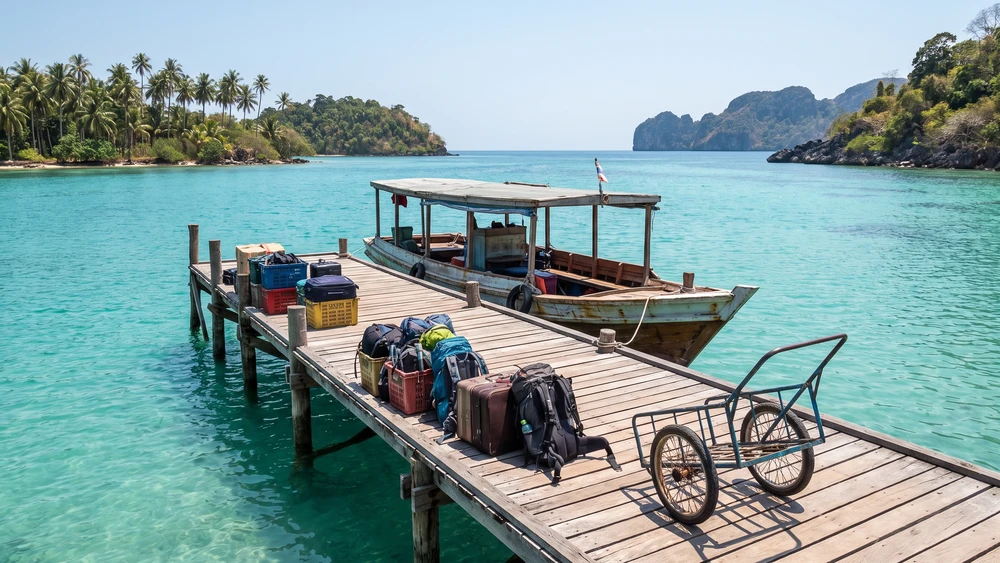
To board, head to the Rumah Baru ferry terminal on West Island, reachable by a $0.50 AUD local bus timed with the ferry, or via the shuttle bus from the airport. Tickets cost $2.50 AUD per person, each way, and departure times can shift with the weather, so confirm the schedule at the visitor center before you head out.
Getting Around a Car-Free Island
Home Island has no traditional rental cars, meaning visitors must rely on slower modes of transport. Walking the entire 7.5-kilometer island loop takes roughly two hours along flat, scenic terrain. Bicycles offer an excellent alternative for exploring hidden corners at your own pace. Be mindful of local ATVs passing by, as these vehicles serve as the primary workhorses for the community.
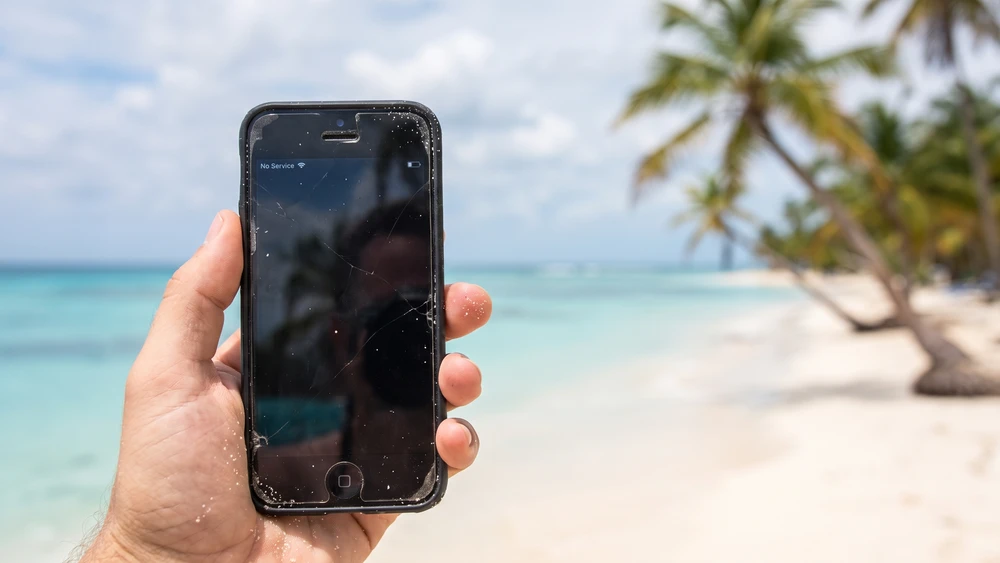
Mobile phone reception does not reach Home Island, so download an offline map or grab a paper one at the terminal before you cross. Cafes such as Sweet As Makan and Kampong Cafe also close earlier than you might expect from a mainland trip, so pre-order lunch if you are visiting on a tight ferry schedule.
Historic Landmarks and Untouched Shores
Beyond the village streets lie hidden historic remnants and immaculate coastlines.
Inside Pulu Cocos Museum
The small, two-room Pulu Cocos Museum provides an invaluable deep dive into the island's dual heritage. An official museum attendant is present only on Wednesdays, from 9 AM to 5 PM; on any other weekday, you can collect the entry key directly from the nearby Shire Office, open Monday to Thursday until 4 PM and Friday until noon. Inside, rare historical artifacts and original pieces of the Cocos Rupee tell the story of early migration and indentured labor. Look for the small wooden boats built for the Clunies-Ross family, vintage radio equipment, and traditional shadow puppets once used in Cocos Malay theater.
It serves as an essential stop for contextualizing the modern resilience of the Cocos Malay people.
Walking Jln Balok Memorial and the Northern Cemetery
A peaceful walking track leads to the northernmost tip of the island, where the historic Home Island Cemetery sits against the backdrop of the open ocean. This sacred ground holds the remains of local residents alongside members of the Clunies-Ross family. Returning via the Jln Balok Memorial path exposes you to rows of windswept palm trees facing the rougher ocean swells. The contrast between the calm lagoon and the wild external sea is striking.
Isolated Beaches: From Oceania House to Cocos Keeling Beach
The western coastline faces the protected lagoon, offering pristine stretches of powdery white sand and transparent water. Spots like Cocos Keeling Beach and the shores fronting Oceania House remain untouched by commercial tourism. You will find no crowds or litter here, only coconut palms leaning over the shoreline.
For a low-key afternoon, locals often head to the public BBQ area at Sandy Point after a swim, a good spot to bring your own food since Home Island's few cafes keep limited hours. Pair a beach stop with the Wednesday museum visit and you can cover the island's main sights in a single, well-timed day trip.