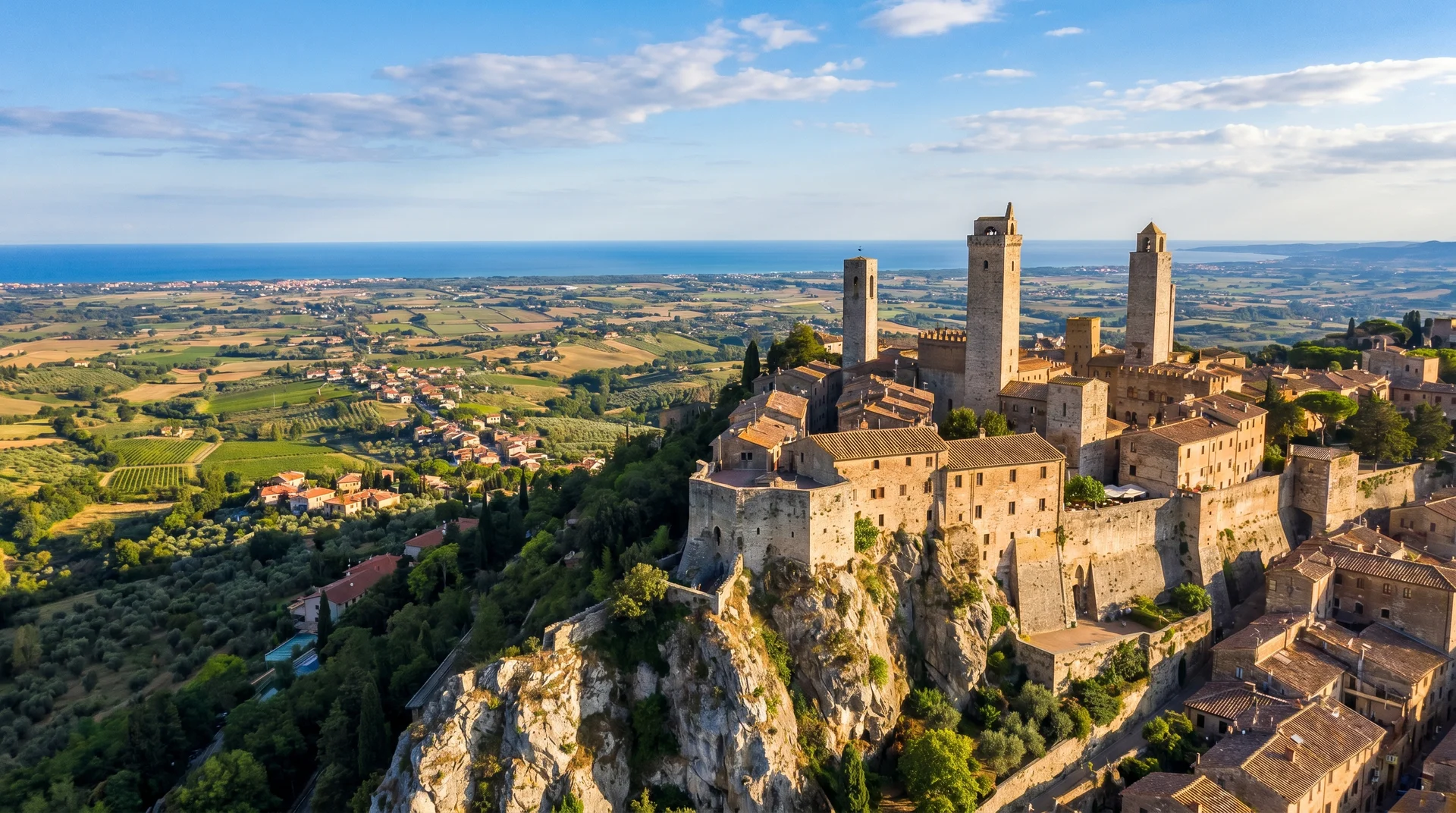
San Marino has been an independent republic since 301 AD, making it the world's oldest surviving sovereign state. It sits completely inside Italian territory, yet it has its own government, its own coins, and its own passport.
- Location: Completely landlocked by central Italy, bordered by the Emilia-Romagna and Marche regions.
- Official Language: Italian.
- Currency: Euro (by special monetary agreement, despite not being an EU member).
- Border Control: Open borders with Italy (ETIAS applies indirectly to non-EU visitors).
- Government: Parliamentary republic led by two Captains Regent.
- Founded: 301 AD by Saint Marinus on Mount Titano.
The Geographic Shield: How Mount Titano Protected a Nation
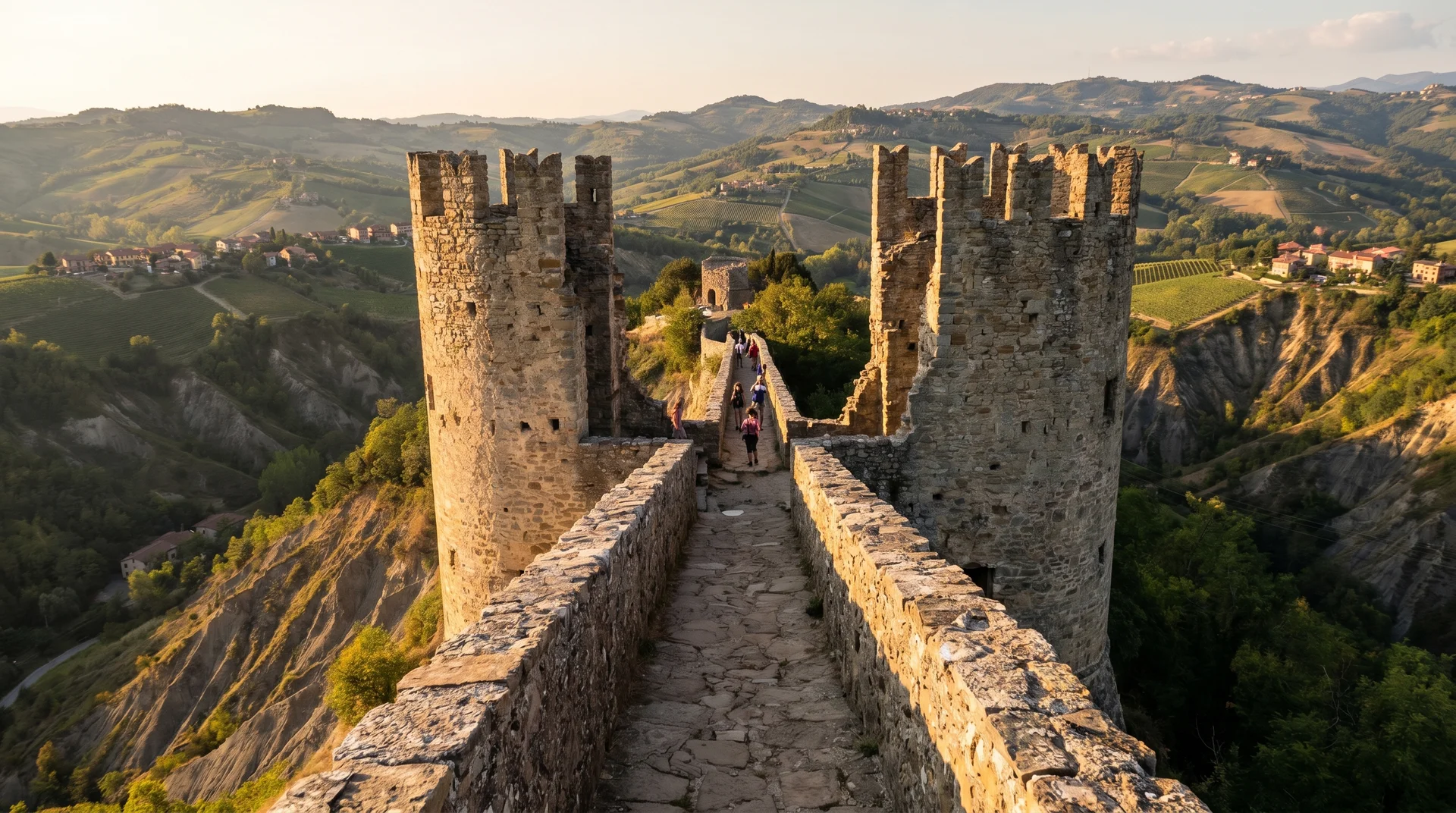
Mount Titano rises sharply from the surrounding plains, creating a natural fortress of steep limestone cliffs. Conquering this terrain always required far more military effort than the tiny territory offered in return. There were no major trade routes running through these peaks, nor abundant natural resources to plunder. Larger empires simply bypassed the mountain.
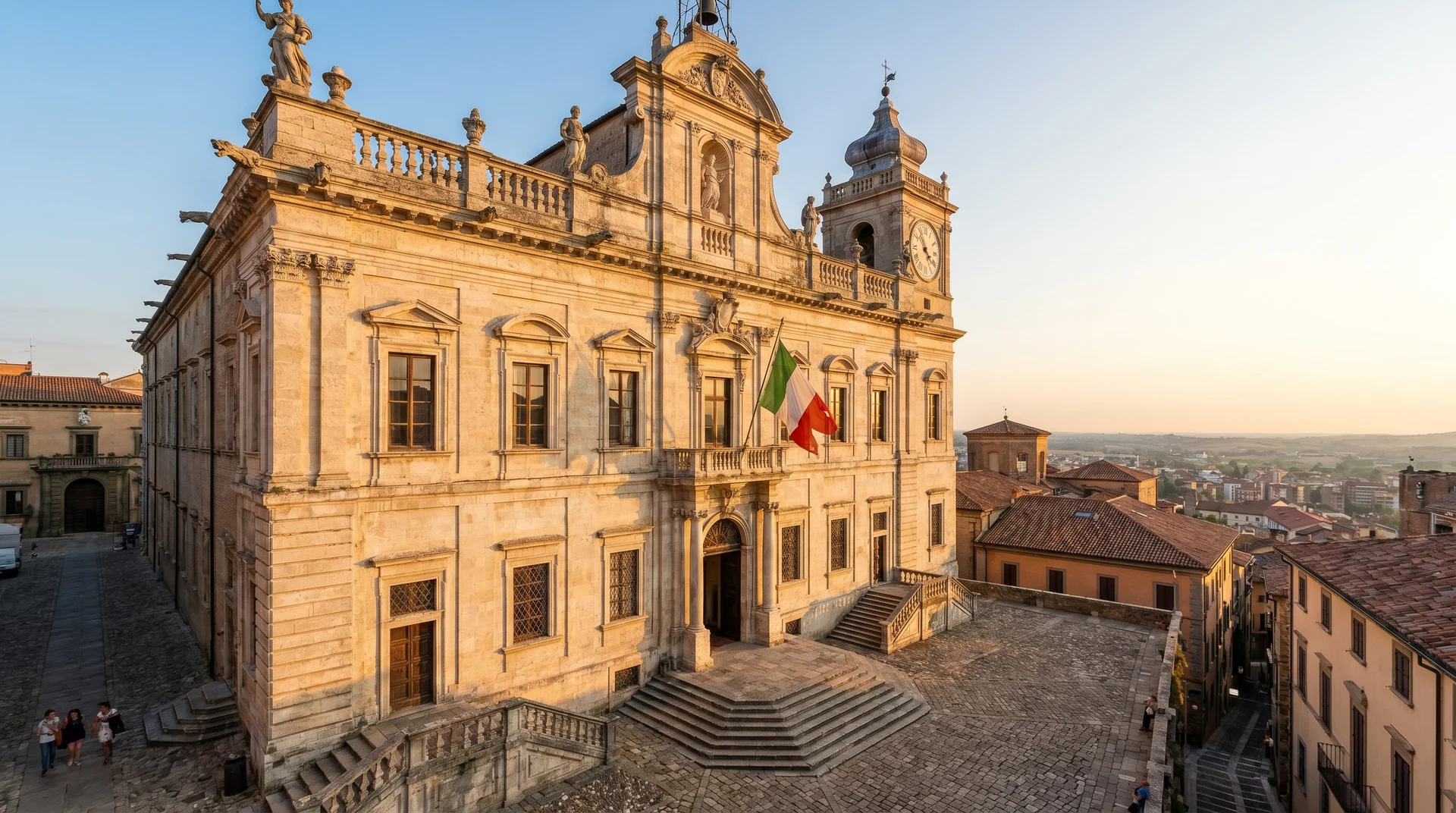
For most travelers, the border crossing is invisible. Understanding why this microstate never became part of Italy reveals a story of geography, brilliant diplomacy, and sheer stubbornness across seventeen centuries.
This extreme topography allowed the local community to govern itself undisturbed while neighboring cities fell to continuous invasions. The mountain was not just a home - it was a shield that rendered the community effectively invisible to would-be conquerors for centuries.
Historical Milestones That Kept San Marino Independent
The Roman Stonecutter's Sanctuary (301 AD)
Long before modern European nations formed, a stonemason named Marinus fled religious persecution to hide on the high peaks of Mount Titano. He built a small sanctuary, drawing a community of followers seeking refuge from imperial authorities. This isolated mountain settlement established a strict tradition of self-rule that outlasted the fall of the Roman Empire. The core identity of the republic stems directly from this early desire to remain untouched by external rulers.
The Papal States Guarantee (1631)
Through the medieval period and into the Renaissance, San Marino survived by maintaining peaceful relations with the Papal States that surrounded much of central Italy.

A key moment came in 1631, when Pope Urban VIII formally recognized San Marino's independence in exchange for continued cooperation. This papal endorsement gave the tiny republic a layer of legitimacy that made aggressive annexation politically costly for any Italian neighbor.
Diplomatic Charm with Napoleon Bonaparte
When French military forces swept across the Italian peninsula in the late 1700s, European borders changed almost overnight. The French army could have easily crushed the microstate without slowing their march. Instead, local Sammarinese leaders chose a highly delicate diplomatic path. They offered friendship and logistical support to the French general without surrendering their autonomy.
Napoleon respected this neutral but friendly stance so much that he guaranteed their continued independence. He even offered extra surrounding territory. Knowing that expanding borders would only create future enemies, the local regents politely declined the offer - a decision that preserved their international credibility.
Harboring Garibaldi and the Unification Treaty (1862)
The movement to unify the Italian peninsula aggressively absorbed every surrounding duchy, kingdom, and papal state throughout the mid-1800s. When Giuseppe Garibaldi, the leading unification general, faced capture by enemy forces in 1849, he sought immediate refuge within the high walls of Mount Titano. The republic granted him safety and a place to hide.
Later, when the newly unified Kingdom of Italy took shape, this bold act of loyalty paid off heavily. The new government formally recognized San Marino's ongoing independence through a binding friendship treaty in 1862, cementing its permanent status as a sovereign enclave.
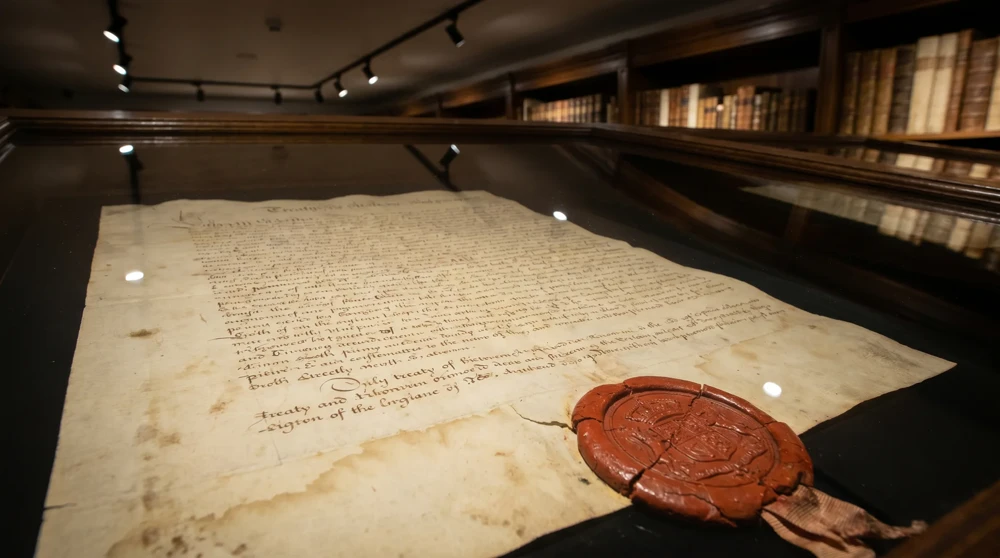
This treaty has been renewed and updated several times, most recently in 2003.
How San Marino Functions Inside Italy Today
Currency Without the EU: The Euro Agreement
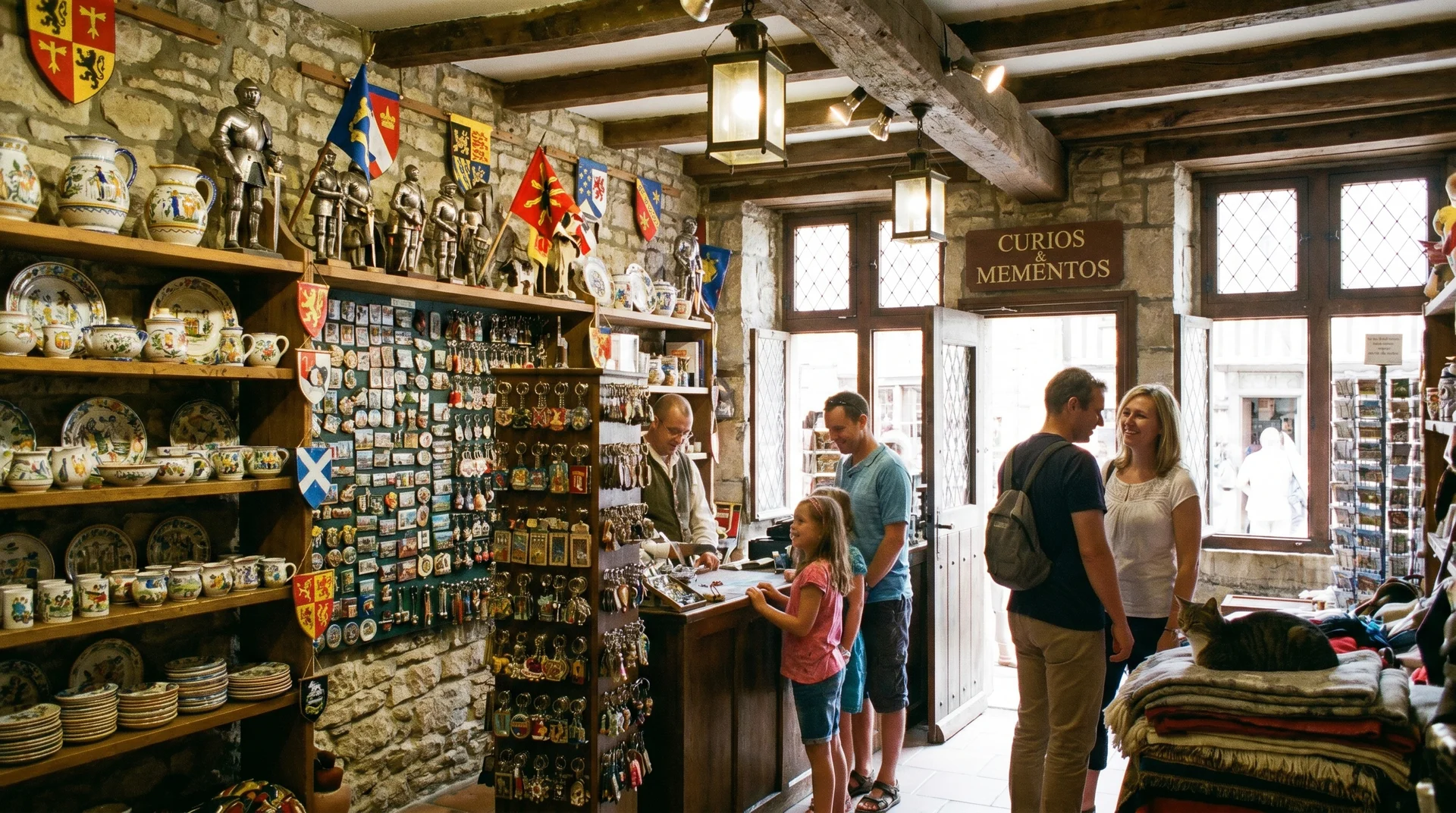
Despite being entirely surrounded by a European Union powerhouse, the republic remains outside the EU. However, navigating the local economy feels identical to traveling anywhere in Italy. Through a formal monetary agreement with European authorities, the microstate uses the Euro as its sole currency. They even mint their own highly collectible Euro coins featuring distinct national imagery such as Mount Titano and the three historic towers. These coins are fully valid across the entire Eurozone but rarely enter general circulation due to their limited production.
Open Borders, But Entry Rules Still Apply
Driving up the mountain involves zero border checkpoints, allowing completely free movement straight from Italian territory. However, strict indirect travel rules apply to international visitors. Since there is no international airport, you must enter through Italy first. When the European travel authorization system (ETIAS) takes effect for visa-exempt travelers, digital clearance will be required before landing anywhere in Europe. Without Italian entry clearance, you physically cannot reach San Marino.
What San Marino's Independence Means for Travelers
The practical implications of visiting a separate sovereign state are easy to miss, but they matter:
- Passport stamp: San Marino does not stamp passports at the border (there is no formal checkpoint), but you can request a souvenir stamp at the tourism office in the historic center for a small fee. It carries no official immigration meaning but makes an excellent keepsake. The full process and safety details are in the San Marino passport stamp guide.
- Currency: San Marino uses the Euro, so no currency exchange is needed. However, Sammarinese Euro coins are rare collector items.
- No direct train: There is no railway connection into San Marino. The nearest major transit hub is Rimini, from where regular shuttle buses run directly up the mountain. The ride winds through steep, scenic roads.
- Open border: You will not pass through any formal border control. The transition from Italy to San Marino is seamless and often unmarked for drivers. Look for road signs rather than guards or fences.
- Schengen counting: Your time in San Marino counts toward your 90-day Schengen zone limit because you must enter and exit through Italy. Plan accordingly if you are tracking Schengen days.
- Duty-free shopping: San Marino has historically had lower tobacco and electronics taxes than Italy, making it a minor shopping destination for Italian day-trippers. The San Marino tax-free shopping guide explains the Monofase system and which categories offer the biggest savings.
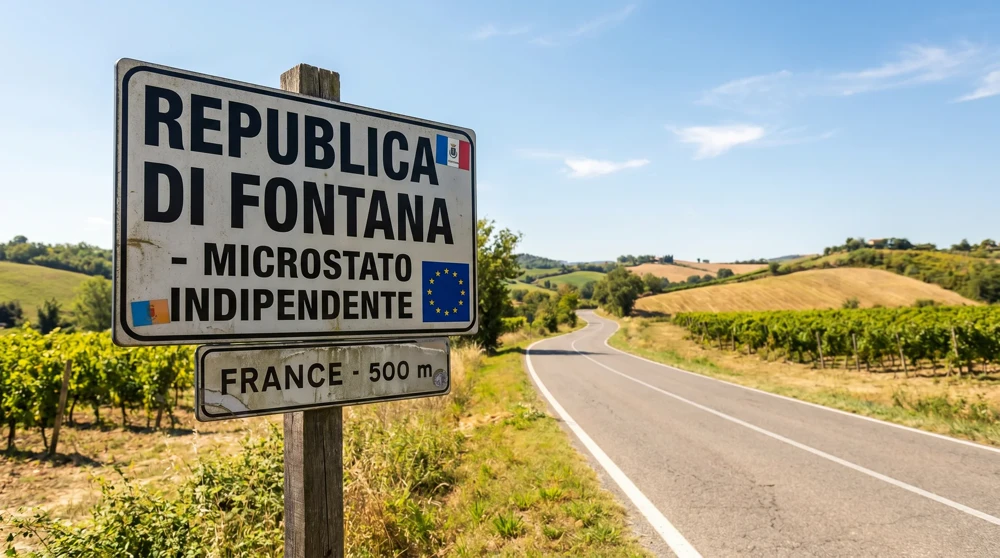
Check current rates before planning around this.
For travelers curious about similar sovereignty questions across Europe, why Vatican City is a separate country inside Rome follows a very different path - one involving a 1929 treaty rather than centuries of mountain diplomacy. The story of why Monaco is not part of France offers another instructive comparison for microstate enthusiasts.
How to Get to San Marino from Italy
The journey requires a seamless mix of train and road transport. The closest major Italian transit hub is the coastal city of Rimini. From the Rimini railway station, regular shuttle buses run directly up the mountain to the historic center. Renting a car provides more schedule flexibility, but parking near the historic summit is heavily restricted and often frustrating. Using public shuttle buses saves time and eliminates the stress of navigating narrow mountain streets.