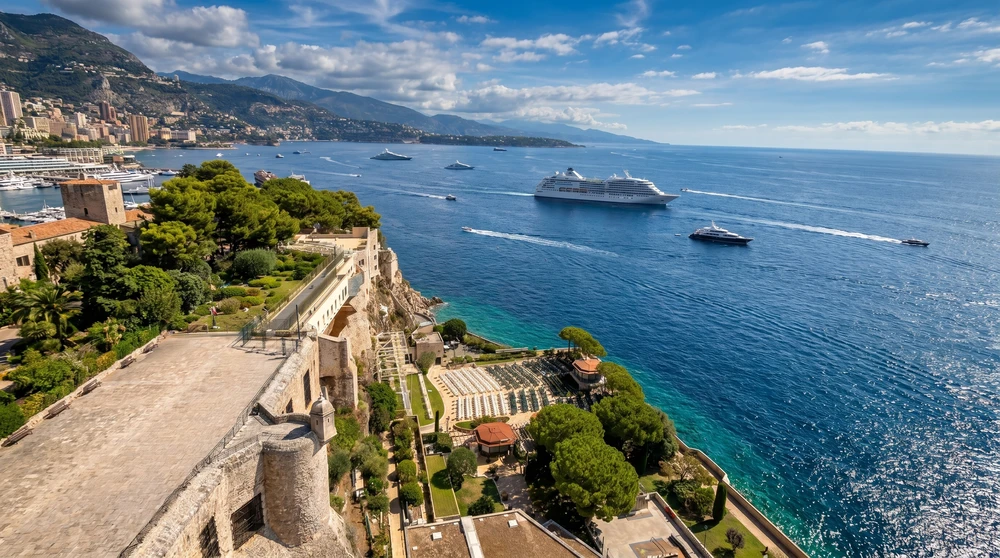
Assuming Monaco is just another glamorous neighborhood of the French Riviera is one of the most common geographical mistakes travelers make. The reality is far more complex: step out of the Monte Carlo Casino and you are standing in a distinct, fully functional nation, completely separate from the French Republic. The Principality of Monaco has its own government, its own laws, and a ruling dynasty that has held power for over 700 years.
- Political status: Independent Sovereign State
- Government type: Constitutional Monarchy
- Official language: French
- Currency: Euro
- Defense: Protected by France under treaty
- EU membership: Non-member (within customs union)
- UN member since: 1993
- Size: 2.02 square kilometers (second-smallest country in the world)
The Historical Roots: How Monaco Stayed Independent
The autonomy of this tiny enclave dates back to the Middle Ages. The Grimaldi family first seized the rock of Monaco in 1297, when a Genoese nobleman named Francesco Grimaldi entered the fortress disguised as a monk. That act of cunning diplomacy set in motion a dynasty that has outlasted kingdoms, revolutions, and two world wars.
While neighboring regions were slowly absorbed into the growing French state, Monaco negotiated its survival at every turn. In 1641, Prince Honoré II secured formal recognition of Monegasque sovereignty from Louis XIII of France through the Treaty of Péronne. Then the French Revolution nearly ended it all: Monaco was directly annexed to the French Republic in 1793, stripped of its status and its ruling family.
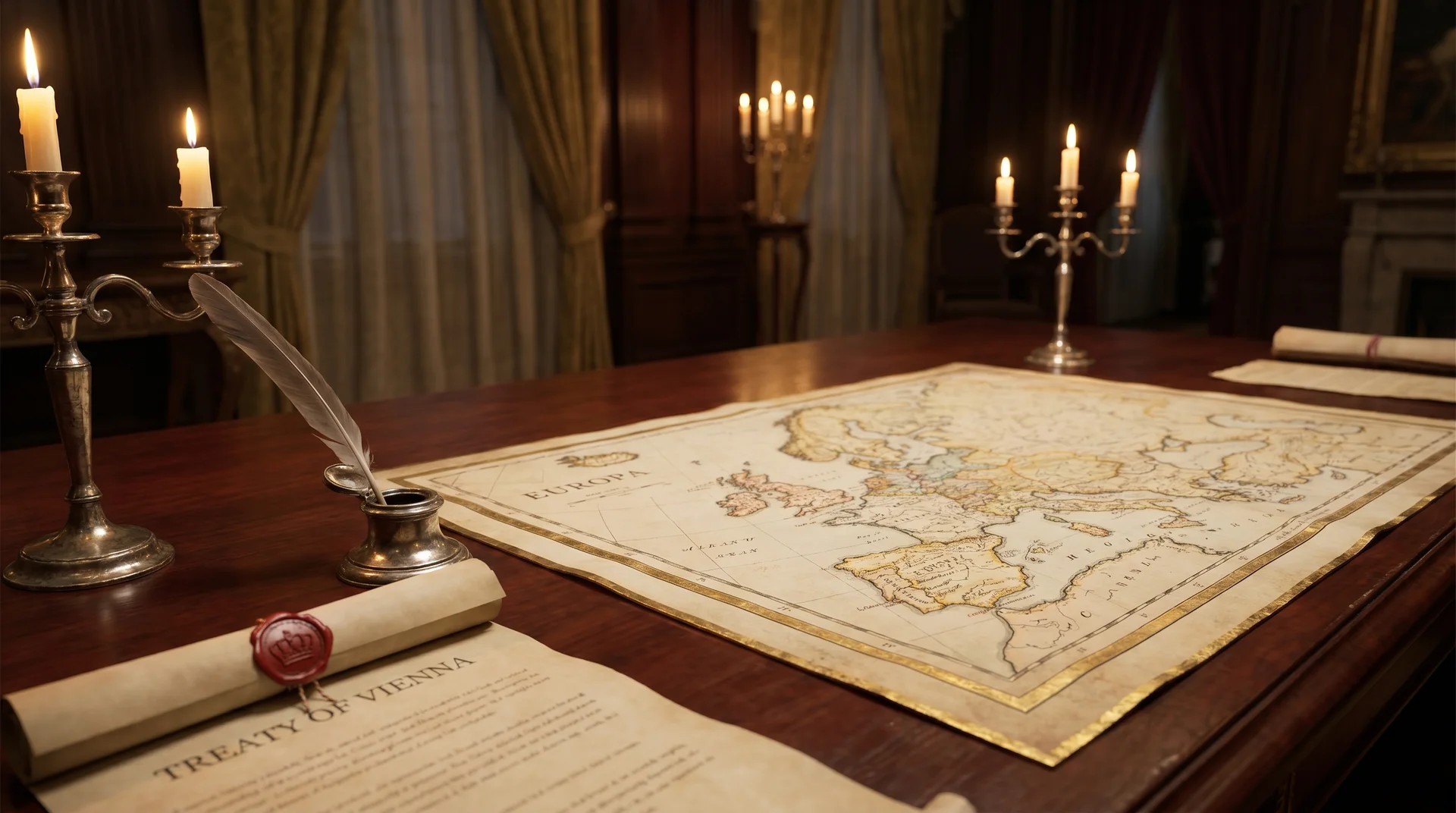
Independence was restored in 1814, confirmed again by the Congress of Vienna in 1815, and then came the agreement that truly defined modern Monaco.
The Franco-Monegasque Treaty of 1861: The Price of Independence
The defining moment for Monaco's modern sovereignty came at an enormous territorial cost. Under the Franco-Monegasque Treaty of 1861, Prince Charles III ceded the towns of Menton and Roquebrune to France in exchange for full recognition of Monegasque independence and 4 million francs. Those two towns represented roughly 95% of Monaco's territory at the time.
What remained was the tiny rock you see today, just over 2 square kilometers in area. France agreed to protect Monaco militarily and to respect its sovereignty. In exchange, Monaco aligned its foreign policy with French interests. It was a dramatic bargain: give up almost everything in land to keep everything in sovereignty.
A follow-up treaty in 1918 further formalized defense and foreign policy arrangements. Then in 2002, a crucial update was added: even if the Grimaldi line were to die out entirely, Monaco would remain an independent state rather than revert to France. That update removed the last formal mechanism through which France might have absorbed its tiny neighbor.
Is Monaco a Fully Sovereign Country Today?
Yes, Monaco is entirely self-governing. It has its own legislature, a reigning prince, an independent judiciary, and distinct municipal infrastructure. The principality holds a full seat at the United Nations, where it has been a voting member since 1993, participating in global diplomacy on equal footing with much larger nations.
The relationship with France remains uniquely intertwined, however. France assumes responsibility for Monaco's external military defense. If an outside threat were to arise, French armed forces would intervene. Internal security is handled by Monaco's own highly visible police force, which contributes to the principality's reputation as one of the safest places in the world.
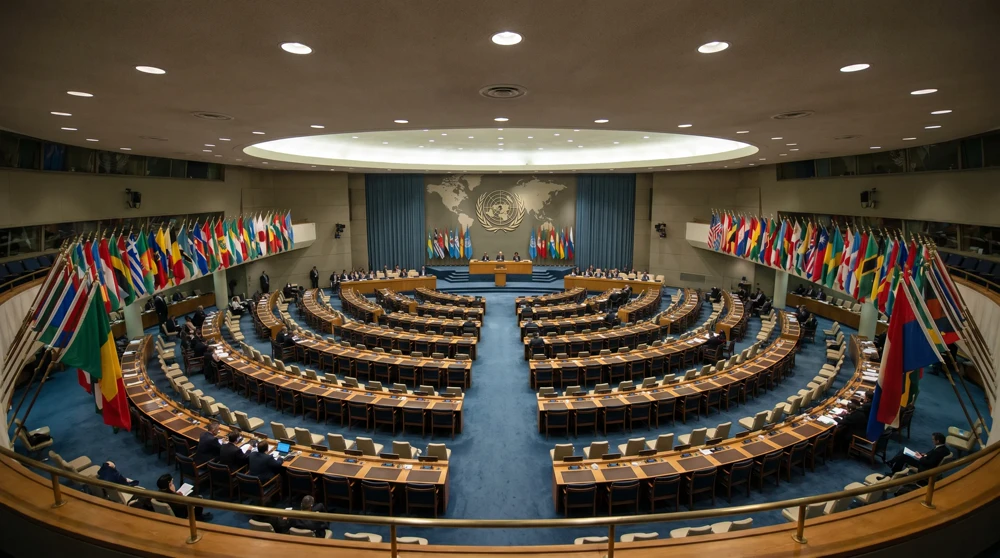
Monaco and the European Union: A Special Status
Monaco is not a member state of the European Union, meaning it has no representation in EU institutions and does not participate in EU political decisions. Yet for the average traveler, the border is completely seamless. A simple crosswalk often marks the transition between France and Monaco, with no passport check in either direction.
Through bilateral agreements with France, Monaco participates in the EU customs territory and uses the euro as its official currency. If you are already traveling within the Schengen Area, you do not need a separate visa to enter Monaco. The principality even mints its own Euro coins bearing Monegasque designs, which are legal tender across the entire euro area and are highly sought after by collectors.
This frictionless arrangement mirrors the status of other European microstates such as Vatican City and San Marino: full sovereignty maintained without the bureaucratic weight of full EU integration.
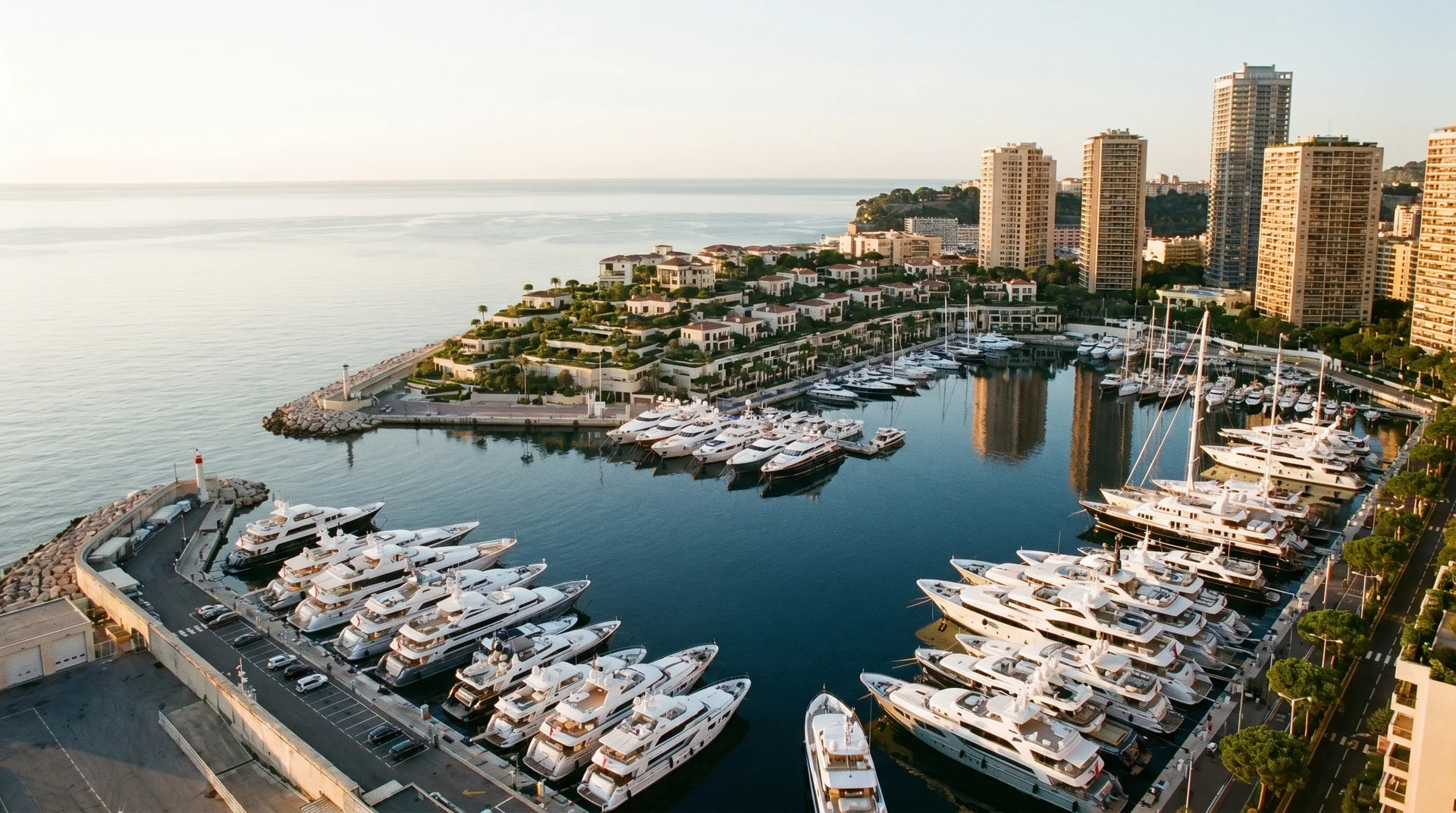
Key Differences Between Monaco and France
While the two nations share a language and a coastline, their internal mechanisms differ dramatically. These distinctions are exactly why the principality attracts a highly specific global demographic.
Taxation: Monaco levies no personal income tax on residents, a stark contrast to France's progressive tax system, which reaches rates above 40% for high earners. This policy transforms 2 square kilometers of coastline into one of the world's most concentrated pools of private wealth. Note that French citizens who relocate to Monaco are a specific exception: due to bilateral tax treaties, French nationals residing in Monaco remain subject to French income tax regardless.
Urban development: Constrained by its tiny footprint, Monaco expands vertically and by reclaiming land from the sea. Entire eco-districts have been engineered directly over the Mediterranean, adding usable land where none previously existed. A French coastal town spreads outward; Monaco builds downward and offshore.
Citizenship: Acquiring Monegasque nationality is exceptionally rare, governed by strict rules based on lineage and long-term residency. Of Monaco's roughly 38,000 residents, only around 9,000 hold actual Monegasque citizenship. The remaining population is made up of French nationals, Italians, and other international residents.
Real estate: Legislative autonomy enables rapid, highly concentrated luxury development that would face far more bureaucratic resistance across the French border. Monaco consistently ranks among the most expensive real estate markets on the planet, with prices exceeding €50,000 per square meter in prime areas.
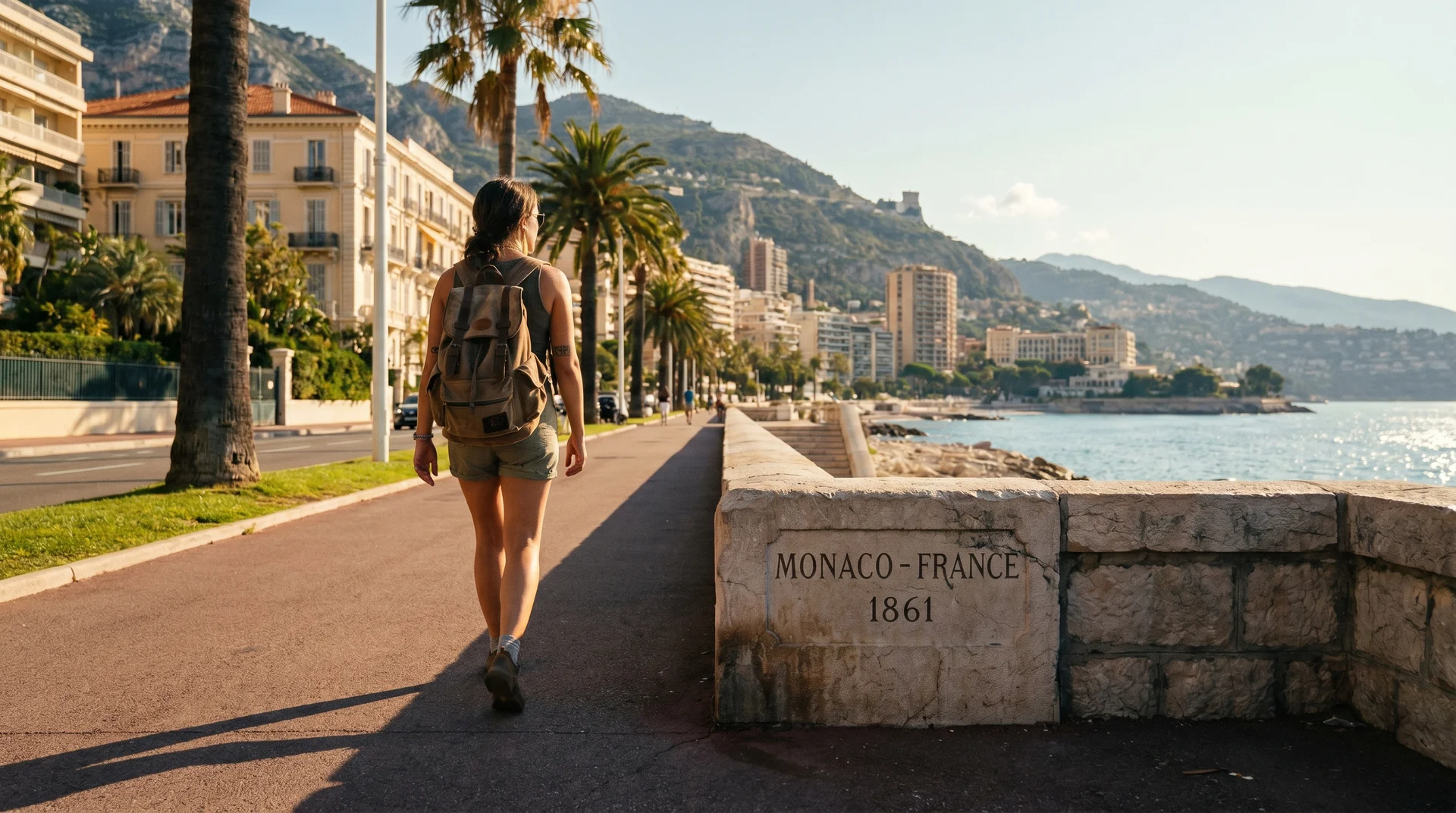
Why France Never Simply Absorbed Monaco
The question many visitors ask is: why did France not simply annex its tiny neighbor at some point over the past few centuries? The answer lies in a combination of treaty obligations, geopolitical pragmatism, and the Grimaldi family's skill at staying politically useful.
France has benefited from Monaco's existence as a separate jurisdiction. The principality serves as a financial hub that attracts international capital to the broader Côte d'Azur region. Annexing Monaco would mean absorbing its debts, its tax obligations, and the political complications of ending a monarchy that carries significant global prestige.
The Grimaldi dynasty has also proven adept at diplomacy. From Louis XIII's recognition in 1641 to the updated 2002 treaty, Monaco's ruling family has consistently secured formal guarantees of sovereignty from France while remaining close enough to French interests to make independence politically acceptable.
For visitors, this history means that crossing into Monaco is crossing into a different country, even if the streets look similar and everyone speaks French. The laws, the taxes, and the political identity are entirely distinct. That distinction is not merely symbolic - it shapes everything from the cars parked on the streets to the faces you see in the casino.
For a broader look at what to do once you arrive, the list of free things to do in Monaco covers the best ways to explore the principality without spending a fortune. And if you are planning the journey from the French side, getting from Nice to Monaco by train is straightforward and takes under 30 minutes.