Navigating a landlocked microstate with no train station and no airport catches many first-time visitors off guard. The fix is straightforward: master the direct bus link from Rimini, decide on the cable car versus the uphill walk, and time your arrival before the midday tour groups take over the ridge.
- No flights or trains into San Marino, bus from Rimini is the standard route
- Bus ticket: €7 one-way from Rimini (Bonelli Bus, year-round daily service) (2026 prices)
- Cable car from Borgo Maggiore to the old town: €3
- Combined tower ticket (Guaita + Cesta): €9 | Museum Pass (7 state museums): €11
- Souvenir passport stamp at the Tourist Office: €5
- Tutto San Marino Card: complimentary with any hotel stay, 50% off museums and discounts on cable car and shops
- The entire historic center is a UNESCO World Heritage Site
How to Get to San Marino from Italy
No direct flights or trains serve San Marino. The Italian coastal city of Rimini is your primary gateway, sitting roughly 20 km from the microstate.
The Rimini to San Marino Bus
The Bonelli Bus runs directly from Rimini to San Marino daily year-round. The bus stop is just outside Rimini train station, across from the Napoleon Hotel. A single ticket costs €7, and you can buy it online at bonellibus.it or at a tobacco shop near the stop. The journey takes just under an hour.
The bus terminates at the P2 Parcheggio area near the historic center. Before boarding the return bus, write down the last departure time displayed at the stop. Missing the last bus back to Rimini means an unplanned overnight or a taxi fare.
One practical note: departures occasionally leave a minute or two ahead of the published time. Arrive at the stop at least five minutes early. Full timetables, the stop location, and what to do when you arrive are covered in the Rimini to San Marino guide.
Driving and Parking
If you have a car, the drive from Bologna takes around 90 minutes. The route is straightforward, but Google Maps frequently fails inside the microstate. The app cannot properly read the overlapping elevation levels of the zig-zagging mountain roads, and it will route you into narrow dead ends or along one-way streets that lead back to where you started. Use the road signs and a general sense of direction instead.
Park in the lower town of Borgo Maggiore rather than attempting to drive up through the old town streets. From Borgo Maggiore, take the Funivia (cable car) up the mountain. All 13 numbered lots, current rates, and ZTL rules are in the San Marino parking guide.
The Funivia Cable Car
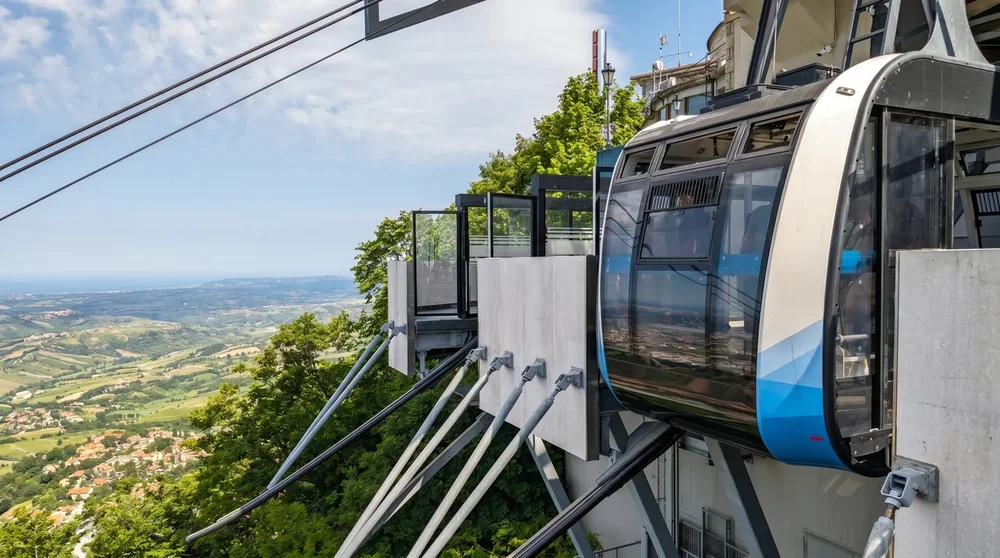
A ride on the cable car costs €3 each way. Beyond the convenience of avoiding the steep climb, the ascent offers a panoramic view of the Adriatic coast on clear days. If the weather is hazy or overcast, the visibility over the coast drops significantly, so clear days are worth timing your visit around. The Funivia runs between Borgo Maggiore and the old town throughout the day, with the last departure in the evening. Seasonal timetables and the full ticket breakdown are in the San Marino cable car guide.
Top Things to Do in San Marino
The historic capital, Città di San Marino, covers a compact area on top of Mount Titano. You will walk uphill and downhill constantly, and the cobblestones are uneven in places. Supportive shoes with grip are not optional.
Climb the Three Towers (Guaita, Cesta, Montale)
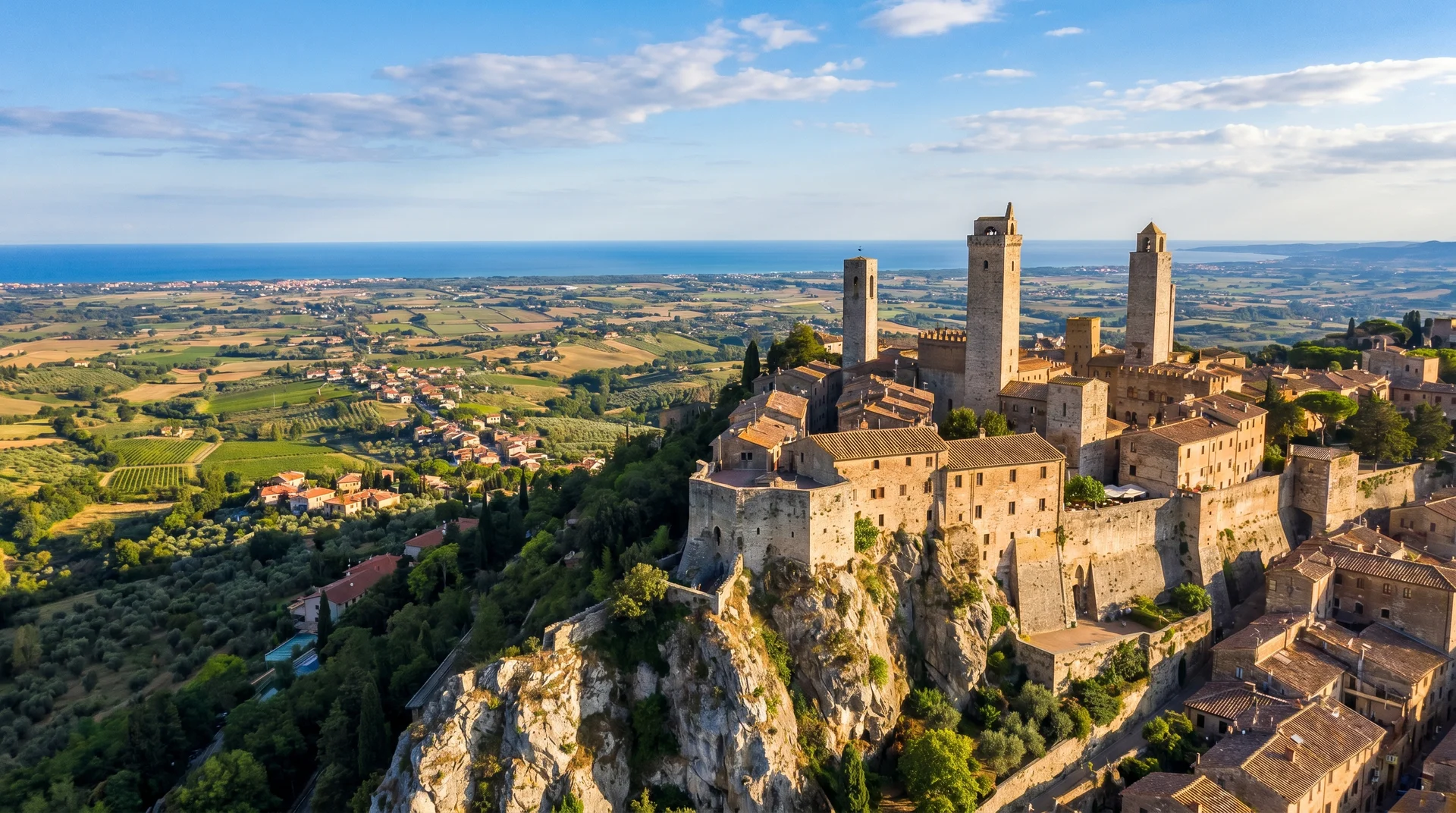
The three fortress towers define the Mount Titano skyline. Guaita is the oldest, built in the 11th century, and the most recognizable. Cesta sits on the highest peak and contains the Museum of Ancient Arms.
A combined ticket covers both Guaita and Cesta for €9. If you want access to all seven state museums, the full Museum Pass costs €11 and is significantly better value if you plan to spend more than a couple of hours inside. Book your hotel first: the Tutto San Marino Card provided at check-in cuts museum entry by 50%.
Getting into the highest section of Guaita requires climbing a steep wooden ladder through a narrow ceiling hole. This is not a metaphor for a steep staircase; it is a literal ladder. Skirts and loose dresses are genuinely impractical here, both for climbing and for those standing below you.
Visit the towers at opening time to avoid the main tour bus groups, which arrive mid-morning and make the ridge walkways considerably more crowded. Ticket types, seasonal hours, and what is inside each tower are in the Three Towers of San Marino guide.
Montale, the third tower, is closed to the public. The short trail leading to it is free and quiet, and it gives you a clear view back across the ridge toward the first two towers.
Walk the Passo delle Streghe (Witches' Path)
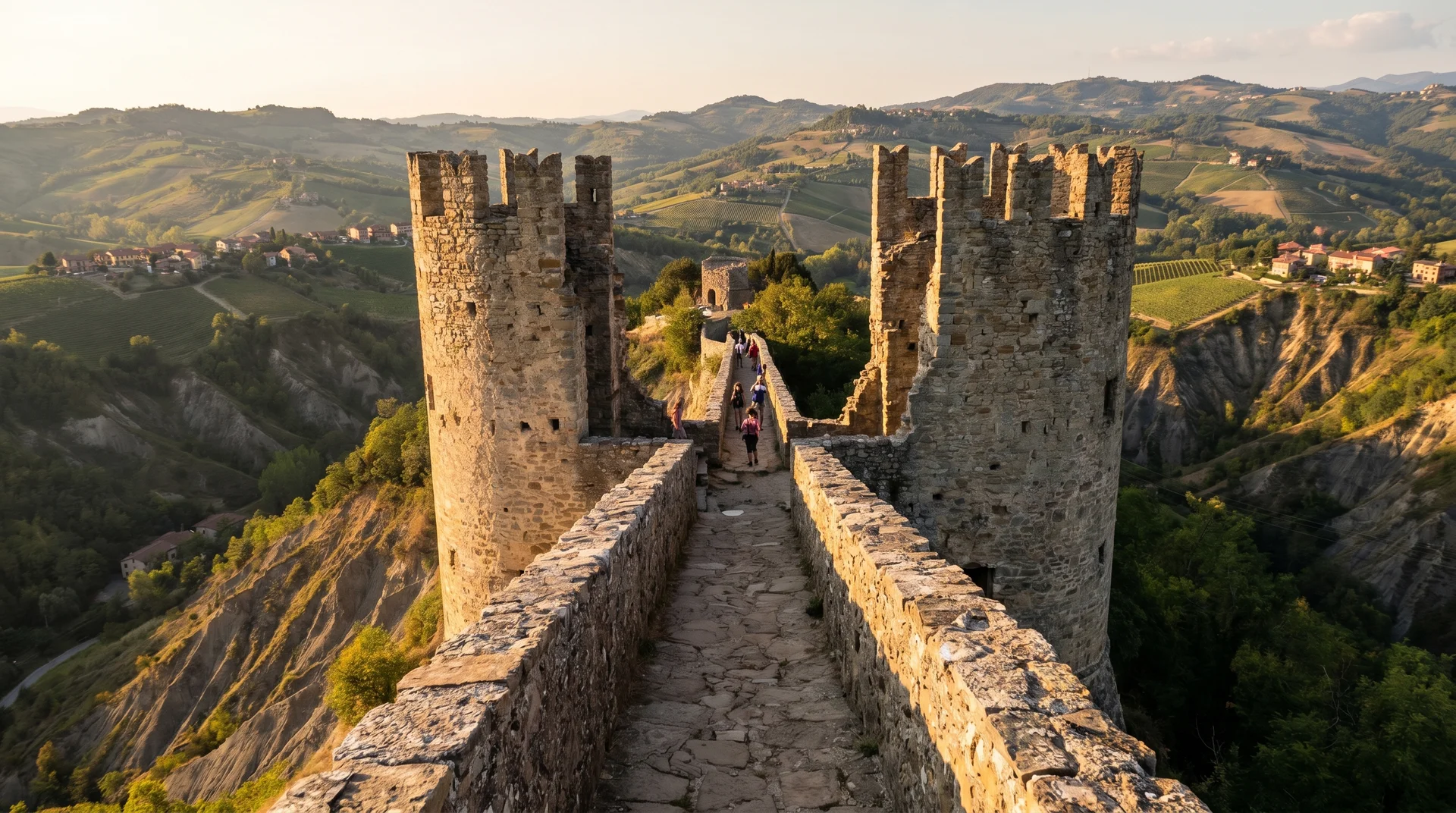
The stone walkway connecting Guaita and Cesta costs nothing to walk and ranks among the visual highlights of the entire republic. From the ridge, you get the classic photograph of Guaita Tower sitting on the cliff edge, and the drop on either side of the path is steep enough to feel genuinely dramatic. The light is best in the late afternoon when the sun hits the tower walls directly.
Piazza della Libertà and Palazzo Pubblico
The central square functions as the political heart of the republic. San Marino operates as a diarchy, with two Captains Regent elected every six months from the Grand and General Council, making it one of the few countries in the world with two heads of state simultaneously. When the council is not in session, you can enter the Palazzo Pubblico for a small fee and view the council chamber, including an original letter from Abraham Lincoln to the republic.
Crossbowmen's Quarry (Balestra)
The historic archery ground near the city walls is free to visit. If you happen to visit on a Sunday, the Crossbowmen of San Marino practice here in traditional medieval costume. It is one of the more authentic free experiences in the old town and completely overlooked by most visitors who came only for the towers.
The Basilica of San Marino
The neoclassical basilica at the top of the old town is free to enter and offers a calm contrast to the fortress architecture. The interior is modest but well-maintained, and the square in front of it gives you an unobstructed view over the Apennine foothills.
Beyond the Three Towers
San Marino's private museum circuit sits almost entirely outside the state ticket system, which means most day-trippers who buy the combined tower pass walk right past them. The standout is the Museo di Criminologia Medioevale e della Tortura on Contrada San Francesco, two minutes on foot from Piazza della Libertà. The collection spans four rooms and more than 100 original instruments drawn from the 16th through 18th centuries, organized not as a spectacle but as a legal and historical record: inquisitorial procedures, military criminology, and the trial documentation that accompanied each device. An ethnographic section on the upper floor extends the subject into ritual modification practices from cultures outside Europe, which most visitors do not expect. Descriptions run in multiple languages, and the curators keep the tone firmly academic. Plan 45 to 60 minutes, and note that the content is genuinely confronting rather than theatrical. Admission runs around €9.
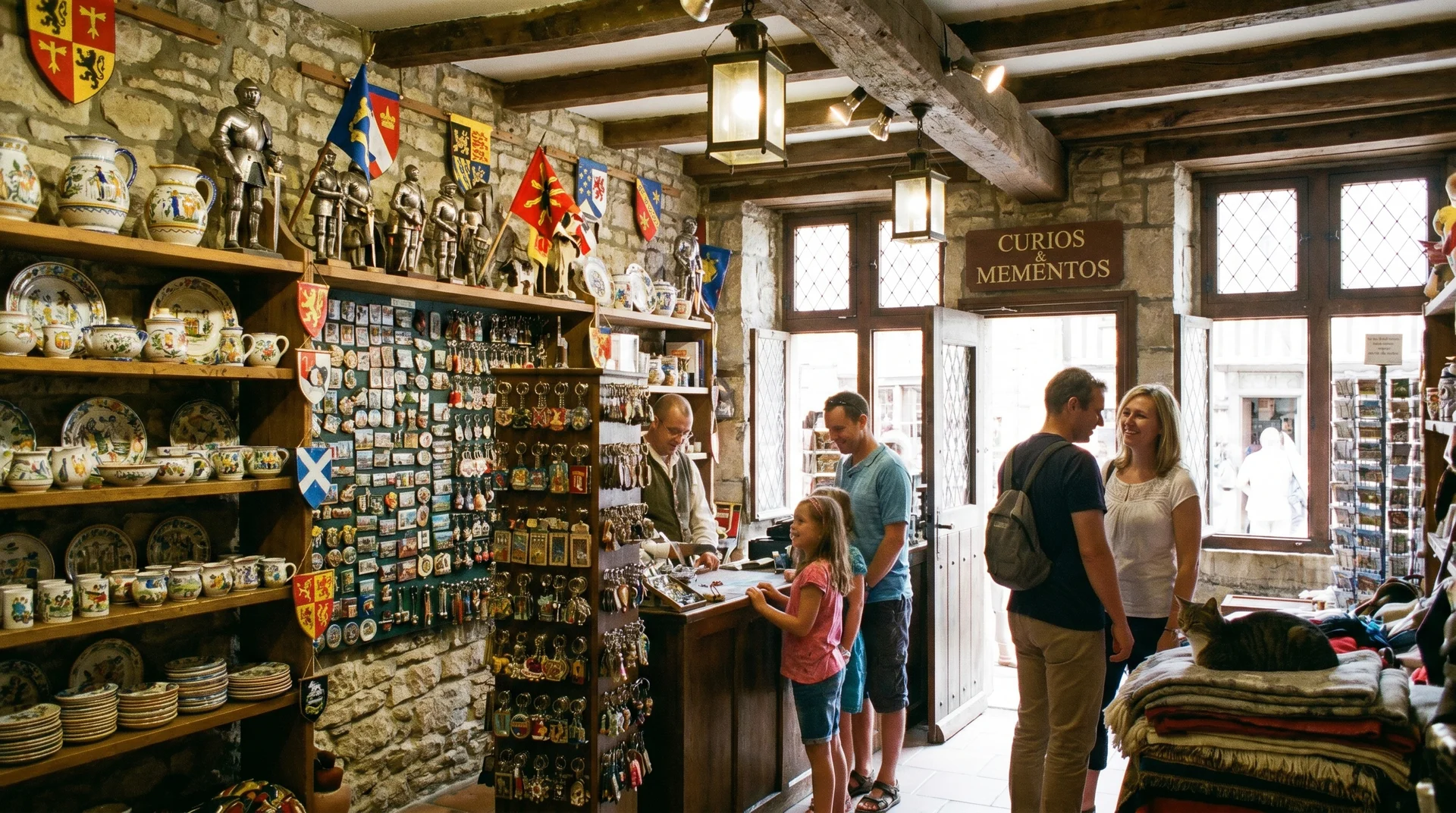
The Wax Museum (via Lapicidi Marini 17) takes a different angle entirely. Forty scenes and roughly 100 figures reconstruct episodes from San Marino's history alongside international historical characters in period clothing. It is the more family-oriented option and runs considerably longer hours in summer, from 9 AM to 8 PM in July and August. The Museum of Curiosities, a short walk from Piazza della Libertà, fills 600 square metres across three floors with objects that resist easy categorization: a moustache cup designed so the drinker's facial hair avoided the liquid, 19th-century strabismus-correcting glasses, 60-centimetre Venetian platform clogs built for flooded streets, and a functioning flea trap. None of these items belong to San Marino specifically, but the density of genuinely odd objects in one place makes it one of the more memorable 45-minute detours in the old town.
If you are staying overnight and hold the Tutto San Marino Card, the private museums fall partly within its discount structure: the card knocks 30% off the Torture Museum and 25% off both the Wax Museum and the Museum of Curiosities. The state museum pass does not cover these venues, so without the overnight card, each requires a separate ticket purchased at the door.
Smart Tips for First-Time Visitors
Getting the Official Passport Stamp
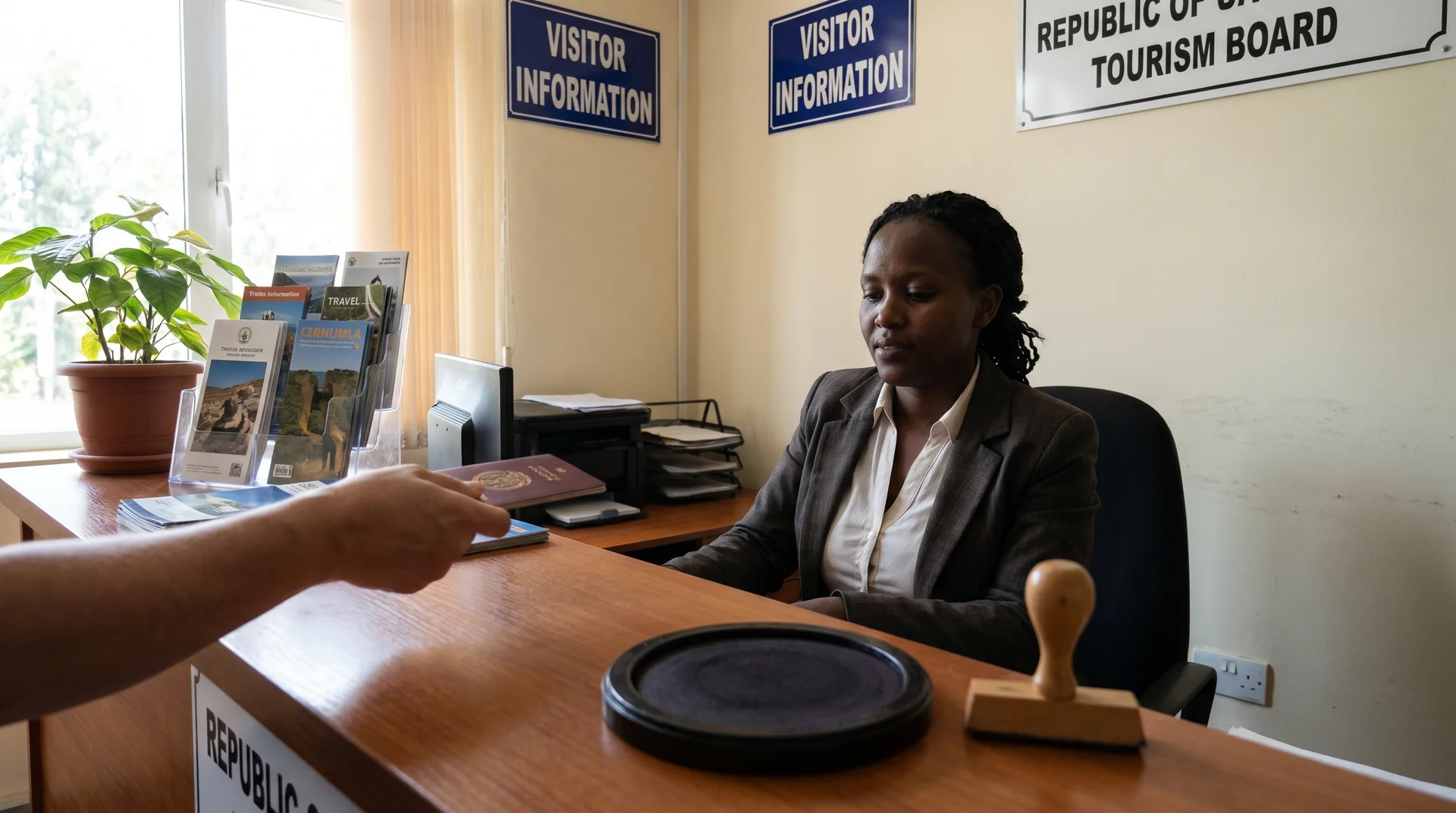
San Marino has no border control, so entry produces no automatic stamp. The Tourist Information Office offers a souvenir visa stamp for €5. It is a novelty item, not an official immigration record.
A small but genuine concern: some countries with strict immigration officials have, on rare occasions, flagged unofficial stamps as evidence of unauthorized travel or as a sign of a tampered document. If you travel frequently to countries with rigorous immigration processes, skip it. For most travelers, it is simply a souvenir. The San Marino passport stamp guide covers the process and which passport types to be cautious with.
The Tutto San Marino Card
Any hotel in San Marino gives you this complimentary card at check-in. It covers 50% off all state-owned museums, discounts on the cable car, and reductions at various local shops. If you are buying a Museum Pass anyway, staying one night effectively pays for itself through the museum savings alone.
Free Drinking Water
Drinking fountains are distributed throughout the old town and are safe to use. Bring a refillable bottle and skip buying bottled water at the tourist shops along the main shopping street.
Dining Advice
The restaurants immediately on the main tourist drag along Contrada del Collegio charge noticeably higher prices for average quality. Walk one or two streets off the main path and the options improve considerably. Make a reservation for dinner, particularly on summer weekends, as the few genuinely good restaurants fill quickly.
Best Time to Visit San Marino
April to May and September to October offer the thinnest crowds on the ridge. July and August pack the Witches' Path with tour groups. A detailed month-by-month breakdown of weather, events, and crowd levels is in the Best Time to Visit San Marino guide. A month-by-month breakdown of crowds, weather, and local festivals is in the best time to visit San Marino.
Why Spending the Night Changes Everything
Most visitors arrive on a day trip and leave with a pleasant but incomplete impression. The medieval streets feel genuinely different once the afternoon tour buses return to Rimini. The viewpoints over the Apennines at sunset, the quieter dining options in the evening, and the old town at dawn before the first buses arrive are experiences that simply do not exist on a day-trip schedule. If your itinerary allows even one night, the Tutto San Marino Card discounts and the quieter atmosphere make it straightforward to justify the extra cost.