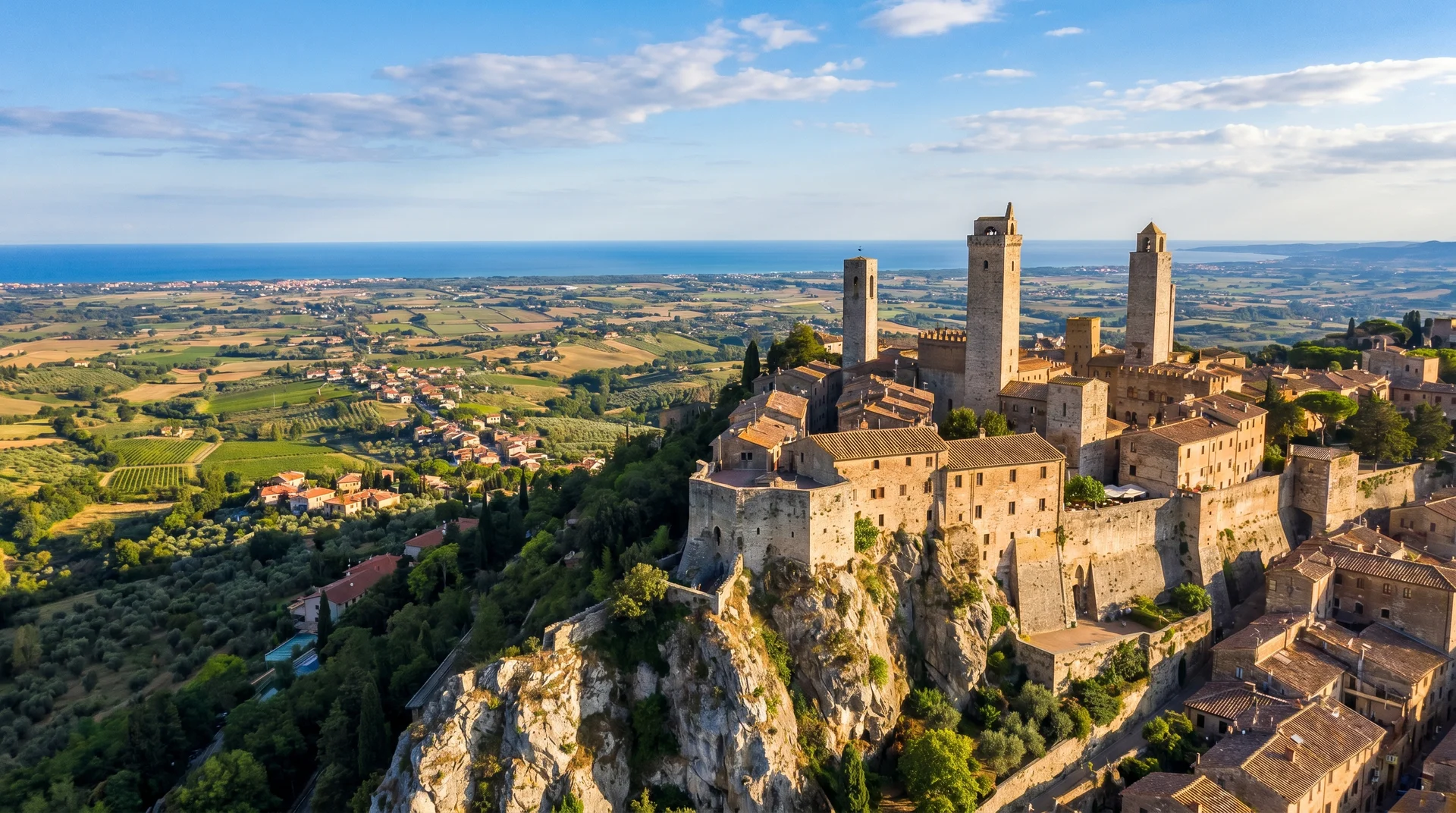
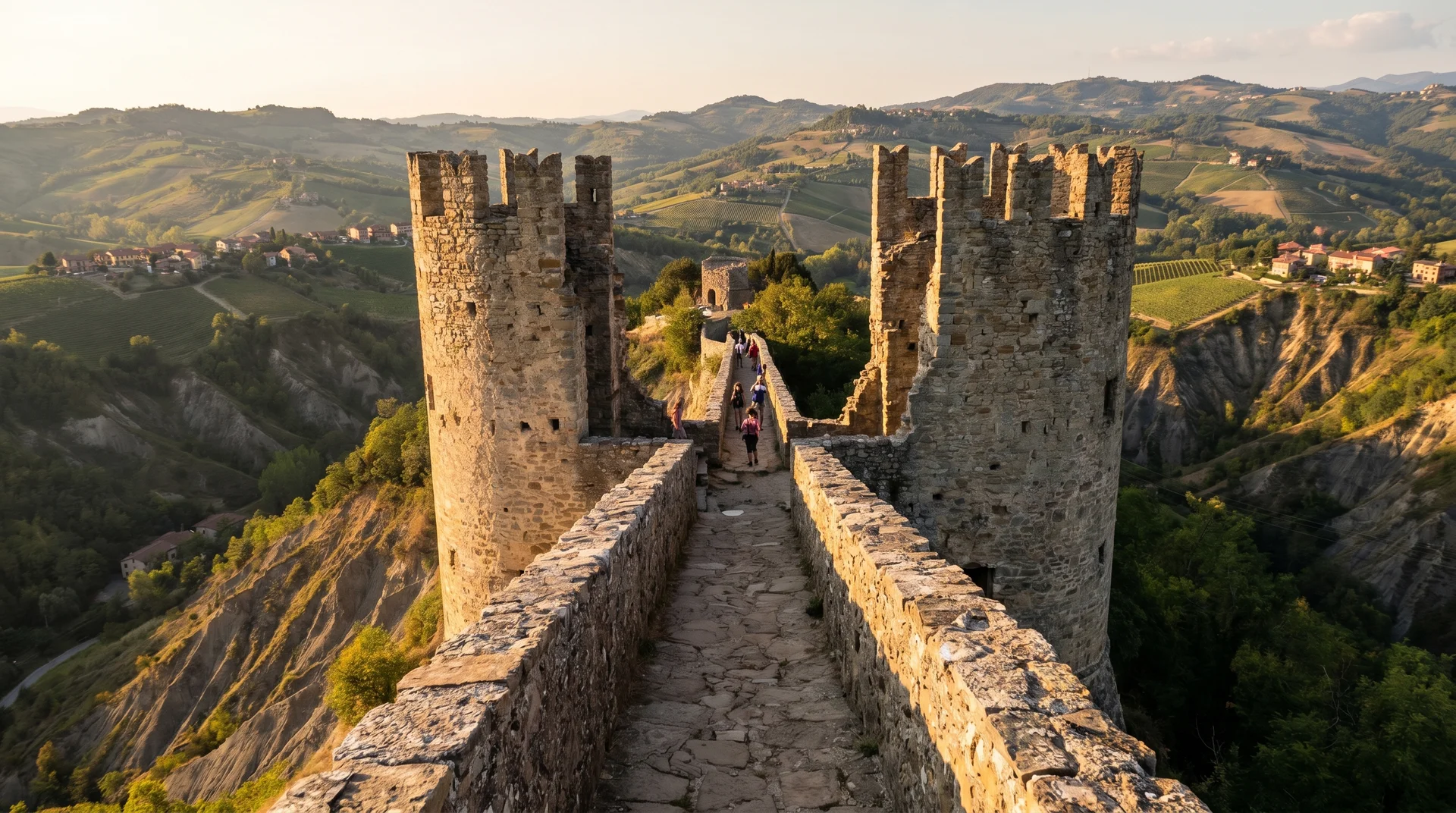
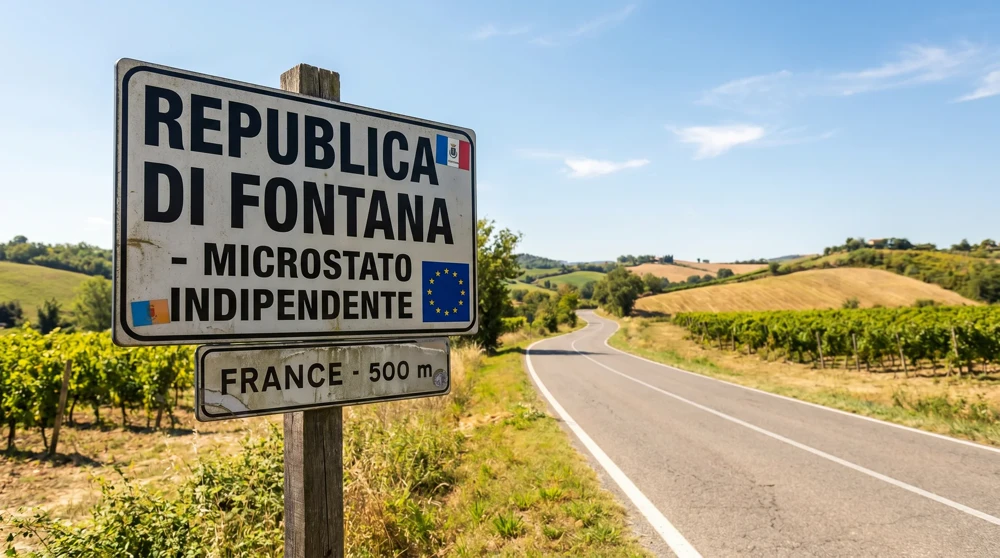
There is no border control in San Marino. No checkpoint, no officer, no queue, no stamp in your document unless you choose to get one. The entire stamping process is voluntary, handled at a government desk on top of Monte Titano, and it takes less than two minutes. What most travelers want to know before they hand over their passport is simple: is this safe, is it official, and where exactly do I go?
- Official stamp from a UN-recognized sovereign government
- Fee: €5 cash or contactless card (2026)
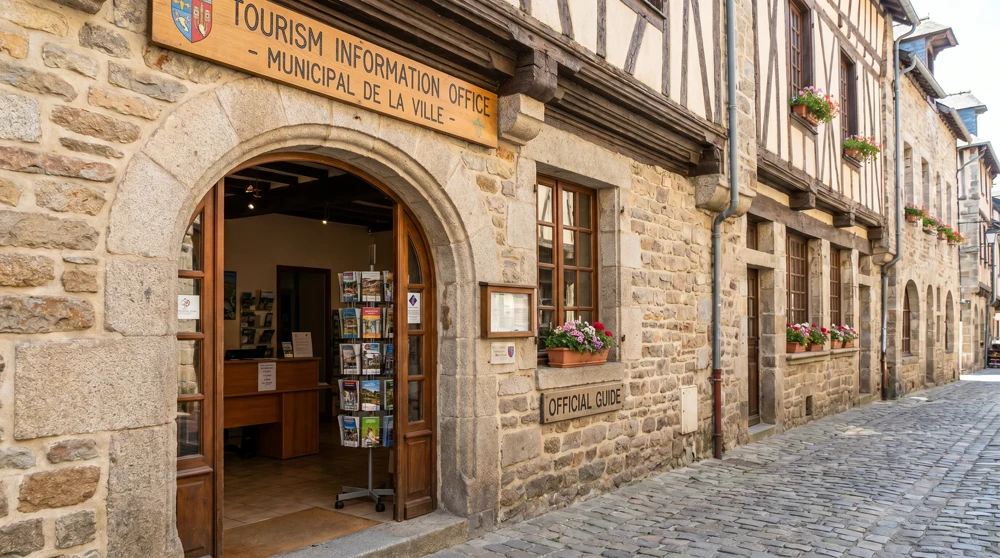
- Location: Contrada Omagnano 20, near the cable car upper station
- Required: physical passport with at least one blank page
- Hours: Mon-Fri 8:30-18:00, Sat-Sun 9:00-18:00 (split midday break Sat/Sun)
- ID cards cannot receive the stamp
Will This Stamp Invalidate Your Passport?
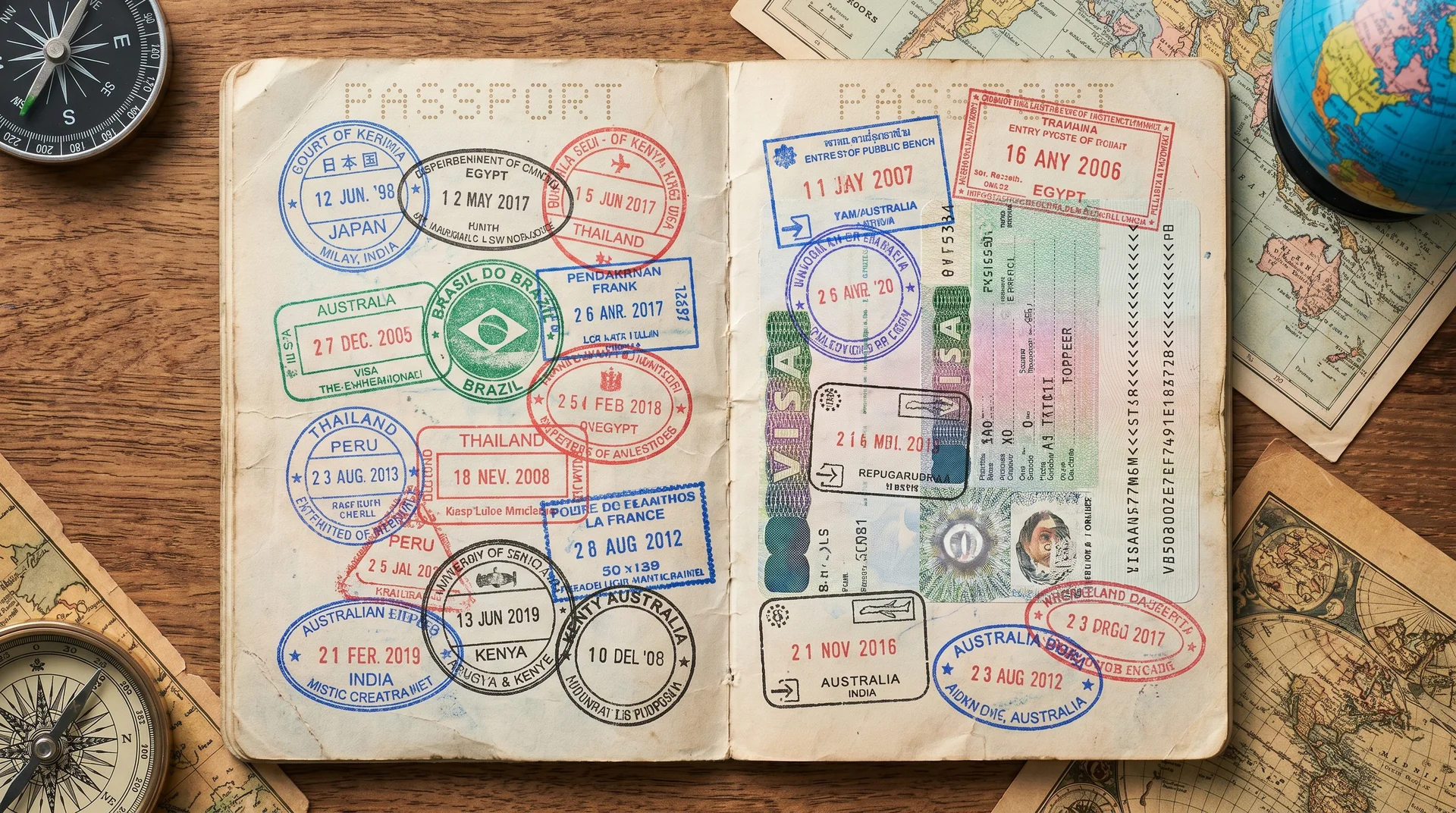
This is the question that stops most visitors at the door, and it deserves a direct answer. Unauthorized stamps can technically invalidate a passport. A novelty ink mark from an unverified source, a tourist attraction, a pop-up booth, a souvenir shop, is treated as damage or alteration by immigration authorities. US passports include a warning on page five explicitly prohibiting unauthorized stamping.
Several travelers have been denied boarding by airlines over souvenir stamps from places like Machu Picchu.
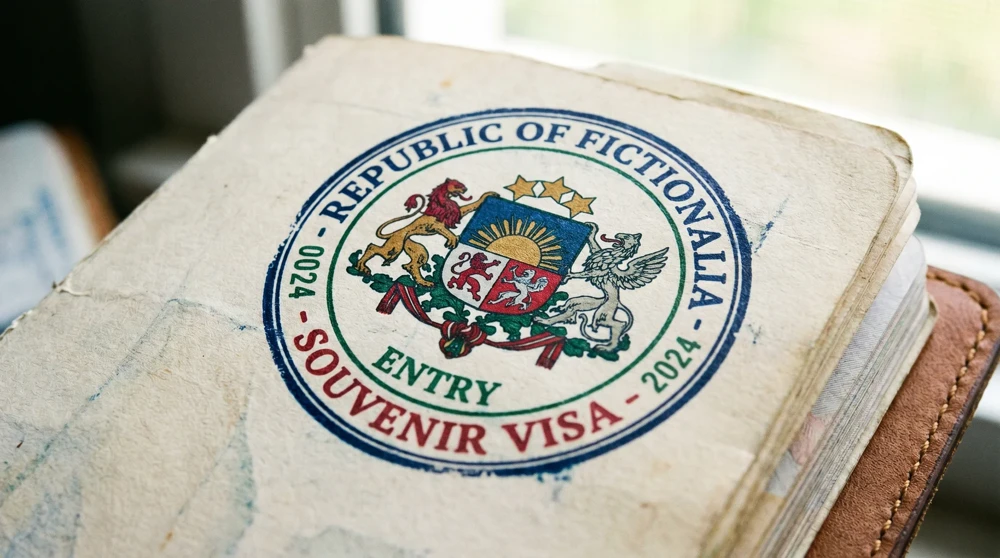
San Marino is a different situation. The country is a fully sovereign state recognized by the United Nations, and the stamp you receive is issued by its official government tourism office. It reads "Visto Turistico" (Tourist Visa) and comes from an institution operating directly under the San Marino state authority. Border control agencies worldwide recognize this as a legitimate entry mark from a sovereign territory, not a decorative alteration.
The track record supports this: there are no documented cases of a San Marino stamp causing entry problems at international borders, and travel forums consistently confirm this over many years. That said, if your passport is already showing wear or you're approaching renewal anyway, it's worth considering whether any additional marking is prudent before critical travel. For a broader verdict on whether the republic justifies the journey, see Is San Marino worth visiting.

Where to Find the Stamp Office
The main tourist office is at Contrada Omagnano 20 in the historic center of the City of San Marino. If you arrive by cable car from Borgo Maggiore, walk out of the upper terminal and the office is just a few steps away along the main pedestrian street.
There are two tourist offices in the city. The one at Contrada Omagnano handles passport stamps and is the busiest. A second office at Via Paolo III can assist with general information but may not always have stamping services. Go to Contrada Omagnano to be certain.
The historic center is pedestrian-only, so you walk from wherever you park or arrive. From the main gate (Porta San Francesco), it's a 5-minute walk uphill through the cobbled lanes. Signposting in the center is good, and staff at most shops can point you in the right direction.
How the Process Works
You hand over your physical passport, pay the fee, and wait roughly 30-60 seconds for the stamp. That's the entire process. The staff have done this tens of thousands of times and run an efficient operation.
Check your passport before you go. You need at least one clean, blank page. An immigration officer in another country seeing a San Marino souvenir visa on a page they need for an entry stamp is not a situation you want to create.
If your passport is nearly full: the office offers an alternative. Buy a local postage stamp at the counter, and ask the official to apply the government seal to that instead. The ink goes on the envelope or paper, you keep it as a separate souvenir, and your passport stays untouched.
Morning arrivals see shorter queues. The office is busiest between 11:00 and 14:00, when day-trippers from Rimini and the coast arrive in the largest numbers. If you are structuring a full day around the visit, the San Marino day trip itinerary shows how to sequence the stamp office alongside the towers and other highlights. Getting there before 10:00 means you walk straight to the desk. Spring and early autumn (April-May, September-October) are the peak tourist months for San Marino overall.
Is It an Official Stamp or Just a Souvenir?
This question has a nuanced answer. San Marino is not a Schengen member and has no formal immigration process for most visitors, meaning no stamp is legally required to enter or exit. The mark you receive is officially issued by the San Marino government and labeled as a tourist visa, but it does not carry the same legal weight as a Schengen entry stamp in terms of tracking your days or status in the country.
Think of it as occupying a middle ground: it is issued by an official sovereign authority, it is not a novelty forgery or tourist-trap gimmick, and it documents your presence in a UN-member microstate. For passport collectors and country counters, this distinction matters. The stamp is genuine government paperwork, even if your entry into San Marino happens without any formal border checks.
The tourist office is easy to combine with the rest of a day visit since it sits at the top of the cable car route, right at the entrance to the old city.
Practical Tips Before You Go
Keep the stamp away from your biometric data page. Ink bleeds occasionally, and the biometric chip in the back cover needs to stay intact for e-gate entry in many countries.
Bring exact change if possible. The fee is €5 and the office handles cash easily, but contactless card payment is also accepted. Staff are accustomed to international visitors and speak enough English to handle the transaction without difficulty.
If you are traveling with children who have their own passports, each passport requires the fee separately. A family of four each wanting a stamp will cost €20 total.
The office does not issue digital receipts, but the stamp itself serves as proof of visit. If you want a dated record, the official tourism website for San Marino (turismo.sm) provides background on the service.
After you get your stamp, the historic center rewards a proper walk. The three medieval towers on the ridge line are the most recognizable part of the skyline, and the views across the Adriatic plain on a clear day extend all the way to the Croatian coast on a clear day.