Showing up to a Maltese sea cliff with a 60-meter rope and a basic tide app is the fastest way to ruin a climbing trip. The island's sharp limestone and unpredictable local sea oscillations, known as milghuba, demand specific logistics and a deep respect for the rock.
Bringing the right gear and understanding the coastal conditions dictate whether you spend the day sending premium lines or retreating from a washed-out belay stance. This guide walks through the best crags on both islands, the sea-state factors unique to Malta, and the gear and transport you actually need.
- Best season: October to May, avoiding south-facing cliffs in summer
- Required rope: 70m recommended, which keeps you safe on modern sectors
- Quickdraws: 12 to 14, plus a few long slings
- Rock type: Sharp limestone with marine fossils and tufas
- Indoor gym: Crashpad in the Mriehel and Qormi area
- Transport: Rental car highly recommended
If you are still deciding when to book your trip, the best time to visit Malta lines up neatly with the prime climbing window.
Why Malta is a World-Class Limestone Destination
The archipelago packs over 1,100 fully bolted sport routes into a tiny geographical footprint, with grades running from F4 to F8c+. Walk-ins are almost non-existent here. You park the car, walk for five minutes, and immediately face vertical drops.
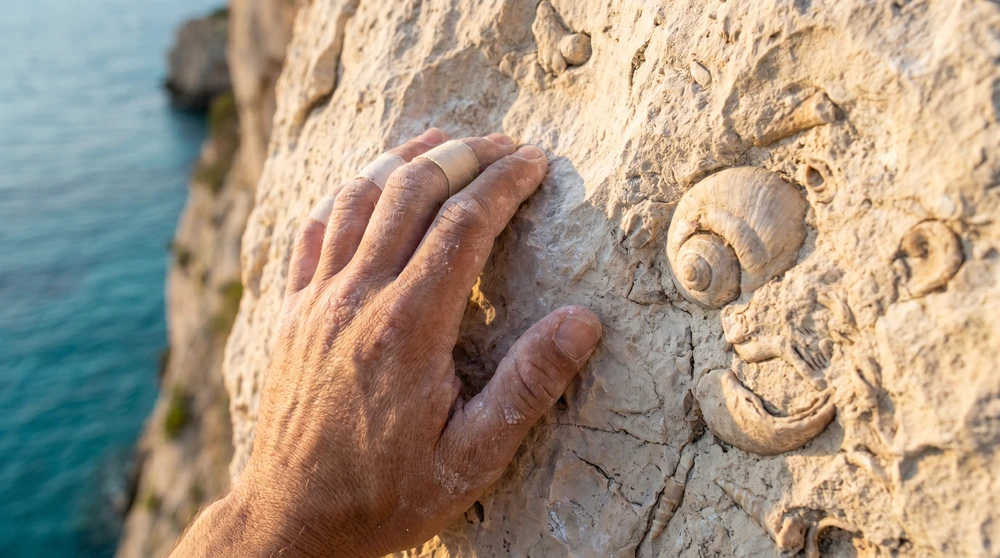
Low traffic means minimal polish. The rock remains incredibly crisp underfoot compared to the big-name European limestone destinations. Fossil climbing is a literal reality on the islands. Intact marine shells and ancient formations protrude directly from the holds, creating unique crimps and pockets.
A strong local bolting ethic maintains these routes. High-quality titanium hardware is the standard for sea-cliff lines to combat aggressive salt corrosion.
The Milghuba Factor: Understanding Sea-State Safety
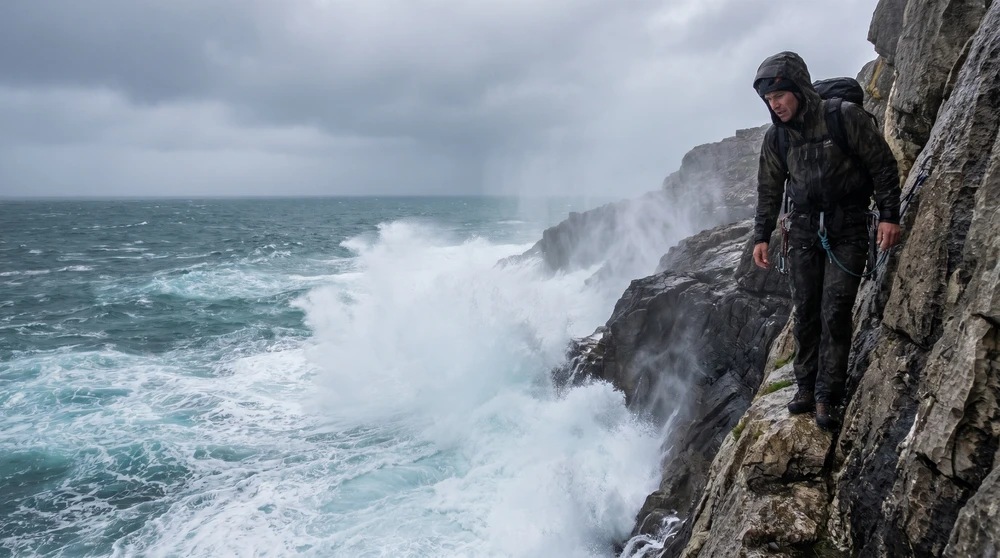
Malta's astronomical tide range is barely noticeable on a standard chart, so relying on basic tide times is a critical error. Local water level oscillations, called milghuba or seiche, and swell direction completely change the safety dynamic at sea-level stances.
A perfectly calm morning easily turns into a dangerous, wave-battered belay ledge within minutes. If the sea shows any sign of turbulence, skip routes requiring sea-level traverses or abseil landings close to the water.
Salt spray also ruins friction overnight. If the holds feel glazed or greasy, change your venue and move inland rather than forcing a send. The same caution applies to deep-water soloing, where wind strength and swell direction matter far more than the tide chart, and climbers have drowned after being unable to climb back out of a churning sea.
Top Sport Climbing Crags on Malta Island
Wied Babu: The Best First-Day Crag
Located in the Zurrieq area, this gorge provides a massive variety of grades and quick access across walls like Blue Wall and Red Wall. It acts as the perfect introductory crag to test your skin on Maltese limestone.
Access is highly sensitive. Stay strictly on established paths, avoid crossing private fields, and park legally so you do not block farm gates.
Ghar Lapsi: Steep Cave Pump
A beautiful coastal location featuring deep caves and heavy tufa systems, originally developed by the Royal Marines back in the 1940s. Expect a serious pump and steep overhangs, including the classic 8a testpiece, The Crossing.
Humidity plays a massive role here. Cool, dry days offer prime friction, while humid afternoons turn the tufas into slippery soap.
Victoria Lines: Summer Heat Avoidance
When the coastal sun becomes unbearable, this inland fault line provides relief. The north-facing aspect and steady airflow make it the premier choice for summer evenings and hot-weather sessions. The rock occasionally features chossy sections, so helmets are non-negotiable.
Must-Visit Crags on Gozo
Mgarr ix-Xini: Beginner-Friendly Bay
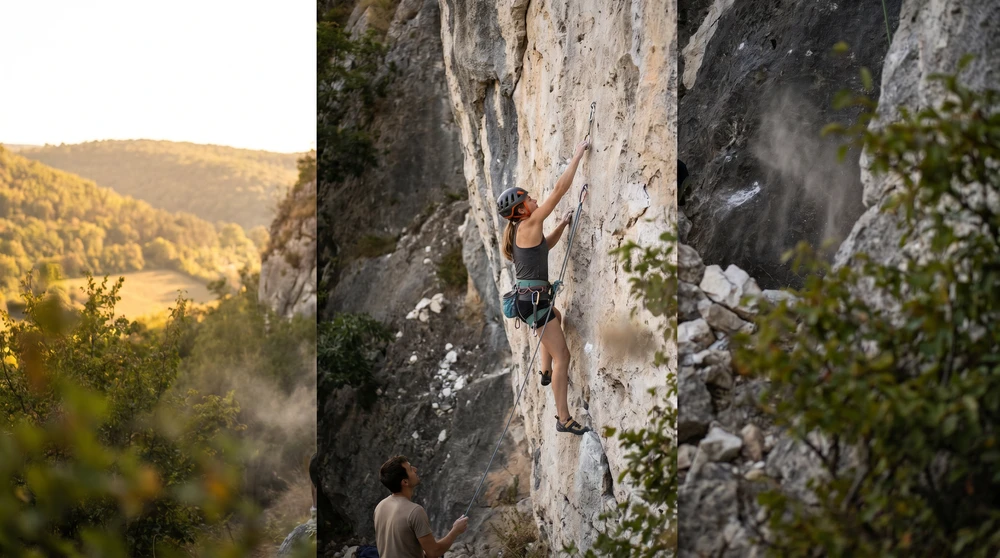
A highly sheltered gorge offering scenic walls and a friendly grade spread, it serves as an excellent all-around venue for mixed-ability groups. Some specific lines and sectors require threading natural features or placing slings between bolts, so always check the local topo before committing to a route.
The Underworld: Abseil-Access Thrills
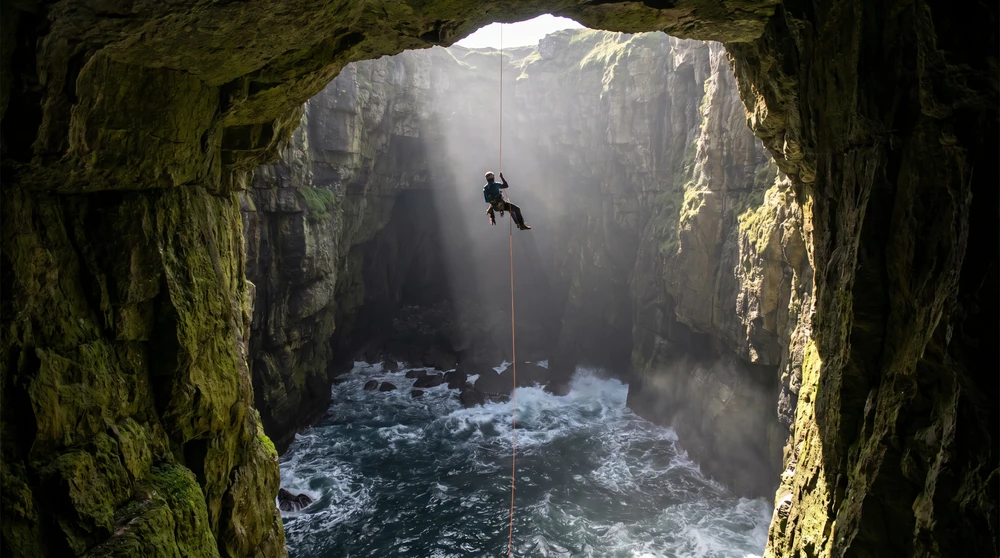
Massive exposure and a distinctly wild atmosphere define this crag. You abseil directly into a massive cave etched into the sea cliffs. Climb here only if your rope management systems are flawless and you are entirely comfortable ascending a fixed rope if necessary.
If you are pairing climbing with general sightseeing, our Gozo day trip itinerary helps you slot a session around the island's main sights.
Essential Gear and Logistics
Rope Lengths and Hardware
Bring a 70-meter rope. While a 60-meter works at older crags, modern development across the islands assumes a 70-meter standard. Always knot the ends.
Skin management is your biggest hurdle. Tape is essential, as the pristine pockets and sharp edges act like a cheese grater on unconditioned hands. If you plan to place trad gear, prioritize passive protection and threads. Standard cams easily crush the softer limestone pockets under expansion force.
Getting Around: Ferries and Rentals
Rent a car. The public bus network is extensive but highly inefficient for reaching remote crags with heavy gear, while driving keeps your schedule flexible and lets you chase the shade. Pickup points and pricing vary by depot, so renting a car in Malta breaks down what to expect before you book.
To reach Gozo, the standard car ferry runs from Cirkewwa on Malta to Mgarr on Gozo and takes about 25 minutes, and the Malta to Gozo ferry lays out the full schedules and fares.
Indoor Gyms and Gear Shops
The indoor scene recently shifted. The older gym Gebla permanently closed in December 2025. Crashpad, which opened in November 2025 in the Mriehel and Qormi area, now operates as the primary modern indoor facility and training hub on the main island.
For emergency chalk, tape, or hardware replacement, Mochika at 270 Mdina Road in Qormi stocks dedicated climbing gear, while Decathlon provides basic athletic consumables.