Many travelers leave Jamaica convinced they've experienced the real island - but a week locked inside a walled mega-resort in Montego Bay delivers a sanitized illusion, not the authentic Caribbean.
To find the unfiltered rhythm, you have to head east. Past the Blue Mountains and deep into rain-soaked rainforest lies Port Antonio, a town where the heavy basslines of dancehall spill into the street, locals treat you like a neighbor rather than a walking wallet, and the wilderness remains genuinely wild. This is Jamaica before the all-inclusive era, and it is absolutely worth the journey.
- Nearest Airport: Norman Manley International (Kingston) - approx 2 hours by road
- Vibe: Laid-back, community-driven, eco-tourism focus
- Transport: Shared route taxis, private transfers, or rental car
- Ideal For: Independent backpackers, nature lovers, and culture seekers
Why Port Antonio Is Jamaica's Best Kept Secret
The contrast between the western resort towns and this northeastern pocket is sharp. The tourism industry here sits far below its historical peaks, and that is the entire point. You won't find massive Margaritaville franchises or crowded all-inclusive compounds.
Instead, the streets smell of woodsmoke and jerk spices, traffic weaves unpredictably, and the community operates on genuine connections. Every local you pass offers a fist bump, a quick Patois greeting, or a casual conversation. It requires an independent mindset, but the reward is a tranquil, deeply cultural experience that no resort can bottle.
If you're still weighing your options for accommodation across the island, the guide to where to stay in Jamaica covers Port Antonio alongside Montego Bay and Negril.
Top Things to Do in Port Antonio
The Real Blue Lagoon Experience
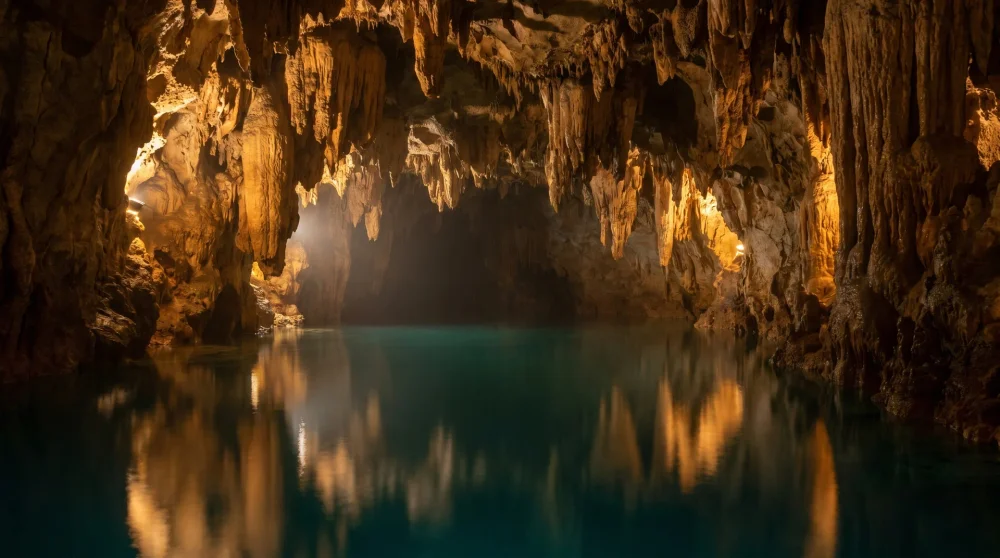
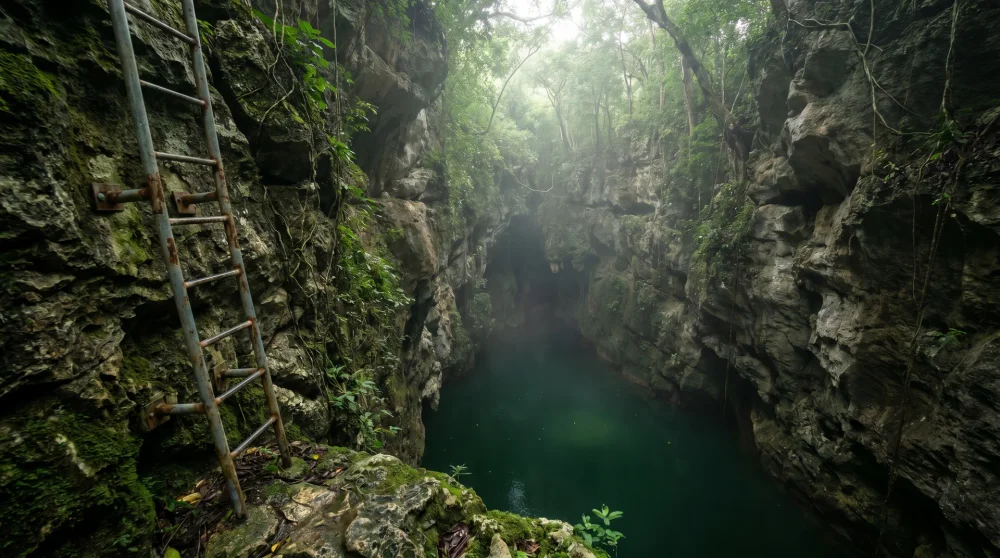
The Blue Lagoon glows a brilliant, incandescent blue, fed by both freshwater underground springs and the Caribbean Sea. The lagoon reaches depths of around 200 feet, which creates that otherworldly color, and entry is free.
For swim access, tour prices and practical details, see Blue Lagoon Port Antonio.
Rio Grande Rafting
The Rio Grande is widely credited as the birthplace of Jamaica river rafting. A bamboo raft captain steers you downstream on a 2 to 3 hour excursion from Berridale through lush jungle, with occasional stops at riverside villages. The long trip costs USD $100 per raft (2 adults) per raft (carrying up to 2 adults and 1 small child), making it better value as a couple or small family. Transport to the put-in point is not included, so budget for a taxi or arrange pickup with your hotel.
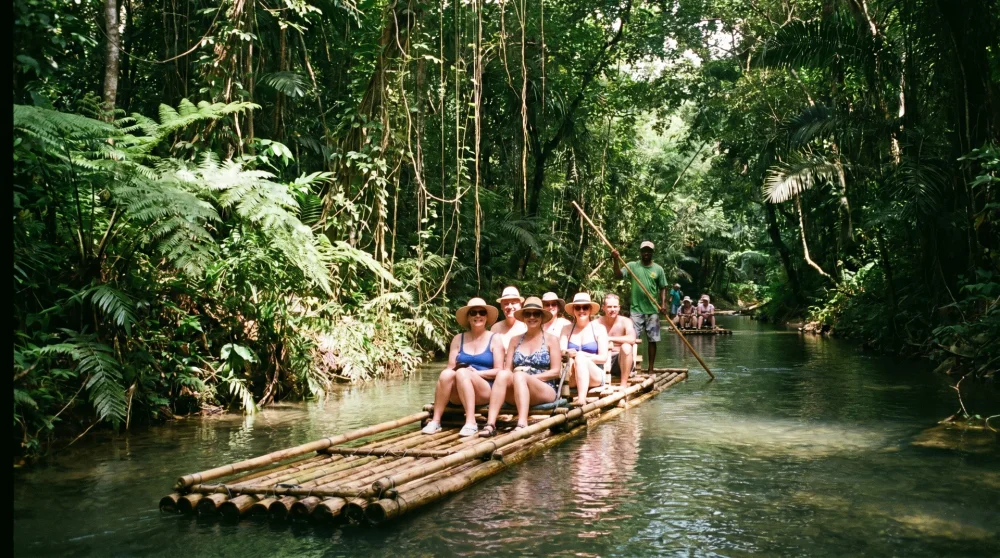
For a full comparison of Jamaica's rafting options, Rio Grande versus Martha Brae versus Lethe, check the bamboo rafting in Jamaica guide.
Reach Falls
About 25 km southwest of Port Antonio, Reach Falls is one of the most impressive waterfalls in Jamaica. The hike leads upstream through dense vegetation before opening onto a powerful cascade with crystal-clear pools and caves behind the main drop. Admission is USD $10 for adults and USD $5 (under 12) for children under 12. The falls are open Wednesday to Sunday, 8:30 am to 4:30 pm.
The best time to visit is during the wetter months (June to November) when the flow is most dramatic. For context alongside other falls around the island, the best waterfalls in Jamaica guide is worth reading before you plan your route.
Surfing and Jerk Pork at Boston Bay
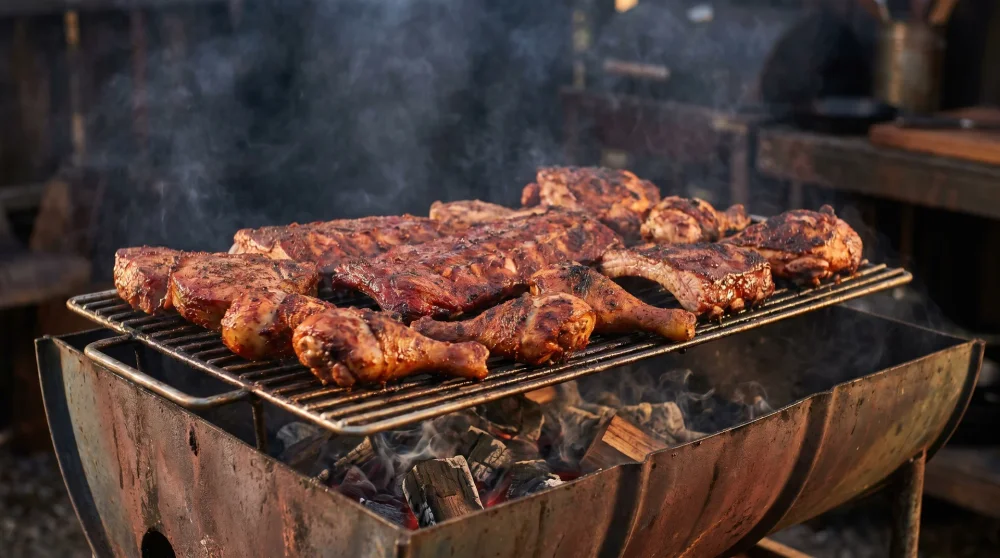
Boston Bay, roughly 10 km east of Port Antonio, claims the title of birthplace of jerk cooking. The roadside shacks here do not serve watered-down tourist food. You get slow-cooked pork and chicken, alongside roasted yams, breadfruit, and fried festival bread, all cooked over pimento wood on half-drum grills.
Local vendors like the legendary Winston take immense pride in their craft. They remember faces, respect a polite no, and focus intensely on their grills. Grab a plate, pull up a creaky chair, and watch surfers tackle the bay's reliable waves. The Boston Jerk Festival draws huge crowds annually - if your dates align, do not miss it.
Navy Island and the Errol Flynn Legacy
Hollywood actor Errol Flynn accidentally washed ashore here during a storm, fell in love with the twin harbors, and bought Navy Island just off the coast. He transformed the area into a secluded retreat for celebrities, sparking a brief but intense era of Caribbean glamour.
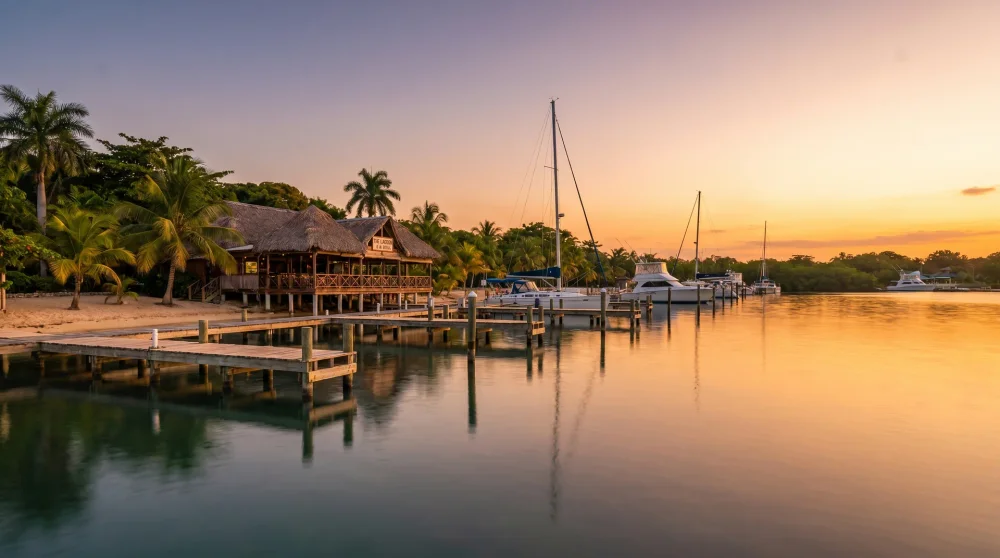
Today the raw energy of the old banana trade lingers around Boundbrook Wharf. Take a water taxi across the short channel to explore the ruins of this faded Hollywood playground. Walking north on Gideon Avenue rewards you with Victorian gingerbread architecture in the Titchfield neighborhood - some of the finest in the Caribbean.
Directly opposite the East Harbour entrance, Pellew Island sits small, wooded, and almost entirely overlooked by visitors who never venture beyond the Blue Lagoon or Frenchman's Cove. Water taxis from the town wharf cover the short crossing on an informal basis - negotiate the fare before stepping in and agree on a pickup time. The island has no formal facilities, no vendors, no sunlounger operators. That is precisely the point. A stretch of beach, calm water, dense canopy overhead, and the kind of quiet that Port Antonio's other attractions cannot guarantee.
Frenchman's Cove
A small, fresh river winds through lush jungle and spills directly into the ocean at this private beach. The sand is incredibly soft, and the water stays remarkably calm thanks to the sheltering cliff walls. Admission is approximately USD $15 approx (foreigners) for foreign visitors (JM$2,500 equivalent). You might find yourself sharing the entire cove with only a handful of other independent travelers - that low volume of mass tourism means world-class beauty almost entirely to yourself.
Folly Point Lighthouse and Ruins
The crumbling shell of Folly Mansion - a 60-room estate built by an American millionaire in the early 1900s - sits on the eastern edge of the Titchfield Peninsula. The story goes that the concrete mixed with saltwater began to corrode almost immediately, making the mansion structurally unsound before it was ever properly finished. The Folly Point Lighthouse nearby adds atmosphere and the view across the two harbors at sunset is outstanding.
Where to Eat Like a Local
Woody's Low Bridge Place
Do not expect fast food or standard restaurant pacing here. Woody's operates on reservation for full meals, ensuring every dish receives proper attention. The Plantain Full House burger is a legendary creation - sweet, savory, and structurally chaotic. Faded photo collages on the walls show Woody performing reggae with his wife in front of packed crowds years ago. It feels exactly like eating in a Jamaican family's dining room.
Roots 21
Located inland to the southwest of the marina, Roots 21 consistently ranks as the best dinner option in Port Antonio. The menu reflects the island's deep historical ties, offering traditional dishes with strong Indian origins. Portions are massive and flavorful. Start with the Talkari - a fantastic mashed pumpkin appetizer - before diving into the heavy mains.
How to Get to Port Antonio
Reaching this eastern corner filters out casual tourists, and that is part of its charm.
From Kingston: The most common starting point. A private transfer costs around USD $130 approx (private, one way) and takes roughly 2 hours. Shared route taxis cost a fraction of that, get you there in similar time, and provide instant cultural immersion - you'll be shoulder to shoulder with locals sharing essential travel tips. Knutsford Express also runs a bus service for around USD $11-21 per person.
From Montego Bay: A significantly longer haul. Private transfers run USD $240-$280 (private, one way) one way, with the drive taking around 3.5 hours. If Port Antonio is your primary destination, fly into Kingston - it will save you time and money. See the Jamaica airports guide for a full breakdown.
Driving: Renting a car gives you total flexibility for exploring Boston Bay, Reach Falls, and the coastline between them. Be prepared for the wildest driving conditions you've ever encountered - narrow mountain passes, few road markings, and local drivers who shed all laid-back attitude the moment they sit behind a wheel.
Is Port Antonio Safe for Tourists?
The people of Port Antonio are incredibly warm, but the town requires street smarts. Locals will frequently approach you offering services - from homegrown coffee to haircuts. Their persistence is famous: say no to one thing and they immediately offer another. Stay polite but firm.
Walking at night demands real caution. Sidewalks are broken in many spots, often with sheer drops into open drainage channels. Heavy traffic makes walking along the narrow A4 road after dark genuinely hazardous. Keep a flashlight handy, stay hyper-aware of your surroundings, or hire a local guide for nighttime movement.
For the broader Jamaica safety picture, the Is Jamaica Safe for Tourists guide covers the current advisories and practical realities across the island.
Best Time to Visit Port Antonio
The dry season runs December to April and offers the most predictable weather for beach days and waterfall hikes. However, Port Antonio receives more rainfall year-round than the resort areas of the north coast - the lush jungle is the direct result of that moisture.
March to May offers the best combination of lower hotel prices and acceptable weather. The Boston Jerk Festival typically takes place in the summer months, drawing crowds from across Jamaica. For a full seasonal breakdown including hurricane risk, see the best time to visit Jamaica guide.
If you're planning your overall Jamaica budget, the Jamaica travel costs guide provides realistic day-by-day spending estimates for independent travelers.