Planning a Jamaica trip starts with one decision that shapes everything else: when to go. Get it right and you get clear skies, calm seas, and festival vibes. Get it wrong without preparation and you might land in the middle of a tropical downpour with half the resorts charging peak rates anyway.
This guide cuts through the generalizations and tells you exactly which months work for your trip type, your budget, and your tolerance for rain.
Decoding Jamaica's Seasons: Peak, Shoulder, and Off-Season
Peak Season (Mid-December to Mid-April): Sun, Sand, and Crowds
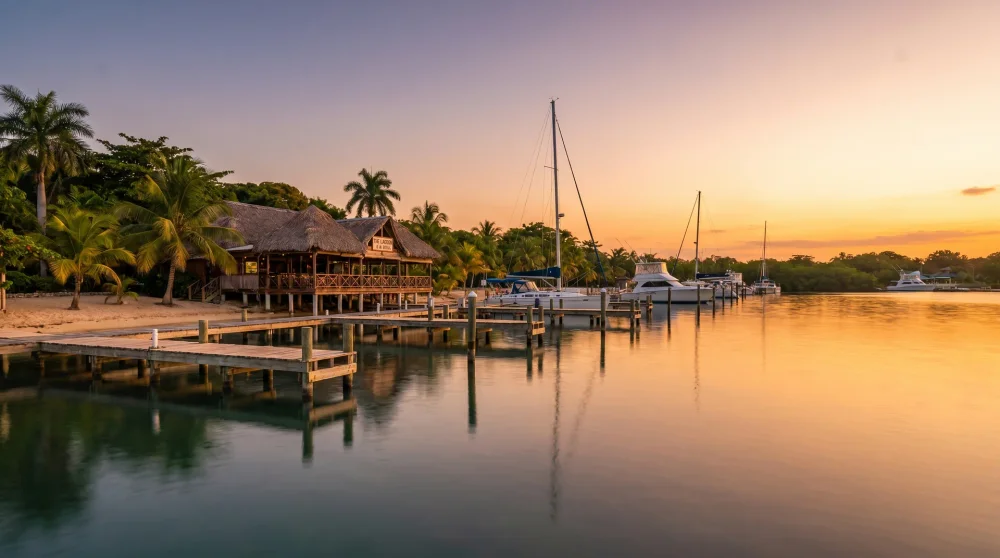
The classic winter escape window runs from mid-December through mid-April. During these months, the northeast trade winds push any cloud cover well offshore, humidity drops to comfortable levels, and the beaches along Negril, Montego Bay, and Ocho Rios see nearly wall-to-wall sunshine.
Temperatures sit between 75°F and 85°F (24-29°C), which is warm enough for swimming but not oppressively hot. The sea stays calm, visibility for snorkeling and diving is at its clearest, and the entire island operates at full capacity.
The trade-off is price and crowds. Resorts and private villas routinely charge 40-60% more during peak season than their low-season rates. Booking windows for popular properties in Negril and Ocho Rios often open 6-9 months in advance. If you want a specific villa or resort over the holidays, book early or expect to compromise.
The period between Christmas and New Year is the absolute peak within peak season. Flights are expensive, resorts are full, and Montego Bay airport moves enormous passenger volumes. Plan accordingly.
Shoulder Season (Mid-April to June and November to Mid-December): The Sweet Spot
The two shoulder windows, mid-April through June and November through mid-December, offer the best value-to-experience ratio on the island.
In the spring shoulder (mid-April to June), temperatures creep up slightly to 82-88°F (28-31°C) and occasional afternoon showers become more frequent, but mornings are typically clear and bright. The northern coast sees more precipitation than the south during this period, so travelers willing to base themselves near Kingston or Treasure Beach get more dry time for their money.
Rates during this window typically run 20-35% below peak season prices. The island is less crowded, staff at resorts are more attentive, and you can often negotiate last-minute deals on villa rentals.
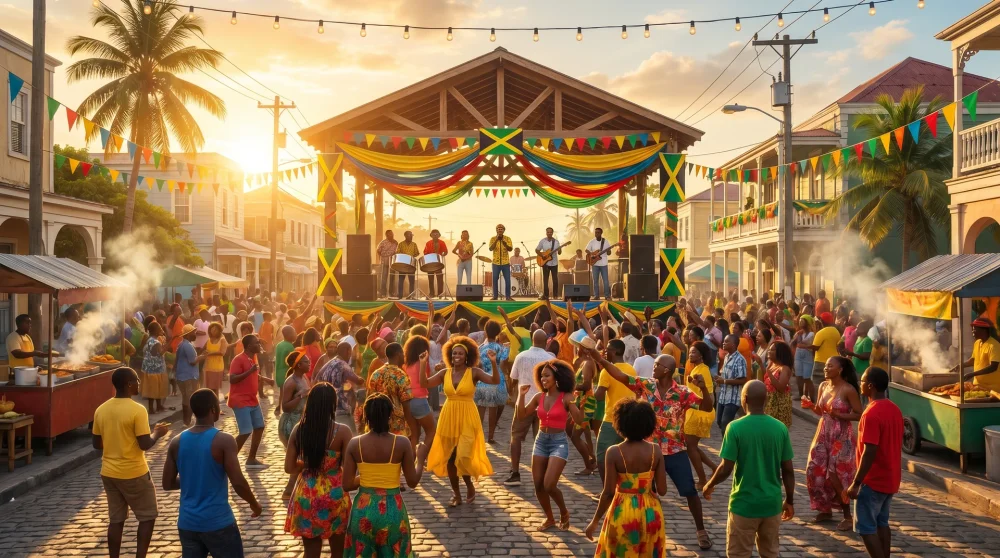
The autumn shoulder (November to mid-December) is slightly riskier in early November due to the lingering edge of hurricane season, but by mid-November the risk drops sharply. This is when Jamaica starts gearing up for the holiday surge and prices begin climbing again, so booking the first two weeks of December can get you lower-season rates with improving weather.
Off-Season and Hurricane Season (July to October): High Risk, Big Discounts
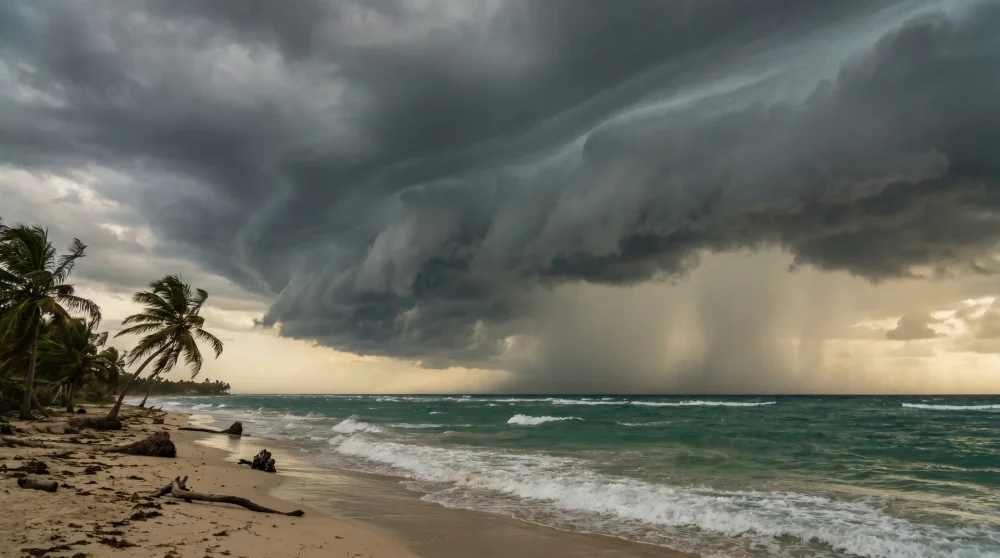
The official Atlantic hurricane season runs June through November, but Jamaica's highest-risk window is concentrated between mid-August and October. Direct hurricane strikes on Jamaica are statistically uncommon, but tropical storms and their outer bands bring persistent heavy rain, strong winds, and rough seas that can seriously disrupt beach plans.
July remains relatively manageable. Rain becomes more frequent but still follows the predictable pattern of sunny mornings and intense afternoon showers lasting a few hours. Many travelers who go in July report getting enough beach time to justify the trip.
August, September, and October carry genuine risk of multi-day disruption. Resorts drop rates dramatically, sometimes by 30-50%, and many smaller guesthouses and villas offer flexible cancellation during this window. If you go, purchase comprehensive travel insurance that covers hurricane-related cancellations.
September and October are consistently the cheapest months for both flights and accommodation.
The Microclimates: North Coast vs. South Coast Weather
One piece of information that almost every generic travel article misses: Jamaica is not climatically uniform.
The Blue Mountains run through the center of the island, acting as a weather barrier. The northern slopes face the prevailing trade winds and receive substantially more rainfall year-round. Ocho Rios, on the north coast, averages roughly 60 inches (1,500mm) of rain per year. Montego Bay, also on the north coast but with slightly different terrain exposure, averages around 45 inches (1,140mm).
The southern coast tells a different story. Kingston and the parishes to the south sit in the rain shadow of the Blue Mountains and average only about 30 inches (760mm) of annual rainfall. The area around Treasure Beach in St. Elizabeth is often called the "dry'' part of Jamaica for exactly this reason.
This has a practical implication for off-season travelers: if you must visit during the rainy season and want maximum dry time, base yourself in the south. You will still get afternoon showers, but significantly fewer of them. The south also tends to be less developed for mass tourism, which means smaller guesthouses, more authentic local food, and fewer crowds even during peak season.
Best Time to Go Based on Your Travel Style
For Beaches and Snorkeling (Montego Bay and Negril)
The classic beach window is mid-December through April. Water temperatures stay between 80-84°F (27-29°C) year-round, but visibility and sea conditions are consistently best during the dry season. Negril's Seven Mile Beach and the waters off Montego Bay see calm, clear conditions from January through March.
For snorkeling specifically, June through September actually brings the calmest inner-reef conditions on the north coast despite being the rainier season, with water clarity often excellent in the mornings before afternoon storms build. This is worth knowing if you are budget-conscious and primarily visiting for underwater experiences.
For Hiking the Blue Mountains
February through April is the prime window for Blue Mountains hiking. The trails are drier, the peak of Blue Mountain Peak (7,402 ft / 2,256 m) is accessible, and the famous sunrise hike is most reliably cloud-free during these months.
During the rainy season, the upper trails become muddy and cloud cover frequently obscures the summit views. The coffee farms at lower elevations remain accessible year-round, but if the peak sunrise hike is on your list, go in the dry season.
For Budget Travelers
September and October offer the lowest rates across the board, but carry the highest weather risk. For a better risk-reward balance, late April through June gives you 20-35% discounts with much more reliable weather.
November is worth considering: it is past the peak hurricane months, weather is improving, and rates have not yet jumped back to December levels. The window between November 10 and December 10 hits a sweet spot that most budget travelers overlook.
For Reggae, Rum, and Cultural Festivals
Jamaica's festival calendar is rich and worth planning around:
- Bob Marley Birthday Week (First week of February): Kingston hosts concerts, exhibitions, and street events marking the legend's February 6 birthday. This is one of the most atmospheric times to visit the capital.
- Jamaica Carnival (April/May): Port of Spain gets the fame, but Jamaica's carnival is a legitimate street festival centered on Montego Bay and Kingston, with road marches and fetes running through late April and early May.
- Reggae Sumfest (July): Montego Bay's massive outdoor reggae festival draws major international acts. Accommodation in MoBay books up months in advance for this weekend. Prices spike sharply.
- Jamaica Jazz and Blues Festival (January): A multi-day outdoor concert event in Montego Bay attracting international jazz and R&B performers.
- Calabash International Literary Festival (May): Held at Treasure Beach, this acclaimed literary event draws Caribbean and international writers for readings and discussions in a stunning outdoor setting.
A Quick Month-by-Month Weather Overview
January: Dry, sunny, comfortable. Peak season crowds and prices. One of the best weather months.
February: Excellent weather continues. Bob Marley Week festivities in Kingston. Still busy.
March: Late peak season. Very reliable weather. Prices begin to ease slightly after spring break.
April: Transition month. First half still peak-season pricing; second half sees rates drop as the shoulder begins. Occasional afternoon showers increase.
May: Shoulder season. Good weather with more frequent afternoon rain. Jamaica Carnival in late April/early May. Good value.
June: Early rainy season begins. Mornings typically clear. Accommodation deals available. Hurricane season technically starts but risk is still low.
July: Warm, humid, more frequent afternoon storms. Reggae Sumfest. Manageable for beach travel with flexible plans.
August: Hurricane risk increases meaningfully. Rain becomes more persistent. Cheapest rates but genuine disruption risk.
September: Highest hurricane risk month. Lowest prices of the year. Travel insurance essential.
October: Still high hurricane risk through mid-month. Rates remain low. Weather begins improving in late October.
November: Risk drops sharply after mid-month. Shoulder pricing returns. Increasingly good value as the month progresses.
December: First half offers shoulder deals; second half sees full peak-season pricing return. Christmas and New Year are the most expensive days of the year on the island.