Is Jamaica one of the most beautiful islands in the Caribbean? Absolutely. Is it also one of the most misunderstood destinations when it comes to safety? Without question.
Relying on heavily sanitized resort brochures leaves you completely unprepared for the reality of navigating Jamaica's complex security landscape, while reading only government travel advisories might convince you to cancel your trip altogether. Understanding the stark physical boundaries between high-risk inner-city parishes and heavily guarded tourist corridors is the only way to ensure a secure trip without missing out on the island's authentic culture.
- Emergency Police: 119
- Medical Assistance & Fire: 911
- Official Taxis: Red and white "PP" license plates with a lime-green JUTA window sticker.
- Safe Intercity Transport: Knutsford Express.
- High-Risk Zones: Inland Montego Bay, downtown Kingston, Spanish Town, and parts of Westmoreland.
- Hurricane Season: June to November.
Understanding the Travel Advisories (US, UK, and Canada)
Government authorities consistently issue elevated travel advisories for Jamaica due to high rates of armed robbery and gang violence, coupled with a severely overstretched local police force. Emergency response times lag significantly outside major hubs, and medical facilities often require upfront payment regardless of your insurance status.
Violent crime, however, is highly localized. Tourists are rarely the primary targets of gang-related violence, which remains mostly confined to traditional hot spots. Your most common threat as a visitor is an opportunistic robbery or bag snatching in crowded areas.
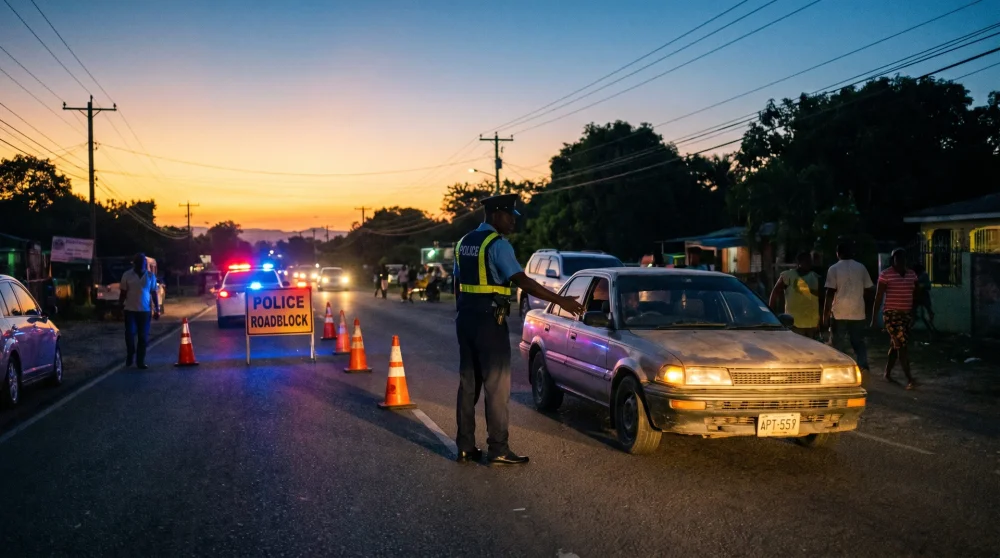
The local government frequently implements States of Emergency (SOE) or Zones of Special Operations (ZOSOs) to curb outbursts of violence. These measures grant the military and police additional powers, resulting in sudden curfews and roadblocks. Checkpoints are especially common along the A1 North Coast Highway. Always carry a valid photo ID and cooperate fully with local authorities if stopped.
High-Risk Parishes and Areas to Strictly Avoid
Wandering off the beaten path requires extreme caution and meticulous planning. Certain parishes harbor a significant gang presence and see frequent violent crime, meaning they should be completely excluded from your itinerary.
Specific Neighborhoods in Kingston & Montego Bay
If you are unfamiliar with Kingston, do not attempt to drive through the city. Avoid downtown Kingston entirely, specifically areas south of Half Way Tree and Old Hope Roads. Neighborhoods like Trench Town, Arnett Gardens, Cassava Piece, and Standpipe are strictly off-limits. When driving from Norman Manley International Airport, take the South Camp Road (Hummingbird Route) rather than Mountain View Avenue, where travelers have previously been tracked and robbed.
In Montego Bay, the danger zones lie just beyond the tourist strip. Stay away from the inland side of the A1 highway. Neighborhoods such as Flankers, Barrett Town, Glendevon, Rose Heights, and Mount Salem pose severe security risks. Avoid the Queen's Drive from San San to Harmony Beach Park.
Resort Safety: Inside the Gates vs. Exploring the Island
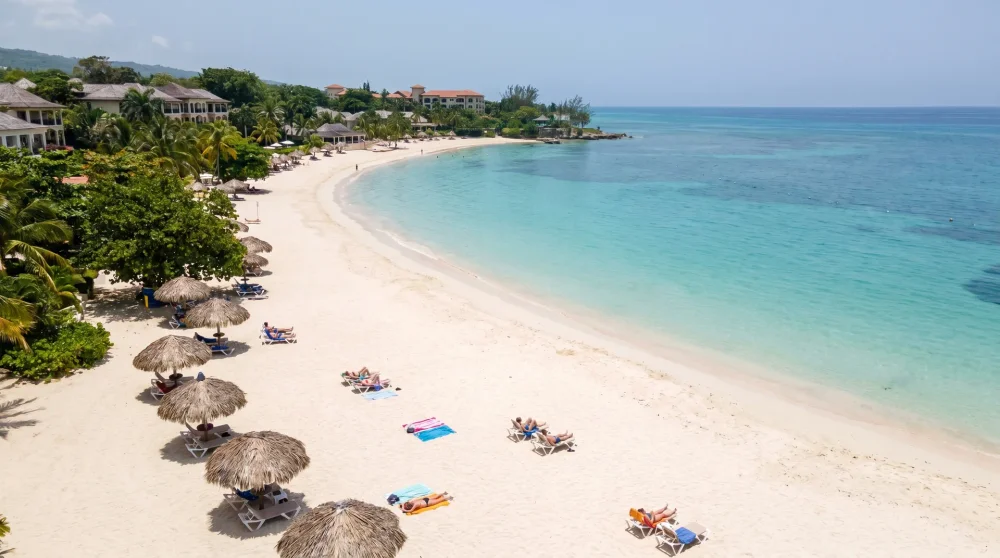
Gated resorts operate as highly secure compounds with private security, controlled entrances, and strictly monitored visitor access. The atmosphere inside is relaxed, and the grounds are incredibly safe. However, petty theft still occurs. Always use your room safe for passports, cash, and electronics, and ensure ground-floor balcony doors remain locked at night.
Venturing outside the resort changes the security dynamic immediately. Do not walk on isolated or deserted beaches, even in broad daylight. If you want to explore waterfalls or historical ruins, book a guided excursion through a reputable tour operator rather than attempting an independent road trip. The Black River Safari is a good example of an experience best done with an organized tour. If confronted by a robber, hand over your valuables without hesitation, as resisting almost always leads to physical violence.
How to Navigate Jamaica Safely
Public city buses are severely overcrowded and present a high risk for pickpocketing and muggings. Avoid them entirely. Driving a rental car exposes you to aggressive local driving habits, poorly maintained rural roads, and unexpected military checkpoints.
Recognizing Official JUTA Taxis
Never get into an unmarked vehicle or hail a random taxi from the street. Only use taxis authorized by the Jamaica Union of Travellers Association (JUTA). You can identify these vehicles by their distinct red and white "PP" license plates and the lime-green JUTA sticker displayed on the windshield. Taxis here are not metered, so always negotiate and agree on the final fare with the driver before getting inside.
Why You Should Use Knutsford Express
For traveling between major cities like Kingston, Ocho Rios, and Montego Bay, the Knutsford Express remains the safest and most reliable option. This private coach service operates on a strict schedule and provides air-conditioned comfort. It entirely bypasses the risks associated with public transit and unlit rural roads.
If you are arriving by cruise ship, familiarize yourself with Jamaica's cruise port logistics before your visit - understanding the layout of Falmouth, Montego Bay, and Ocho Rios ports helps you avoid falling into the hands of unlicensed operators.
Health Risks and Hurricane Season Readiness
Basic and specialized medical care is inadequate outside of Kingston and Montego Bay. Private hospitals demand large upfront payments or credit card guarantees before admitting patients. Pack all necessary prescription medications in your carry-on, as common drugs like insulin are often difficult to source locally.
Avoid accepting snacks, gum, or drinks from new acquaintances. Drink spiking incidents occur in tourist areas, often leading to robbery and assault. Stick to bottled water to prevent traveler's diarrhea and maintain strict food hygiene.
Weather disruptions are a serious factor during the hurricane season from June to November. Massive infrastructure damage, fallen trees, and blocked roads are common aftermaths of severe tropical storms. Stay highly aware of weather reports and keep your itinerary flexible.
Specific Advice for Solo Female and LGBTQ+ Travelers
Female travelers often face aggressive catcalling and persistent, unwanted attention from locals. Deal with this by issuing a firm, polite refusal and walking away immediately. Never accept invitations to secluded areas or late-night beach walks from resort staff or excessively friendly strangers.
Jamaican law formally prohibits sexual acts between individuals of the same sex. While authorities rarely enforce these laws against tourists, the general public attitude towards same-sex relationships is heavily hostile. Complete avoidance of public displays of affection is necessary for your safety. Criminals actively use dating apps to lure targets into ambushes, making casual meetups through location-based apps exceptionally dangerous.
What Jamaica Gets Right: The Safer Side
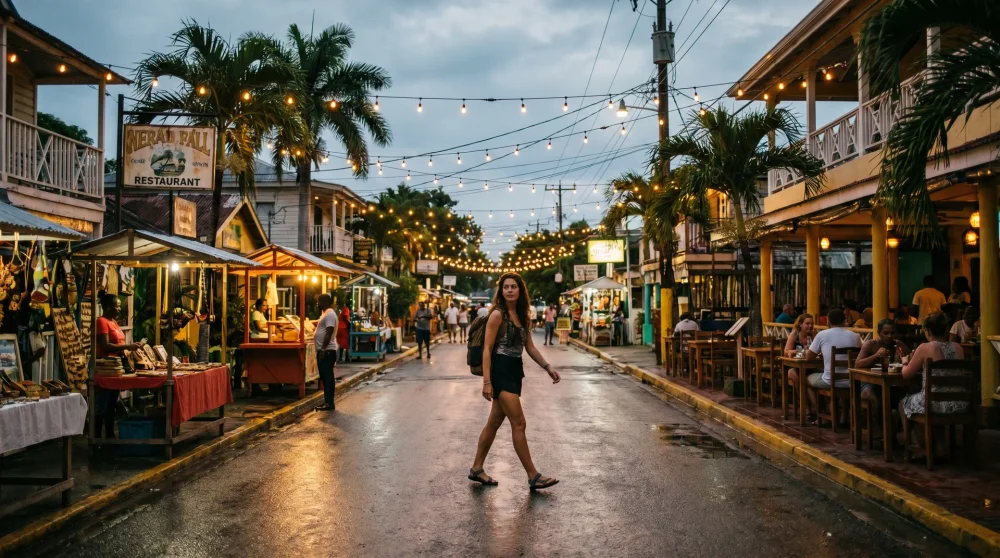
This is not a destination to write off entirely. The north coast tourist corridor - stretching from Negril through Montego Bay to Ocho Rios and Port Antonio - is heavily developed for tourism and benefits from a visible security presence. Millions of tourists visit Jamaica every year without incident.
The cultural rewards are significant. From hiking the Blue Mountains with its coffee farms and cloud forests to the vibrant food scene and world-class reggae heritage, the island offers experiences unavailable anywhere else in the Caribbean. The key is staying within well-trafficked tourist areas, using vetted transportation, and applying consistent situational awareness.