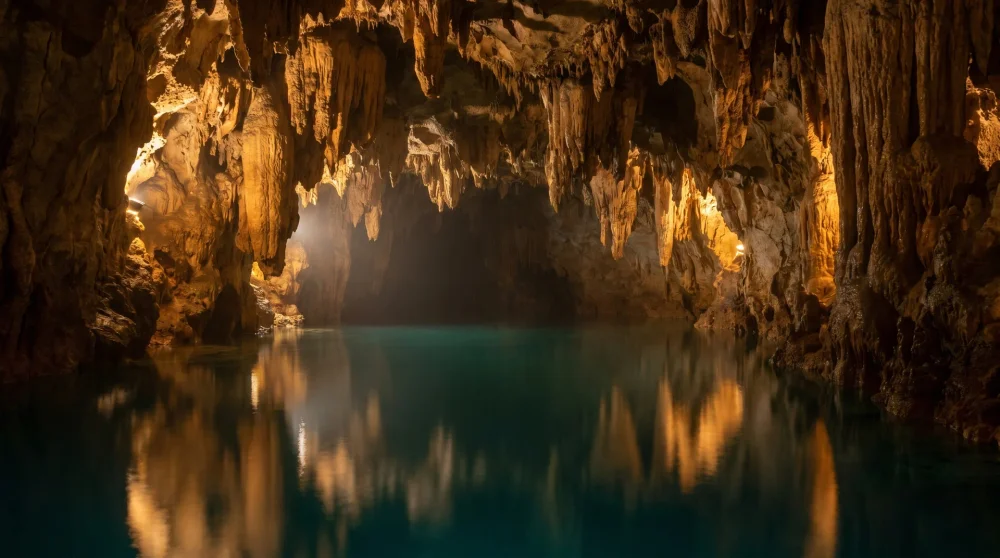
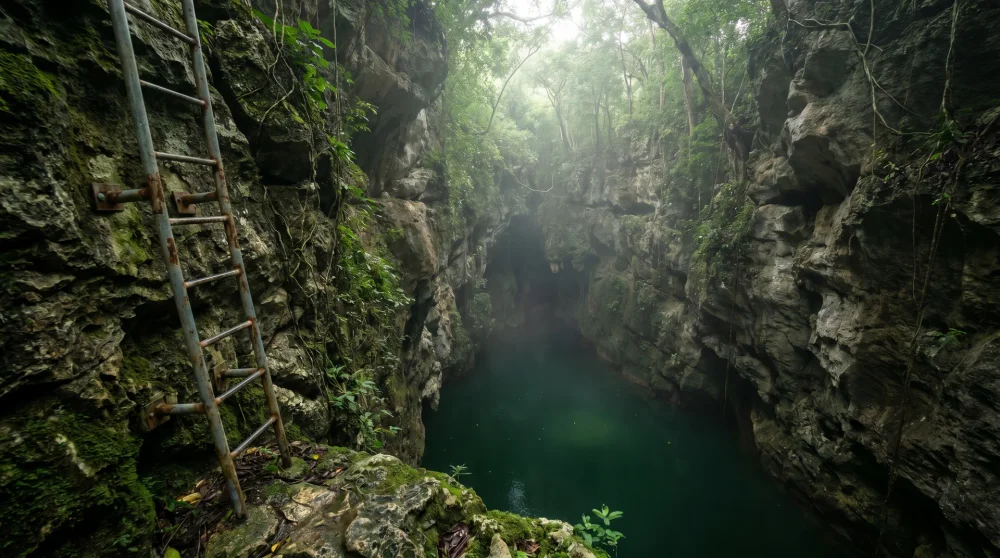
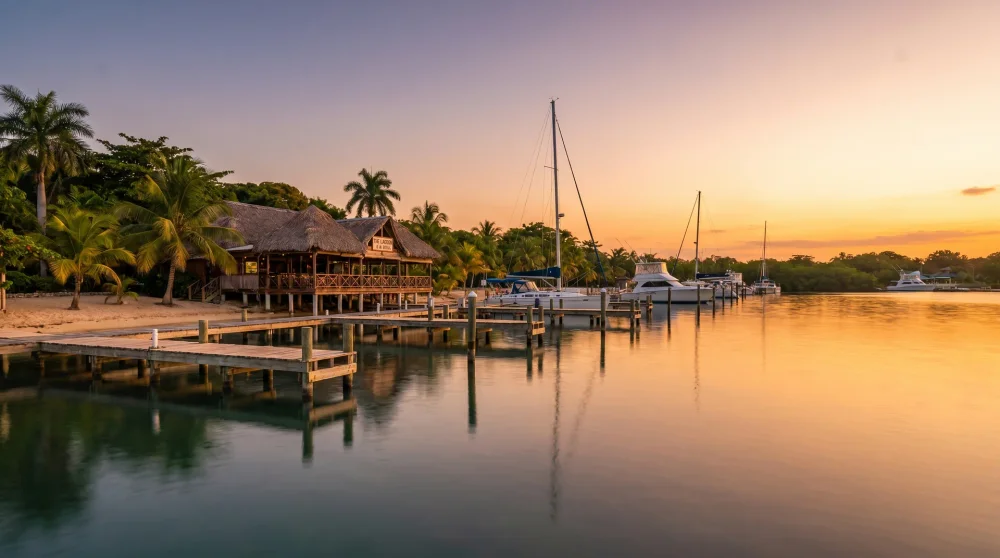
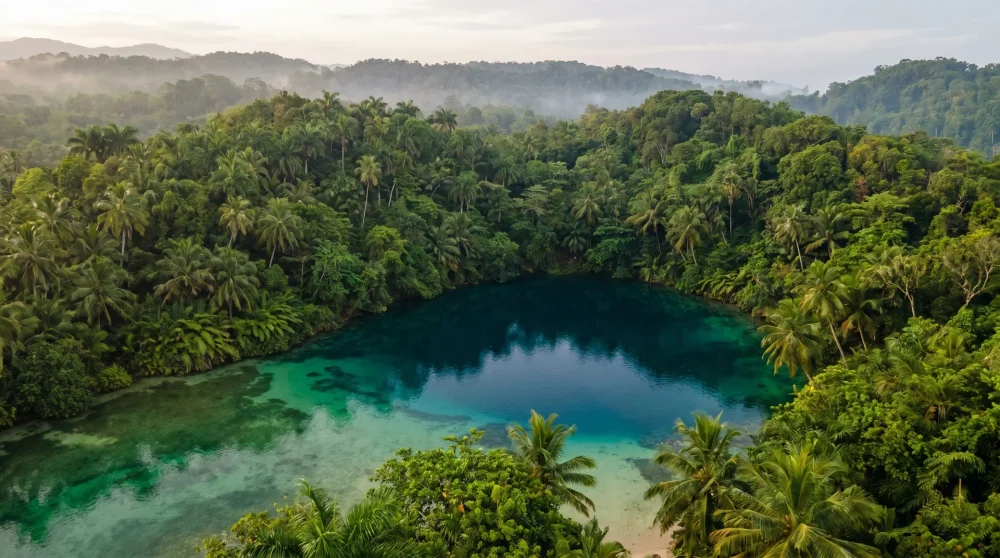
Port Antonio's Blue Lagoon is one of those places that lives up to the hype - at least visually. The water shifts from emerald to deep sapphire depending on the angle and time of day, fed by underwater springs that create a genuinely strange swimming experience: warm on the surface, shockingly cold below. Getting there, however, requires more planning than most travel guides admit.
The road access situation has changed significantly in recent years, and visitors who show up expecting a simple drive-and-swim will find a locked gate instead. This guide covers the honest logistics, current access routes, and what the experience is actually like once you're in the water.
Is the Blue Lagoon Currently Open?
The lagoon itself is a declared National Monument and is open to the public. The problem is reaching it. The traditional land route - Blue Hole Road - is entirely blocked by private property barricades. Landowners and leaseholders shut down this access point, removing the local vendor community in the process.
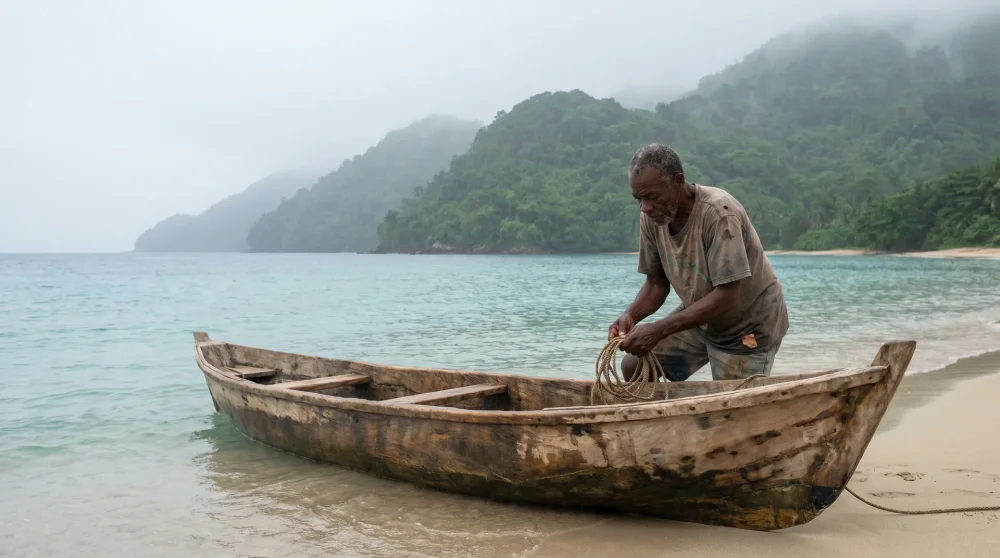
If you're working from an older travel guide or a Google Maps route, you will be turned away at a locked gate. The site is not closed - the land route to it is.
The only viable access method is by water. You hire a local boat captain or bamboo raft operator from a nearby public beach, and they float you directly into the lagoon, bypassing all the private property entirely.
How to Get to Blue Lagoon from Port Antonio
The lagoon sits roughly 6 miles east of Port Antonio town center, near the community of Fairy Hill. The drive takes you along lush, winding coastal roads through Portland Parish.
From Port Antonio, your options:
- Route taxi - Most efficient local transport. Tell the driver explicitly that you need to reach a departure beach for a boat transfer, not the main gate.
- Private taxi or rental car - More flexibility, same destination issue: you need a boat launch point, not the former road access.
- Organized tour from Montego Bay or Kingston - These tours handle all logistics and include the boat transfer in the price.
Departure points for boat access are typically San San Beach or Winnifred Beach, both within a short distance of the lagoon. Negotiate your water transport before you arrive to avoid confusion or inflated prices on the spot.
For broader context on navigating Jamaica independently, the getting around Jamaica guide covers taxis, route taxis, and rental car realities in detail.
What the Water Is Actually Like
The lagoon is approximately 52 meters (170 feet) deep, making it a substantial sinkhole rather than a shallow cove. This depth has decreased from the roughly 65 meters recorded in the 1980s - natural land slippage, fallen trees, and accumulated silt from heavy Portland rains have gradually reduced it. The "bottomless" reputation is folklore, but 52 meters is still a serious depth.
The thermal layering is the defining experience. The surface absorbs Caribbean sun and stays warm. Below roughly 30 meters, powerful freshwater springs pump cold mountain groundwater upward continuously. As you swim, your chest might be in warm water while your legs drift through cold currents.
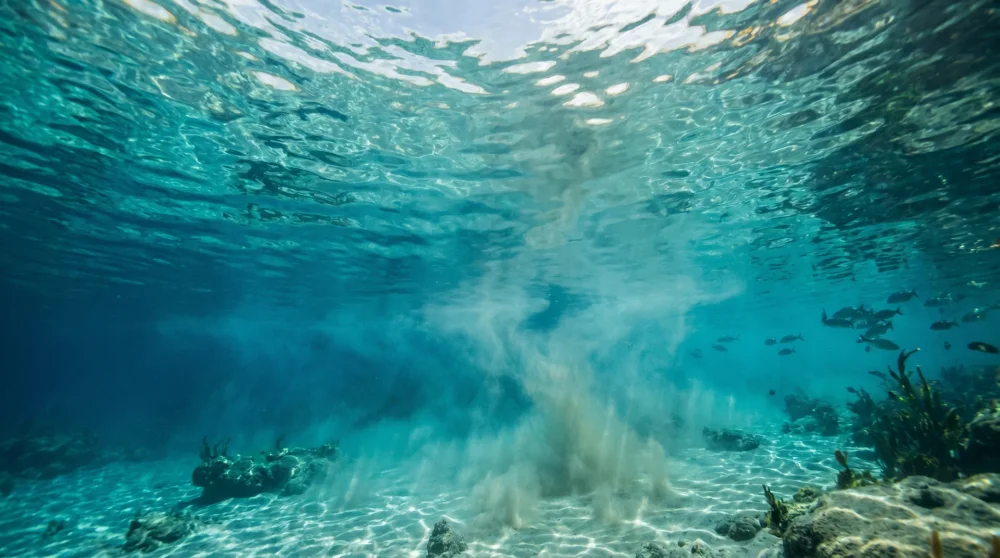
After heavy rainfall in the Portland hills, this groundwater surges upward so forcefully that sand-colored upwellings appear to bubble from the deep - a genuinely unsettling visual that reinforces all the local legends.
The water color changes throughout the day. Morning light produces the most vivid turquoise and emerald. By midday, the angle shifts and the deeper blue tones dominate. Photographers who want the classic shots should be in the water before 10 AM.
What to Expect When Swimming
The center of the lagoon has no shallow standing areas. The limestone walls drop almost immediately to serious depth. This means:
- Life vests are mandatory for non-swimmers and strongly recommended for everyone. Most boat operators provide them; if yours doesn't offer one, the on-site fee is approximately JMD 1,000 per person.
- Barracudas and stingrays patrol the shallower rocky edges. They are not aggressive toward swimmers, but they are present. Don't corner them.
- The outer limestone edges are sharp and uneven. Water shoes are practical for entry and exit points.
- Reef-safe sunscreen only. The enclosed ecosystem traps chemicals easily. Standard sunscreens damage the fragile marine life near the surface.
The surrounding jungle canopy is dense enough that the lagoon feels isolated even when other visitors are present. The overall atmosphere is raw - not a manicured resort attraction, but an actual natural formation.
Boat Tour Costs
Boat or bamboo raft tours run approximately US$25-30 per person, or the JMD equivalent. Prices vary between operators, and negotiating beforehand - especially if you're in a group - can bring the per-person cost down.
Basic entry to the lagoon area itself carries no formal entrance fee, though small donations are customary and expected. Life vest rental adds roughly JMD 1,000 (~US$6) per person if not included in your tour.
Organized tours from Port Antonio or further afield bundle the boat transfer, guide, and sometimes snorkeling gear into a single package. These typically run higher - US$40-60 per person depending on inclusions and departure point - but they remove the logistical friction of arranging independent water transport.
Practical Tips
Go early. There is reportedly a 45-person maximum at the lagoon at any one time, and afternoon rainstorms are frequent in Portland Parish. Morning light is also significantly better for photography. Aim to be on the water before 9:00 AM.
Pack your own water and snacks. Since the closure of the main land access area, formal facilities - changing rooms, public restrooms, and food vendors - are no longer available at or near the lagoon. Change into your swimwear at your accommodation or at the departure beach.
Portland Parish is rainier than the rest of Jamaica. The Blue Mountains behind Port Antonio are among the wettest areas in the Caribbean. A brief afternoon shower can arrive quickly. This is not a reason to avoid the area - it's why everything is so green - but plan around it.
Book a reputable operator. Since formal infrastructure around the site has been dismantled, you're relying on your boat captain's knowledge and professionalism. Ask at your accommodation for recommendations or check recent reviews on TripAdvisor before committing.
Making the Trip Count: Blue Lagoon in Context
Port Antonio is not a quick side trip from the major tourist hubs. From Montego Bay, the drive is roughly 3.5-4 hours along coastal and mountain roads. From Kingston, it's about 2 hours via the winding A4 coastal road.
The Blue Lagoon alone may not justify that travel time as a standalone day trip. But Port Antonio as a whole is a different proposition - it is the least developed, most scenically dramatic stretch of the Jamaican coast, with Reach Falls, Frenchman's Cove, the Rio Grande rafting, and the general absence of mass-market resort tourism that dominates the north coast.
If you're deciding where to base yourself during a Jamaica visit, the where to stay in Jamaica guide covers Port Antonio against Montego Bay, Negril, and Ocho Rios honestly.
For visitors already in the Port Antonio area, the Blue Lagoon is an easy half-day and genuinely impressive. For visitors based in Montego Bay treating it as a day excursion, factor in whether the 7-8 hours of driving is worth a 2-hour swim stop - even a spectacular one.
The Film Connection
The lagoon is most famous internationally as the filming location for the 1980 Brooke Shields film The Blue Lagoon, which turned the site into a globally recognized name. The 1988 Tom Cruise film Cocktail was partially filmed at nearby Cocktail Beach, accessible on the same boat tours that visit the lagoon. Some operators include this stop in the standard tour route.
The Hollywood connection is incidental to the actual experience - the water doesn't care about its film credits - but it explains why the name has stuck in global travel conversations for four decades.