Angam Day is one of the most emotionally charged national holidays in the Pacific. Celebrated every October 26, it marks the moment Nauru's native population crossed a critical survival threshold - and proved that a tiny island could pull itself back from the edge of extinction. If you want to understand Nauru's spirit, this is the place to start.
What Does "Angam" Actually Mean?
In the Nauruan language, angam carries multiple meanings: "homecoming," "jubilation," "returning to a set goal," and "having triumphed over all hardships." It is not a generic word for celebration. It describes a specific emotional state - the relief of reaching something vital after a long and dangerous journey.
The name was not chosen casually. When local chiefs and administrators needed a word to describe what it meant for the island to survive, this was the one. It encapsulates both the grief of what was nearly lost and the joy of what was saved.
The Survival Threshold: Why 1,500 Was the Magic Number
Before foreign ships arrived, Nauru existed in near-total isolation. The island's population developed no immunity to outside diseases. When contact with the outside world intensified - particularly during the colonial era and German administration - the consequences were devastating.
Diseases like influenza and infantile paralysis tore through the community with no resistance. Decade by decade, the population declined sharply. The situation became so serious that administrators and island chiefs convened to establish a hard line: 1,500 native Nauruans was the minimum number needed for the ethnic group to sustain itself long-term.
This was not a symbolic figure. It was calculated with genuine urgency. Falling below it meant the culture, the language, and the identity of Nauru faced potential extinction.
The First Angam Day: October 26, 1932
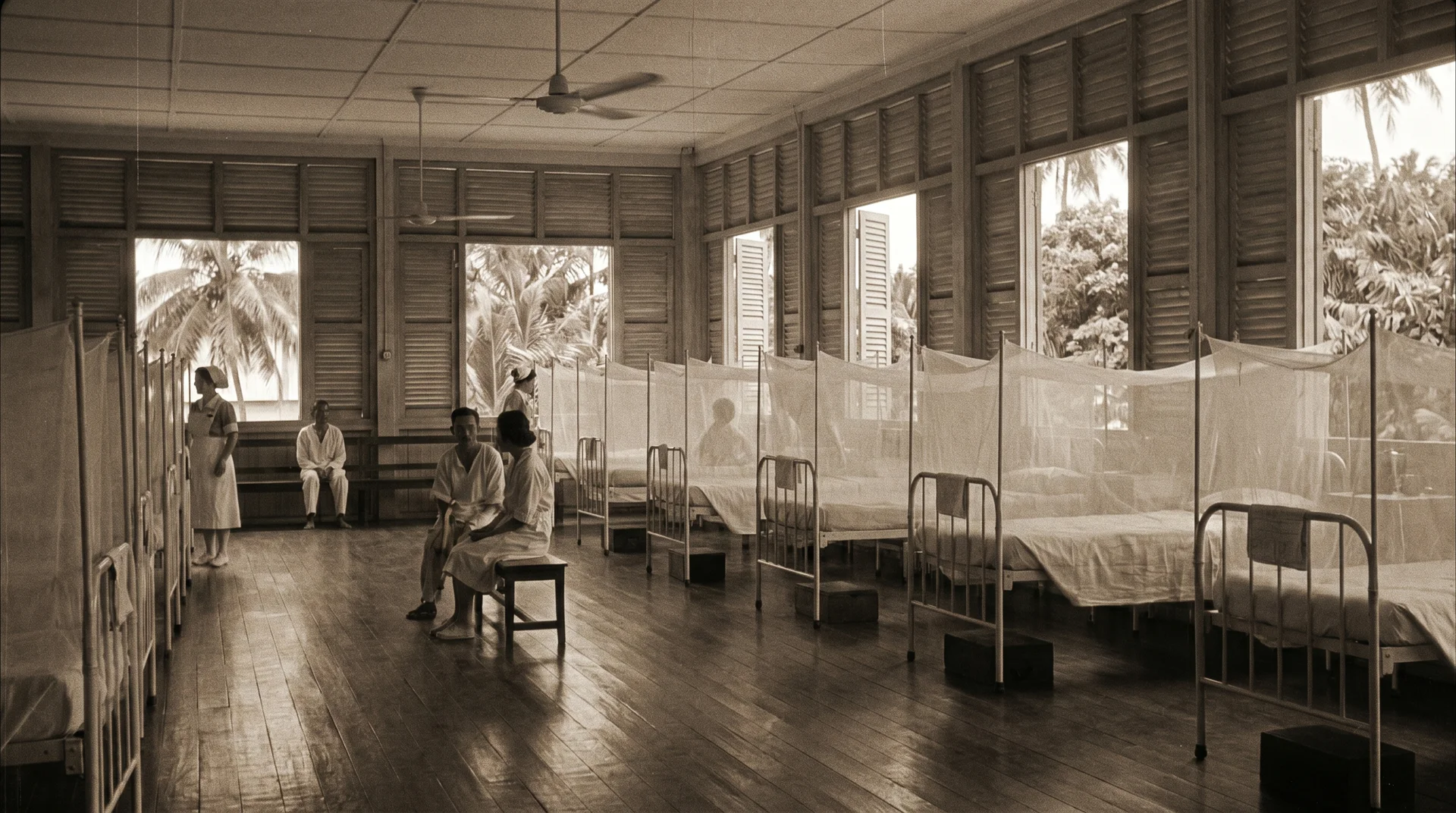
The hospital ward was tense. Several mothers were in labor simultaneously - each one potentially carrying the 1,500th Nauruan. The atmosphere mixed anxiety with hope that had been building for years.
The Birth of Eidagaruwo
When Dorcas Demuro gave birth to a baby girl, the count reached exactly 1,500. The Administrator and island chiefs named the child Eidagaruwo - a name that itself expresses the feeling of "reaching home" or "attaining a goal." Her birth on October 26, 1932 became the anchor date for the holiday that still carries her legacy today.
The news spread across the island immediately. Relief, tears, and celebration broke out in every district.
Copper Wires and Blue Flames
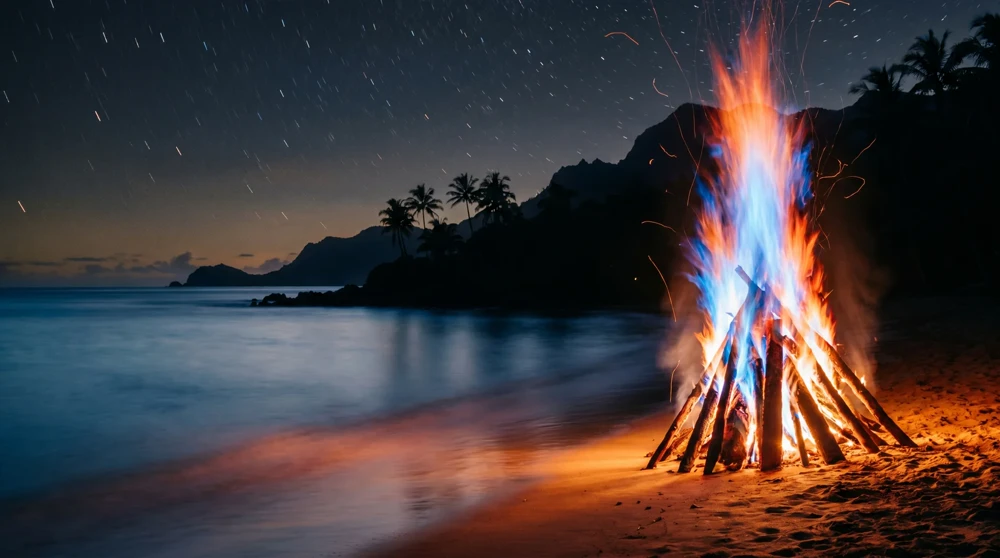
That night, giant bonfires were lit along beaches in every district. Chiefs walked the shores to judge which district had the biggest fire. The competition was fierce - and creative.
The Aiwo District won by throwing copper wire into their bonfire. The copper produced massive, striking blue flames against the dark Pacific sky. It became one of the most memorable images from that first Angam celebration, and is still part of how the event is remembered today.
Traditional sports like wrestling and ekaraduga (a native game) were also organized throughout the day, alongside feasting and community gatherings across the island.
World War II and the Second Angam: 1949
Just as the population continued to grow after 1932, a global conflict erased much of that progress. Japanese forces occupied Nauru during World War II, and the consequences were catastrophic.
Deportation to Truk Lagoon
In 1943, 1,201 Nauruans were deported to Truk Lagoon (now Chuuk Lagoon, Micronesia) as forced laborers. Of those deported, only 737 returned after the war ended. Of approximately 600 who remained on Nauru during the occupation, around 400 survived. The population crashed far below the 1,500 threshold once again.
Sadly, Eidagaruwo herself - the original Angam baby - did not survive. She died at Truk of malnutrition and yaws, the same fate as many of her fellow Nauruans in exile.
Bethel Enproe Adam: The Second Angam Baby
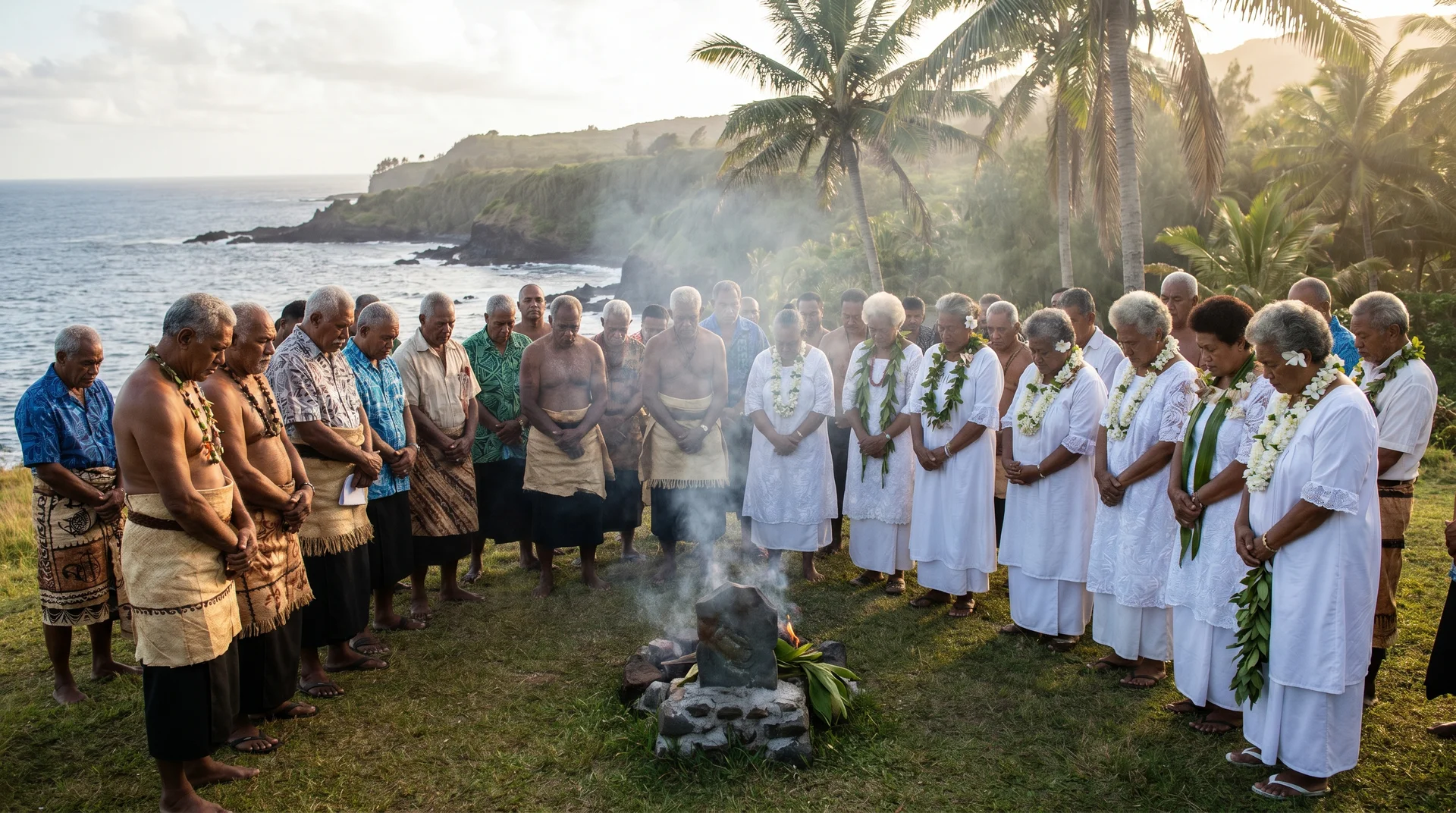
After the survivors returned home, the community began rebuilding with extraordinary determination. On March 31, 1949, a second baby - Bethel Enproe Adam - was born as the population crossed 1,500 once more. Even though the date differed from the original, October 26 was retained as the official Angam Day date to honor the first milestone. The second Angam confirmed what the community already believed: their resilience was not a one-time event.
For deeper background on how foreign powers shaped Nauru's trajectory, the Nauru phosphate history article connects the economic and demographic pressures the island faced across the same era.
How Do Nauruans Celebrate Angam Day Today?
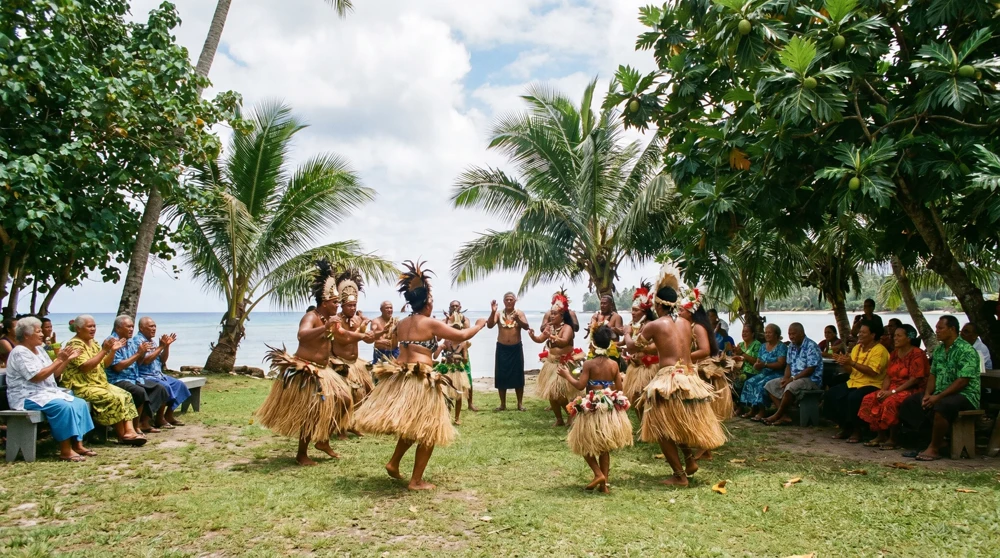
Angam Day is a public holiday observed across the island every October 26. The tone is both celebratory and reflective - communities gather to honor survival, not just success.
Typical modern celebrations include:
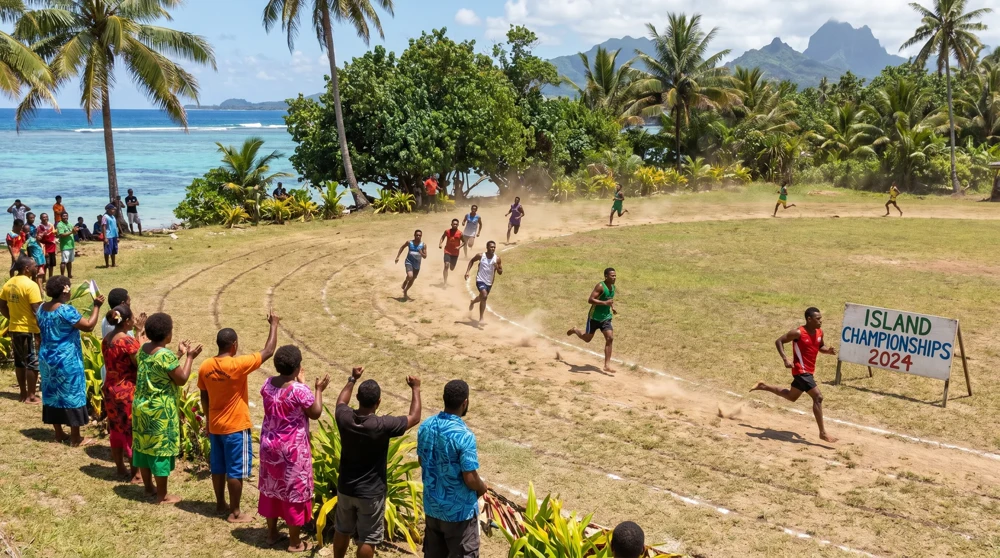
- Track and field competitions organized by the government
- Choral performances and traditional music
- Community feasts within families and neighborhoods
- A ceremony in which survivors of WWII (or their descendants) don replicas of the dresses worn by female returnees from Truk when they arrived back on Nauru after two years in exile
- Storytelling and cultural programs focused on the island's history
The occasion is quieter than many national holidays elsewhere - but the weight of what it commemorates gives it a depth that visitors often find striking.
Visiting Nauru During Angam Day
If you are planning to visit Nauru around late October, arriving on or near October 26 gives you a rare window into a genuinely local event. There are no large tourist crowds. The celebrations are community-centered, and visitors who engage respectfully are generally welcomed.
Before planning the trip, it is worth reviewing the Nauru visa requirements - the letter of invitation process can take time and must be arranged well in advance. Flight availability is also limited, so check the how to get to Nauru guide early. For a fuller picture of what the island offers beyond this holiday, visiting Nauru covers the practical essentials in one place.
A Holiday Unlike Any Other in the Pacific
Angam Day does not have fireworks or parades designed for cameras. What it has is something rarer: a community that came within reach of disappearing twice, and chose to mark its survival with bonfires, traditional sport, and the name of a baby girl born on an October morning in 1932.
For any traveler trying to understand what Nauru actually is - beyond its geography or its controversial recent history - Angam Day is the clearest answer the island gives.