Landing in Majuro with only English can feel like a gamble when you need to navigate local spots beyond the main airport or corporate offices. Most travelers assume this compact Pacific capital is completely bilingual, yet a sudden lack of basic Marshallese quickly isolates you from the authentic island rhythm.
- Official Languages: Marshallese (Kajin M̧ajeļ), English
- English Fluency: High in urban centers, very limited on outer atolls
- Main Dialects: Rālik (Western Chain), Ratak (Eastern Chain)
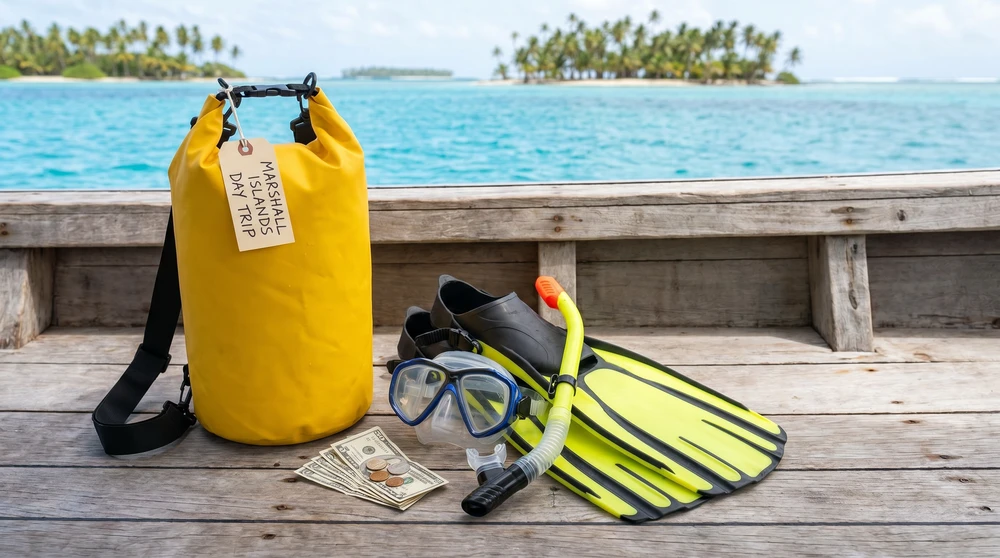
- Local Currency: US Dollar (USD)
- Core Cultural Value: Aelon Kein Ad (Our Islands)
Do They Speak English in the Marshall Islands?
English serves as an official language across the nation, but its daily usage varies dramatically depending on your exact geographic coordinates. You can easily order food, check into hotels, and conduct government business in the primary urban hubs using just English.
English in Majuro and Ebeye
Government ministries, banks, and large supermarkets in Majuro and Ebeye rely heavily on English proficiency. Local professionals and younger generations converse smoothly, making your initial arrival completely stress-free. However, casual street conversations, traditional markets, and smaller family-owned shops usually default to Marshallese.

Communication in the Outer Atolls
Stepping onto the outer atolls changes the linguistic landscape entirely. Far fewer residents speak English fluently on these remote coral islands, making a basic grasp of the local tongue absolutely vital. Relying solely on English here restricts your interactions to basic hand gestures and severely limits your cultural immersion.
Introduction to the Marshallese Language
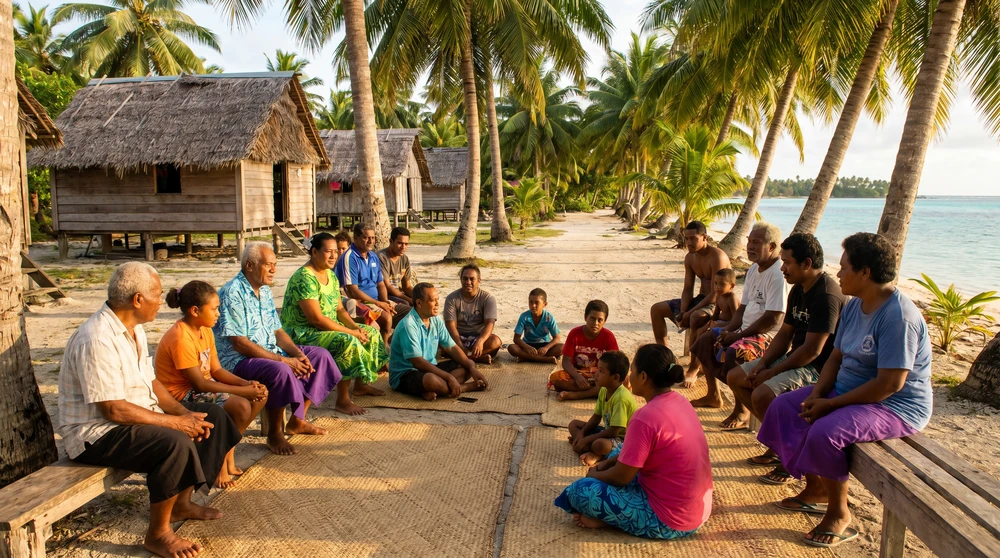
Marshallese belongs to the Micronesian branch of the Austronesian language family, carrying a rhythmic, ocean-bound cadence. The language splits cleanly into two primary dialects matching the twin island chains: Rālik in the west and Ratak in the east. While Majuro blends both dialects due to decades of internal migration, recognizing small regional shifts shows immense respect to the people you meet.
Essential Marshallese Phrases for Travelers
Memorizing a few foundational words instantly transforms your status from an isolated tourist to a welcome guest. The local community deeply values any genuine effort to speak their language, regardless of your accent.
Basic Greetings and Etiquette
- Iọkwe - Hello / Goodbye / Love
- Iọkwe eok - Hello to you (singular)
- Iọkwe aolep - Hello everyone
- Bar lo eok - See you later
- Eṃṃan mour? - How is life? / How are you?
- Eṃṃan - I am fine
Iọkwe is the most important word you will learn. It carries deep spiritual weight, literally translating to "you are love," and should be used generously as both a greeting and a parting blessing.
Shopping and Dining Expressions
- Koṃṃool - Thank you
- Koṃṃooltata - Thank you very much
- Kōn jouj - You are welcome
- Aet - Yes
- Jaab - No
- Koṃṃool ak ij jab - No thank you
When turning down an offer from a local vendor, always use the full Koṃṃool ak ij jab expression. A simple "no" can sound unintentionally harsh in traditional Marshallese culture, so cushioning it with gratitude keeps the interaction warm.
Politeness and Respect
- Joḷọk bōd - I am sorry / Excuse me
- Jab inepata - Do not worry about it
- Ejjeḷọk jorrāān - No problem
These small courtesies carry real weight in the islands, where conservative customs shape daily interactions. Our Marshall Islands cultural etiquette guide covers the dress and behavior norms that pair naturally with these phrases.
Pronunciation Tips to Sound Natural
Marshallese orthography uses specific diacritics that alter vowel depth and consonant softness significantly. For instance, the small dot or macron under letters like m̧ or ọ indicates a rounded sound produced deeper in the throat. Focus on keeping your vowels short and crisp, and always practice aloud with a local resident to master the delicate glottal shifts.