Booking a Pacific cruise without verifying the onboard language ratio or landing logistics can turn a dream expedition into a frustrating series of missed shore excursions. Hapag-Lloyd expeditions operate high-tech, small-capacity vessels that require specific planning to navigate the remote waters of Micronesia smoothly.
- Ships in Region: HANSEATIC nature, HANSEATIC inspiration, HANSEATIC spirit
- Passenger Capacity: Maximum 230 guests
- Onboard Language: Bilingual English and German guaranteed on HANSEATIC inspiration
- Primary Port Call: Majuro Atoll
- Key Activities: Zodiac landings, WWII shipwreck diving, Alele Museum cultural visits
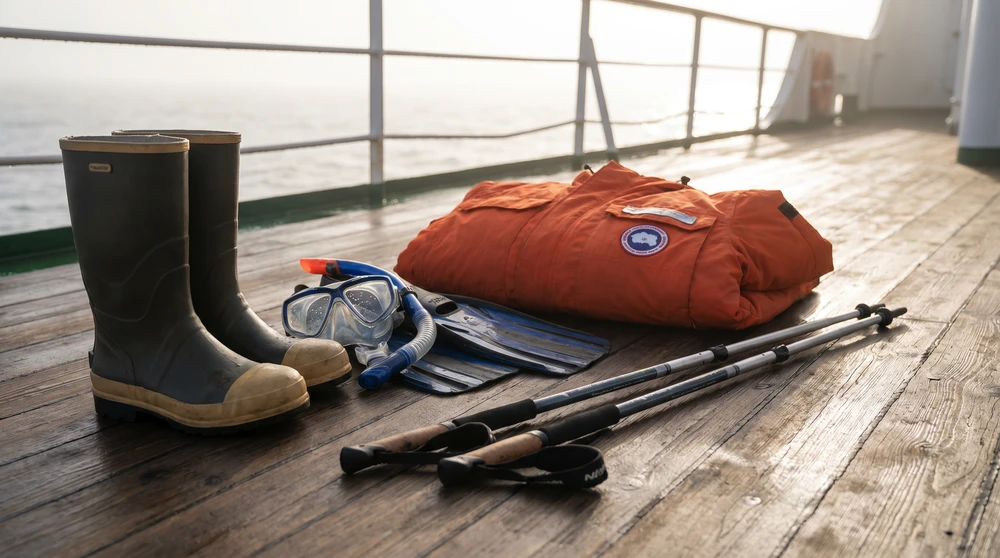
- Expedition Gear Provided: Zodiac shore excursions, parkas, rubber boots, snorkeling gear, Nordic walking poles
Why Choose an Expedition Cruise to Micronesia?
The remote nature of the Marshall Islands makes traditional independent travel remarkably complex due to limited commercial flights and inter-island transport. An expedition cruise solves this logistical puzzle by serving as a mobile luxury base that handles all clearances, island hops, and deep-ocean transits automatically. You gain seamless access to untouched coral systems and historically significant atolls that remain completely out of reach for standard cruise liners.

Hapag-Lloyd's Hanseatic Class: What to Expect
Navigating shallow lagoons and remote Pacific waters demands specialized vessels with high ice-classification hulls and shallow drafts. The Hanseatic class delivers exactly this technical precision without sacrificing the comforts of a five-star premium voyage.
Zodiac Landings and Exploration Gear
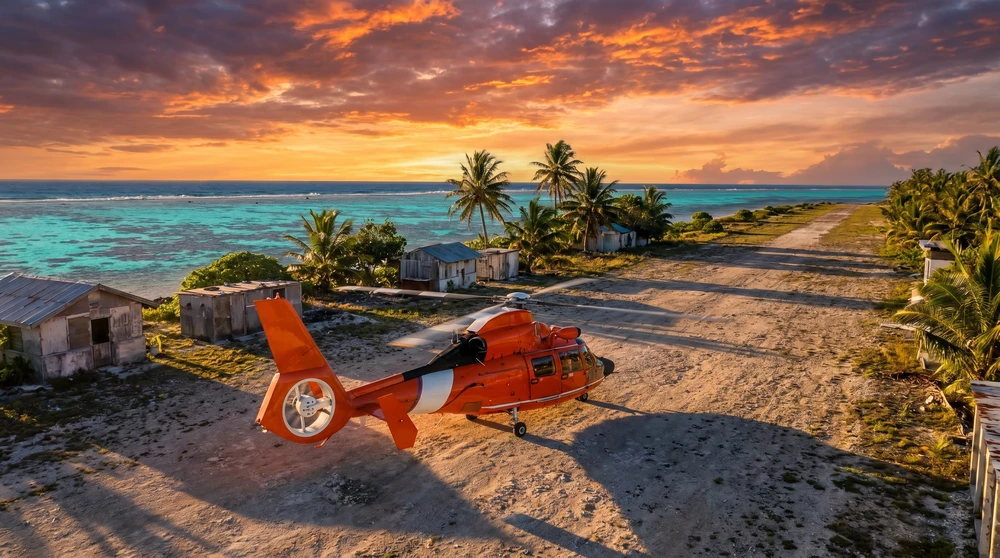
True exploration in Micronesia happens where concrete piers do not exist. The fleet carries 14 heavy-duty Zodiac inflatable boats, ensuring that every single passenger can head out on an excursion simultaneously without waiting in tedious rotations.
Shore landings often require wading through shallow water, making the complimentary high-quality rubber boots and dry gear essential. Snorkeling equipment and Nordic walking poles are tailored to your size upon arrival, eliminating the need to pack heavy, specialized gear.
Cabins, Dining, and Bilingual Sailings
Selecting the right ship determines your entire experience, especially regarding language barriers on a premier German cruise line. While the fleet draws a primarily German-speaking demographic, HANSEATIC inspiration features fully guaranteed bilingual voyages where all lectures, daily programs, announcements, and menus are presented in flawless English.
All outside cabins feature private balconies or French balconies, individual binoculars for wildlife viewing, and heated bathrooms designed to dry your expedition gear rapidly. Dining includes open seating for breakfast and lunch, transitioning to a structured, single-seating dinner menu featuring international specialties.
Majuro Port Stop: Top Things to Do in the Capital
As the political and economic heart of the Marshall Islands, Majuro Atoll serves as the ultimate introduction to the region's juxtaposition of modern Pacific life and ancient seafaring traditions, and a single day ashore covers most of the things to do in Majuro.
Snorkeling the WWII Shipwrecks and Coral Reefs
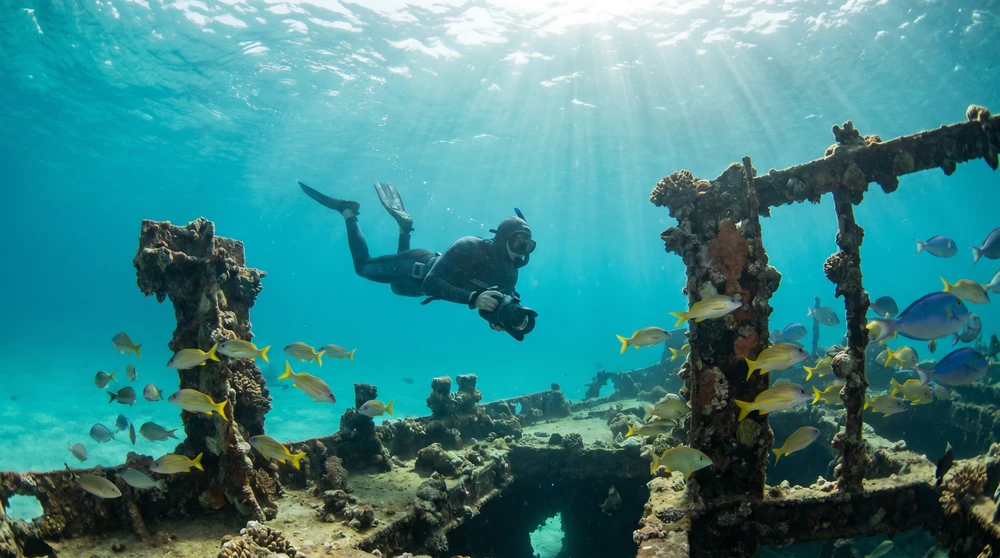
The lagoon holds some of the best-preserved maritime history in the North Pacific, safely hidden beneath turquoise waters. Don your snorkeling gear right off the tender to explore coral-encrusted World War II shipwrecks teeming with jewel-hued tropical fish. The pristine visibility makes it easy to spot historical aircraft remnants and vibrant marine life just minutes from the shoreline.
Marshallese Culture at the Alele Museum
A short transit from the pier brings you to the Alele Museum, a compact yet crucial depository of the nation's vanishing indigenous heritage. The exhibits display traditional stick charts used by ancient navigators to read wave swells, alongside intricate shell ornaments and historical photographs. A visit here provides the necessary context to understand how these isolated communities survived across vast ocean expanses for millennia.
Best Time to Visit the Marshall Islands
Weather patterns in the Central Pacific dictate the comfort of your expedition, particularly during open-ocean Zodiac transits. The best time to visit is the dry season, which spans from December to April, offering calmer seas, lower humidity, and optimal underwater visibility for diving and snorkeling. Heavy tropical downpours and higher swell frequencies become more common between May and November, which can occasionally alter planned shore landings.
Practical Tips for Your Pacific Expedition
Maximizing your time in port requires a clear understanding of local customs and infrastructure constraints. The northern entrances of the main atoll areas often experience heavy local traffic during midday hours, so utilizing the southern access points or organizing early morning disembarkations saves significant time.
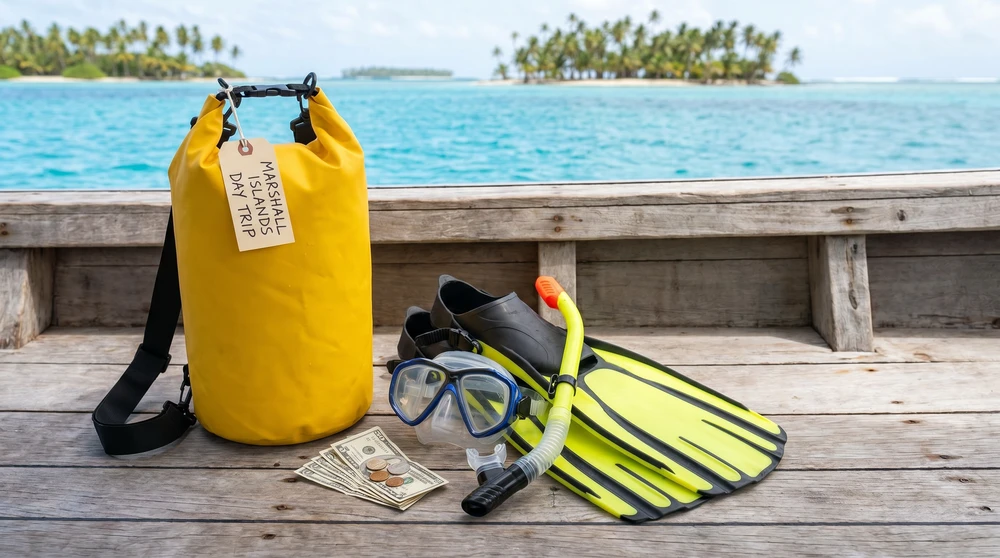
Local currencies rely entirely on the US Dollar, and credit card terminals are virtually nonexistent outside major administrative buildings. Keep small denominations on hand for local handicrafts and small purchases. Respect conservative local dress codes when visiting villages outside the resort areas by keeping shoulders and knees covered during your cultural walks.