Kingston does not follow the same rules as Jamaica's beach resorts. The capital runs on a different rhythm - dense, proud, and layered with history that most visitors never reach because they fly straight to Montego Bay. Understanding how the city is structured, which neighborhoods to base yourself in, and how to move around safely unlocks a side of Jamaica that no all-inclusive package can replicate.
Top Things to Do in Kingston
Bob Marley Museum and Tuff Gong Studio
The museum sits inside Marley's former 19th-century home on Hope Road in the New Kingston area. The wooden architecture keeps the interior naturally cool, while the walls remain covered in platinum records, personal artifacts, and newspaper clippings documenting his rise.
You can still see the bullet holes from the failed 1976 assassination attempt, left deliberately untouched on the property as a permanent reminder. Admission costs USD $25 for adults and USD $12 (ages 4-12) for children ages 4 to 12, with tours running every hour Monday through Saturday from 10:00 AM. Book your tickets online beforehand to skip the long queues at the main gate.
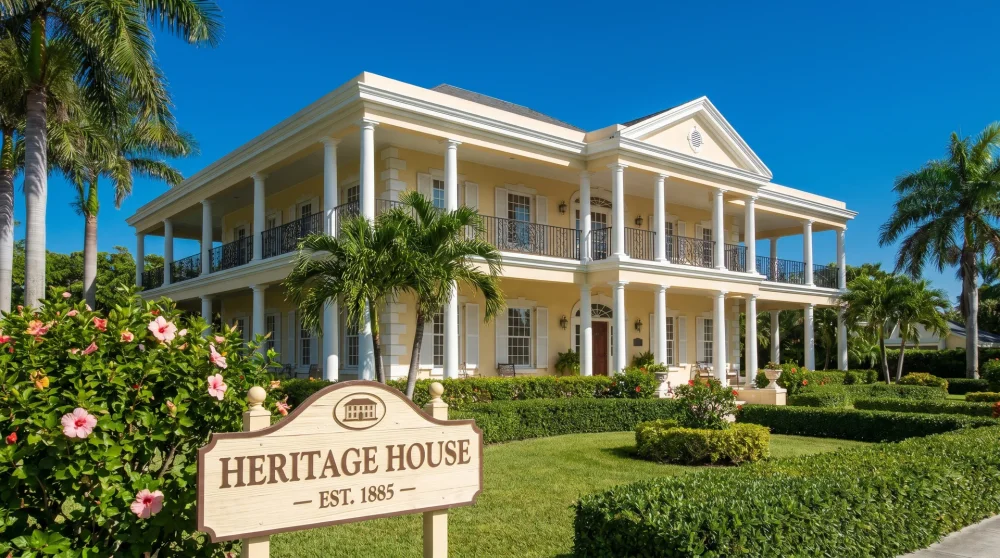
Devon House Heritage Site
George Stiebel, Jamaica's first Black millionaire, built this Georgian-style mansion in 1881. The manicured lawns and classical architecture provide a quiet break from the surrounding city traffic.
The real draw here is the Devon House I-Scream shop located in the brick courtyard - National Geographic ranked it among the top four best ice cream destinations in the world. Grab a scoop of Stout or Rum and Raisin and sit under the large shade trees. The grounds are free to explore; the mansion interior tour carries a separate fee.
National Gallery of Jamaica
Located on the downtown waterfront, this facility stands as the oldest public art museum in the English-speaking Caribbean. The galleries feature works from early, modern, and contemporary Jamaican artists, including the renowned sculptor Edna Manley.
Admission is JMD $400 for adults and JMD $200 for seniors - students and children with valid ID enter free. The air-conditioned halls offer a great midday escape when the coastal heat peaks.
Port Royal and the Sunken City
Once one of the wealthiest - and most notorious - pirate havens in the Caribbean, a catastrophic 1692 earthquake submerged most of Port Royal directly into the sea within two minutes. Today it functions as a quiet fishing village at the end of the Palisadoes peninsula.
Walk through the brick remains of Fort Charles and step inside the tilted Giddy House, a former ammunition store whose foundation shifted during a later earthquake. Taking a registered route taxi from the downtown terminal gets you there for a fraction of a private driver's price.
Emancipation Park
This open green space in the heart of New Kingston is anchored by a striking bronze sculpture depicting two freed enslaved people. The park is well maintained, open 24 hours, and surrounded by major hotels and restaurants. It serves as a reliable landmark for orienting yourself in the commercial district and is one of the few places in the city where a relaxed evening stroll feels entirely comfortable.
Day Trips from Kingston
Blue Mountains National Park
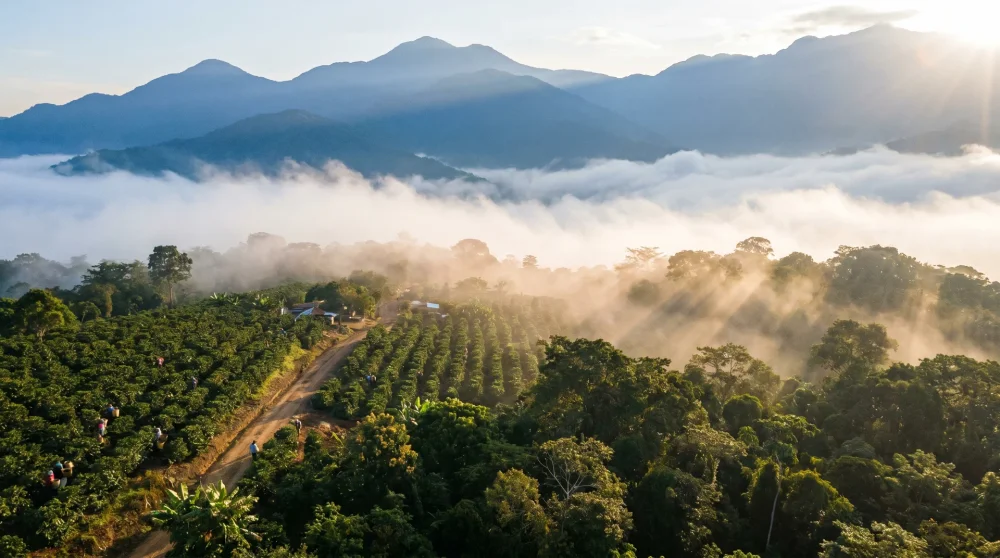
The misty peaks of the Blue Mountains rise sharply just beyond the city limits. The temperature drops noticeably as you climb, navigating steep winding roads up to Holywell National Park at around 1,200 meters elevation.
You can join a guided tour at local coffee estates to walk through working plantations and taste authentic Blue Mountain Coffee - consistently ranked among the most expensive and sought-after beans in the world. Start your hike before 6:00 AM to beat the afternoon cloud cover and secure clear views down to Kingston Harbour below. A private charter taxi from the city takes roughly one hour each way.
Hellshire Beach
For a raw, local beach experience near the capital, Hellshire Beach on the southwestern coast delivers exactly that. The shoreline is lined with wooden cookshops where vendors fry fresh fish to order. It draws a predominantly Jamaican crowd on weekends, which is precisely what makes it interesting. Route taxis from Half Way Tree can get you there for under USD $2.
How to Get Around Kingston
Red Plate Taxis vs. Private Charters
The most critical rule for navigating Kingston streets is identifying legal public transport. Only board vehicles displaying red license plates with white lettering - these are official, insured route taxis operating on fixed paths that pick up multiple passengers.
Private charter taxis offer point-to-point service for your group alone, but always agree on the total fare before closing the door. Never hail an unmarked private car on the street under any circumstances.
JUTC Public Buses
The large yellow or white JUTC buses run across the metropolitan area and are air-conditioned. You need a rechargeable Smarter Card to tap in, as the system operates entirely cashless for passengers.
The Half Way Tree Transport Centre serves as the main interchange hub to catch different routes across the city. While highly cost-effective at roughly JMD $100 per journey, these buses get extremely crowded during early morning and late afternoon rush hours.
Getting from Kingston Airport to the City
Norman Manley International Airport sits on the Palisadoes peninsula, approximately 17 km from New Kingston. Licensed airport taxis are available outside the arrivals hall and charge a flat rate - expect to pay around USD $25-35 for the ride into New Kingston.
Confirm the fare with the dispatcher before getting in. Book your Kingston airport transfer in advance to lock in the rate and avoid negotiating at the curb after a long flight.
Kingston Food Scene: What and Where to Eat
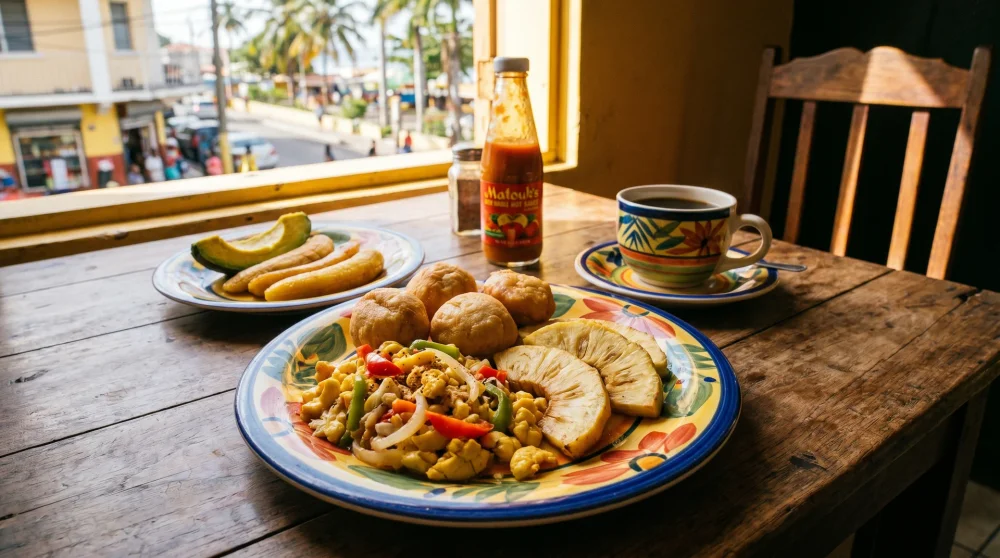
Street food culture dominates the local culinary landscape. Smoke from pan chicken vendors fills the air on almost every busy corner as dusk approaches - a whole quarter chicken with festival (fried dough) costs roughly JMD $500-700 from a street grill. For a traditional breakfast, find a local diner serving Ackee and Saltfish paired with fried dumplings or roasted breadfruit.
For fresh seafood, head to Gloria's Seafood City on the Victoria Pier downtown. Their steamed snapper and spicy curried shrimp consistently draw a large local crowd. For a modern twist on Jamaican flavors accompanied by a cold Red Stripe, the restaurants clustered along the Knutsford Boulevard strip in New Kingston deliver excellent options in a comfortable setting.
Is Kingston Safe for Tourists?
Street safety in Kingston requires active situational awareness, especially outside the main commercial zones. New Kingston and the Half Way Tree area maintain a strong security presence and are generally safe for daytime walking. Avoid wandering into unfamiliar downtown neighborhoods - particularly Trench Town, Tivoli Gardens, and Arnett Gardens - without a trusted local guide.
Keep valuables out of sight and use a secure cross-body bag when visiting busy areas like Coronation Market. It is strictly illegal for civilians to wear any form of camouflage clothing anywhere in Jamaica - authorities will confiscate these items immediately at the airport or on the street, with no exceptions for tourists. Always arrange a registered taxi for nighttime travel instead of walking between venues.
For broader context on crime and safety across the island, see the Is Jamaica Safe for Tourists guide, which covers current travel advisories and practical precautions in detail.
Where to Stay in Kingston
Choosing the right base dictates how easily you can explore the city. New Kingston is the most practical choice for most travelers. It places you within walking distance of major banks, modern restaurants, and the open green spaces of Emancipation Park. The streets here are well-lit and busy with business professionals throughout the week.
If you prefer a quieter environment, look into the residential hills of St. Andrew parish. The elevation provides noticeably cooler breezes and stunning views of Kingston Harbour, though you will rely entirely on taxis to reach the main historical attractions. Avoid booking accommodations deep in the downtown core unless you are highly familiar with the area's specific layout and dynamics.
Essential Tips Before You Go
- Currency: Jamaican Dollar (JMD). US Dollars are widely accepted in major areas, but change will be returned in local currency.
- Language: English is official; locals converse primarily in Jamaican Patois. A simple "Wah gwaan" (What's going on?) earns immediate respect.
- Power outlets: Type A and B (standard US-style plugs, 110V).
- Best season: The dry season runs December to April, offering the most stable conditions for outdoor exploring.
- Cash matters: While major hotels and shopping malls accept credit cards, cash rules at street markets and smaller vendors. Carry small-denomination JMD for taxis, street food, and craft stalls.
- Photo etiquette: Always ask permission before photographing residents or vendor stalls. Many locals find unprompted photography intrusive.
- Transport rule: Only use public passenger vehicles with red license plates.