Jamaica's three cruise ports each come with a completely different set of logistics. Knowing what to expect at Falmouth, Montego Bay, and Ocho Rios before you step off the gangway saves you from losing half your port day to avoidable delays and transport confusion.
- Uber availability: Non-existent at cruise ports - rely on official local transport
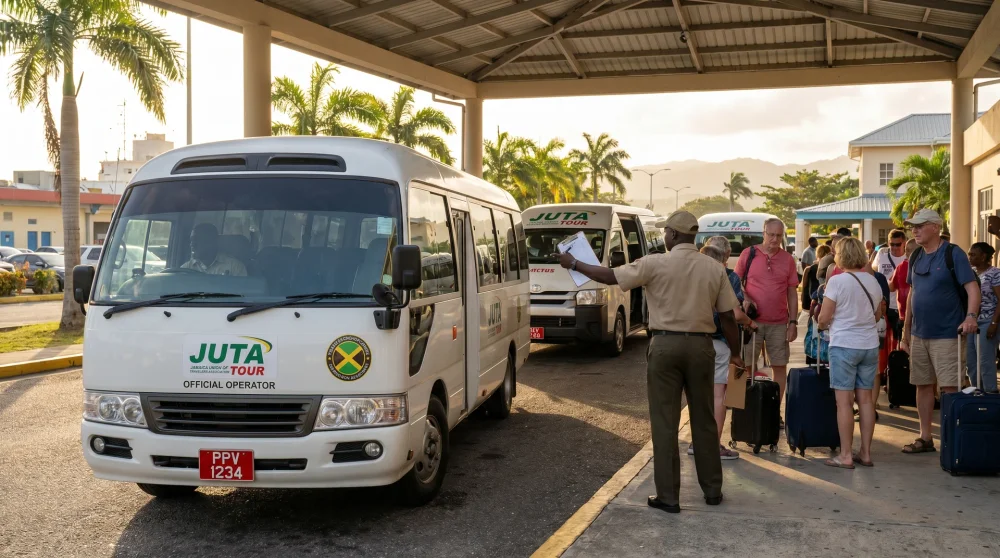
- Official taxis: Look for red license plates and JUTA (Jamaica Union of Travelers Association) certification
- Currency: Jamaican Dollar (JMD), but US Dollars are universally accepted at tourist hubs
- Language: English and Jamaican Patois
- Camouflage clothing: Strictly prohibited for civilians by national law - leave any camo prints on the ship
Falmouth Cruise Port: Logistics, Terminal Facilities and Security
The Historic Falmouth Cruise Port is a modern, enclosed facility designed specifically to accommodate large vessels without feeling congested. Inside the gates, the environment is highly regulated and completely secure. You have immediate access to duty-free shopping, artisan vendor stalls, and clean restrooms.
Stepping immediately outside the terminal walls presents a stark contrast. The immediate surrounding town area lacks significant tourist infrastructure and pedestrian-friendly zones. Wandering the streets on foot right outside the gate is generally unrewarding and not advised for cruisers seeking a relaxed experience.
How to Get to Montego Bay from Falmouth
Many cruisers dock in Falmouth but prefer the established resort amenities of Montego Bay, located roughly 22 miles away. The transit takes about 40 minutes under normal traffic conditions along the northern highway.
Head directly to the designated transportation hub just to the right as you exit the main terminal building. Here, regulated dispatchers organize both private taxis and shared shuttle vans. Shared shuttles offer a highly practical balance of cost and efficiency for the drive westward.
Best Beaches Near Falmouth
Direct beach access from the ship is not an option here. Reaching the sand requires wheels and a bit of planning.
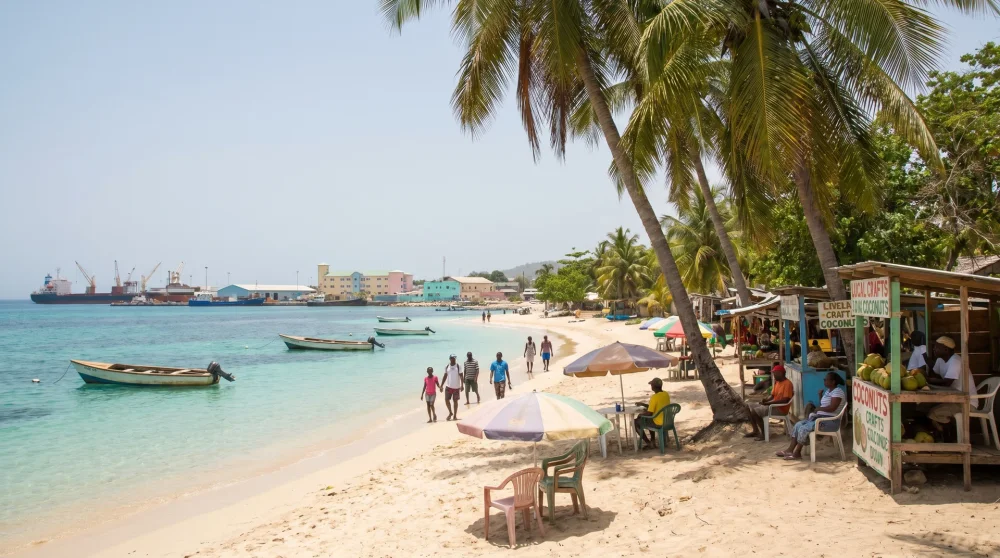
Burwood Beach is the closest viable option, a 10 to 15 minute drive west of the port along the main highway. Entry is free, the water stays shallow and calm, and the crowd skews almost entirely local, which keeps the vibe relaxed rather than tourist-saturated. Vendors along the shoreline sell fresh coconut water, fried fish, and basic snacks - expect to pay in Jamaican Dollars for these. The main caveat is sargassum seaweed, which deposits unpredictably along this stretch of coast depending on seasonal drift. Conditions can shift week to week, so asking your taxi driver for a current read before committing to the drive is worthwhile.
Red Stripe Beach and Blue Waters Beach Club offer more structured amenities like loungers and Wi-Fi, requiring a standard entrance fee. If you prefer seamless logistics, purchasing an all-inclusive resort day pass provides private beach access, unlimited food, and round-trip transport in one secure package.
Montego Bay Cruise Port (Freeport): Transportation and Hip Strip Access
Vessels docking in Montego Bay arrive at Freeport, an industrial-style terminal situated a few miles from the city's primary tourist corridor. Walking to the main attractions from the gangway is entirely impractical due to the distance and heavy commercial road layouts.
A quick shuttle or taxi ride bridges the gap between Freeport and the vibrant Hip Strip (Gloucester Avenue). Once dropped off, the area is pedestrian-friendly, lined with popular bars, restaurants, and shops.
Doctor's Cave Beach is the standout destination along this strip. The facility features calm, sheltered waters and immaculate sand, making it a reliable choice for a classic Caribbean beach day.
Top Shore Excursions from Freeport
Montego Bay serves as an excellent launchpad for exploring the surrounding parishes. The legendary Rose Hall Great House sits just east of the city, offering guided tours focused on the estate's dark colonial history and famous ghost legends.
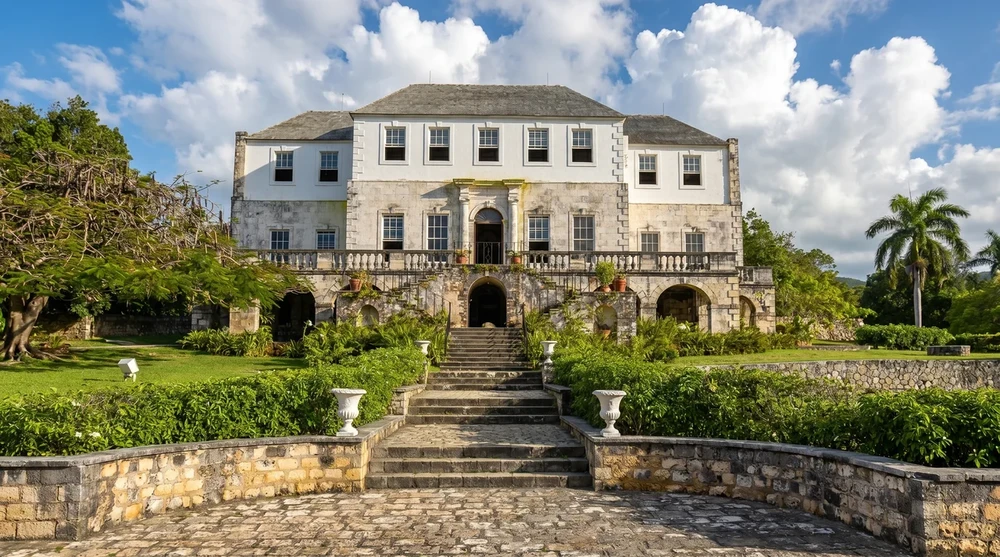
For nature-focused itineraries, rafting down the Martha Brae River provides a deeply tranquil experience. Local guides navigate long bamboo rafts through the dense, quiet riverways, allowing you to completely disconnect from the crowded port atmosphere.
Ocho Rios Cruise Port: Walking to Town and Local Navigation
Ocho Rios holds the distinct advantage of dropping passengers almost directly into the heart of the action. The walk from the pier to the central town area takes less than 10 minutes.
This proximity makes it incredibly easy to reach local craft markets and shopping plazas without relying heavily on dispatchers. However, the immediate town center is bustling and energetic, so maintaining situational awareness while navigating the sidewalks remains essential.
Dunn's River Falls Logistics
This cascading natural wonder is arguably the most famous excursion on the island, sitting just a short drive from the Ocho Rios terminal. The sheer proximity allows you to beat the massive crowds arriving from other ports if you disembark early.
Climbing the falls requires navigating slippery, submerged rocks against rushing water. Wearing proper water shoes with aggressive grip is an absolute necessity, not an optional accessory. Organizing a structured tour often streamlines the admission process and provides essential local guides to help map out the safest footing up the terraces.
Essential Travel Tips for Jamaica Cruisers
Official JUTA Taxis vs. Local Transport
Transportation dictates the success of a port day. Never accept rides from individuals soliciting inside the terminal or aggressively approaching you just beyond the gates.
Official tourism vehicles operate strictly under the JUTA (Jamaica Union of Travelers Association) banner. These vehicles are regulated, well-maintained, and easily identifiable by their distinct red license plates. Fares for popular routes are standardized at the dispatch booths, eliminating the need for stressful haggling.
Currency, ATMs, and Accepted Payments
While the Jamaican Dollar is the national currency, calculating exchange rates for minor purchases is largely unnecessary. US Dollars are universally welcomed by tour operators, dispatchers, and local vendors throughout the port towns.
Carrying small denominations of US bills solves most logistical hurdles for tipping guides or buying small souvenirs. Major resorts and established shops process credit cards seamlessly, but relying solely on plastic leaves you vulnerable when interacting with independent artisans or remote beach vendors.