If you are planning a trip to Malta, you have probably already seen endless pictures of the Blue Lagoon and the towering limestone cliffs of Gozo. But let's be completely honest: looking at them from a crowded ferry or a noisy motorized tour boat is only half the experience. To truly appreciate the raw, geological beauty of these islands, you need to be at water level, navigating the narrow slits in the cliff faces using your own muscle power.
Sea kayaking around Gozo and Comino lets you paddle deep into pitch-black sea caves, glide over neon-blue water, and reach secluded beaches that are completely inaccessible by land. The Mediterranean is not a swimming pool, though. To make sure your adventure is unforgettable for the right reasons, you need to understand the practical logistics, wind behavior, and equipment requirements of these waters.
- Average guided tour price: €65 to €95 per person, usually including equipment and a light picnic lunch (check the operator's official site, as prices change by season and group size).
- Typical format: a half-day tour of around 3 hours, with roughly 2.5 hours of paddling and a 30-minute swim break.
- Minimum age: 10 years old for family tours. Children under 15 must paddle in a double kayak with a responsible adult.
- Best season: May to October, though advanced paddlers can explore year-round depending on winter swells.
- Core highlights: the Santa Maria Caves on Comino, the Blue Lagoon, and the dramatic cliffs of north Gozo.
The Reality of Kayaking Gozo and Comino
Before you grab a paddle, you need to discard the idea that you can plan an exact kayaking route weeks in advance. The most important rule of sea kayaking in Malta is simple: the weather dictates the route, not you.
Because Gozo and Comino are small islands exposed to open-sea currents, wind conditions can transform a glassy, calm bay into a washing machine of choppy waves within a couple of hours. Certified guides spend time evaluating wind direction and wave swells before selecting a launch point.
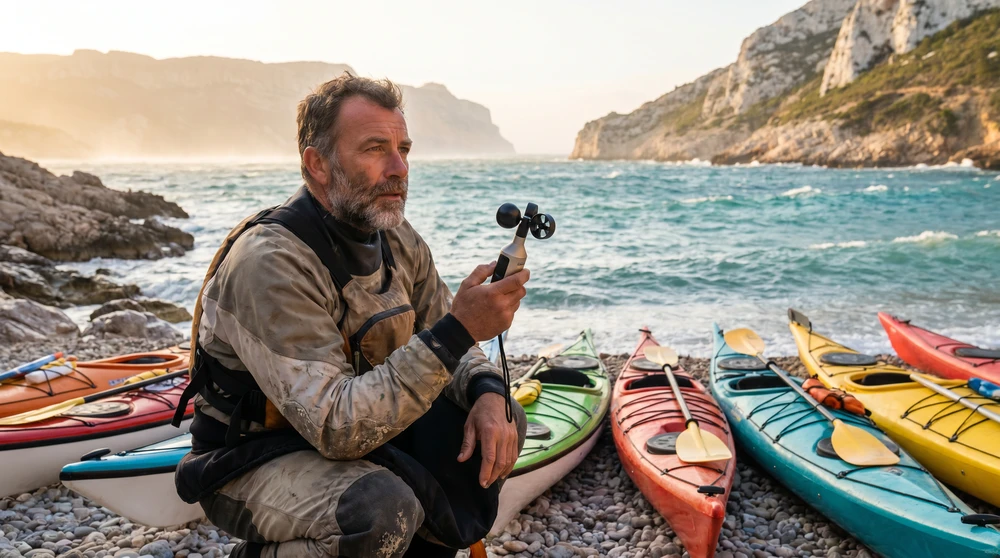
If a tour operator changes your itinerary the morning of your trip, do not be frustrated. They are saving you from an exhausting, unsafe paddle against a relentless headwind. If you are still deciding when to come, the best time to visit Malta explains how the seasons line up with calmer seas.
How Wind Direction Dictates Your Route
- North and northwesterly winds (the Mistral): This is the most common wind in Malta. When the Mistral blows, the northern coastlines of Gozo become rough and dangerous. Your guide will likely move the launch to the southern or eastern shores, often starting from Hondoq Bay, or use the sheltered channels around Comino.
- South and southeasterly winds (the Scirocco): A warm wind coming from Africa, the Scirocco creates heavy swells on the southern cliffs of Gozo. When it hits, the northern bays such as Qbajjar or Ramla become the safest zones for exploration.
If the open crossing is closed off entirely, some operators relaunch from the sheltered Dwejra Inland Sea, a calm pool connected to the open Mediterranean through a short natural tunnel in the cliff.
Top Sea Cave Routes and Launch Points
While the entire coastline of both islands is stunning, two specific routes offer the best concentration of sea caves and natural arches.
Mgarr Marina to Comino: the Santa Maria Caves route
This is arguably the most famous kayak day trip in the Maltese archipelago. You launch from the bustling Mgarr Marina on Gozo and face an open-water crossing to the north coast of Comino. The narrowest gap between the islands is only about 800 metres, and most groups cover it in 15 to 20 minutes of steady paddling while sharing the channel with local ferries and pleasure boats.
Once you reach Comino, the rewards are massive. The coastline here is riddled with the Santa Maria Caves, which were used as a filming location for The Count of Monte Cristo. Unlike the shallow overhangs found in other parts of the Mediterranean, some of these caves are deep, cavernous tunnels. You can paddle right through narrow rock arches and into massive chambers where sunlight filters up through underwater openings, turning the sea an intense, glowing turquoise.
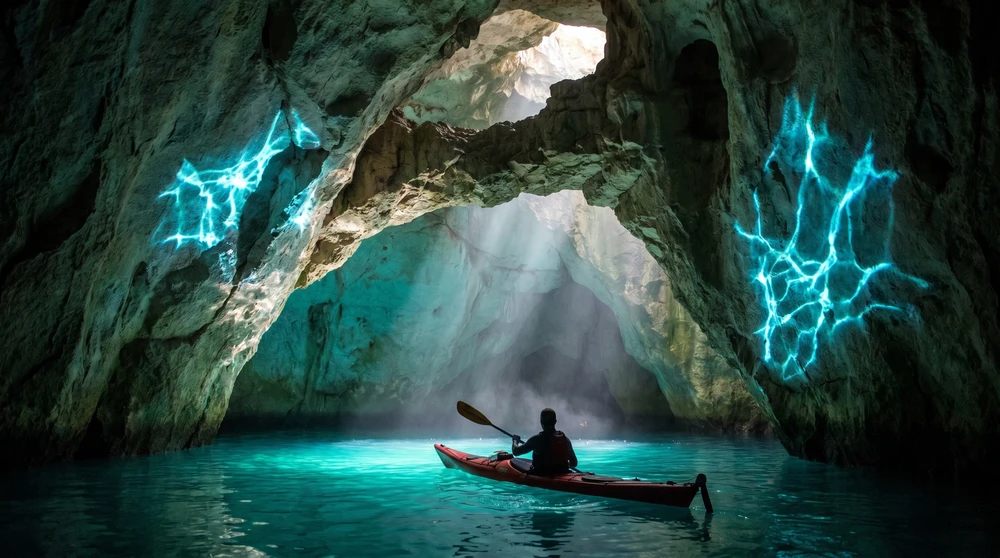
In the deeper sections, you will feel the thrill of paddling into near-total darkness before emerging into a hidden cove. From here, many tours continue to the edge of the Blue Lagoon on Comino for a swim break away from the day boats.
The rugged north coast of Gozo
If you are looking for dramatic, towering cliffs and a more remote atmosphere, the northern coast of Gozo is spectacular. Launching from areas like Hondoq ir-Rummien or further north near Marsalforn, this route takes you alongside colossal limestone walls carved by centuries of rough northern waves.
The sea caves here are tighter and more technical to enter. You will need to watch the swell carefully, because even on relatively calm days the water rising and falling inside a narrow cave can push your kayak against sharp rock walls if you are not paying attention. This route offers excellent chances to see local marine life up close, away from the heavy tourist traffic of the main lagoons. If you want to extend the day on land, our Gozo day trip itinerary pairs well with a morning on the water.
Solo Rentals vs Guided Tours
If you are an absolute beginner, or an intermediate paddler who does not know the local waters, booking a guided tour is highly recommended. Professional local guides do not just keep you safe; they know the exact locations of hidden cave entrances that you would completely miss on your own.
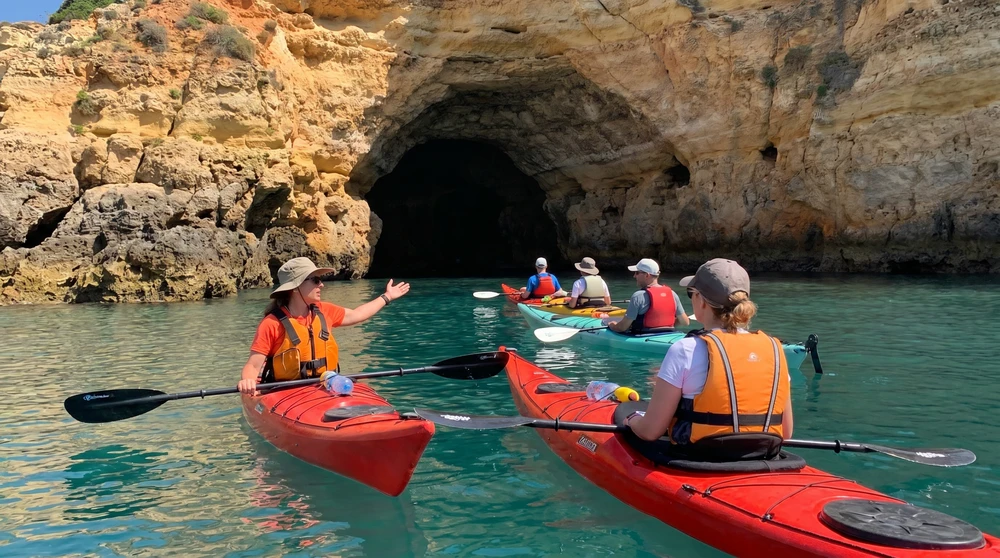
If you are an experienced kayaker with open-ocean navigation skills, solo rentals give you the ultimate freedom instead.
| Feature | Guided Tours | Solo Rentals / Self-Guided |
|---|---|---|
| Safety & navigation | High. Instructors monitor the weather radio and guide your path. | Low. You are responsible for your own safety and navigation. |
| Route flexibility | Fixed, based on the group's average ability. | Fully customizable to your own pace. |
| Hidden spots | Guides know the exact coordinates of hidden tunnels. | Requires careful research or a GPS map to locate caves. |
| Equipment included | Kayak, PFD, paddle, spray skirt, dry bags, and lunch. | Kayak, PFD, and paddle (spray skirts often require proof of skill). |
When you are ready to lock in a certified guide and the right gear, you can compare available departures here.
Equipment, Safety, and Age Limits
Do not confuse sea kayaking with casual lake canoeing. The equipment you use matters immensely when you are navigating open Mediterranean water.
Sit-inside vs sit-on-top kayaks
Most casual rental kiosks on public beaches offer sit-on-top plastic kayaks. These are great for paddling around a sheltered bay like Xlendi or San Blas for an hour, but they are completely unsuited to long crossings to Comino.
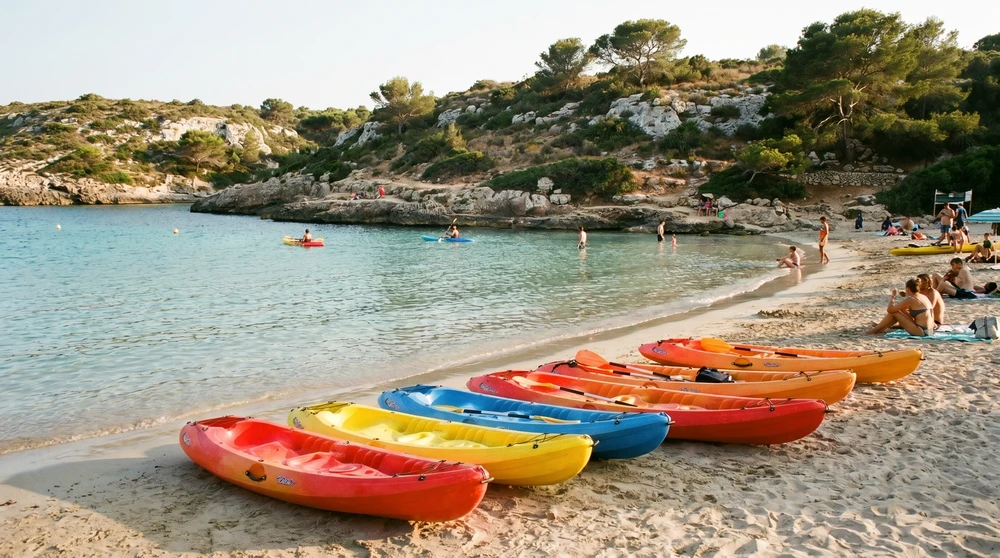
High-quality tour operators provide sit-inside touring kayaks, such as the Wilderness Systems Tsunami or Tempest models. Their tracking-optimized, longer hulls cut through choppy water efficiently. Professional operators also provide nylon or neoprene spray skirts, which seal the cockpit and stop waves from filling your kayak. If an outfitter provides spray skirts, that is a clear sign it caters to true sea kayaking standards.
Rules for children and double kayaks
Sea kayaking is physically demanding, so if you are planning a family outing, keep the local age restrictions in mind:
- Children must be at least 10 years old to join open-water family tours.
- Paddlers under 15 years old are required to sit in a double (tandem) kayak, paired with a responsible adult from their group. This makes sure an adult's strength is always available to handle unexpected currents or fatigue.
What to pack for the Mediterranean sun
The sun reflecting off the water around Gozo is intense, and the white limestone cliffs amplify the heat. To stay comfortable during a 4-to-5 hour paddle, your packing list should be precise:
- Sun protection: marine-safe SPF 50 sunscreen, a wide-brimmed hat with a chin strap so it does not blow away, and polarized sunglasses on a floating strap.
- Footwear: neoprene water shoes or secure sandals. Skip flip-flops, because you will need traction when stepping onto slippery wet rocks inside caves or during beach landings.
- Hydration: at least 1.5 to 2 litres of water per person. Most guided tours provide water, but having your own accessible bottle is vital.
- Clothing: a lightweight rash guard or UV-blocking long-sleeve shirt beats a standard t-shirt, because it dries quickly and stops your life jacket from chafing your skin.
Paddling through the sea caves of Gozo and Comino is an adventure that stays with you. Respect the wind, choose the right equipment, and get ready to experience the Maltese islands from the best vantage point possible. To plan the wider trip, where to stay in Malta helps you base yourself within easy reach of the ferry.