Arriving at Fort St Angelo at midday means dragging yourself up heat-radiating limestone steps with zero shade, entirely missing the magic of the Grand Harbour. Take the traditional water taxi to Birgu in the morning light, wear grippy shoes for the slick stones, and a sweaty hike turns into a brilliant historical exploration. This fortress sits at the very tip of the Birgu peninsula, guarding the harbour mouth centuries before Valletta existed.
- Standard adult ticket: €10, concessions €6, children 6-11 €4
- Combo ticket: €13 covers the fort, Inquisitor's Palace and Maritime Museum
- Time needed: 1.5 to 2 hours for the multi-level complex
- Best highlight: Grand Harbour views and the saluting battery firing at 12:00 and 16:00
- Getting there: 7-minute water taxi from the Valletta waterfront
Why You Should Visit Fort St Angelo in Birgu
While the majority of visitors crowd into Valletta's polished streets, the tip of the Birgu peninsula holds a much deeper, rawer layer of Mediterranean history. This rocky hillock controlled access to the Grand Harbour long before the current capital was even a blueprint. Walking through these gates means moving through centuries of military strategy.
The contrast here is striking. You stand on massive, battle-scarred bastions built by the Knights of St John, while multimillion-dollar superyachts bob quietly in the marina right below the medieval walls. It feels less like a curated museum and more like a layered military encampment that happens to have the best vantage point on the island.
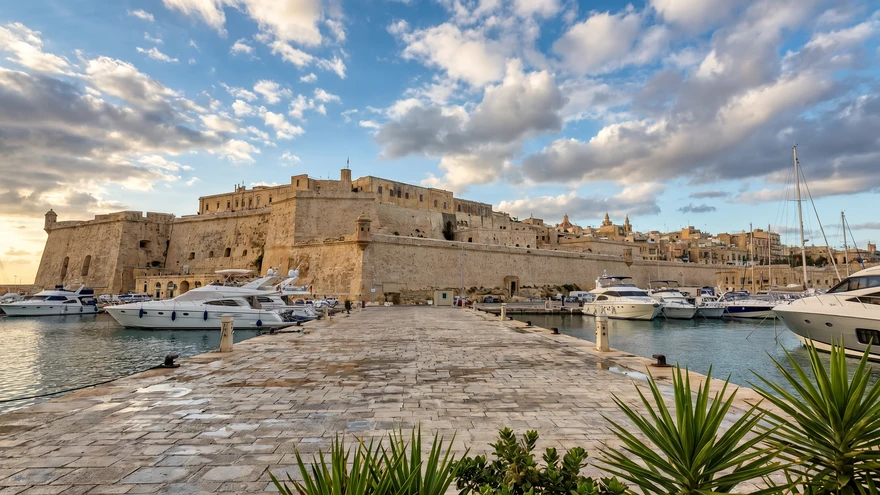
Birgu is one of the historic Three Cities, and the fort makes the most sense as part of a wider afternoon here. If you are weaving it into a longer trip, the way the medieval, Knightly and British layers stack up across Vittoriosa, Senglea and Cospicua is worth understanding before you arrive.
Ticket Prices and How to Visit
A standard adult ticket costs €10, which offers solid value considering the sheer scale of the site and the high-quality audiovisual displays inside. Seniors over 60, students, and youths aged 12-17 pay €6, while children aged 6 to 11 enter for €4. Children under 6 enter free, and Heritage Malta members and pass holders walk in without paying.
You can buy tickets at the gate without facing long queues. If you plan to explore more of Birgu, the combo ticket for around €13 makes perfect sense, since it grants access to the fort, the nearby Inquisitor's Palace, and the Maritime Museum. You do not have to visit all three sites on the same day.
If you are already weighing up a multi-site card for a longer Malta trip, the trade-offs in the Heritage Malta Pass versus the discount card decide whether the combo or a full pass saves you more. For organised visits with a guide, you can also Book a Three Cities tour that folds the fort into a wider Birgu walk.
How to Get to Fort St Angelo from Valletta
Taking the Traditional Water Taxi
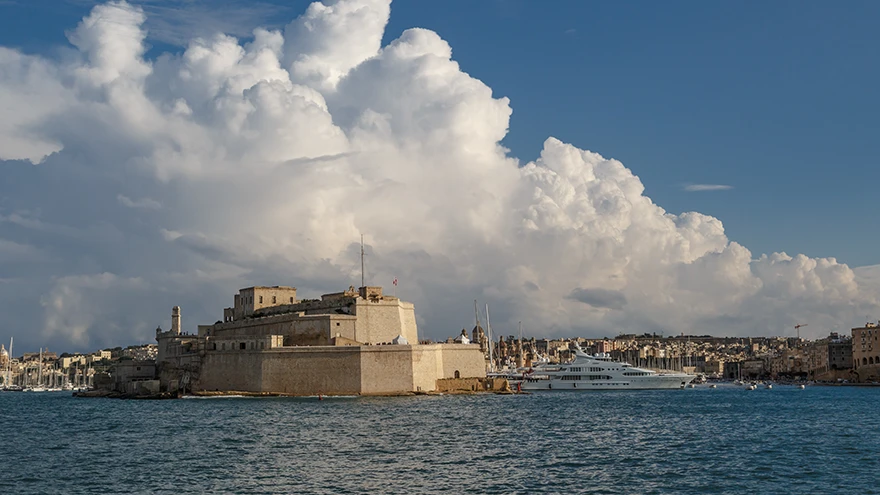
Taking the bus simply cannot compete with approaching this massive fortress from the water. Head down to the Customs House on the Valletta Waterfront and catch a traditional Maltese dghajsa. The crossing takes about 7 minutes and drops you right at the Birgu waterfront, just a short walk from the main gate.
This route shows you the exact perspective incoming enemy galleys and allied supply ships had for centuries. Returning via the same water taxi in the late afternoon, with the sun setting behind Valletta's skyline, easily becomes a highlight of the whole trip.
Taking the Bus
If the weather turns rough and the small boats stop running, you can catch Route 2 or Route 4 from the main Valletta bus terminal. The ride takes roughly 15 to 20 minutes depending on traffic and leaves you at the central square in Birgu. From there, it is a pleasant ten-minute downhill walk past St Lawrence Church to the waterfront and the fort entrance.
Inside the Fortress: What to Expect
The Great Siege of 1565 and the Knights of St John
When the Knights of St John arrived in 1530, they found a ruined castle and rapidly transformed it into their primary headquarters. During the legendary Great Siege of 1565, this fort withstood four months of brutal bombardment from a massive Ottoman force. Standing by the harbour-facing batteries makes the geography of the siege instantly understandable.
To fully grasp the timeline, head inside the vaults of Ferramolino's Cavalier. Three separate projection rooms deliver excellent short films detailing the island's maritime history, the invaders, and the fort's specific role. The multimedia displays break down the heavy historical facts into digestible, engaging visual narratives.
The siege itself reads like fiction once you know how close it came to collapse, and the full story of how 8,000 Knights halted the Ottoman Empire gives the bastions here far more weight. The same Order that defended these walls shaped sites across the island, mapped out in the wider history of the Knights of Malta.
Royal Navy Era and WWII
The fortress did not just freeze in the 16th century. In the early 1900s, the British Royal Navy took over, officially commissioning the site as a stone frigate named HMS Egmont, and later HMS St Angelo. You can still see the harsh concrete modifications and the remnants of the naval prison cells built into the outer walls.
During World War II, the fort absorbed 69 direct bomb hits during the brutal Blitz of Malta. It never fell. This 20th-century chapter prevents the site from feeling entirely medieval and adds a sharp, modern edge to the ramparts.
The Caravaggio Oubliette and St Anne's Chapel
High up in the older sections of the fort, the atmosphere shifts completely. The Chapel of St Anne dates back to Norman times and remains one of the oldest functioning chapels in Malta. Inside, look out for the pink Egyptian granite column, a silent nod to the island's ancient, pre-Christian past.
Nearby lies the infamous oubliette, a dark, bottle-shaped dungeon carved directly into the rock. The painter Caravaggio was thrown into this exact hole after a violent brawl with a knight, before staging his mysterious escape from the island.
Best Viewpoints for Grand Harbour Photography
The panorama from the upper cavalier completely dominates the surrounding geography. You get an uninterrupted view of Valletta to the west, Senglea to the south, and Kalkara to the east. If you time your visit right, you can watch the firing of the saluting battery across the water in Valletta at exactly 12:00 or 16:00.
Photographers should aim for the late afternoon. The golden hour illuminates the limestone facades of the Three Cities behind you and casts dramatic shadows across the harbour. The morning light, between 9:00 and 10:00, is equally striking but hits Valletta directly, offering a very different contrast.
Practical Tips for Your Visit
- Wear shoes with serious grip: the centuries-old limestone slabs are heavily polished by time and become incredibly slippery, especially on the ramps or if it drizzles.
- Bring sun protection: the upper gun platforms and bastions offer zero shade, so exploring the open areas at midday in July requires a hat, sunglasses, and plenty of water.
- Take a break halfway: a small, quiet cafe sits halfway up near the gardens, selling cold drinks, coffee, and light snacks, a good spot to rest your legs.
- Mind the accessibility: reaching the upper fort, including the Magistral Palace and the best viewpoints, requires climbing significant flights of stairs. The mechanical lifts on site are frequently out of service, so visitors with mobility issues should prepare for restricted access to the highest tiers.
If you visit in the morning and catch the 12:00 salute from the upper bastions before the afternoon heat builds, you get the best of the fort in a single relaxed window. That timing alone separates a memorable visit from a rushed, sweaty one.