Packing six rods and enough 60lb fluorocarbon into a strict 30kg Qantas luggage limit is the first real test of fishing the Cocos Keeling Islands. Out on these remote Indian Ocean atolls, snapped lines from razor-sharp coral and stolen catches by aggressive blacktip reef sharks are daily realities. Success here requires meticulous gear selection, reinforced terminal tackle, and a deep understanding of the massive tidal movements.
- Location: 2,750 km northwest of Perth, accessible via West Island Airport (CCK).
- Flights: Qantas operates twice weekly (Mondays and Fridays).
- Luggage limits: 30kg checked, 7kg carry-on. Braid line must be in checked luggage.
- Key targets: Bonefish (Albula vulpes), Giant Trevally (Caranx ignobilis), Red Bass, Dogtooth Tuna.
- Marine park exclusions: No fishing allowed at The Rip or Trannies Beach.
- Transport: $2.50 ferry rides connect West Island to Home Island.
Target Species & Proven Tactics for Cocos Keeling
The contrast between the shallow sand flats and the deep blue drop-offs creates completely different battlegrounds. Each zone demands a highly specific setup and approach.
Fly Fishing the Flats for Monster Bonefish
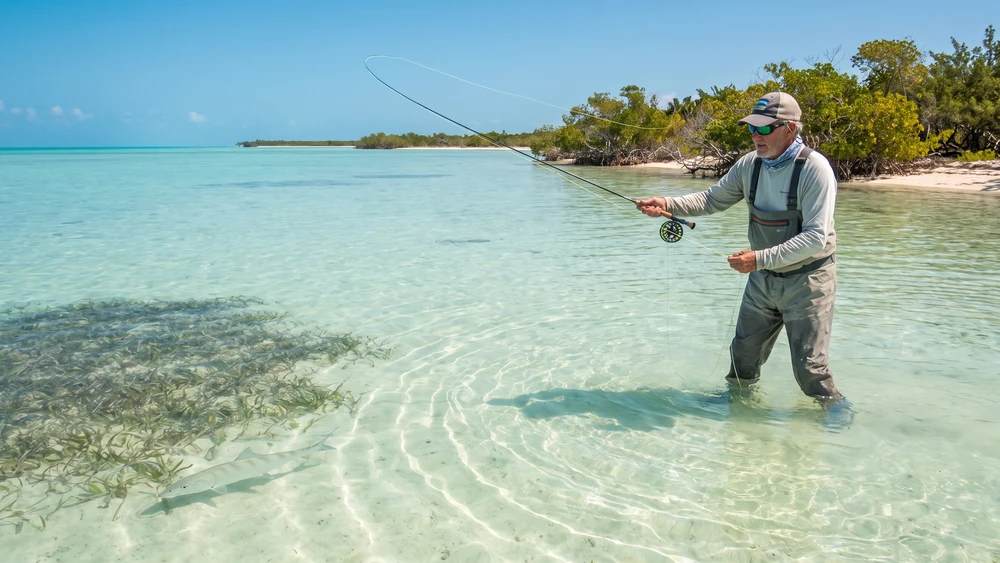
Cocos bonefish easily average sizes that would be considered trophies in the Caribbean or Central America. Wading the lagoon flats requires dealing with persistent trade winds and highly aware fish. A 6-weight setup paired with a clear intermediate tip line handles calm mornings perfectly. Once the wind picks up, an 8-weight rod becomes mandatory to punch flies through the gusts.
On a solid day, the lagoon regularly gives up 20 to 30 fish per angler, with most bones running 40-50cm and a real shot at something bigger. You need a minimum of 150 meters of backing, though 200 meters provides actual comfort. Big bones here regularly mimic barracuda runs, peeling line at terrifying speeds toward coral bommies. Upgrading to heavy-gauge hooks prevents them from bending out when you have to apply heavy drag.
Stopping a fish quickly is vital before the blacktip reef sharks notice the struggle. Stick to 16lb or 20lb fluorocarbon leaders on the open sand flats to maintain a stealthy presentation. If Cocos whets your appetite for skinny-water bonefish before committing to a bigger trip, fishing charters in the Cayman Islands target a similar mix of bonefish flats and reef structure with local guides doing the legwork for you.
GT Popping and Stickbaiting in the Blue Holes
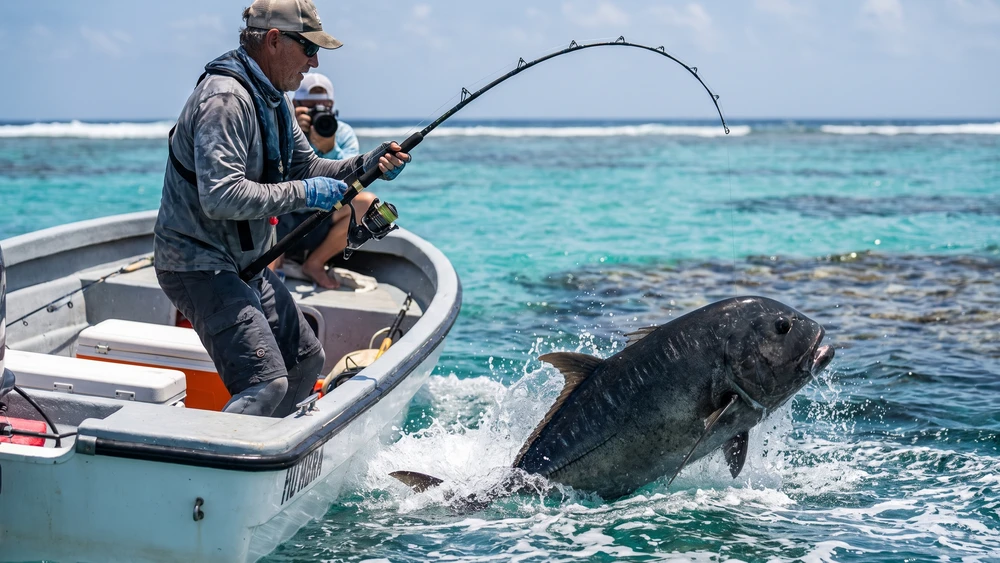
Giant trevally on the western edge of the atoll show zero mercy. Casting 120-160mm stickbaits between the reef and the beach during an incoming tide yields aggressive, explosive surface strikes. Standard factory hooks and rings will fail instantly. Upgrading all your lures to Decoy split rings and BKK hooks is a non-negotiable step before you even board the plane.
When targeting GTs or bumphead parrotfish around the blue holes, step up to a minimum of 80lb, ideally 100lb fluorocarbon leader. The surrounding corals act like razor blades. If a 20kg GT decides to dive back into its cave, your only option is clamping down the spool and turning its head by brute force.
Deep Sea and Drop-Off Pelagics
Pushing past the lagoon drop-off shifts the focus to heavy pelagics. Monster dogtooth tuna, wahoo, and yellowfin tuna patrol the steep underwater cliffs where baitfish get flushed out on the outgoing tide.
Offshore charters open up extreme jigging and trolling opportunities. The depth drops drastically just a few hundred meters from the reef edge. Have your PE8 and PE10 setups ready, and constantly inspect your leader knots. A blistering run from a dogtooth will expose the absolute slightest weakness in your rigging.
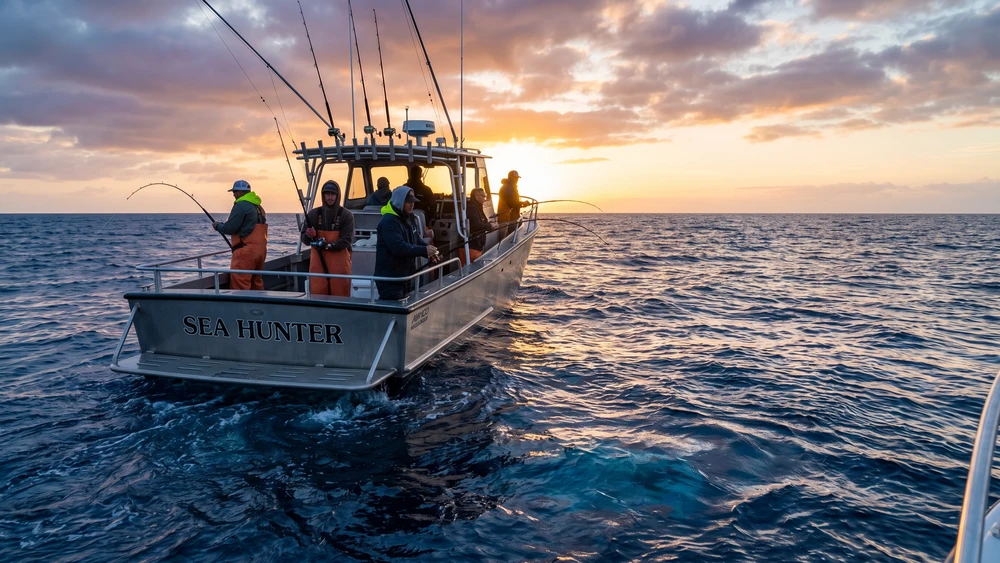
Anglers chasing the same kind of blue-water intensity elsewhere often compare notes with sport fishing in the Marshall Islands, where blue marlin and tuna patrol similarly steep, current-swept drop-offs.
Essential Gear Prep: Beating the 30kg Luggage Limit
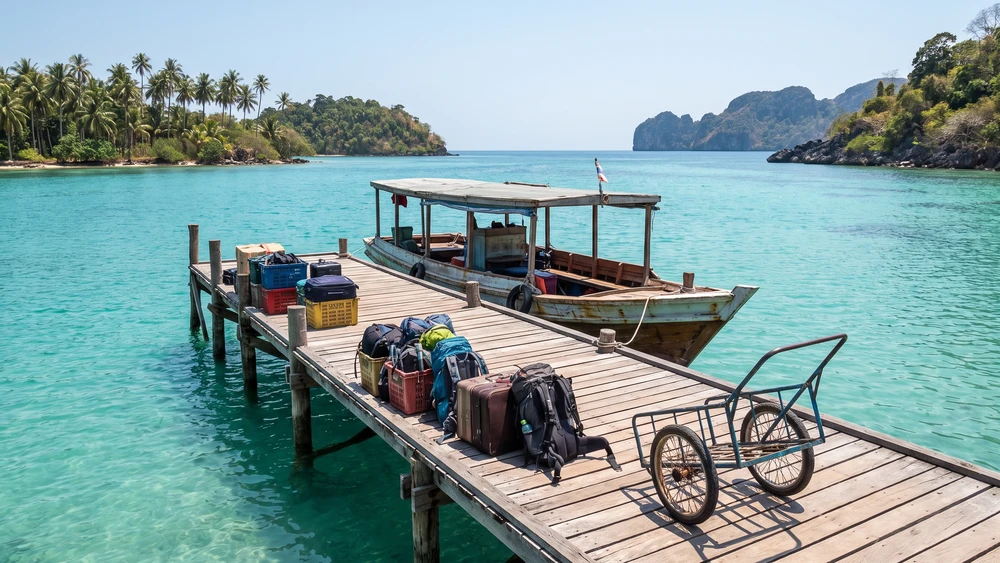
The 30kg checked baggage limit dictates exactly what makes the cut. Local stores on West Island and Home Island stock very basic, limited tackle. Bringing your own high-end rods, reels, and specialized lures is the only way to fish effectively.
- Rods and tubes: Pack your rods in a sturdy, lockable PVC tube and declare them as priority luggage.
- Line regulations: Aviation security will confiscate braided line from your carry-on bag. Pack all spare spools of braid tightly in your checked suitcase.
- Lure management: Ditch the bulky plastic retail packaging. Organize your heavy poppers, soft vibes, and stickbaits in compact, double-sided tackle trays to save precious weight.
- Apparel: Pack a lightweight, breathable rain jacket, since squalls move in fast across the atoll. High-quality polarized sunglasses with amber or copper lenses are critical for spotting tails in the glare of the flats.
Cocos Keeling Marine Park Rules and Bag Limits
The waters surrounding the atoll fall under a massive 467,000-square-kilometer marine park. Recreational fishing is widely supported by the locals, but strict zoning protects the fragile ecosystem.
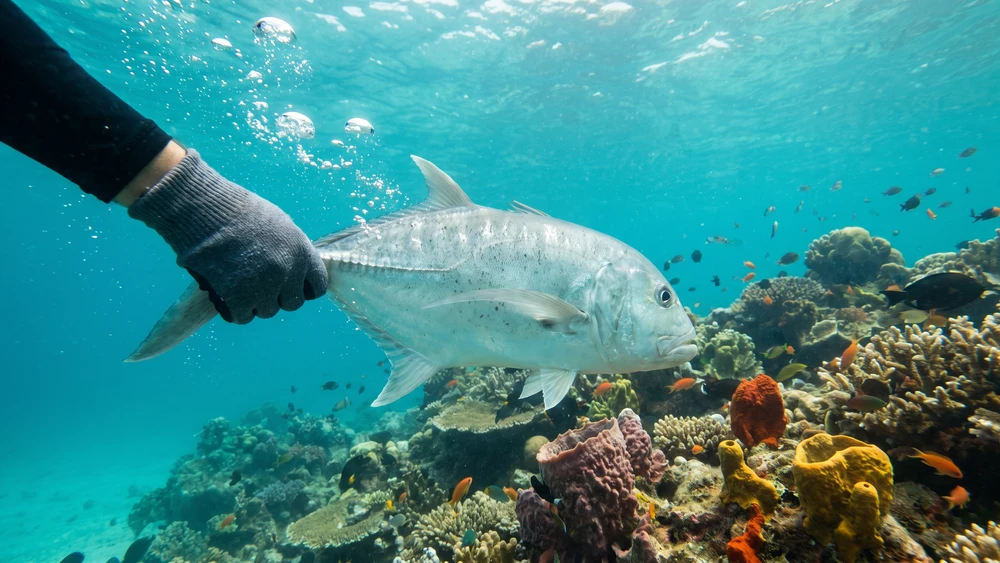
Casting a line is strictly prohibited in two green zones, The Rip near Direction Island and Trannies Beach on West Island's northern tip. While keeping a coral trout or a sweetlip for an evening BBQ is a long-standing island tradition, catch-and-release is the standard, expected practice for sport fish like bonefish, giant trevally, and bumphead parrotfish.
Specific size and bag limits apply to both demersal and pelagic species. Grab the printed fishing guide from the Visitor Centre on West Island immediately upon arrival to stay compliant with the current season's restrictions.
Best Time to Visit for Anglers
The weather dictates your fishing style far more than the calendar month. The doldrums season stretches from November to April. Expect calmer seas, lighter breezes, and glass-like water visibility. These months are perfect for long days offshore or precision sight-casting on the flats.
From May to October, the south-east trade winds kick in. The choppy conditions make boat handling tougher and wading more physically demanding. However, the heavy water movement often triggers aggressive feeding frenzies among predatory fish along the reef edges. Regardless of the month, target the full moon for massive tidal movements inside the lagoon, and the new moon for fishing the outer drop-off.
Travel Logistics: Flights, Ferries, and Island Transport
Accessing this remote outpost requires solid planning. Qantas operates the only reliable flights, touching down on Mondays and Fridays. Flying direct out of Perth avoids the massive scheduling delays and multi-day layovers frequently experienced when trying to route through Southeast Asia with alternative carriers.
You land at the airstrip on West Island, but much of the premier flats fishing originates from Home Island. A brief $0.50 bus ride connects the airport directly to the ferry jetty. From there, the inter-island ferry costs $2.50 and takes about 20 minutes to cross the turquoise lagoon.
The ferry runs daily except Sundays. If you plan to fish the pristine waters around Direction Island, time your crossing for Thursday or Saturday when the ferry makes its extended scheduled run.