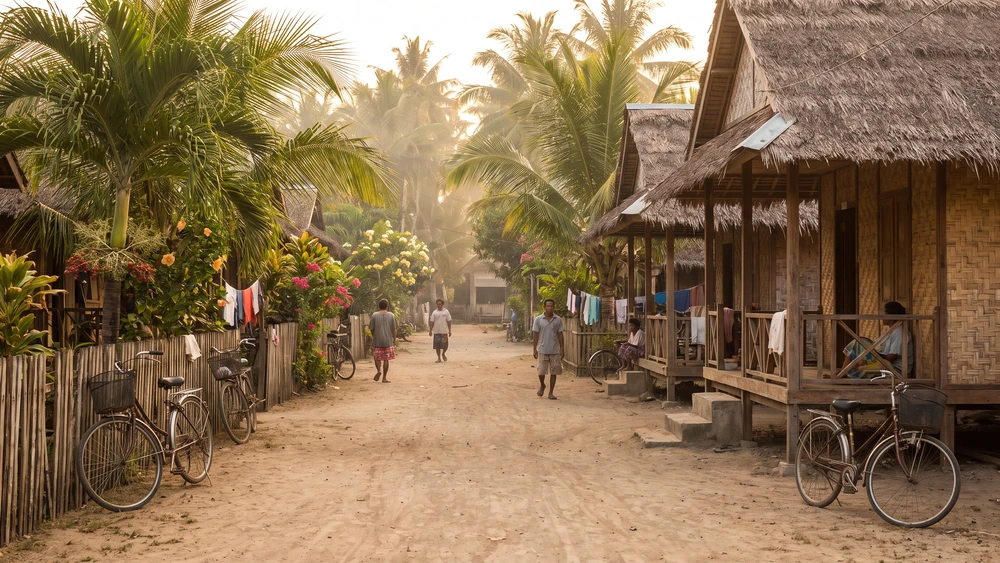
If you are planning your Cocos (Keeling) Islands itinerary, you have probably noticed that the islands are divided into two distinct worlds. Most visitors spend their time exploring the accessible southern atoll, soaking in the culture on Home Island, or relaxing on the beaches of West Island.
But sitting 32 kilometers across open ocean is North Keeling Island, home to the profoundly isolated Pulu Keeling National Park. Unlike the rest of the territory, this uninhabited, low-lying coral atoll is not a place you can simply sail to on a whim.
It is rugged, intensely protected, and biologically spectacular. Here is what you need to know about the permit protocols, organizing boat charters, and the wildlife that makes the journey worthwhile.
- Location: North Keeling Island, 32 kilometers north of the main Cocos (Keeling) atoll.
- Access type: Extremely restricted. General public land tours are not currently permitted; access is strictly for research, approved commercial media, or specific permitted marine activities (diving/surfing).
- Permit requirement: Mandatory for all activities.
- Best season: September to May, when sea swells are generally lower.
Why Pulu Keeling Is Completely Different
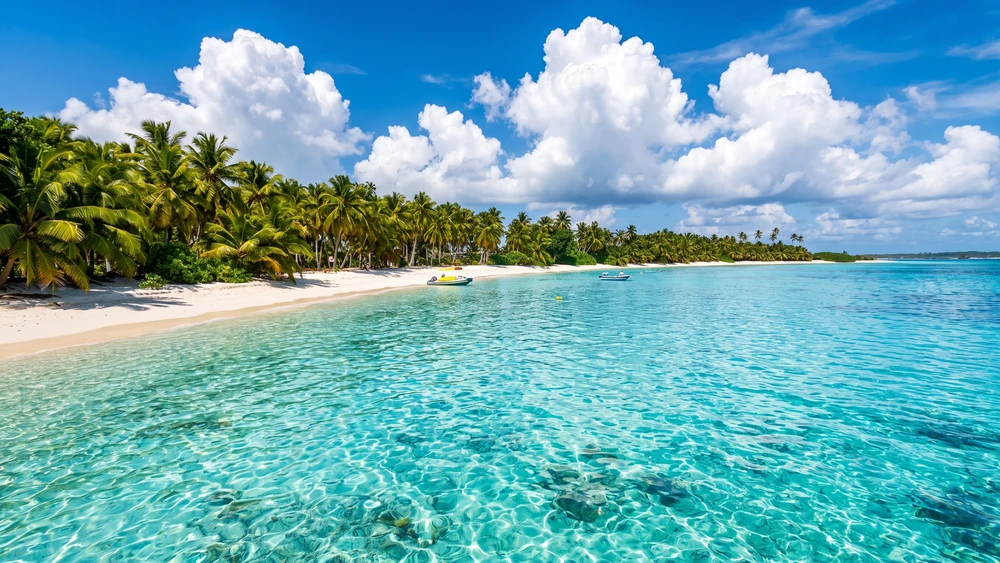
The southern atoll is your traditional tropical paradise. Pulu Keeling, however, is a fortress of nature. It is an internationally recognized Ramsar wetland and one of the few remaining intact oceanic coral atolls in the world.
Because getting ashore involves navigating a fringing reef with rough sea conditions, and because the ecosystem is incredibly fragile, the Australian government (Parks Australia) tightly controls who gets in. While there are no regular land-based tourist walks for the general public, dedicated researchers, professional photographers, and dive groups can access the marine zones, provided they clear the permit process first.
How to Get a Permit for Pulu Keeling National Park
If you want to do more than look at the island from a distance, you cannot bypass the permit system. The EPBC Act strictly regulates access.
Step 1: Contact Park Staff
Before you book any boats, you must establish contact with the park manager. Permits are mandatory for research, commercial photography and filming, and permitted recreational marine activities such as organized scuba diving or surfing.
- Email: pulukeelingnationalpark@dcceew.gov.au
- Phone: +61 8 9162 7602
You will need to explain your intent. Anyone stepping onto the landmass of North Keeling must be accompanied by official park staff.
Step 2: Choose an Authorized Tour Operator
You cannot take a private dinghy across the channel. You must book a charter with a commercially licensed operator who holds an active permit to enter the Pulu Keeling marine boundaries. When coordinating with local businesses on West Island, explicitly ask if their commercial permit includes the North Keeling marine zone.
Boat Trips from West Island: Logistics and Costs
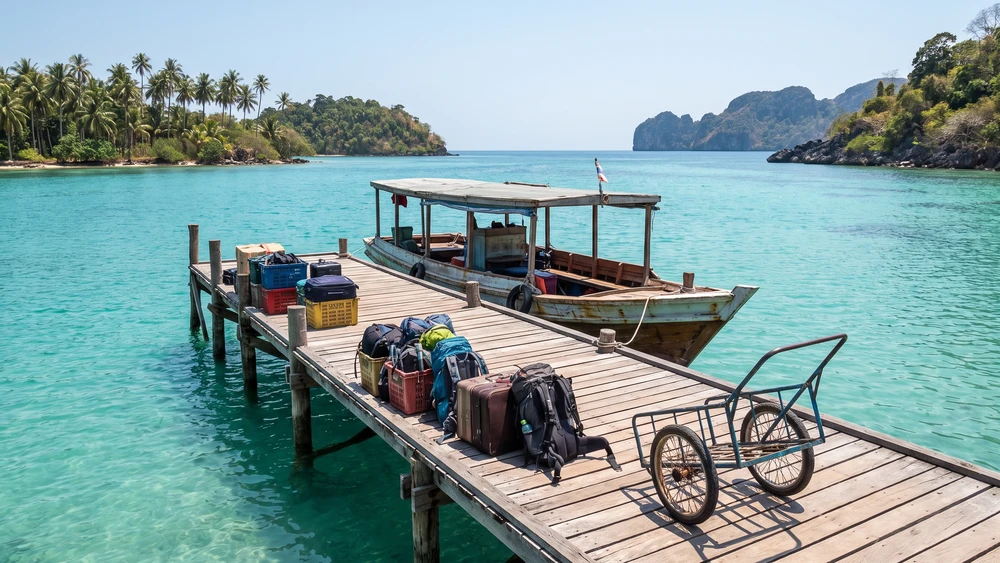
Getting to the park is a serious maritime undertaking. After arriving on Cocos, you will coordinate your boat trip from West Island.
The journey: The trip covers 32 kilometers of open Indian Ocean. Depending on the vessel, this can take 1.5 to 2 hours each way. Expect real ocean swells; this is not a smooth lagoon cruise. If you are prone to seasickness, proper medication is vital.
The cost: Because these are specialized, low-impact scenic boat charters or dive trips run by independent operators, prices vary widely by fuel cost, vessel, and minimum passenger count. There is no fixed park fare, so get a current quote directly from a West Island operator before you commit to a date.
Landing challenges: Even if permitted to land with staff, there are no docks. Visitors must swim or wade through the surf zone over the fringing reef, which is why following proper safety protocols is non-negotiable here.
Wildlife on North Keeling Island
If you secure a marine permit for a boat charter or dive, the wildlife viewing is unparalleled.
The Ramsar Wetland and Seabird Colonies
The island is globally significant for seabird breeding. It hosts massive, noisy colonies of red-footed boobies, one of the largest populations in the world, alongside frigatebirds and tropicbirds. The canopy is alive with nesting activity, and the sky above the island is constantly filled with silhouettes of these oceanic wanderers.
Marine Life: Turtles, Sharks, and Dolphins
Beneath the surface, the marine park is a sanctuary. The seagrass beds and outer reefs provide a vital refuge.
Sea turtles: You will likely spot green sea turtles and hawksbill turtles navigating the reef.
Cetaceans and pelagics: Common dolphins, bottlenose dolphins, and even humpback whales in season frequent the deep waters rising from a nearby seamount.
Diving: If you are already diving in Cocos (Keeling), the waters around North Keeling offer encounters with Cocos angelfish and reef sharks, and occasionally whale sharks. Remember that spearfishing and breathing-apparatus fishing are strictly banned.
Best Time to Visit Pulu Keeling
Timing is everything. The Indian Ocean trade winds dictate whether boats can even safely cross from West Island, so check the best time to visit Cocos (Keeling) Islands before you lock in a charter date.
September to May: Generally the best window. The trade winds drop, and the ocean swells become more manageable.
June to August: The southeast trade winds blow relentlessly. Sea conditions become dangerous, and most boat operators will refuse to make the crossing to North Keeling during these months.
Regardless of the month, trips are entirely weather-dependent and subject to last-minute cancellations.
Strict Park Regulations You Must Know
If you are granted access, the rules are ironclad:
Quarantine: To prevent introducing invasive seeds or pests, all clothing, footwear, and equipment must be rigorously cleaned and inspected before departure. This is one of the Cocos (Keeling) Islands safety points that also protects the southern atoll's ecosystem.
No fishing: Recreational catch-and-release is heavily restricted, and commercial fishing or taking marine species is entirely illegal in the park zone.
Leave no trace: You cannot clean fish within 50 meters of the water or leave any gear unattended. The goal is complete preservation.
Visiting Pulu Keeling is a raw, expedition-level experience. It requires patience, paperwork, and a healthy budget, but witnessing one of the Indian Ocean's last untouched outposts is a privilege few travelers ever get to claim. If you are still mapping out logistics, start with flights to Cocos (Keeling) Islands before you contact a North Keeling charter operator.