Grand Cayman has one geographical quirk that changes everything about offshore fishing: the ocean floor drops into the Cayman Trench less than a quarter-mile from shore. That means within minutes of leaving the dock, your lines are already in deep water. No long motor rides, no wasted hours, just fishing.
Why the Cayman Islands Are Different for Offshore Fishing
Most fishing destinations require a long run offshore before you reach productive depths. The Cayman Islands sit on top of an underwater mountain range, and just beyond the shallow reef line, the sea floor plunges dramatically into the Caribbean abyss. This proximity to extreme depth acts as a natural corridor for large pelagic predators, and it is one of the main reasons anglers return year after year.
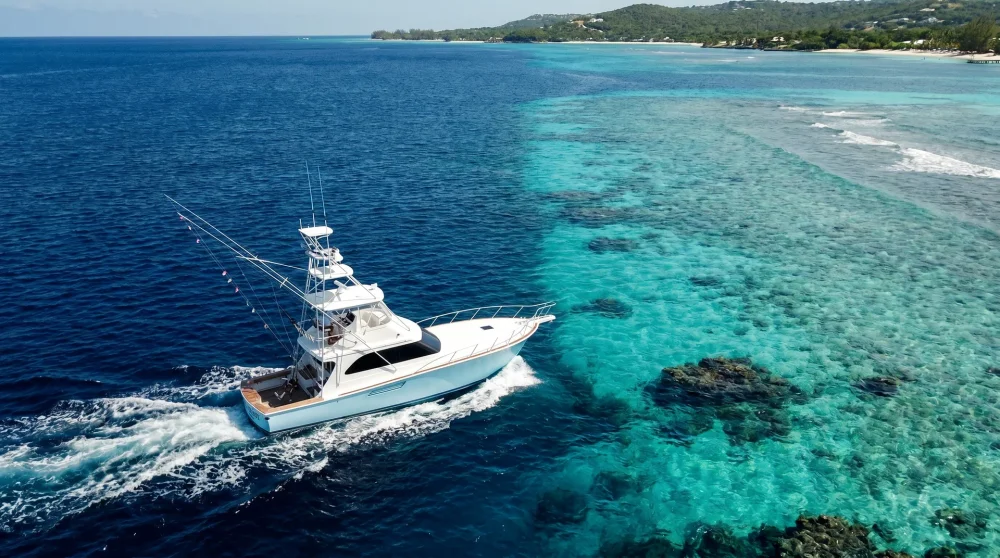
Most captains head directly for the 12-Mile Bank. The seafloor here rises to around 80 to 90 feet, creating underwater structure that concentrates fish like Marlin, Wahoo, and Swordfish. For serious offshore expeditions, full-day trips push out to the 60-Mile Bank, where the isolation is complete, the swells are bigger, and strike rates for apex predators are exceptional.
If deep sea is not your preference, Grand Cayman also has over 30 miles of wadeable flats for Scuba Diving in the Cayman Islands adjacent environments. The shallow backcountry holds year-round Bonefish, juvenile Tarpon in the mangroves, and Permit moving through the sandy flats.
Target Species and Best Seasons
You can catch fish in the Cayman Islands every month of the year, but timing your trip to match peak migrations significantly improves your hookup ratio.
Blue Marlin and Wahoo
Blue and White Marlin peak between May and July. Strikes often happen surprisingly close to the shoreline, and local conservation ethics strongly favor catch-and-release for all billfish. The local captains are experienced at guiding anglers through a clean release after the photos.

Wahoo dominate the cooler months, with the main run stretching from October through March. These aggressive speedsters hit fast and run hard, making them the primary target for high-speed trolling setups.
Tuna Seasons
Yellowfin Tuna arrive in strength between March and June. Blackfin Tuna peak in July and August. Skipjack are most common during the winter months. Tuna migrations here split into two distinct waves, so you can target different species depending on when you visit.
Bonefishing on the Flats
Bonefish around Grand Cayman average 3 to 5 pounds and reach 8 pounds regularly, making them notably larger than most regional alternatives. Late summer produces the highest numbers of fish on the flats, while winter months consistently yield the heaviest individual specimens.
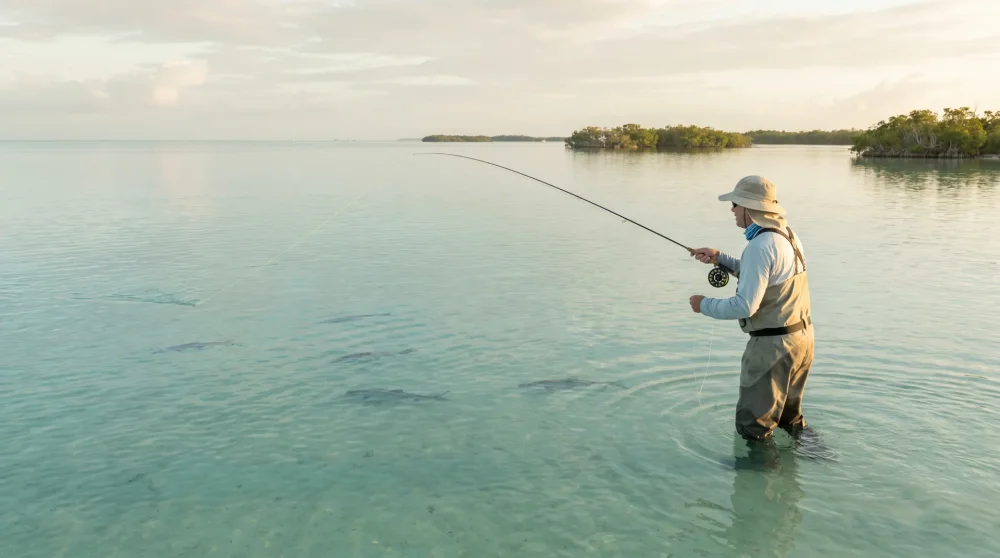
Juvenile Tarpon are active year-round in the mangrove channels, with late summer offering the most consistent action. Permit move through the flats as well, though they are notoriously selective feeders.
For planning around seasonal weather patterns, see The Best Time to Visit the Cayman Islands for a full breakdown of weather, crowds, and costs by month.
Fishing Regulations You Need to Know
Local conservation laws are actively enforced and apply to every angler on the water, including charter guests.
All reef and pelagic fish must measure at least 8 inches in length. There are specific exemptions for small baitfish species such as goggle eyes, sprats, and silversides.
Nassau Grouper are restricted to five per person, and only fish between 16 and 24 inches are legal to keep. Spiny Lobster has a controlled closed season; when the season is open, a minimum 6-inch tail size applies.
Several species are completely protected year-round. If you hook a Goliath Grouper, shark, or ray, you must release it immediately. All angelfish, tilefish, and sea turtles are fully protected with no exceptions. Fishing inside designated Marine Park Zones is prohibited.
Spearfishing is not permitted for visitors.
What a Typical Charter Trip Includes
Registered charter boats supply everything you need for the day. The crew provides heavy tackle, specialized rods calibrated for the target species, and fresh bait. Most boats feature air-conditioned cabins and shaded deck areas, which matters when you are sitting in tropical sun between strikes.
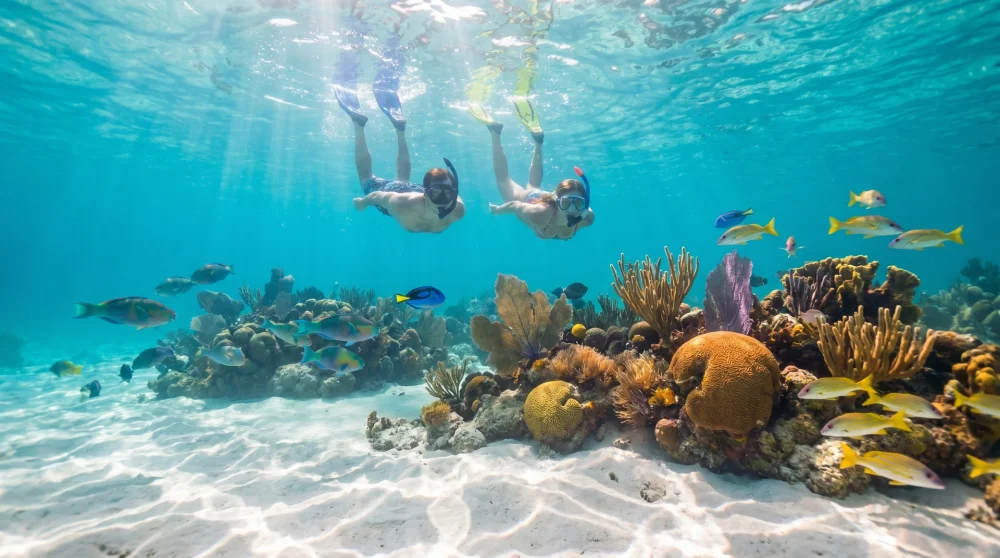
Many charters include snacks and refreshments. A number of operators also bring along snorkeling equipment for post-fishing stops at the reef or a visit to Stingray City Grand Cayman on the way back to dock.
Book a fishing charter in the Cayman Islands and find operators offering the full day experience.
Many captains run mixed itineraries, especially for families. A typical combo day involves hitting deep water early for large game, then moving inside the reef to fish the flats or make a stop for snorkeling in Grand Cayman before heading back.
The Catch and Cook Tradition
One of the most satisfying parts of a successful charter day is what happens at the dock. Most crews clean and fillet your legal catch as part of the standard service. You take those fresh fillets directly to local waterfront restaurants, where the kitchen will grill, blacken, or fry your catch for dinner.
Edible pelagic species you can keep include Yellowfin and Blackfin Tuna, Wahoo, Mahi-Mahi, and Barracuda, provided they meet the size minimums. All billfish should be released.
For the best spots to have your catch prepared, or to find local seafood if the fishing is slow, see Best Local Restaurants in Grand Cayman. Compare fishing charters on Viator for reviews and availability across all Grand Cayman operators.