Arriving at border control only to realize you lack a mandatory Yellow Fever certificate is the fastest way to ruin a trip to Cape Verde. While this archipelago boasts excellent health standards for the region, navigating local water safety, recent resort outbreaks, and pharmacy stocks requires strict on-the-ground preparation.
| Health Factor | Current Status & Action Needed |
|---|---|
| Yellow Fever | Required ONLY if arriving from a risk zone. |
| Malaria | Malaria-Free (WHO certified in 2024). |
| Tap Water | Not safe for drinking. Stick to bottled water. |
| Emergency Number | Dial 130 for an ambulance or 112 for general emergencies. |
| Travel Insurance | Medical evacuation coverage is highly recommended. |
Required and Recommended Vaccines
Navigating entry requirements is straightforward, provided your routine immunizations are up to date.
Yellow Fever Certificate Rules
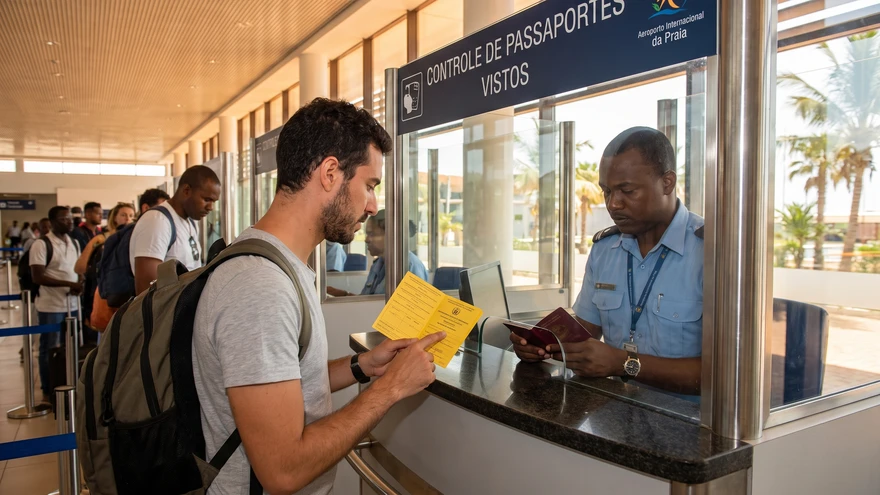
Cape Verde does not have a risk of yellow fever transmission within its borders. However, border officials strictly enforce an international certificate of vaccination for anyone over one year of age arriving from or transiting through a yellow fever risk zone.
Traveling directly from Europe, the UK, or the US requires no certificate. A layover in a risk country like Senegal, on the other hand, makes the document mandatory.
Routine Vaccinations
Health authorities suggest updating a few standard vaccinations at least a month before departure.
- Hepatitis A: Highly recommended, as it spreads through contaminated food and water.
- Tetanus: Ensure your booster is current, especially if you plan on hiking the rugged terrains of Santo Antão or Fogo.
- Typhoid: Ideal for longer stays or trips venturing outside main tourist resort areas.
Malaria and Dengue Risk in Cape Verde
The World Health Organization officially declared Cape Verde malaria-free in early 2024. This massive milestone means antimalarial pills are no longer a necessity for your trip.
- Despite the eradication of malaria, other mosquito-borne threats persist.
- Dengue fever remains a localized risk, prompting raised civil protection warnings occasionally on islands like Santiago, Fogo, and Brava. Protection relies entirely on bite prevention rather than vaccines.
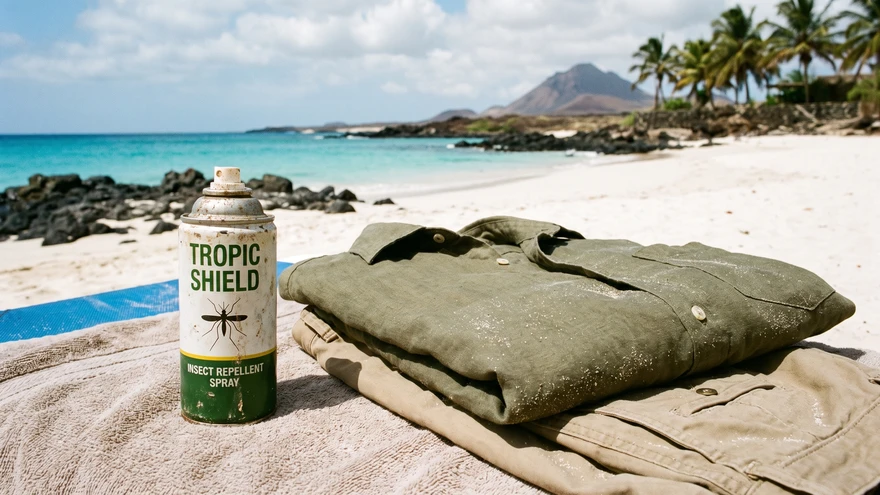
- Apply insect repellent containing at least 20% DEET or Picaridin to all exposed skin.
- Wear light-colored, long-sleeved clothing during dawn and dusk.
- Ensure your accommodation features functioning air conditioning or intact window screens.
Food and Water Safety
Gastrointestinal issues are the most common complaint among travelers, but simple habits prevent most problems.
Can You Drink Tap Water in Cape Verde?
The short answer is no. Tap water across the islands is often desalinated and safe for washing, but it is not recommended for consumption.
Rely exclusively on sealed bottled water for drinking. Use bottled water for brushing your teeth, and politely decline ice cubes in your drinks unless the venue guarantees they are made from purified water.
Preventing Shigella and Salmonella
Recent years have seen an uptick in Shigella and Salmonella cases among travelers returning from resorts in Santa Maria (Sal) and Boa Vista. These bacterial infections cause severe stomach pain and fever.
Stick to food that is cooked thoroughly and served steaming hot. Avoid pre-peeled fruits, raw salads, and buffet items that have been sitting out at room temperature.
Medical Facilities and Pharmacies
Healthcare quality varies drastically depending on which island you visit.
Pharmacies in Sal and Boa Vista
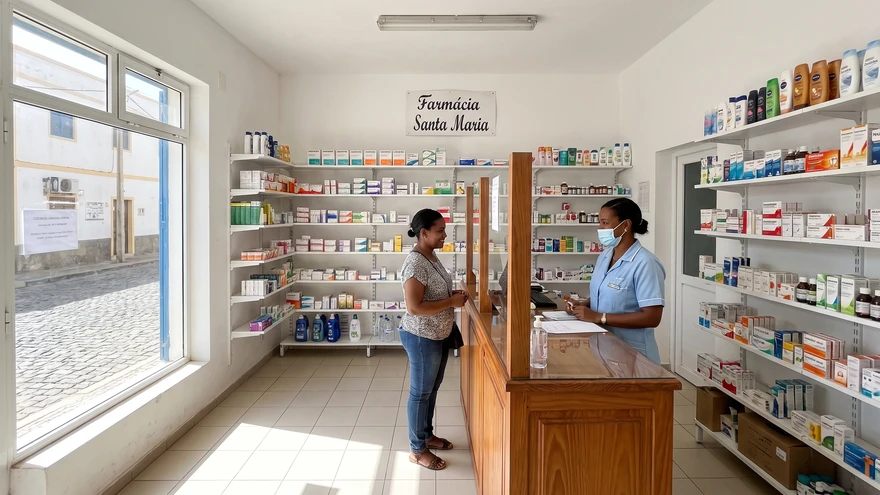
Local pharmacies (farmácias) are clean, professional, and well-stocked with basic over-the-counter remedies. Finding specific prescription medications, however, is a gamble.
Supply shortages happen frequently. Always pack a sufficient supply of your chronic medications in your hand luggage to outlast your entire trip.
Hospitals in Santiago and São Vicente
For serious medical emergencies, the country relies on two main facilities. Dr. Agostinho Neto Central Hospital is located in Praia (Santiago), and Dr. Baptista de Sousa Hospital serves Mindelo (São Vicente). Both offer modern care, including functional hemodialysis centers.

Facilities on Boa Vista and Sal are mostly limited to regional clinics.
Islands like Brava and Santo Antão lack working airports. An emergency there means navigating a complex and highly expensive medical air evacuation. This logistical hurdle makes comprehensive travel health insurance non-negotiable.
What to Pack in Your Travel Health Kit
Island hopping limits your access to large convenience stores. Packing a dedicated medical kit saves precious vacation time.
- High-SPF Sunscreen: The sun is unrelenting, and local shops charge a massive premium for basic SPF 30+ lotions.
- Anti-diarrheal Medication: Over-the-counter options like Loperamide provide quick relief for mild traveler’s diarrhea.
- Hydrocortisone Cream: Essential for soothing unexpected bug bites or minor skin irritations.
- Basic First Aid: Pack plasters, antiseptic wipes, and a reliable digital thermometer.