Planning a route through the Caribbean often results in spending half the trip inside a transit van instead of actually enjoying the island. Structuring your path correctly minimizes backtracking and positions you ahead of the massive cruise ship crowds at major attractions. This itinerary moves southwest along the island in a logical loop, keeping driving time manageable and experience quality high.
- Ideal Travel Season: December to April (dry season)
- Primary Transport: Knutsford Express buses, licensed route taxis, or private drivers
- Main Airport: Sangster International Airport (MBJ) in Montego Bay
- Driving: Left side of the road
- Currency: Jamaican Dollars (JMD) for local spots, USD accepted in major hubs
Day 1: Arriving in Montego Bay and Local Flavors
Landing at Sangster International Airport puts you right on the northwest coast. Clear customs and head straight to your accommodation to drop your bags. The priority today is shaking off the flight fatigue, not heavy exploration.
Walk down to Doctor's Cave Beach. The water here is incredibly calm, making it an ideal spot for a relaxed first afternoon. The sand is soft and the beachfront is well-maintained.
For your first meal, bypass the generic hotel buffet. Take a short taxi ride to a local spot like Scotchies. The heavy, smoky aroma of authentic jerk pork roasting over pimento wood is unmistakable. Order a side of festival (sweet fried dough) to balance the intense spice rub.
Day 2: Dunn's River Falls and Ocho Rios
Beating the Cruise Ship Crowds
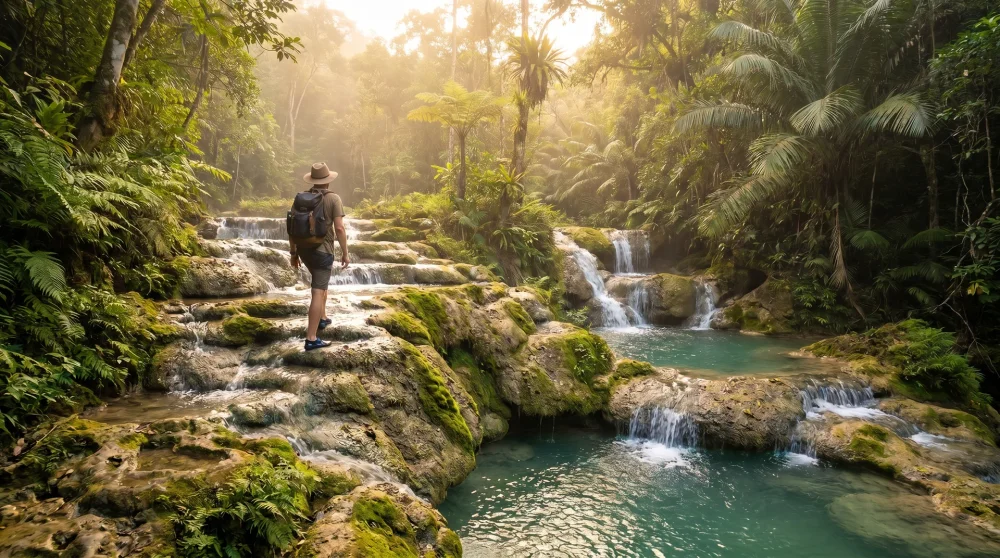
Ocho Rios is a major cruise port, and Dunn's River Falls is the primary target for thousands of day-trippers. Arriving after 10 AM means standing in a human chain rather than experiencing nature. Get to the gates right at opening time. This gives you a clear path up the terraced limestone steps and actual space in the natural plunge pools.
A licensed guide is included with your Dunn's River Falls ticket. Book online before you arrive - walk-in slots sell out early on cruise days.
Essential Gear for the Climb
Water shoes with solid grip are non-negotiable. The rocks are slippery and jagged in sections, making bare feet or flip-flops dangerous. Leave your phone in a waterproof pouch or rent a locker on-site. You need both hands free to navigate the rushing water.
After the falls, explore the Ocho Rios craft market in town, then grab lunch at a local jerk stand before heading back toward your base.
Day 3: Blue Mountains and Kingston
Touring the Coffee Estates
The air temperature drops significantly as you ascend the narrow, winding roads of the Blue Mountains. Bring an extra layer - temperatures at elevation are noticeably cooler than coastal Jamaica. Touring a working estate like Craighton Estate offers a clear view of the harvesting and roasting process.
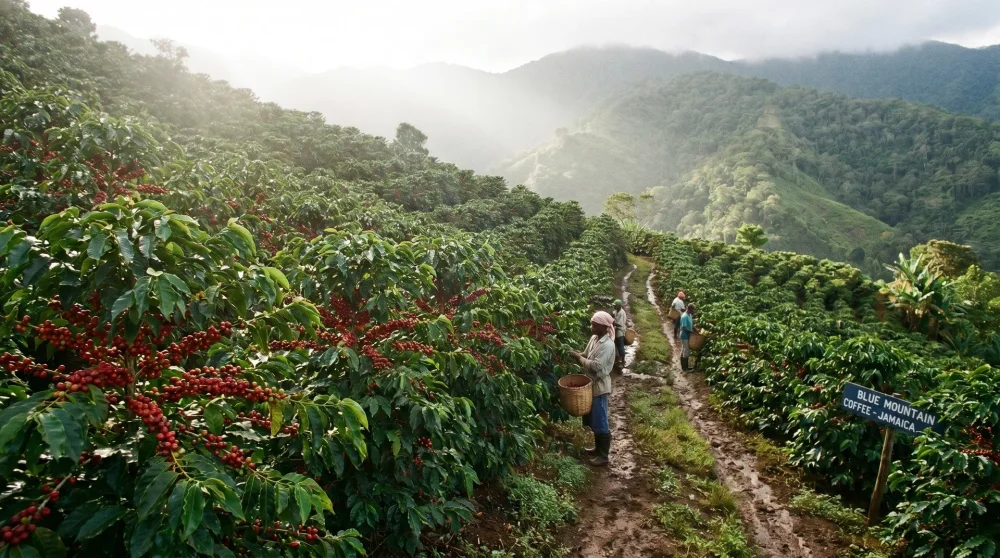
The guided tour runs approximately one hour and ends with a coffee tasting that is deeply earthy and fresh. The Blue Mountains Jamaica article covers trail options and what to expect beyond the coffee farms.
The Bob Marley Museum
Head down into Kingston's urban grid. The Bob Marley Museum on Hope Road sits inside his former home and recording studio. The wooden floors are creaky, the walls heavily layered with platinum records and personal artifacts. Tours run Monday through Saturday from approximately 9:30 AM to 4:00 PM and last around 75 minutes. Book your entry online in advance - walk-in spots fill up rapidly, particularly during peak season.
Day 4: South Coast and Treasure Beach
Leave the urban density of Kingston for the starkly different South Coast. Treasure Beach consists of quiet coves and dark sand, surrounded by dry, cactus-studded hills. The pace here slows down completely.
Spend the day walking the unspoiled coastline or talking with the local fishing community. The water is rougher here compared to the northern bays. Always check tides and local conditions before swimming far from shore. There are no major entrance fees here - this is authentic, unpackaged Jamaica.
Day 5: Black River Safari and Pelican Bar
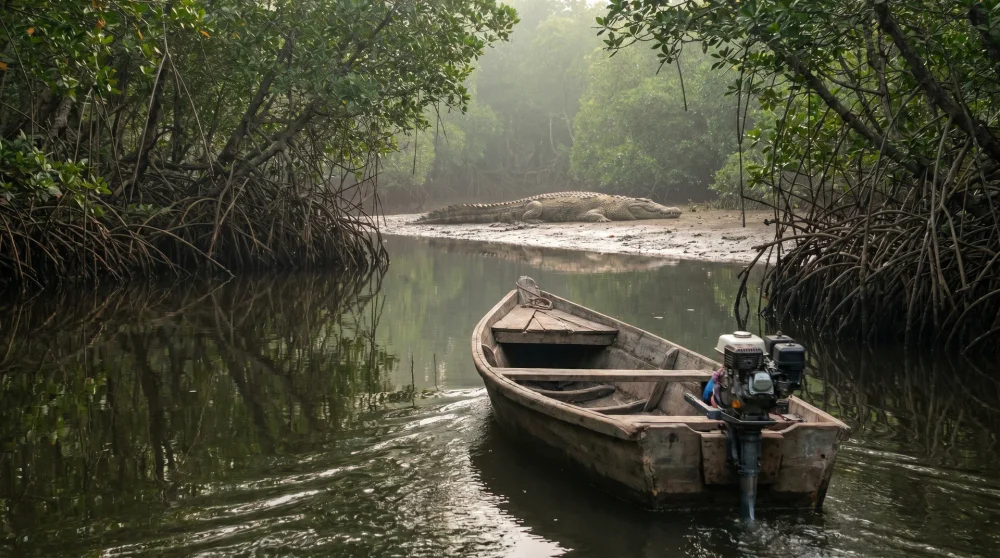
Start the morning navigating the dark waters of the Black River. Hire a local boat guide at the docks. The dense mangrove swamps are intensely quiet, broken only by the movement of exotic birds and the occasional crocodile sunning on the mud banks. For tour times, operators, and what to expect on the water, see the Black River Safari Jamaica guide.
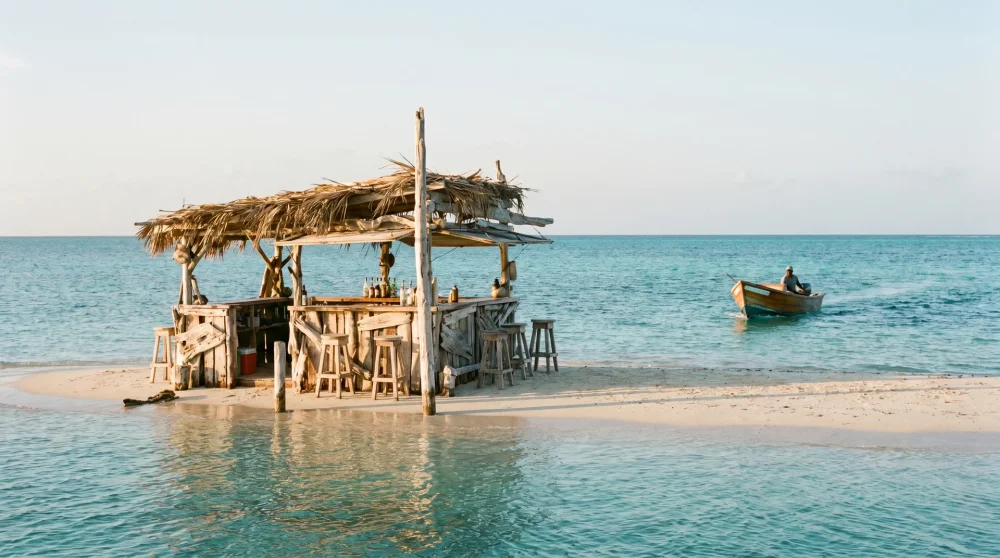
In the afternoon, negotiate a small boat ride out to Floyd's Pelican Bar. This driftwood structure sits on a sandbar completely surrounded by the ocean. Bring cash in small denominations to pay the boatman and buy your drinks. The boat ride takes roughly 20 minutes each way. There is very limited shade on the boat ride out, so wear a hat and apply sunscreen beforehand.
Day 6: Negril's Seven Mile Beach and Cliff Jumping
Drive up the western edge of the island to Negril. Seven Mile Beach stretches out with powdery white sand and shallow, crystal-clear water. Find a spot early - the prime beachfront fills up quickly with vendors, locals, and tourists looking to rent paddleboards.
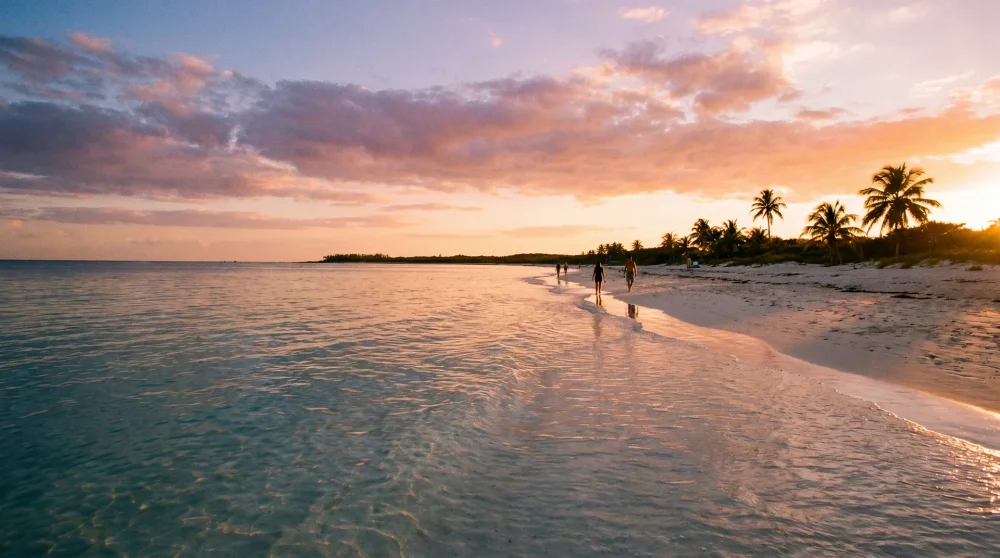
As late afternoon approaches, move over to the West End cliffs. Rick's Cafe is the standard viewpoint for a reason. The sunset views are entirely unobstructed. Entry is free - there is no cover charge. If you plan to jump from the cliffs, watch the local divers first to understand the water depth and identify the safest launch points. The platforms range from 10 feet up to 35 feet for the most committed jumpers.
Day 7: Departure and Last-Minute Souvenirs
Depending on your flight time out of Montego Bay, use the morning to grab some final items. Authentic Blue Mountain coffee beans and locally sourced spices are much better purchases than generic airport trinkets.
Pack your liquids securely in your checked luggage. Allow ample time for the drive back to Sangster International Airport - coastal traffic around Montego Bay frequently stalls during the mid-day rush.
Essential Logistics for Jamaica
Renting a Car vs. Private Drivers
Driving on the island means navigating left-hand traffic, aggressive overtaking, and rural roads with significant potholes. If you are not highly confident behind the wheel, hire a private driver or use the Knutsford Express coach buses for city-to-city transfers. It saves a tremendous amount of stress. The Getting Around Jamaica guide covers taxis, car rentals, and all transport options in detail.
Currency Exchange and Tipping
US Dollars are widely accepted in heavy tourist zones and large resorts. However, you need Jamaican Dollars (JMD) for local restaurants, small shops, and route taxis. Withdraw local currency from an ATM upon arrival at the airport. Tipping is customary for drivers, tour guides, and waitstaff. Keep smaller bills easily accessible to avoid fumbling for change in busy areas.
Best Time to Go
The dry season runs from December to April, making those months the most reliable for beach weather and outdoor activities. Hurricane season peaks between August and October. For a full breakdown of weather patterns and crowd levels by month, see the Best Time to Visit Jamaica guide.