San Marino has a surprisingly limited number of hotels within its walls, and most visitors never find out until they're already there. The entire republic sits on the ridges of Mount Titano, which means your accommodation choice is less about picking a neighborhood and more about deciding how much uphill climbing you want to do with your luggage.
Booking a hotel without checking the topographic map means dragging heavy suitcases up steep, car-free medieval cobblestones. The key to a stress-free stay on Mount Titano lies entirely in understanding the strict traffic zones and knowing exactly where the cable car drops you off.
- Traffic restrictions: The Historic Center is a ZTL (Limited Traffic Zone), non-resident vehicles cannot enter
- Luggage logistics: Pack a small overnight bag, hauling large hard-shell suitcases through the upper city is physically demanding
- Parking: numbered lots (P1 through P9) sit just outside the city walls, many hotels provide discounted vouchers at €6/night for affiliated lots
- Topographic divide: Two main areas for visitors, the high-altitude historic peak (Città di San Marino) and the valley base (Borgo Maggiore)
- Cable car (funivia) schedule: runs approximately 7:45 to 19:00 in winter, extended to midnight in peak summer (July to early September)
Understanding San Marino's Layout
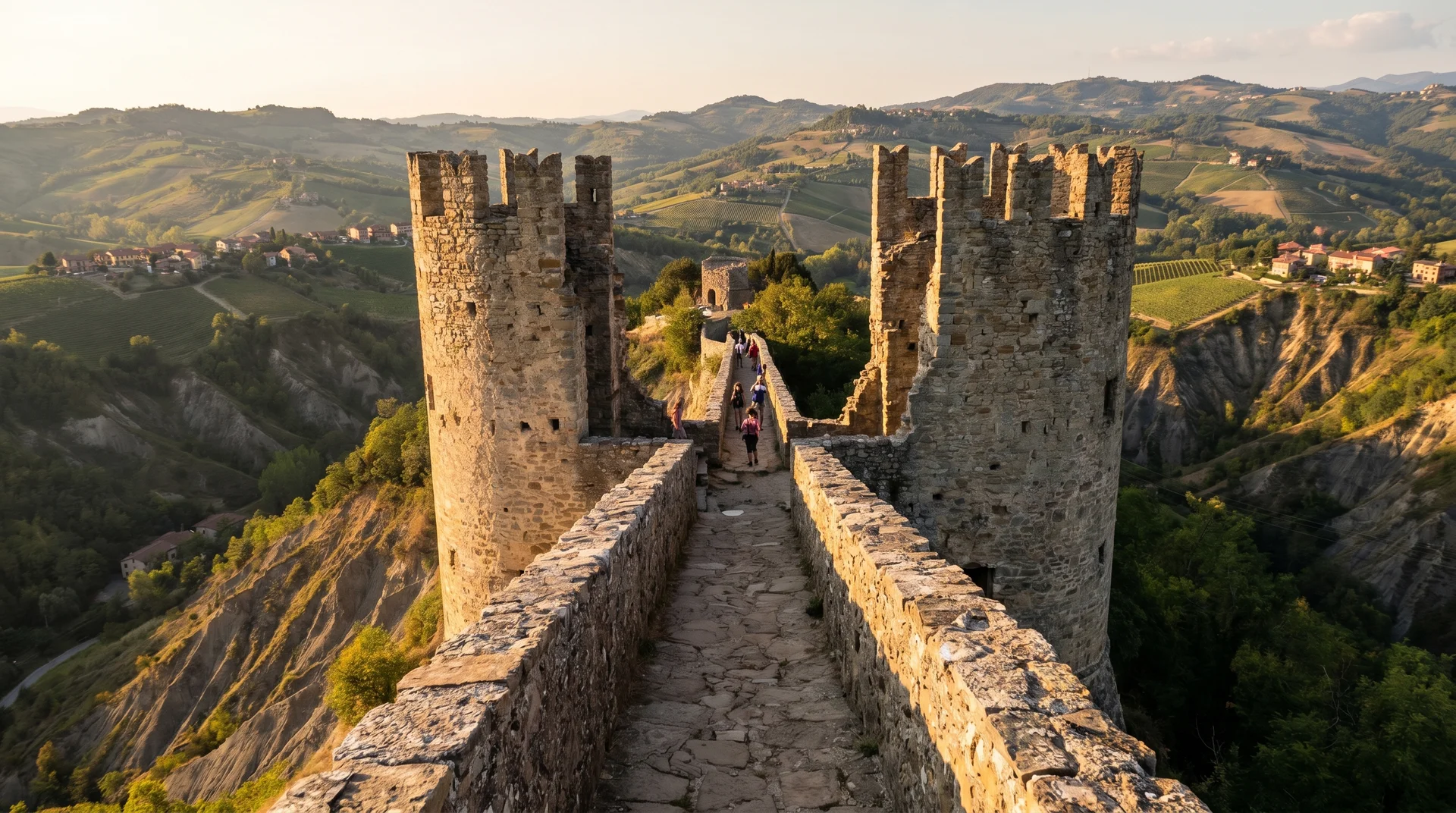
San Marino is not a flat, sprawling city. The entire historic core sits precariously on the ridges of Mount Titano at roughly 750 meters, which dictates your accommodation options more than any other factor.
Staying at the very top means unparalleled views and immediate access to the Three Towers. Staying at the bottom, near the valley, means effortless parking and zero hill-climbing with luggage. Your choice of neighborhood directly impacts the logistics of your entire trip. Most visitors who stay overnight find that one full night is sufficient to experience the quiet early mornings and avoid the daytime day-tripper crowds.
Historic Center (Città di San Marino): Best for Views and First-Timers
Waking up inside a UNESCO World Heritage site is the main draw here. The early mornings are completely quiet, entirely free from the heavy crowds of daytime tour groups that flood in from Rimini and other coastal resorts.
The stone streets, narrow alleys, and cliffside viewpoints create an atmosphere that day-trippers never experience.
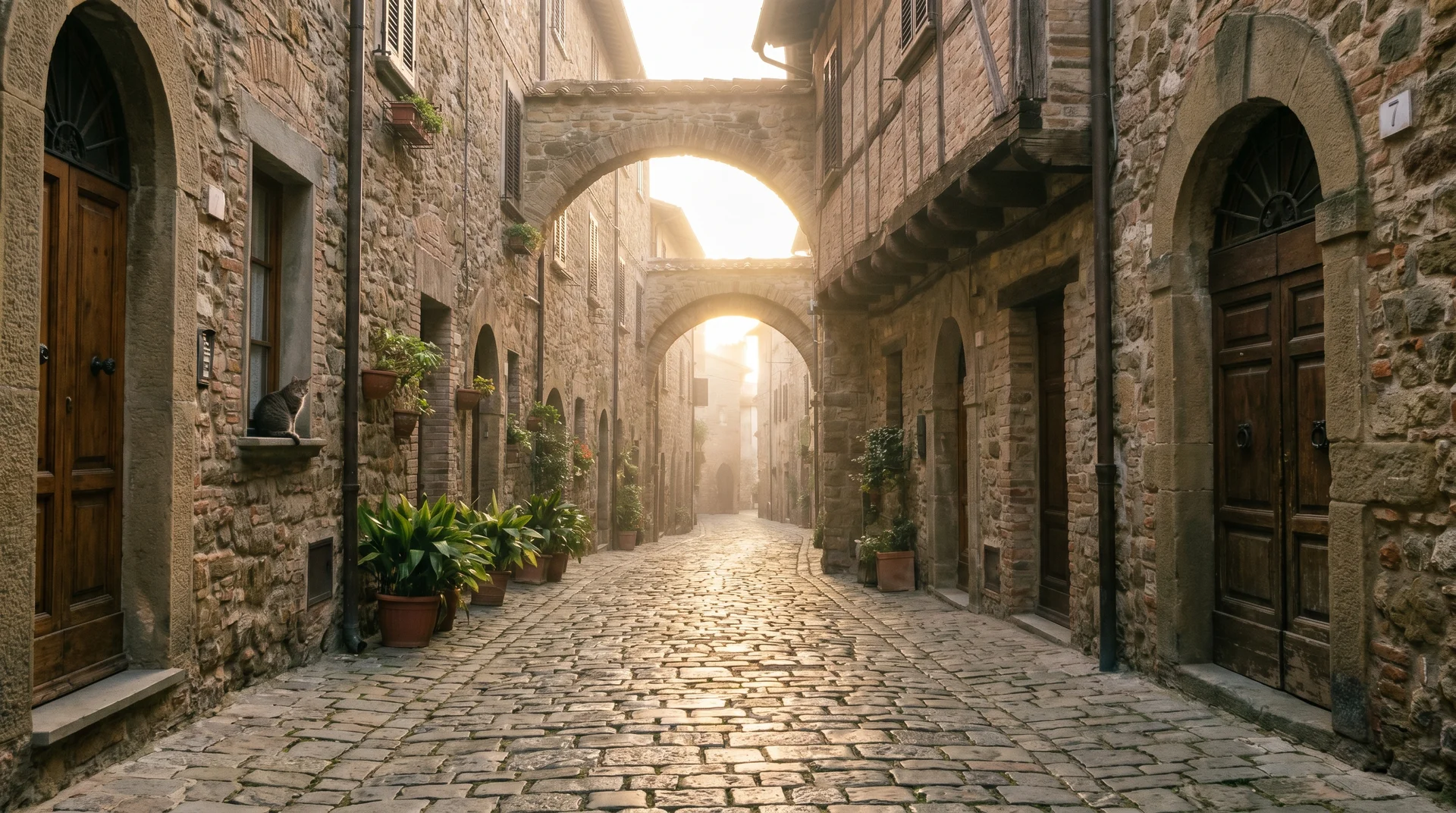
You step right out of your door and onto the path leading to the Guaita and Cesta towers. For a full overview of what those towers offer, the Three Towers of San Marino guide covers tickets, viewpoints and what to expect inside.
Pros of staying in the Old Town:
- Phenomenal sunrise views over the Apennines, completely free of crowds
- Empty streets for photography before mid-morning
- Immediate walking access to the Basilica, Palazzo Pubblico, and museums
Cons of staying in the Old Town:
- Strict ZTL vehicle ban - you cannot drive to your hotel door
- Steep uphill walks after parking in the lower lots
- Cooler temperatures at night due to the high altitude, especially from October onwards
Practical hotel booking tip for the Historic Center: Properties here are small and limited in number. Look explicitly for hotels mentioning "convenzionato" or "parking agreement" in their descriptions, which signals they have arrangements with the public lots. Rooms facing the valley side of the mountain consistently outperform interior courtyard rooms in terms of view quality, worth filtering specifically for this when comparing options.
Certain established 3-star and 4-star properties near the main gates provide strong winter heating and immediate access to the city walls.
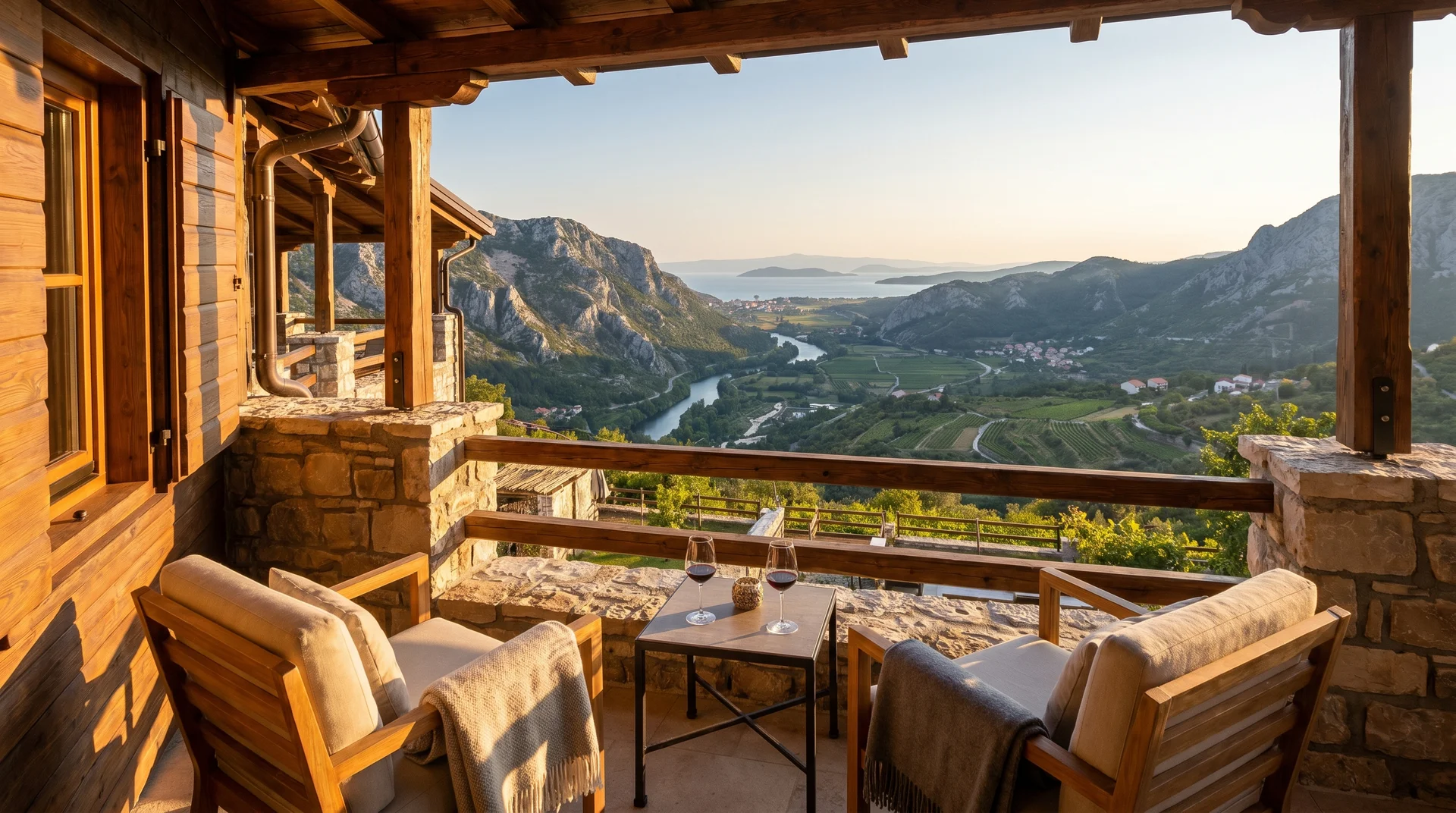
Rooms on the upper floors often feature private terraces with panoramic valley views. Check availability in San Marino's Historic Center
Borgo Maggiore: Best for Drivers and Cable Car Access
Sitting directly beneath Mount Titano, Borgo Maggiore is the strategic choice for road trippers and anyone arriving by car. This area functions as the practical base camp for visitors who want to avoid the stress of the upper mountain roads.
The vibe is more residential and functional than romantic. A quick, scenic funicular ride of approximately 2-3 minutes connects this lower neighborhood directly to the heart of the historic center. The San Marino cable car guide has the full ticket prices, schedule and parking breakdown for this exact setup.
Why stay in Borgo Maggiore:
- Effortless parking directly at your hotel in most cases, no hairpin turns required
- Cable car deposits you right at the historic walls, no steep climbing necessary
- Getting back onto the main highway toward Rimini (30 km) or Bologna is significantly faster from here
- Accommodation prices run noticeably lower than the hilltop boutiques
Accommodations in the valley lean toward modern guesthouses and practical business-style hotels with private, on-site parking.
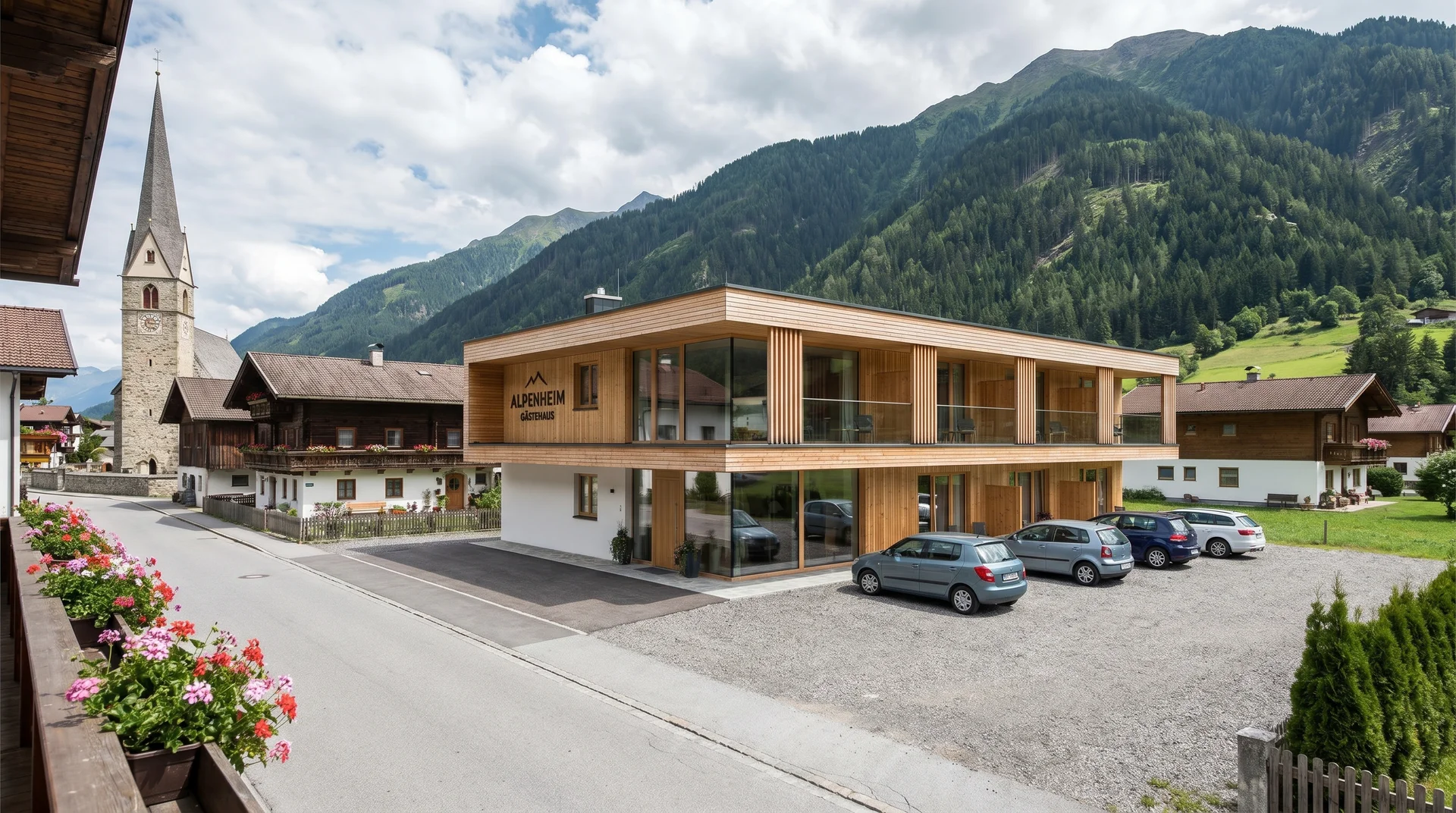
This is a highly practical setup for travelers using San Marino as a base to explore the surrounding Emilia-Romagna region. For the journey between Rimini and San Marino specifically, getting from Rimini to San Marino covers every transport option in detail.
Serravalle and Dogana: Best for Budget Travelers
Further down the mountain, right on the border with Italy, lie the districts of Dogana and Serravalle. These are the commercial hubs of the country. The terrain here is completely flat, and accommodations in these border towns are significantly more budget-friendly compared to the mountaintop boutiques.
The tradeoff is real: staying here requires a car or a reliance on the local bus system to reach the historic center. No cable car access from this zone. This makes it ideal for quick overnight stops on a road trip rather than a dedicated San Marino stay. If you are primarily interested in the duty-free shopping in this area rather than the hilltop, the location makes more sense, and San Marino's tax-free shopping scene is concentrated precisely in these lower commercial districts.
The Rimini Decision: Stay in San Marino or Base Yourself on the Coast?
This is the question most visitors face, and the honest answer depends on what you are actually prioritizing.
Stay in San Marino if:
- You specifically want the early morning atmosphere before day-trippers arrive
- You plan to spend multiple days exploring the republic's lesser-known museums and fortifications
- A hilltop medieval setting matters more to you than beach access
Stay in Rimini and day-trip if:
- You want beach time combined with a San Marino visit
- You are traveling in peak summer (July-August) and want a wider restaurant and nightlife scene
- You are price-sensitive, as coastal Rimini generally offers more accommodation value
The honest verdict on overnight San Marino: most travelers find one night is the right amount. Two nights is genuinely hard to fill unless you are deeply interested in every museum. If you are undecided, Is San Marino worth visiting lays out the honest case for and against.
Crucial Tips for Booking a Hotel in San Marino
The Parking Problem (And How to Solve It)
Driving up Mount Titano involves navigating hairpin turns and narrow lanes. The public parking lots are numbered P1 through P9, each positioned at different altitudes around the mountain.
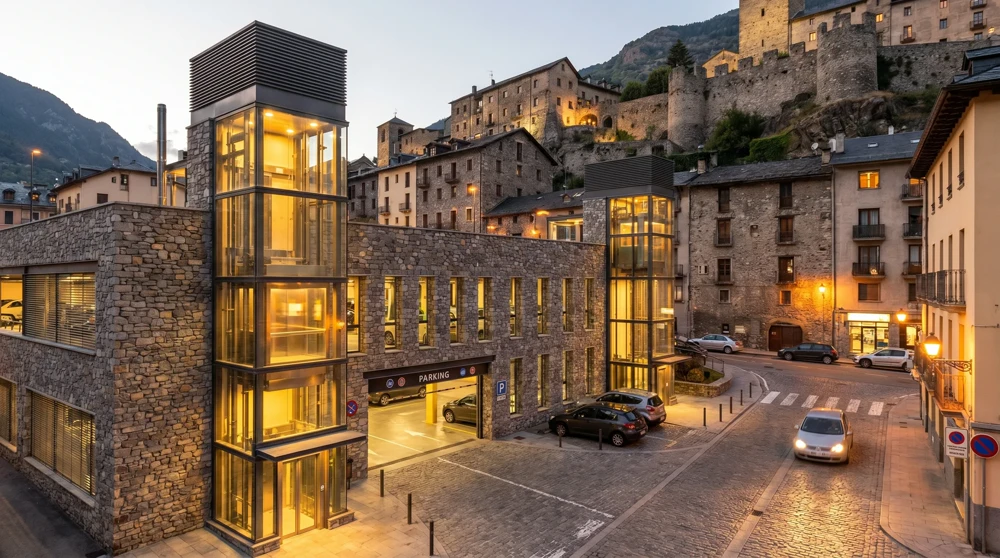
Lot P9 is the most strategic choice for travelers staying at the top of Mount Titano. This multi-level covered garage features elevators that carry you directly up through the rock face into the lower section of the historic old town, bypassing several hundred steps. The hotel-affiliated rate of €6 per night applies when your hotel provides a validated voucher at check-in. Standard daily rates run €8 for a full day.
Always contact your chosen hotel in advance to confirm which specific lot number is closest to their entrance and whether they participate in the discounted parking scheme.
Accessibility and Luggage
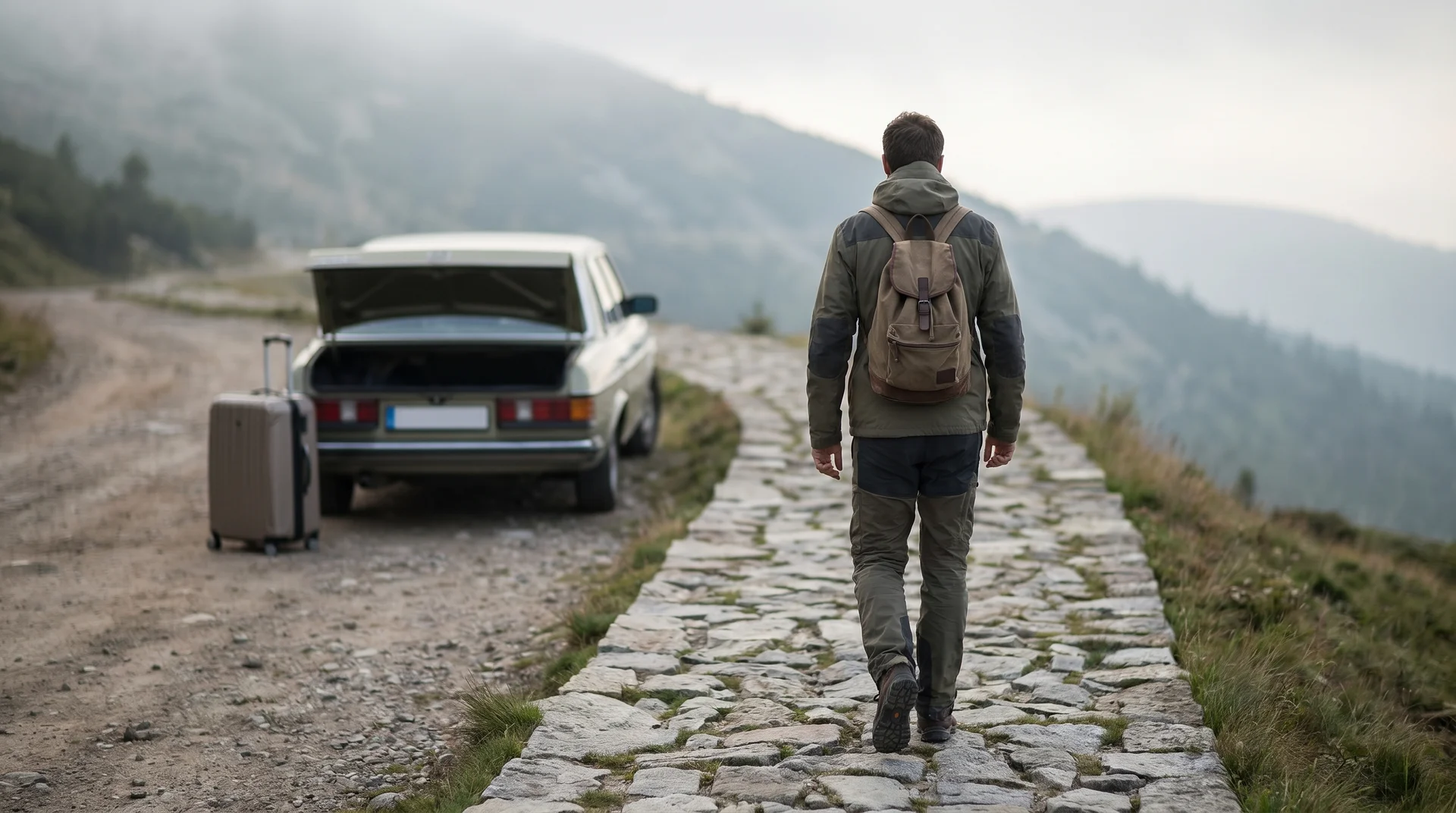
The cobblestones are highly uneven. Rolling a hard-shell suitcase across the historic center is loud and physically demanding in a way that becomes exhausting quickly.
Smart travelers leave their main, bulky luggage locked in the trunk of their car in the lower parking lots. Packing a lightweight backpack with just the essentials for a night or two transforms the entire San Marino experience from a logistical headache into a seamless hilltop retreat. Hotels in the historic center are generally understanding about this and can store luggage if you arrive early or check out late.
When to Book (Seasonal Considerations)
San Marino's accommodation pool is small. Peak season runs from June through August, when the republic's 3+ million annual visitors are most concentrated. Booking 4-6 weeks in advance is sensible for this window.
Late September through November offers a compelling alternative: noticeably lower prices, thinner crowds, and the autumn light on the Apennines is exceptional. Winter weekdays (January to March) see the fewest visitors of all, and the historic center takes on a genuinely atmospheric quality that summer cannot replicate.
For a full picture of how the calendar affects your visit, the best time to visit San Marino breakdown covers crowd levels, weather and local festivals by month.