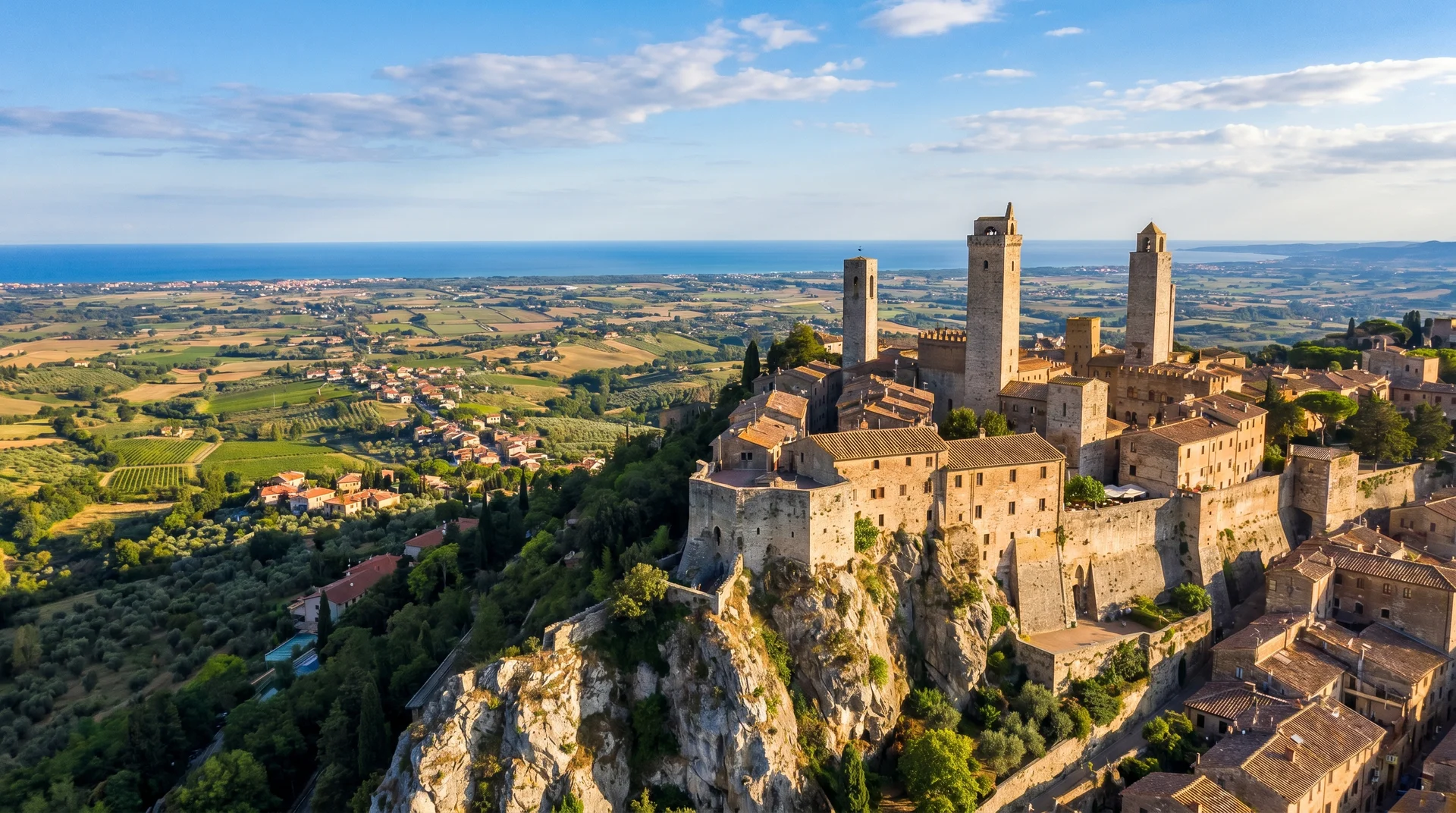
Getting stuck behind a slow-moving tour group on the steep, sun-baked cobblestones of Monte Titano in mid-July easily ruins the magic of Europe's oldest republic. Timing your visit correctly means the difference between battling scorching heat alongside thousands of day-trippers and having ancient medieval towers almost entirely to yourself.
- Peak Season: June to August (high temperatures, massive midday crowds)
- Shoulder Season: May, September, and October (mild weather, clear skies, best overall value)
- Winter: November to April (cold, potential snow, reduced operating hours)
- Cable car: single €2.80, return €4.50, runs from 7:50 AM (summer service until 1 AM)
- Overnight guests receive the Tutto San Marino Card, giving 50% off private museums
When to Visit San Marino: Season by Season
Summer (June to August): Heat, Crowds, and Long Evenings
The Mediterranean climate pushes temperatures regularly above 25°C (77°F), with July and August frequently hitting 30°C on the exposed ridgeline. The steep climbs between the Three Towers become genuinely physically demanding once the sun reaches its midday peak. Buses from the Adriatic coast, just 25 kilometers away at Rimini, deposit hundreds of day-trippers by late morning, and the narrow cobblestone streets between the Guaita and Cesta towers fill fast.
If a summer visit is unavoidable, take the first cable car up from Borgo Maggiore at opening time, ideally before 9 AM, to beat the main rush. The San Marino cable car runs from Borgo Maggiore to the Il Cantone viewpoint in two minutes, and early in the morning you can have those panoramic views across the Adriatic almost to yourself. By noon, the queue tells a different story.
One genuine advantage of summer: the long evenings. The cable car operates until 1 AM in July and August. Once the last day-trip buses leave in the late afternoon, the Old Town begins to breathe again. The illuminated stone walls and empty piazzas after dark are genuinely worth experiencing, which is why staying overnight makes such a difference to a summer visit.
Shoulder Seasons (May, September, October): The Real Sweet Spot
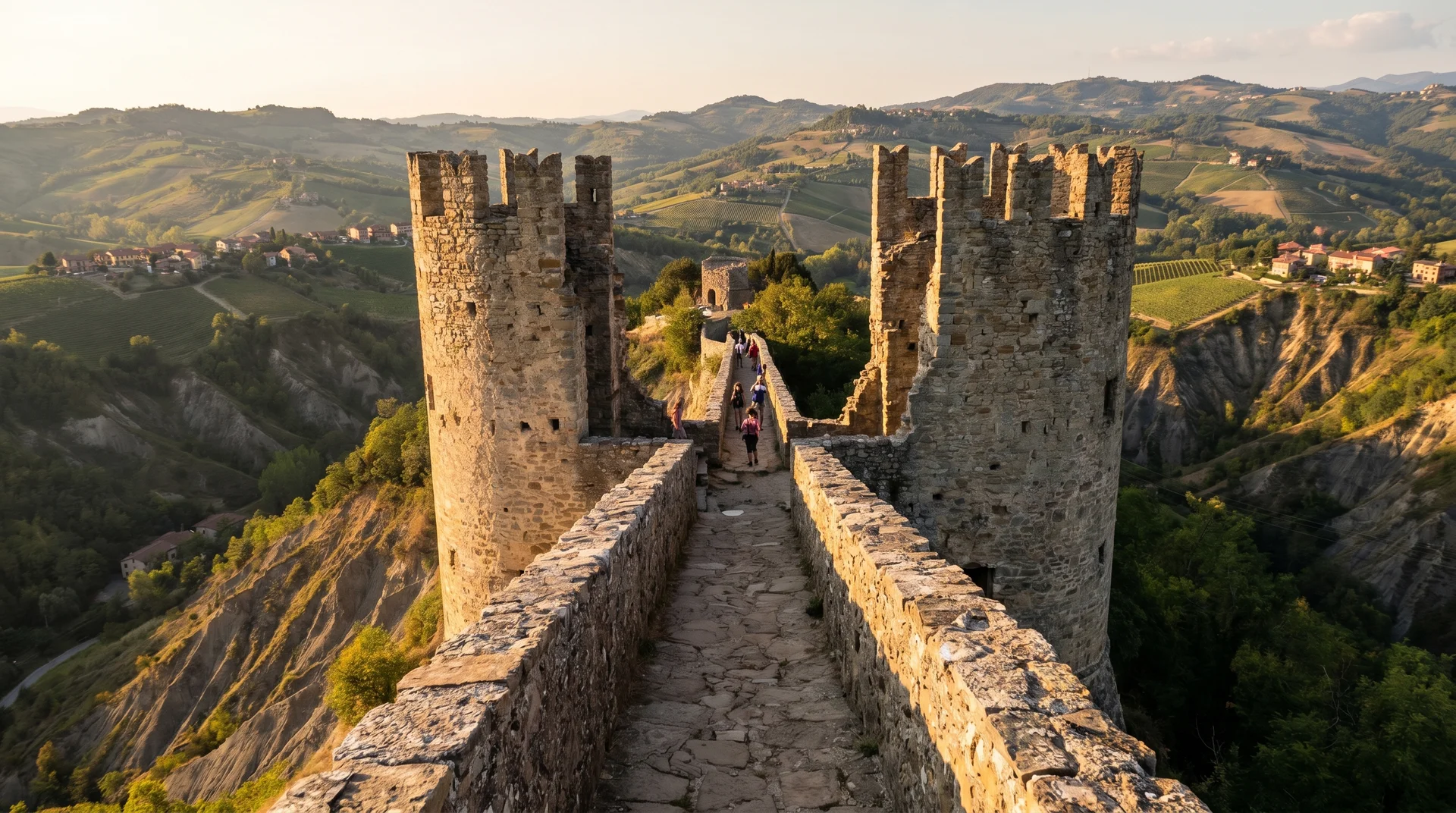
This is the window most experienced visitors target. Temperatures sit between 18°C and 24°C, perfect for hiking the Passo delle Streghe, the scenic path that connects the Guaita and Cesta towers along the ridgeline. Ticket prices and what to expect inside each fortress are in the Three Towers of San Marino guide. The heavy summer crowds thin out significantly, and clear autumn skies produce the most expansive views, stretching all the way to the Adriatic without having to fight for space at the Il Cantone viewpoint.
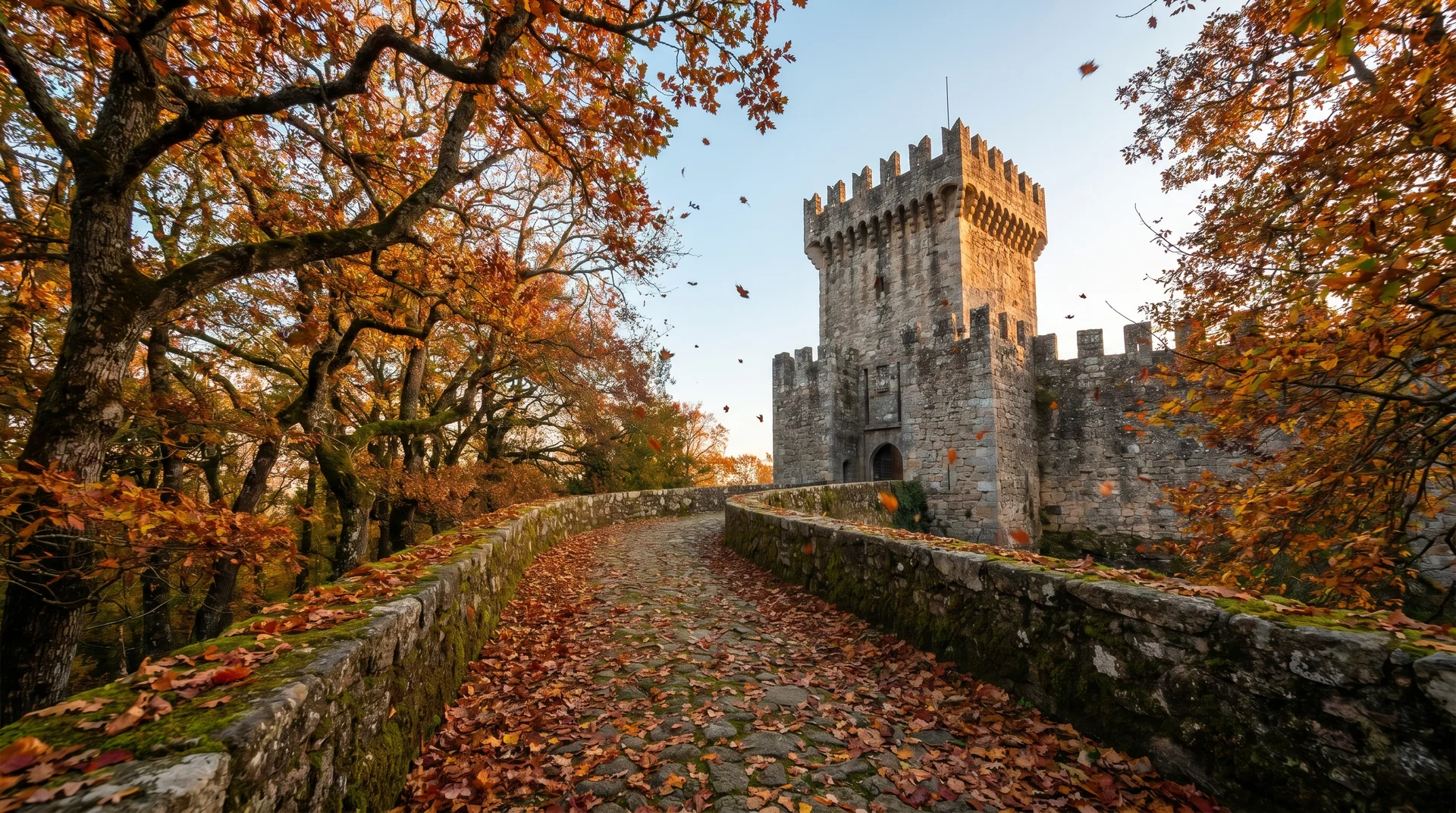
May brings wildflowers on the slopes below Monte Titano and an events calendar that picks up without the August intensity. September is arguably the finest single month: still warm, dramatically fewer crowds than summer, and the Feast of Saint Marinus on September 3 adds genuine local atmosphere rather than tourist-facing spectacle. October sees temperatures dropping but the valley foliage turning, and visitor numbers drop further still.
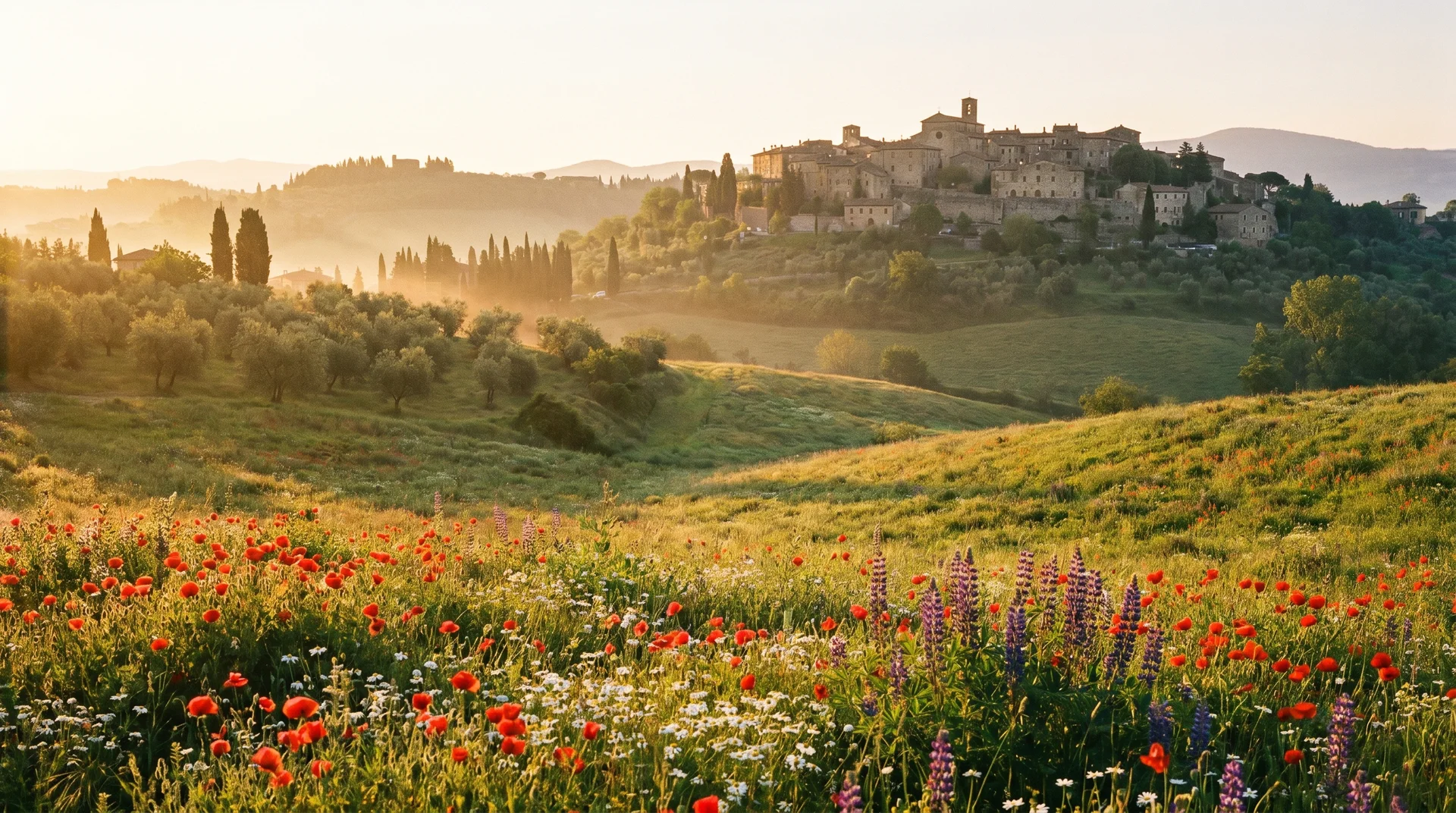
Accommodation prices reflect all of this. Shoulder season rates sit noticeably below summer peaks, and the same rooms near the historical gates that fill weeks in advance in July are bookable days before in late September.
Winter (November to April): Solitude and Snow
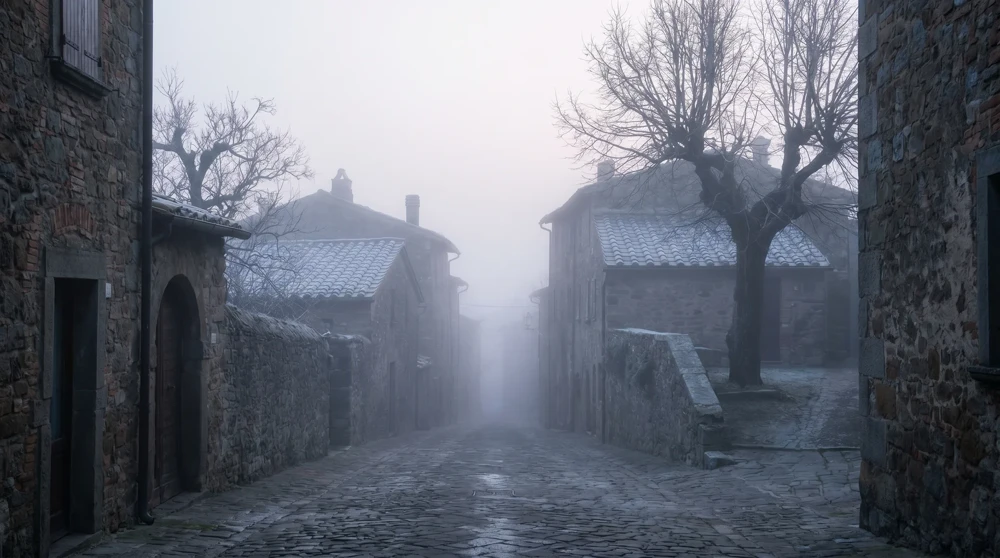
Winter brings a completely different, moody atmosphere to the mountain. November usually sees the most rain, with frequent cloud cover rolling in from the Adriatic that can reduce visibility on the towers.
The later winter months, particularly January and February, often dust the ancient defense structures in snow, which creates striking photography conditions but demands proper footwear on the steep paths.
Many tourist-focused restaurants and shops close entirely during the off-season or operate on reduced schedules. Expect some of the smaller museums to have shortened hours. The cable car still runs, but only until 6:30 PM in January and February, compared to 1 AM in high summer, so your exploration window is shorter.
What you gain is a solitary experience that simply isn't possible in any other season. Utter silence in the narrow alleys. The Palazzo Pubblico with no crowds. A perspective on one of the world's oldest states that most visitors never see.
Day Trip vs. Overnight Stay: Why Timing Matters More Than Season
Most visitors treat San Marino as a quick stopover on the way to Rome or Florence, arriving mid-morning and leaving by late afternoon. This strategy traps you squarely in the busiest hours. The day-trip window from Rimini by shuttle bus takes around 50 minutes each way and costs roughly €5 to €8, making it logistically simple, but it deposits you exactly when everyone else arrives.
Staying overnight completely shifts the experience. Once the last bus leaves, the Old Town empties out. If you only have one day, the San Marino day trip itinerary shows how to cover the main highlights efficiently. Illuminated stone walls and quiet piazzas are yours to explore freely. Overnight guests receive the Tutto San Marino Card, which covers a 50% discount on private museums and 10% reductions at participating shops, meaning the card alone can offset much of the accommodation cost against a day of museum visits.
Google Maps becomes unreliable inside the historic center because the streets operate on multiple vertical levels connected by steps and tunnels. Arriving the evening before gives you time to orient yourself before the crowds arrive.
Key Festivals to Plan Around (or Avoid)
Local celebrations fundamentally alter how the city feels. Accommodations near the historical gates fill weeks in advance for major events, and parking reaches capacity early in the morning.
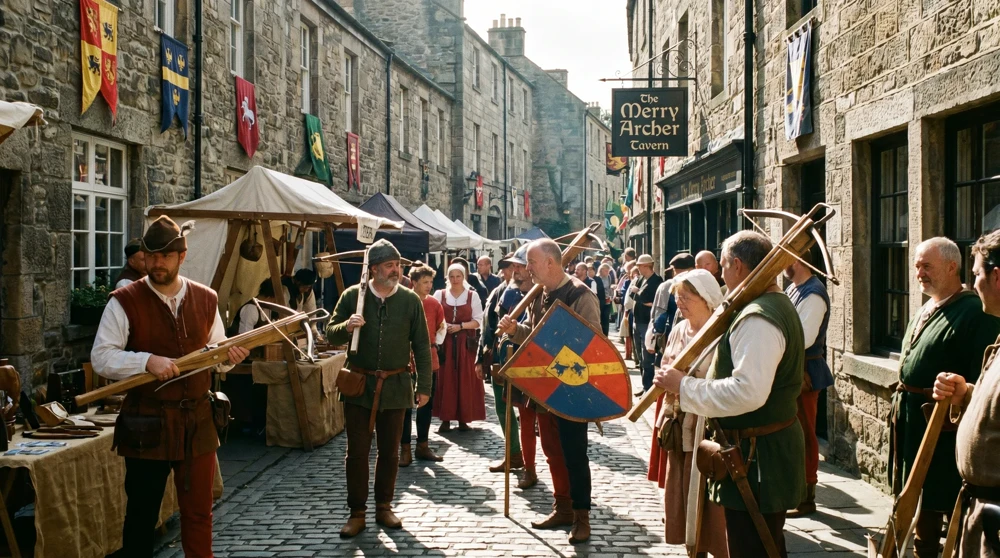
Medieval Days (Late July)
The entire historic center transforms for three days in late July (July 25-27 in 2025; 2026 dates typically fall in the same window). Crossbow tournaments have been documented in San Marino since 1537, with historical records stretching back to 1295. Flag-throwing, historical reenactments, and artisan demonstrations take over the main squares. The area gets genuinely crowded during peak evening hours, making restaurant reservations essential. If atmosphere is what you are after, this festival delivers it at a cost of navigating very tight streets.
Feast of Saint Marinus (September 3)
The most important national holiday celebrates the foundation of the republic. Military parades, traditional crossbow competitions, and a fireworks display over the valley draw significant crowds, but the atmosphere carries genuine local pride rather than the tourist-facing quality of summer. September 3 falls in the shoulder season sweet spot, so combining the holiday with a few surrounding days makes sense for most visitors.
Rallylegend (October, Typically Second Weekend)
San Marino hosts one of Europe's most distinctive historic rally events in early October. Rallylegend 2026 is scheduled for October 8-11. The event brings historic competition cars through the streets of the republic, with stages run on closed roads. Accommodation books out well in advance for this weekend, and if motorsport is not your interest, it is worth avoiding that specific window.
Christmas of Wonders (December)
The winter cold is offset by festive markets and light displays scattered across the mountain. The setting among medieval castles makes even a modest market feel atmospheric. Wind chill at the peak can be significant, so dress for conditions several degrees colder than the valley below suggests. The MotoGP San Marino Grand Prix, held at the nearby Misano circuit in September, also draws substantial regional traffic that spills into accommodation availability.
Photography and the Golden Hours
Harsh midday sunlight washes out the intricate stonework of the Palazzo Pubblico and creates deep shadows along the narrow paths between towers. The golden hours just after sunrise and right before sunset offer the best lighting conditions for the towers, which face broadly east-west along the ridgeline.
Early risers can capture the cobblestone path leading up to the Guaita Tower with no one in frame. The cable car's early morning start at 7:50 AM makes this practical even in summer. Arriving at the upper cable car station at opening and walking directly to the Guaita Tower takes under ten minutes and delivers a completely different experience from the same path three hours later.
Getting the Timing Right on Entry
The shuttle bus from Rimini departs on a fixed schedule, and the buses can leave ahead of schedule during busy periods. Full timetable and ticket details are covered in the Rimini to San Marino guide. Seats are not guaranteed in peak summer. If you are catching the first bus of the day to arrive before the crowds, leave buffer time at the Rimini stop. The bus takes roughly 50 minutes to climb to the republic, so the first practical arrival window is typically around 9 to 9:30 AM.
Driving is an option for flexibility, but note that the historic center is entirely pedestrian-only. Parking is available at the base near Borgo Maggiore, where the cable car also departs. Combining a car journey with the cable car up is a practical approach that avoids the bus schedule entirely.