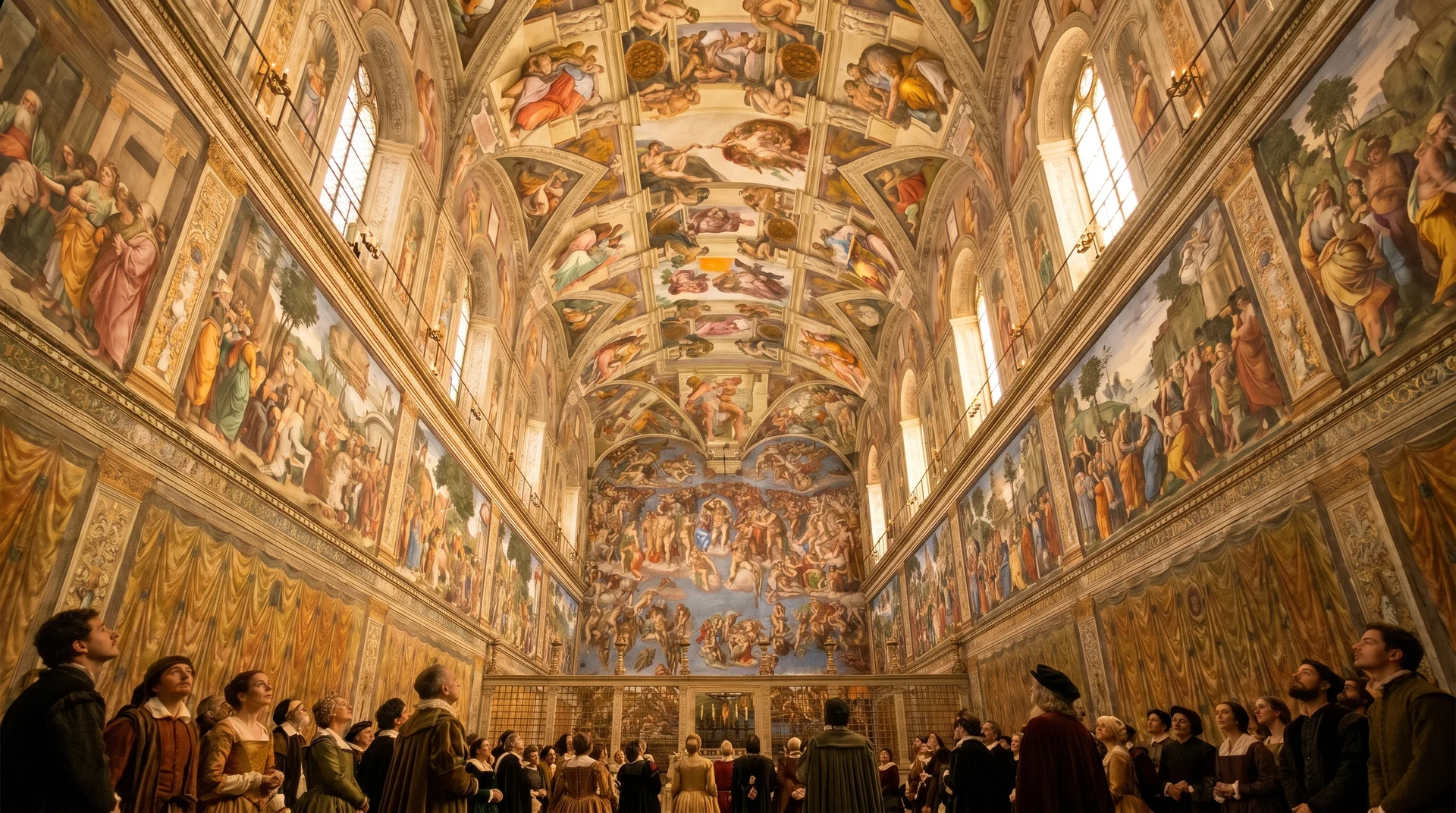
Walking out of the Vatican after a three-hour tour leaves you exhausted, starving, and vulnerable to aggressive waiters waving laminated menus on every corner. The neighborhoods surrounding the Holy See are packed with restaurants designed to strip tourists of their money, serving overpriced frozen food to people too tired to walk an extra block. Finding a genuinely good meal here is entirely possible - but it requires knowing exactly which side streets hide the authentic Roman trattorias and which main avenues lead straight into a tourist trap.
The Vatican Dining Geography: Museums vs. Basilica
The first thing most visitors get wrong is treating the Vatican as a single compact zone. The walls are massive. The Vatican Museums entrance on Viale Vaticano and St. Peter's Basilica in Piazza San Pietro sit a solid 20-minute walk apart, and the dining options around each exit are quite different.
If your Vatican Museums visit ends at the Sistine Chapel exit, you emerge near the northern edge of the Prati district - a residential neighborhood with proper local trattorias, coffee bars, and authentic street food. If you just finished climbing the dome of St. Peter's Basilica, you exit near the Borgo district, which is a narrower, more tourist-heavy corridor running between the Tiber and the Vatican walls.
Always plan your restaurant based on which exit you actually use, not on a vague sense of "the Vatican area." The ten-minute effort to walk toward Prati instead of stopping on Via della Conciliazione will save your meal entirely.
Red Flags: How to Spot a Tourist Trap
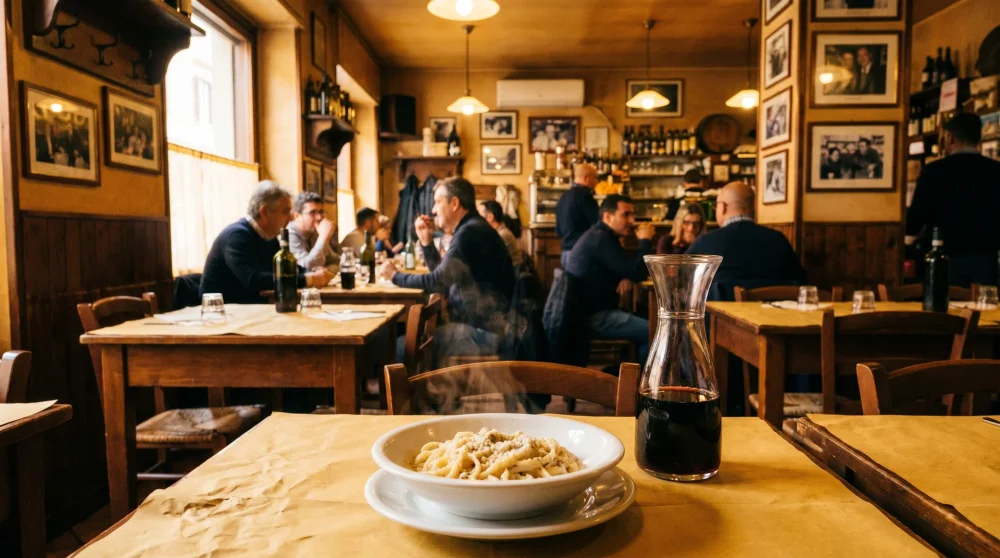
You need to identify a bad restaurant before you sit down. The streets around the Vatican walls are full of places built solely to extract money from tired tourists.
Menus in six languages with laminated photos are the clearest warning sign. Authentic Roman kitchens cook seasonally. A thick, heavy menu featuring faded photographs of "Spaghetti Bolognese" and hamburgers means the kitchen runs on freezer stock. A short chalkboard menu or a single handwritten page signals a chef who actually cares about the day's ingredients.
A host standing outside blocking your path is equally telling. The best trattorias in Rome are busy feeding locals and returning visitors. No genuine neighborhood kitchen needs someone on the pavement offering a "special tourist deal." If someone is actively trying to pull you inside, keep walking.
Empty dining rooms at peak lunch hours (between noon and 2 PM) tell you everything about where the locals choose to eat. A busy, slightly chaotic trattoria with a mix of Italian and foreign faces is almost always the right call over a spotlessly empty, polished dining room on the main avenue.
Best Places to Eat Near the Vatican Museums Exit
When you finally escape the crowds of the museum halls, the Prati district just north of the exit offers the best concentration of genuine options in the area.
Quick Bites and Roman Street Food
Pizzarium di Gabriele Bonci on Via della Meloria is the most important food stop in this part of Rome. Grab a number, point at your slices, pay by weight, and eat standing outside. The dough undergoes a 72-hour fermentation, producing a base that is impossibly light and crispy. Toppings rotate based on what is fresh and in season, so the menu genuinely changes daily. Bonci has earned three wheels in the Pizzerie d'Italia guide and is widely recognized as one of Italy's finest pizza makers. The supplì (fried rice balls) are also excellent. Arrive early or after the main lunch rush to avoid the longest queues.

Mercato Trionfale is a short walk down Via Santamaura and represents a completely different dining experience. This sprawling indoor local market is loud, authentic, and entirely unpretentious. The cold meat stalls will slice fresh porchetta and hand you a greasy, paper-wrapped sandwich that costs a fraction of what any sit-down restaurant charges nearby.
Authentic Sit-Down Trattorias
Osteria delle Commari manages to feel genuinely quiet despite its location steps from the museum exit. The dining room is compact and warmly lit, the kind of place that fills with local office workers at lunchtime. Order the cacio e pepe - it is sharp, properly creamy, and made with fresh tonnarelli. The kitchen also handles vegetarian requests with more care than most places in this area.
Dino e Toni is a proper Roman trattoria operating at honest prices with paper tablecloths and house wine served by the carafe. It does not stand out from the street, which is precisely the point. The owners have been running this place for decades and the food reflects that accumulated knowledge of simple, well-executed Roman cooking.
Best Places to Eat Near St. Peter's Basilica
Exiting Piazza San Pietro leaves you facing Via della Conciliazione - one of the most tourist-dense streets in Rome. Avoid eating directly on this thoroughfare entirely. Duck into the side streets of the Borgo district instead.
Sandwiches and Pizza on the Go
Duecento Gradi sits right on Piazza del Risorgimento. The interior is cramped and the queue moves quickly. They assemble custom sandwiches to order on fresh bread baked on the premises. The roast beef option is clean and well-constructed. This is a reliable grab-and-go choice before heading toward the river or the museum entrance.
Bono Roma near Porta Cavalleggeri applies a deceptively simple concept with serious execution. High-end Italian cold cuts paired with freshly baked bread makes for one of the better quick meals in the Borgo area. The Monti panino - mortadella, brie, and pistachio - is the standout order.
Mordi at Borgo Pio deserves a mention for anyone walking the medieval street of Borgo Pio itself. The Rione Borgo panino is the one to order.
High-Quality Dinners and Wine
La Zanzara on Via Crescenzio 84 functions simultaneously as a bistro, restaurant, and wine bar. The design is airy and vintage, the atmosphere is distinctly local Prati rather than tourist Rome. You can sit down for a full meal or arrive for aperitivo hour and work through small plates and a good glass of local wine. The eggplant parmesan portions are consistently excellent. It is the most versatile option in the neighborhood for evening dining.
L'Arcangelo requires a short walk but consistently delivers. Chef Arcangelo Dandini runs a focused kitchen in the Prati backstreets, serving deeply flavored, elegant versions of classic Roman recipes. The carbonara here ranks among the best in the city. If you visit on a Thursday, the traditional gnocchi is mandatory - the Roman Thursday pasta tradition is observed strictly here. Reserve in advance for dinner.
If you want to experience the food culture more deeply with expert guidance,
to get insider access to the best hidden spots in Prati and beyond.
Specialty Stops: Coffee and Gelato Without the Markup
You do not need to settle for overpriced espresso or artificial neon gelato just because you are near a major monument.
Sciascia Caffè
Sciascia Caffè on Via Fabio Massimo is a historic bar with dark wood panels and a rich, enveloping coffee aroma. The espresso here is genuinely exceptional - one of the most cited spots in the area by Romans themselves. Crucially, you can sit at a table without an absurd service charge appearing on the bill, which is rarer near tourist monuments than it should be.
Gelateria dei Gracchi
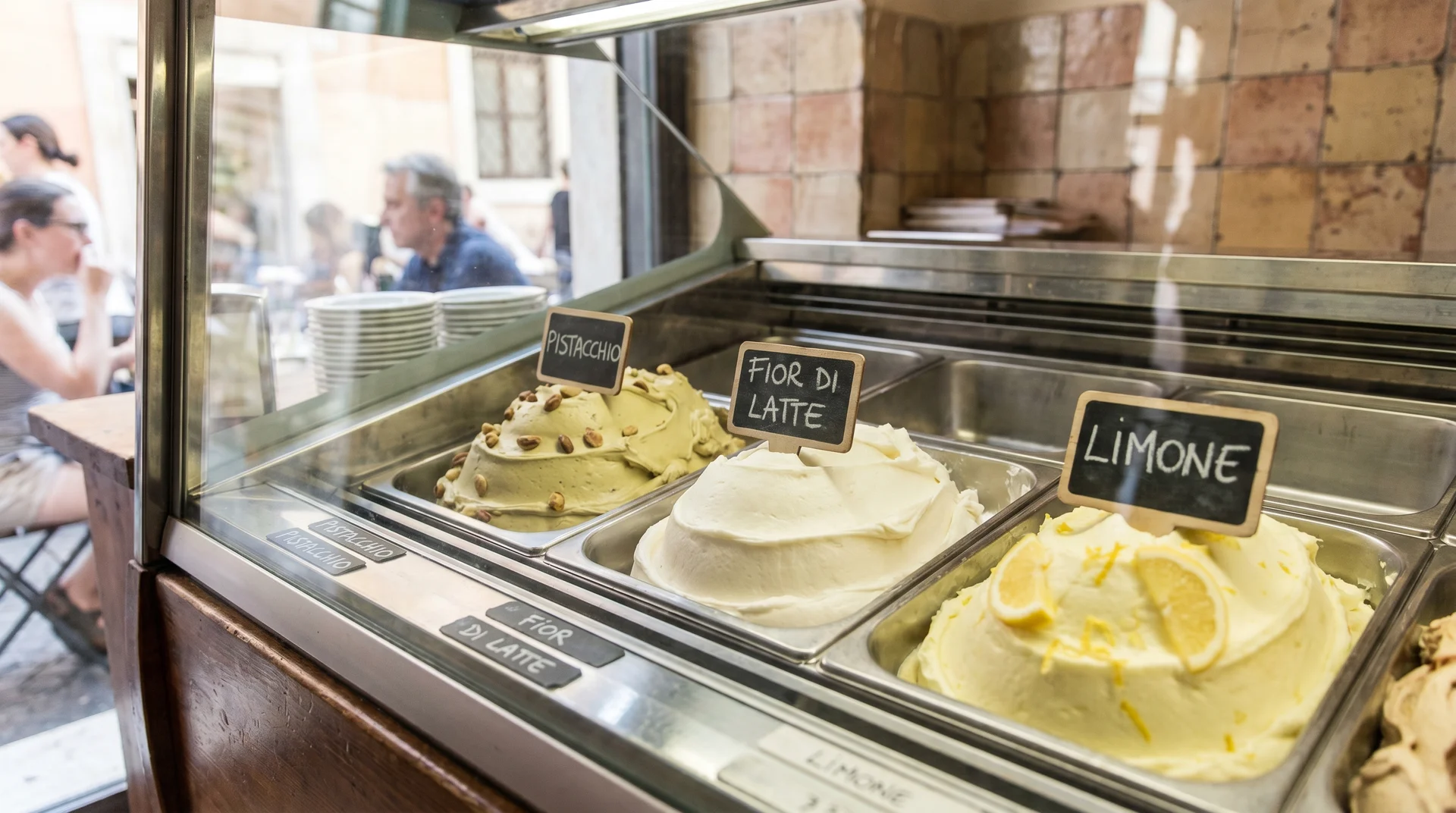
Real artisanal gelato is identifiable by its colors. At Gelateria dei Gracchi, the display case shows muted, natural tones. Pale brownish-green pistachio. Off-white banana. No fluorescent mountains, no artificial toppings. The hazelnut and pistachio flavors are intensely dense. The queue moves quickly and grabbing a cone here is the perfect way to close out your time in this part of Rome.
Practical Timing and Reservation Notes
Reservations are essential for sit-down dinners in Prati, particularly at L'Arcangelo. For lunch, aim to arrive either at 12:30 before the local rush or after 2 PM once the main crowd disperses. True Roman trattorias fill completely between 1 and 2 PM with neighborhood regulars, which is exactly when tourist traps try to convert desperate, hungry visitors.
For dinner, genuine neighborhood kitchens in Rome rarely open before 7:30 PM. Any restaurant advertising dinner service starting at 6 PM is almost certainly catering exclusively to tourists.
If you are planning a broader visit to the historic center, check the full 4 Days in Rome itinerary for restaurant timing advice across all major sites, or review getting around Rome to plan the walk from your accommodation to the best Prati dining options.