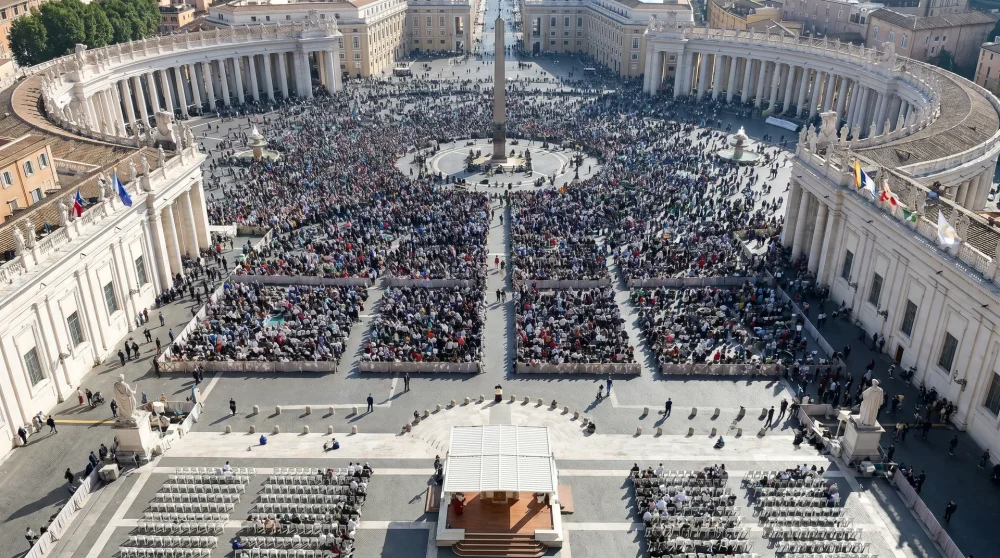
Getting tickets for the Vatican Scavi Tour is notoriously frustrating due to an archaic booking system and an ultra-strict daily cap. Relying on vague information often results in missing out on the most exclusive archaeological site in Vatican City. Navigating the official Ufficio Scavi process directly secures your spot without agency markups.
- Ticket price: €13 per person, including an expert guide
- Daily capacity: Approximately 250 visitors total
- Duration: Approximately 90 minutes
- Age restriction: Strictly 15 years and older
- Dress code: Shoulders and knees must be covered
- Photography: Strictly prohibited inside the excavations
What Makes the Vatican Necropolis Tour Unique
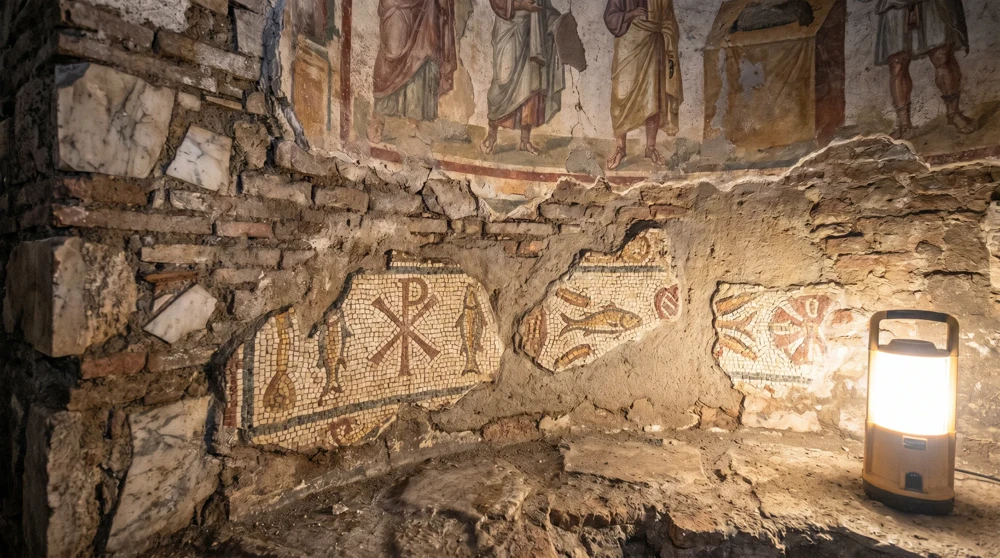
Most visitors rushing through the Vatican Museums never realize that an entire ancient city rests beneath their feet. The Scavi Tour takes you deep underground into a 1st-century Roman necropolis featuring both pagan and early Christian mausoleums. The deeper you go, the older the structures become.

The air is heavy, humid, and warm down there - even in summer, temperatures underground temperatures underground remain a stable, cool 20-25°C year-round, a contrast to Rome's summer heat above rather than offering cool relief. Bring water. The ancient brick pathways are extremely narrow. You follow the historical progression of shrines built directly over one another throughout the centuries - from pagan burial chambers at the base all the way to the medieval basilica foundations above.
The culmination of this descent is a peer around a protective wall to see the actual bones of St. Peter resting directly beneath Michelangelo's dome and Bernini's Baldacchino. Very few tourists ever reach this point. That exclusivity is exactly why the booking process is so demanding.
The Archaic Booking Process: How to Request Tickets
The Ufficio Scavi operates on a strict, manual request system rather than a modern calendar booking engine. You cannot simply click a date and buy a ticket. Requests must be sent directly to the Excavations Office either through their dedicated online form at scavi.va or by fax.
Send your request months before your trip to Rome. Demand completely eclipses supply, often making this the hardest ticket to obtain in the entire city. Keep your message entirely transactional and omit any personal stories about why you want to visit - the office processes thousands of these requests and looks only for specific data points.
Required Information for the Ufficio Scavi
To get a response, your application must contain the precise details the office requires. Missing even one piece of information usually results in a silent rejection.
- Exact number of participants
- Full names of every participant
- Preferred language for the guide (English, Italian, French, German, Spanish available)
- All possible dates you are available - write the month out fully, e.g., 1 October 2026 to 8 October 2026
- The primary contact's email address
Providing a wide range of available dates drastically increases your chances of approval. Stay as flexible as your itinerary allows. The office cannot accommodate rigid single-date requests given how oversubscribed the tours are.
Ticket Prices and Online Payment
If the Excavations Office assigns you a time slot, they send an email detailing your granted visit. This confirmation includes a secure link to pay online.
The cost is a flat €13 per person, which is exceptionally reasonable for an intimate, 90-minute expert-led tour of one of the most restricted sites in the world. No price reductions are given for any reason - students, seniors, and children all pay the same rate.
You have exactly 10 days to complete this credit card payment, otherwise your reservation is instantly forfeited to the next person on the waitlist. Do not delay payment once the confirmation email arrives.
Strict Rules You Must Know Before Arriving
A visit to the subterranean levels of Saint Peter's Basilica takes you into a highly secure and profoundly sacred area. The Swiss Guard and Vatican security enforce the rules without exceptions or sympathy for tourists.
Age Restrictions
Only individuals aged 15 and older are allowed into the excavations. This rule is absolute and enforced at the security checkpoint. The tour is entirely unsuitable for families with younger children - there are no exceptions, regardless of maturity level.
Bring valid identification or passports. Age verification is standard practice, and security will turn away underage visitors even with a confirmed booking.
The Vatican Dress Code
Appropriate dress is mandatory at all Vatican sites, and the Scavi entrance is no different. You must cover both shoulders and knees completely. No shorts, no short skirts, no sleeveless tops.
Even during the sweltering peak of the Italian summer, security immediately turns away anyone failing to meet this dress code. Plan your clothing carefully - there is no changing area or cover-up shop at the Scavi entrance.
High Humidity and Claustrophobia Warnings
The environmental conditions inside the necropolis are radically different from the basilica above. The temperature is warm, and the humidity is thick and heavy.
The paths squeeze through very tight ancient brick walls and low ceilings. If you suffer from severe claustrophobia or have respiratory or physical issues aggravated by heat and cramped spaces, reconsider this specific activity. There are no quick exit points once the guided walk begins.
The Zero Photography Policy
Do not bring out your phone or camera once past the security checkpoint. Photography inside the Scavi is strictly forbidden to preserve the archaeological integrity of the site and maintain the solemn atmosphere of the burial grounds.
All bags including backpacks must be left at the official cloakroom before entering - no exceptions. Large backpacks and luggage must be left at the main Vatican baggage storage before arriving at the Ufficio Scavi entrance.
Finding the Entrance
The Ufficio Scavi entrance is not at the main Vatican Museums gate, nor through St. Peter's Square. Walk left (south) around the exterior of the Basilica until you reach a separate gate manned by Swiss Guards - that is the correct access point. Most visitors in St. Peter's Square have no idea this entrance exists. Signage is minimal, so allow extra time to locate it and arrive at least 10 minutes before your scheduled start - the tour departs on time and latecomers are turned away.
The Strategic Bonus: Bypassing St. Peter's Basilica Lines
This is the most valuable logistical advantage of the entire tour. On a typical morning, the security line to enter St. Peter's Basilica wraps around the entire piazza, often requiring a wait of over an hour.
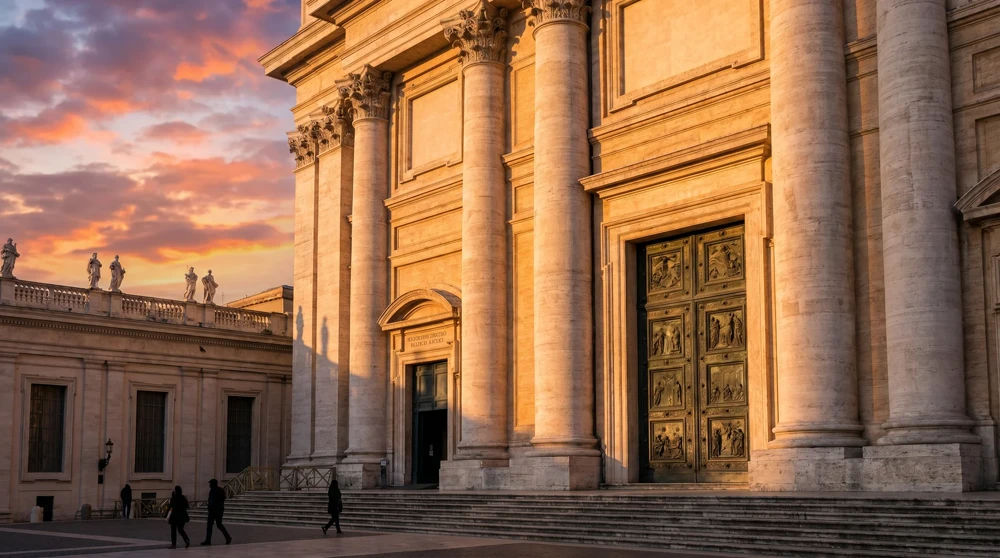
When the 90-minute Scavi tour concludes, the guide leads you up into the Vatican Grottoes - the subterranean level containing the tombs of deceased popes. From there, you walk up a short flight of stairs and emerge directly inside the main floor of St. Peter's Basilica.
You completely bypass the massive crowds outside, having already cleared security at the Ufficio Scavi entrance. This alone is worth planning around.
Read The Fisherman's Tomb Before Your Visit
Walking past ancient mausoleums holds far more meaning when you understand the dramatic 20th-century archaeological hunt that uncovered them. Before your trip, read The Fisherman's Tomb by John O'Neill.
The book details the secret excavations commissioned by Pope Pius XII during World War II and the fascinating story behind the discovery of the apostle's bones. Understanding the controversy, the secrecy, and the extraordinary architectural history transforms the tour from a simple underground walk into a compelling historical detective story.