Getting caught sneaking a photo inside the Sistine Chapel will instantly get you reprimanded by security guards in front of hundreds of people. Surviving the overwhelming crowds and navigating the strict rules of this holy site requires a solid strategy rather than just showing up with a basic ticket.
Access to the chapel is included in the general Vatican Museums admission - there is no separate Sistine Chapel ticket.
The Strict Photography and Video Ban
The no-photography rule inside the chapel is absolute. You will see guards actively patrolling the room, demanding silence and watching for anyone lifting a phone. If they catch you taking a picture, they will loudly instruct you to put the device away and may force you to delete the image on the spot.
This space is considered a place of active worship, not just a gallery. The atmosphere feels intense because the guards are constantly reminding the massive crowd to stay quiet and keep moving. Trying to capture a blurry, secretive photo simply ruins the experience for you and those around you.
Why Are Cameras Not Allowed?
The ban originally started for two reasons. Millions of camera flashes going off every day would permanently damage the delicate pigments of the frescoes. Decades ago, a Japanese television network funded a massive restoration project in exchange for exclusive photography rights.
That copyright agreement has long expired. However, the Vatican kept the strict ban in place to protect the artwork and maintain a baseline of respect in a highly congested space.
Where to Take Your Vatican Photos Instead
You can freely take non-flash photos throughout the rest of the Vatican Museums. The Gallery of Maps and the Raphael Rooms offer incredible ceilings where you can shoot without any issues.
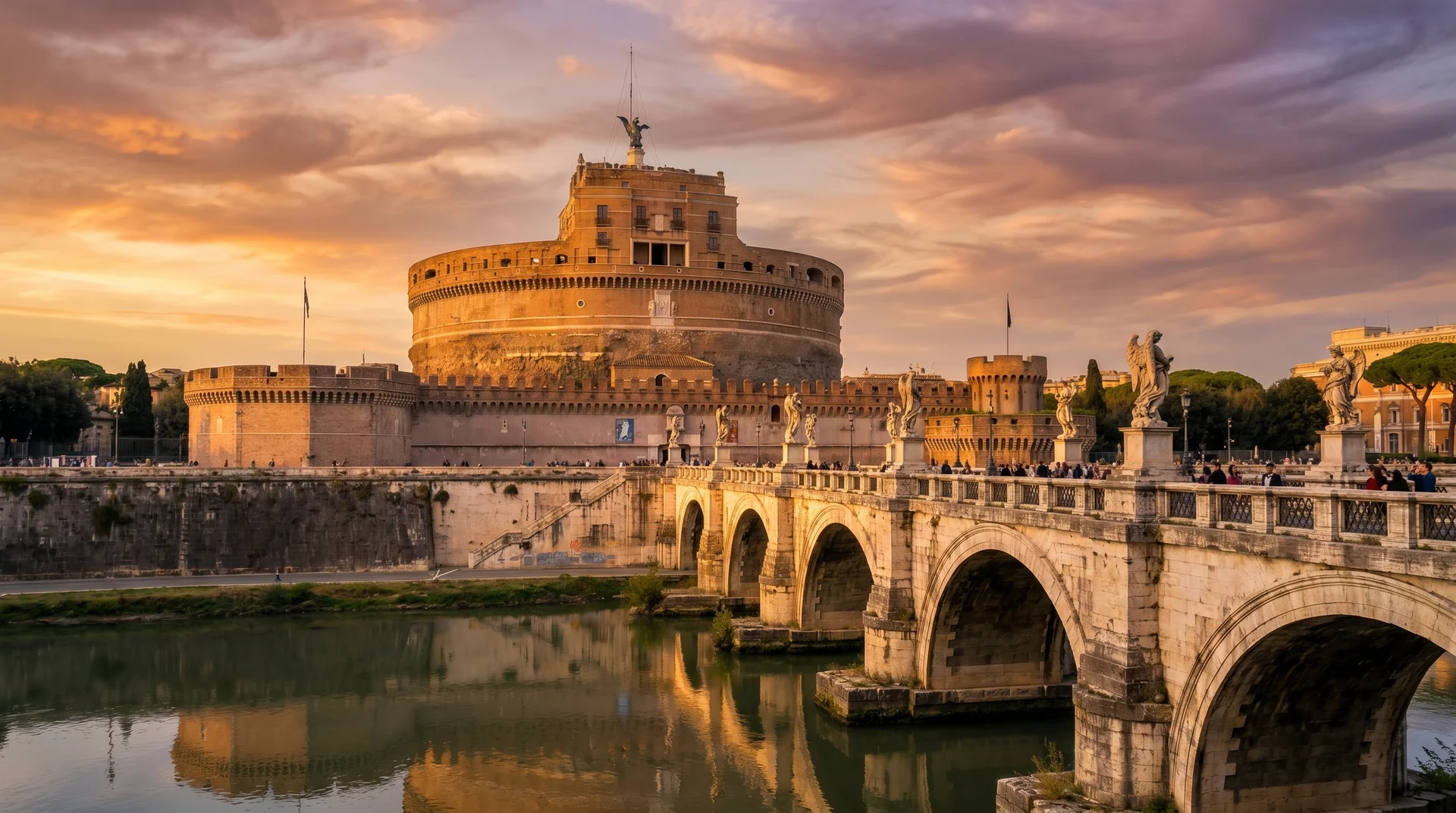
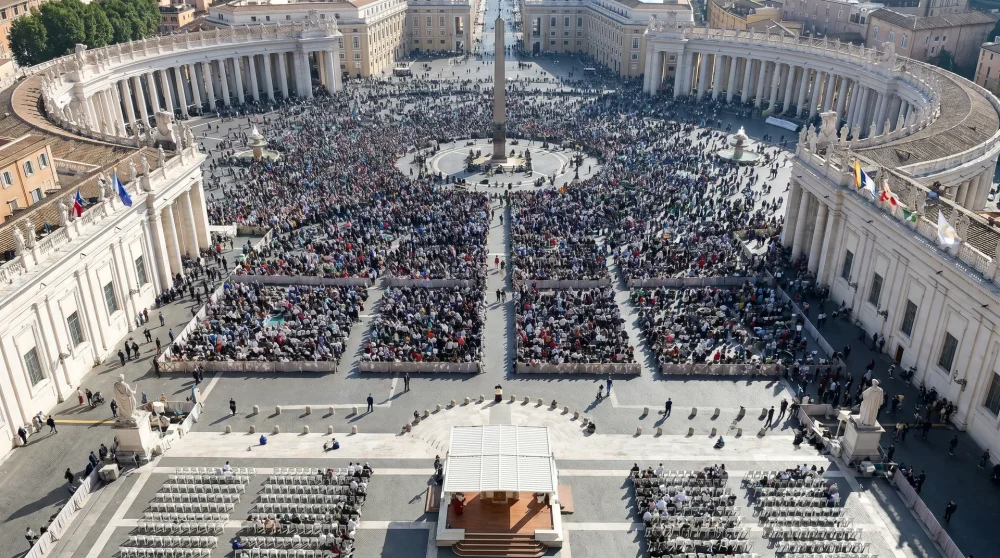
For iconic exterior shots, step outside the museums entirely. The colonnades in St. Peter's Square provide beautiful leading lines and dramatic lighting. Walking down to Ponte Sant'Angelo gives you the perfect wide shot featuring the river, the bridge angels, and the massive dome in the background. If you are exploring other parts of Rome, saving your camera battery for the Colosseum and exterior Vatican sites makes much more sense.
Navigating the Crowds: The Conveyor Belt Reality
You cannot just pop into the Sistine Chapel from the street. Because of the sheer volume of visitors in Vatican City, the museums operate on a strict one-way system. Getting to the chapel means shuffling through seemingly endless corridors alongside thousands of other people.
Many visitors describe this as a massive conveyor belt. You will walk for hours, often shoulder-to-shoulder, before finally reaching your destination. Mentally prepare yourself for a high-stimulation environment rather than a quiet, contemplative art tour.
Best Time to Visit (and Days to Avoid)
Showing up without an advance booking is a guaranteed way to waste three hours in line. Book your tickets online in advance through the official Vatican Museums website.
Wednesdays are notoriously difficult because the Pope holds his general audience, drawing tens of thousands of extra people to the area. The last Sunday of the month offers free entry, which translates to unmanageable, claustrophobic crowds. Booking an early access guided tour at 7:30 AM is the single most effective way to see the ceiling in relative peace before the general public floods the gates at 9:00 AM. Alternatively, going two hours before the last entry time often yields a slightly thinner crowd.
Tuesdays and Thursdays tend to be calmer than weekends, and entering in the afternoon can help you avoid the peak morning rush.
The Mandatory Dress Code and Security Check
The security checkpoint at the entrance operates much like an airport. You must pass through metal detectors, and large backpacks or umbrellas must go into the free cloakroom.
The dress code is heavily enforced right at the door. Both men and women must cover their shoulders and knees. Sleeveless tops, short skirts, and shorts above the knee will result in denied entry. If you forget, you will have to buy an overpriced, paper-thin scarf or cover-up from the street vendors hovering near the line. Tripods, monopods, and selfie sticks are also completely banned beyond the security gates.
Inside the Chapel: What to Look For
After navigating the museum route, stepping into the chapel feels surreal. The room is actually smaller than many expect, but the visual impact is staggering.
Find a spot along the edges of the room if you can. Standing in the dead center means you will be constantly bumped by the moving crowd.
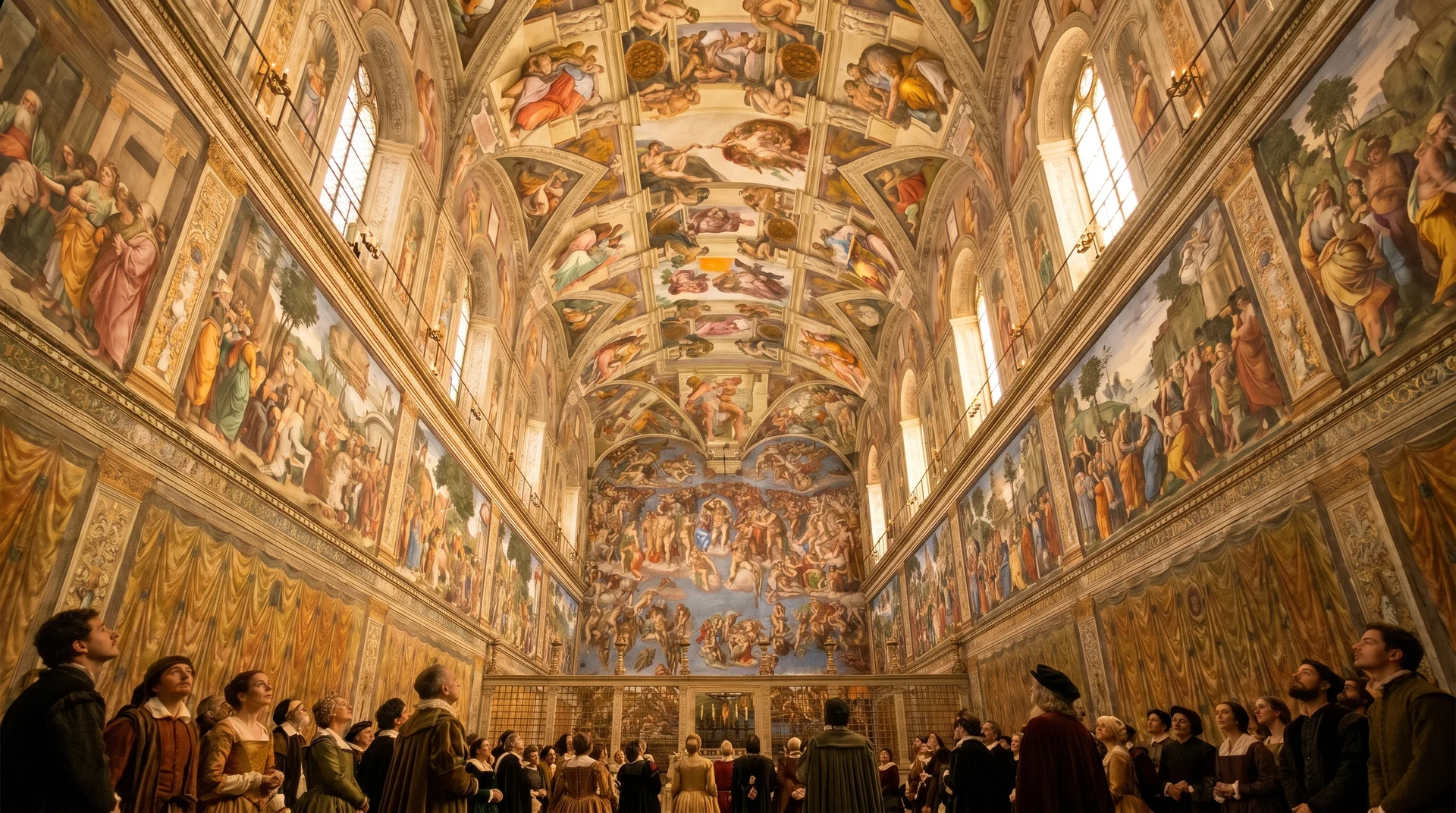
Take a moment to just look up and process the scale of the artwork.
The Ceiling and The Last Judgment
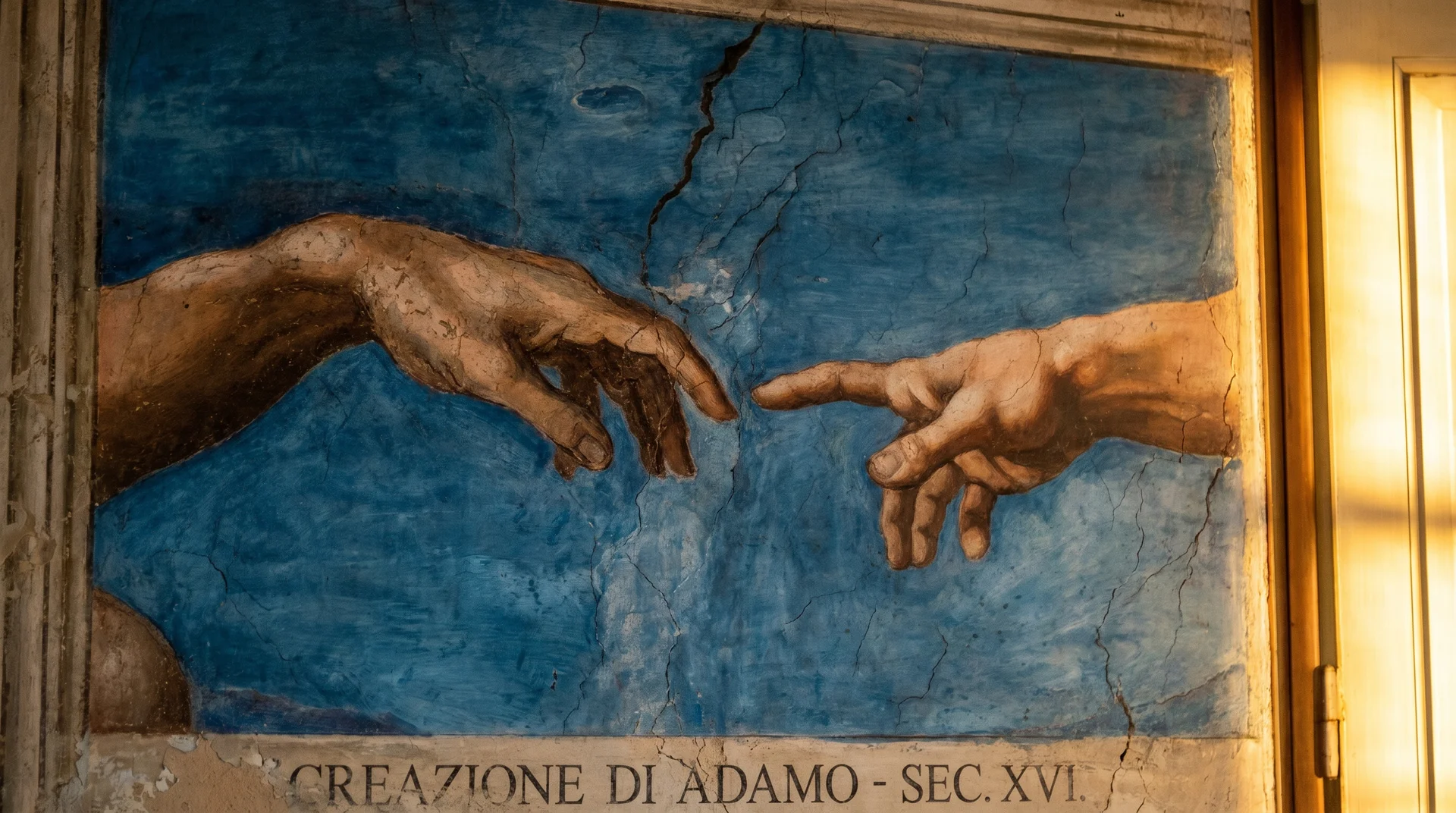
Michelangelo's ceiling frescoes cover the entire upper space, detailing the history of the world before the arrival of Jesus. The famous Creation of Adam panel sits right in the center of the ceiling.
Do not forget to look straight ahead at the massive altar wall. This holds The Last Judgment, painted decades later by an older, more cynical Michelangelo. It is a darker, much heavier piece that anchors the entire room.
The Shortcut to St. Peter's Basilica: Is It Open?
There is a famous, unmarked door on the right side of the chapel exit that leads directly down into St. Peter's Basilica. Taking this door saves you a significant walk and lets you skip the second security line outside the church.
However, this passage is officially reserved for licensed guided tours only. Sometimes, independent travelers manage to slip through if the guards are distracted, but do not count on it. Security routinely blocks individuals trying to use the shortcut, forcing them to exit the museums normally and walk all the way around the Vatican walls to enter the Basilica.