Booking the wrong ferry connection in Guernsey or forgetting a head-torch easily turns a peaceful trip to Sark into a frustrating logistical puzzle. With rigid biosecurity rules, zero streetlights, and a completely car-free environment, navigating this Channel Island requires precise ground-level planning before you even reach the harbour.
- Location: Channel Islands (between England and France)
- Access: Ferry from Guernsey (approx. 55 minutes)
- Transport: 100% car-free (walking, cycling, or horse-drawn carriage only)
- Luggage: Handled via a local tractor carting service
- Key Feature: World's first designated Dark Sky Island
How to Get to Sark from Guernsey
Booking the Isle of Sark Shipping Ferry
Unless you have access to a private vessel, the only way onto the island is the Isle of Sark Shipping passenger ferry from St Peter Port, Guernsey. The crossing takes just under an hour, but the English Channel gets notoriously rough. The conditions usually deteriorate as the boat rounds L'Eperquerie on the northern tip, making motion sickness tablets a smart addition to your pocket. For a full comparison of departure points, check this guide to Sark ferry routes from Guernsey and Jersey before booking.
Luggage Carting and Green Tags
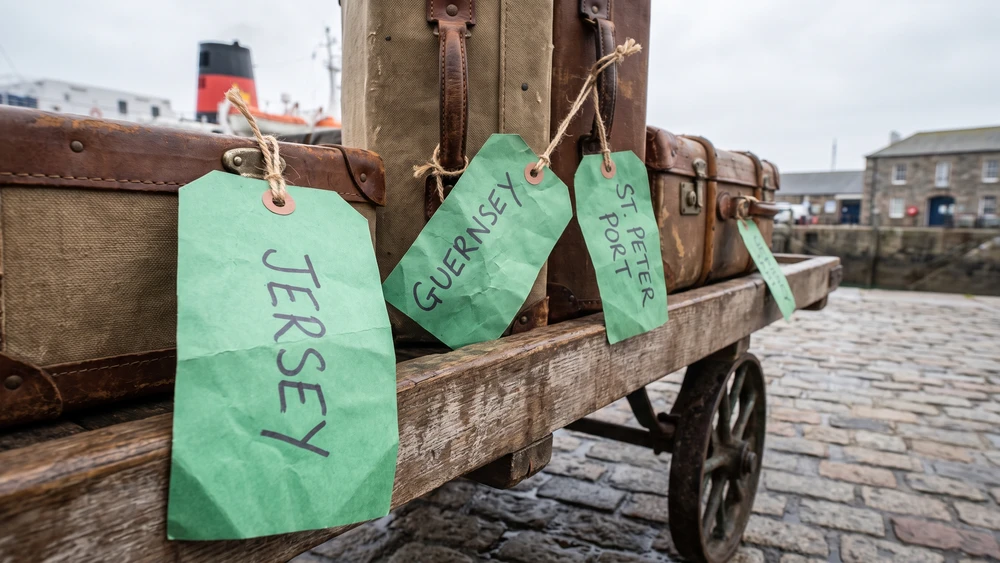
Dragging a heavy suitcase up Harbour Hill ruins the arrival experience immediately. At the St Peter Port shipping office, secure the specific green luggage tags before boarding. Write your name, contact number, and accommodation details clearly on these tags.
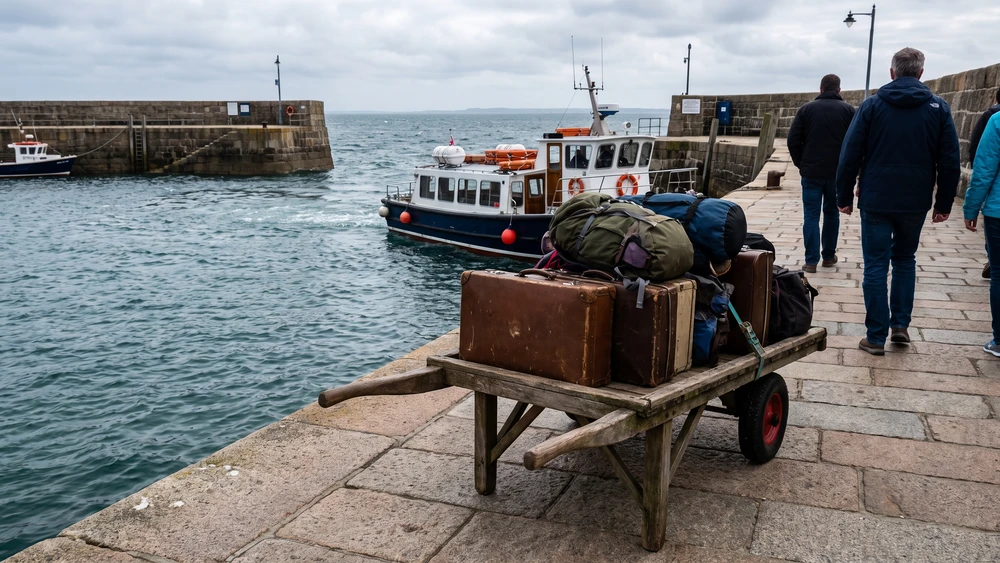
Once you load your tagged bags onto the ferry, the island's tractor-pulled carting service takes over entirely. You simply leave your bags on the quayside upon arrival, and they appear at your hotel or campsite a few hours later.
Getting Around a Car-Free Island
Riding the Tractor Bus (The Toast Rack)
Stepping off the ferry at Maseline Harbour reveals a steep, winding climb up to the main village. Instead of walking, look for the "Toast Rack," an open-sided, tractor-drawn carriage waiting right at the tunnel exit. A seat costs around £1.50, you can pay by card, and it completely saves your legs for later cliff hikes. These carriages fill up fast and leave immediately.
See this guide to getting around Sark for a full breakdown of terrain and luggage logistics.
Cycling and Walking Paths
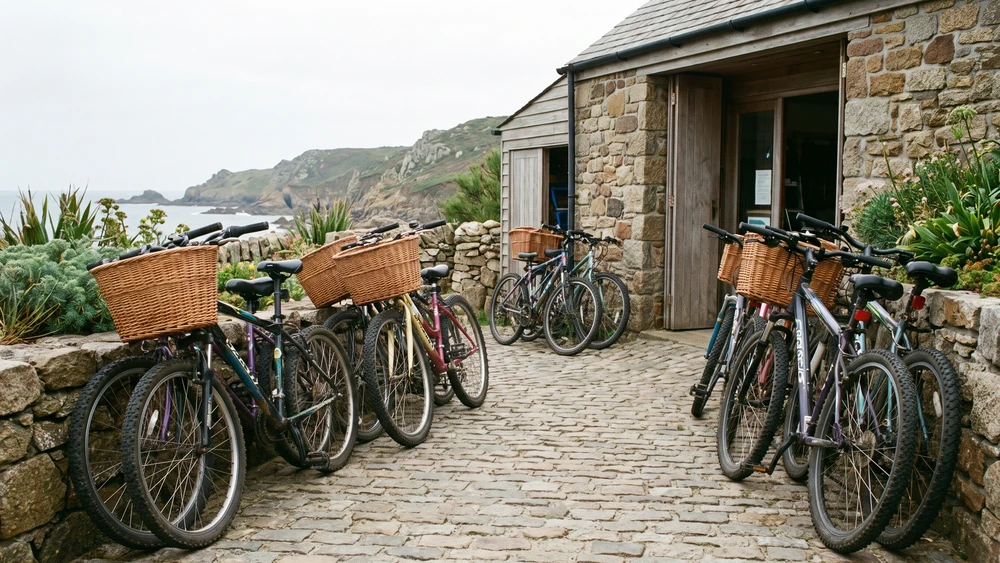
The island has absolutely no paved roads. Dirt trails and gravel lanes kick up dust in the summer and turn to thick mud after a heavy rain, demanding sturdy hiking boots over casual sneakers. Hiring a bike from shops like Avenue Cycles offers the most efficient way to cover the terrain. They provide practical hybrid bikes with baskets, off-road tires, and essential bike locks.
Top Things to Do in Sark
Crossing the La Coupée Causeway
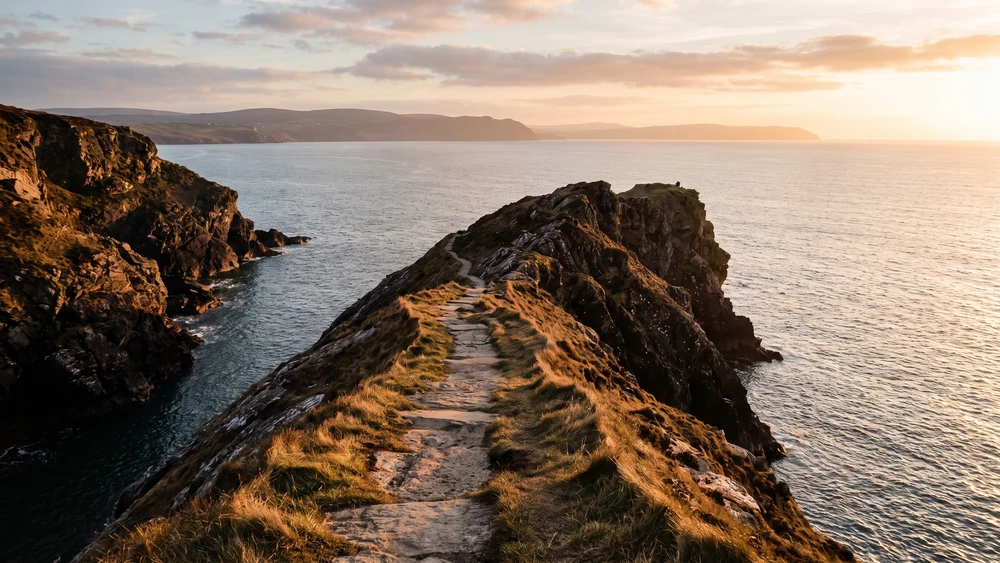
This narrow, dramatic granite ridge connecting Great Sark to Little Sark drops nearly 100 meters straight down into the crashing sea, and cyclists must dismount to push their bikes across. For the full safety rules, wind precautions, and what waits on the other side, see this guide to crossing La Coupée.
Visiting La Seigneurie Gardens
The formal gardens surrounding this 17th-century manor, home to the Seigneurs of Sark, rank among the finest in the Channel Islands. High granite walls shelter the flower beds and box hedging from the Atlantic wind, and the grounds stay open from April to October, 9 AM to 6 PM. Adult admission runs £8, with children entering for £2. Arrive earlier in the day if you also want time for the walled kitchen garden, since tour groups tend to fill the paths by early afternoon.
Dark Sky Stargazing at the Sark Observatory
Sark holds the prestigious title of the world's first Dark Sky Island, meaning zero street lighting washes out the cosmos, and the Milky Way stretches edge-to-edge across the sky on a clear night. For the best viewing spots, moon-phase timing, and observatory booking details, see this guide to stargazing on Sark.
Wild Swimming and Sea Caves
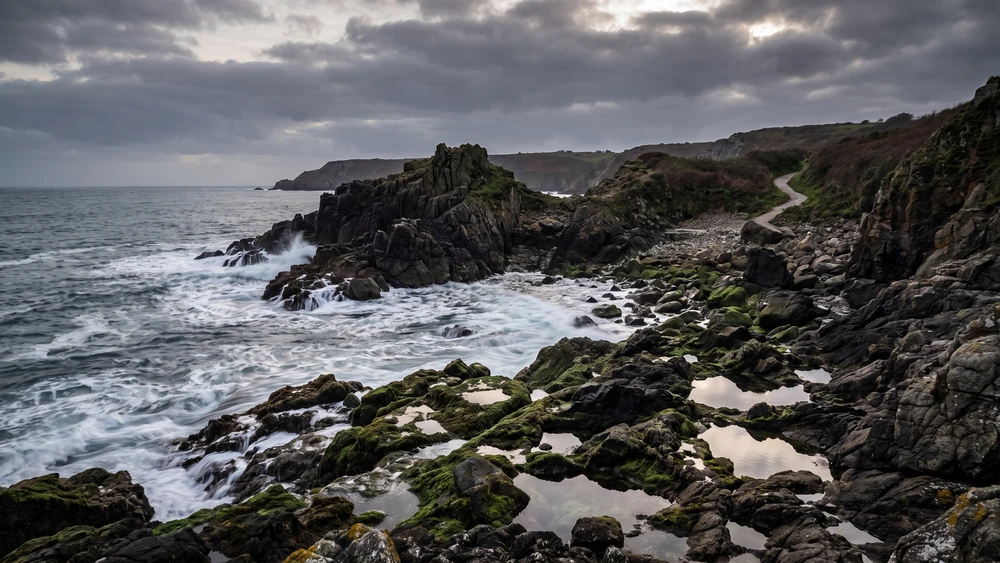
The 40-mile coastline hides deep, clear plunge pools and spectacular hidden sea caves. Venus Pool on Little Sark serves as a natural rock pool perfect for a low-tide dip, though the descent is steep and rocky. Always check the tide timetables before heading out. The English Channel tides move incredibly fast and completely alter the coastal landscape within hours.
Practical Tips for First-Time Visitors
Grocery Shops and Tap Water Potability
Self-catering requires strategic timing and preparation. The main supermarket on The Avenue, Food Stop, closes strictly at 5:00 PM on weekdays and operates on very limited hours over the weekend. Additionally, there is no mains water on the island. Properties rely on private boreholes, so always check if the tap water in your specific kitchen is marked as potable before drinking.
Essential Packing: Head-Torches and Sturdy Boots
Navigating the island after sunset without a flashlight guarantees you will end up lost in a dark hedge. A reliable head-torch is absolutely non-negotiable for evening walks back from the pub or observatory. Pack versatile windproof layers, as the cliffside air turns remarkably sharp the moment the sun dips below the horizon.
Where to Stay and Booking Timelines
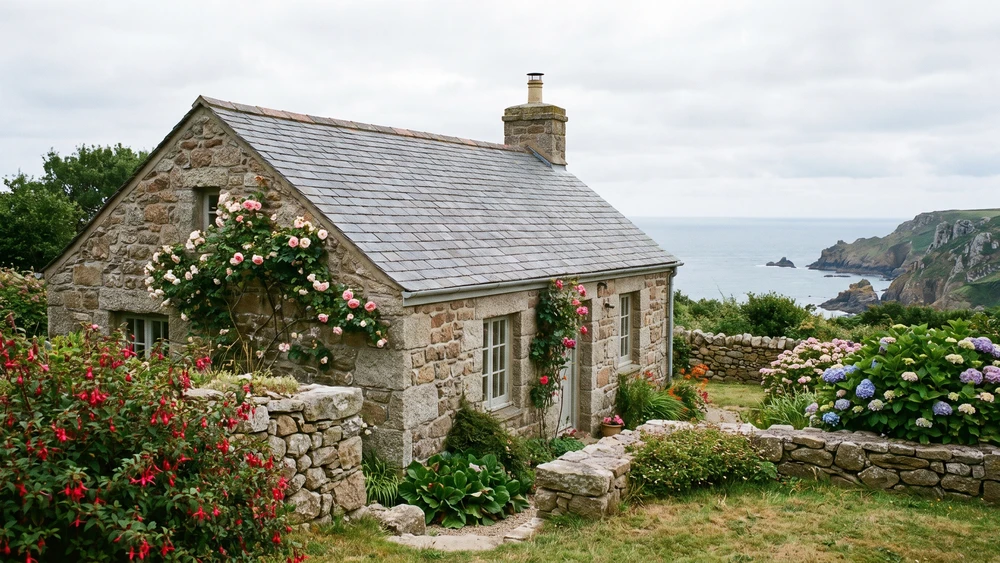
Accommodation is incredibly limited for this 500-person island, causing popular spots to book up almost a year in advance. Stocks Hotel provides historical charm right in the center, featuring a permaculture garden that supplies the kitchen directly. If you prefer self-catering, guesthouses like Le Hurel offer small apartments, but they frequently enforce strict weekly arrival and departure days.