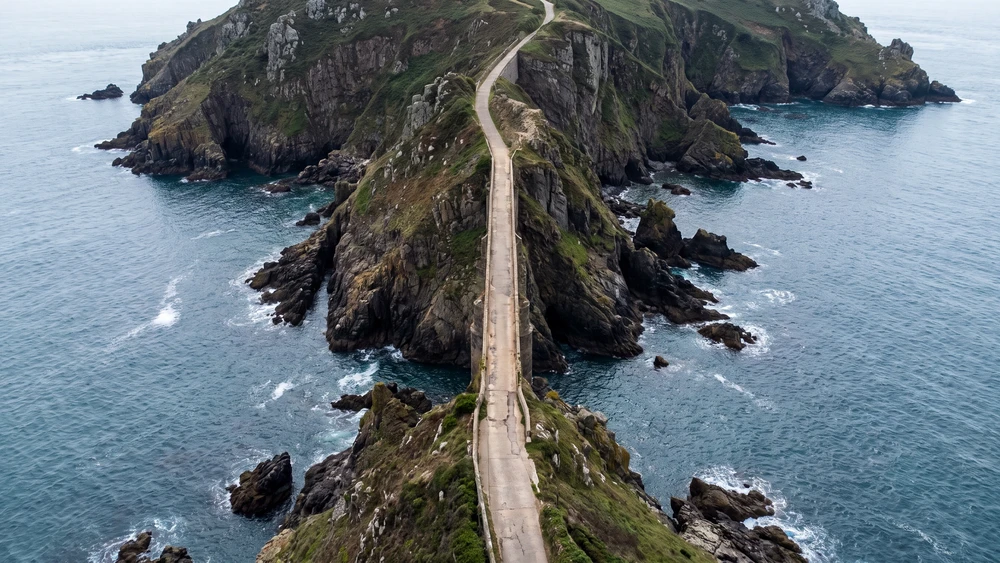
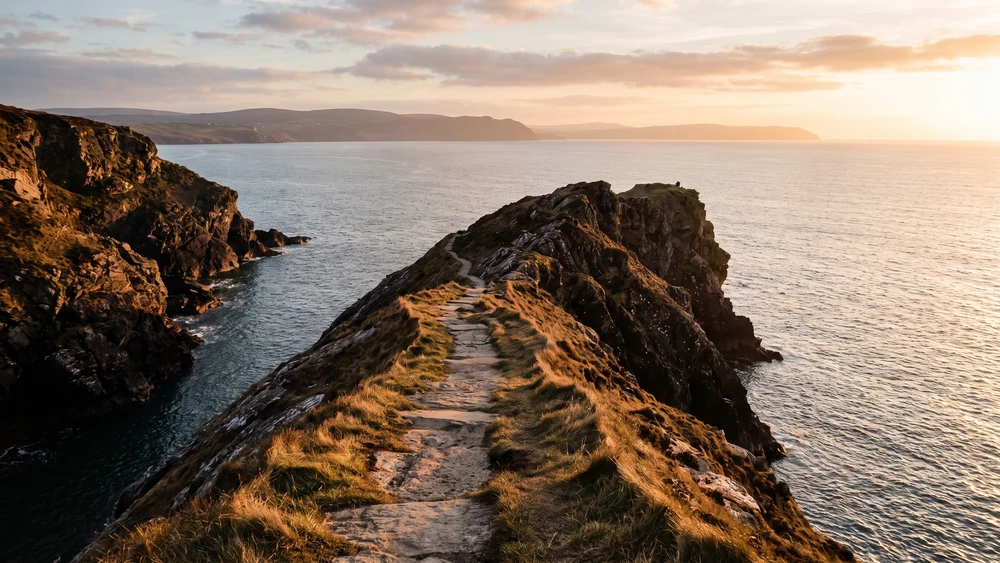
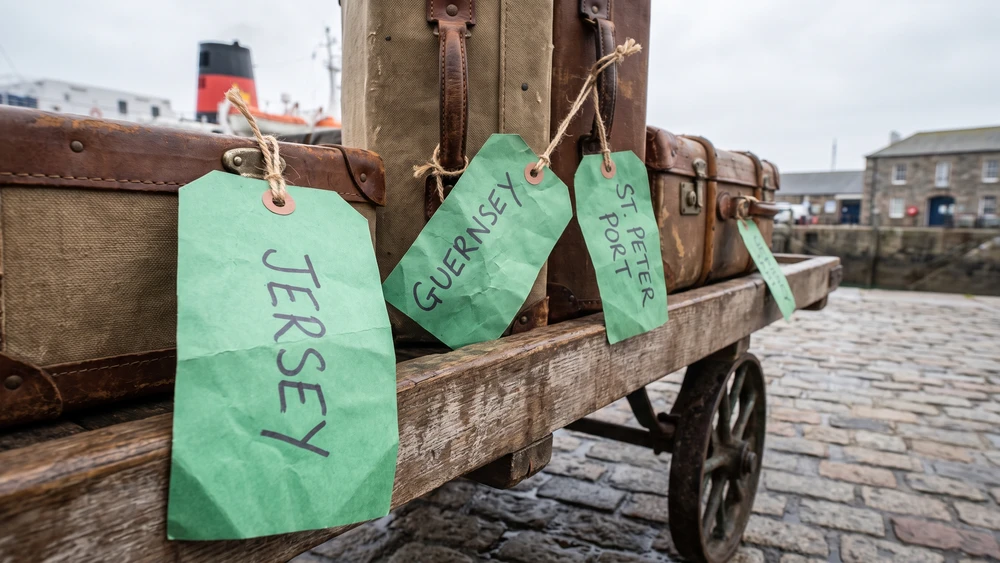
Most day-trippers arrive on Sark for the dramatic coastline, completely unaware that the dirt roads under their boots exist because cars are outlawed by a feudal system that barely ended in 2008. Understanding this quirky legal timeline transforms the island from just another pretty Channel Island into a living, breathing museum of medieval European governance.
- Location: 80 miles off the English south coast, 25 miles from Normandy.
- Getting Around: No cars, no paved roads, no streetlights. Walking, cycling, and horse-drawn carriages, with battery-powered buggies reserved for elderly or disabled residents.
- Currency: Guernsey Pound (Standard UK Sterling is fully accepted).
- Size: 3 miles long by 1.5 miles wide.
- Emergency Transport: The local ambulance has no engine, it is towed by a farm tractor.
How Did Sark Become Europe's Last Feudal State?
The 1565 Charter and the Seigneur System
Back in the mid-16th century, Sark was effectively a pirate den. To secure the English Channel, Queen Elizabeth I granted the island to Helier de Carteret in 1565, under the strict condition that he keep it free of buccaneers. He brought over 40 families from neighboring Jersey to settle the land.
This arrangement birthed a unique governance structure. Sark was ruled by a "Seigneur" (the head of the feudal government), while a parliament of 40 unelected landowners, known as the Chief Pleas, made the day-to-day decisions.
The archaic laws were fascinatingly bizarre. Until very recently, only the Seigneur held the right to keep an unspayed female dog or to raise pigeons. Property taxes were paid directly to the Seigneur, and under the strict law of primogeniture, land could not be divided, it had to pass entirely to the eldest male heir.
The 2008 Democratic Reform
You might assume this medieval setup faded away centuries ago, but it remained the absolute law of the land well into the 21st century. The catalyst for change wasn't a grassroots revolution, but a billionaire real estate dispute.
In 1993, the Barclay brothers (owners of The Ritz and The Telegraph) bought the tiny neighboring island of Brecqhou, which falls under Sark's jurisdiction. Furious that they had to pay a massive property tax directly into the Seigneur's pocket, and irritated by the inheritance laws, they took the matter to court.
Their legal push forced Sark to modernize. In 2008, the 500 residents finally held their first democratic election, voting in a 28-member parliament. The Seigneur's ultimate veto power was dismantled, closing the book on 443 years of uninterrupted feudal rule.
Visible History: Things to Do in Sark for History Buffs
Reading about history is one thing, but on Sark, you physically navigate through it. The archaic laws shaped the infrastructure you see today, and pairs well with this broader list of things to do in Sark beyond the historical sites below.
La Seigneurie Gardens and House
This estate has been the traditional residence of Sark's Seigneurs and Dames for almost two centuries. While the house itself remains a private residence (currently occupied by the 23rd Seigneur), the expansive grounds are open to the public.
A high stone wall surrounds one of the finest formal gardens in the Channel Islands. Inside, neatly trimmed hedges, a Victorian glasshouse, and a functioning maze reflect the immense wealth and status the ruling family held. Stop by Hathaways, the on-site cafe named after Sybil Hathaway, the famously stubborn Dame of Sark who guided the island through the mid-20th century.
Chief Pleas Building
You won't find a grand, domed capitol building here. The island's parliament meets in a remarkably modest stone building next to the school. Walking past it, the sheer scale of Sark's micro-politics becomes obvious. This simple room is where the dramatic 2008 democratic transition was debated, and where unpaid, volunteer representatives still gather to manage everything from school funding to tractor regulations.
Sark Prison, the World's Smallest Working Jail
Built in 1856, this tiny, barrel-roofed stone structure sits right in the middle of the island. A heavy wooden door and zero windows.
It has just two cells. By law, an inmate can only be held here for a maximum of 72 hours before they must be transferred by boat to a proper facility in Guernsey. It is rarely occupied today, mostly serving as a sobering-up spot for rowdy seasonal workers, but it remains fully operational.
The WWII German Occupation of Sark
While the feudal timeline defines Sark's governance, the 1940s brought a much darker chapter. The Channel Islands were the only part of the British Isles to be occupied by German forces during World War II.
The German military arrived in 1940. Sybil Hathaway, the Dame of Sark at the time, famously refused to evacuate. She used her aristocratic fluency in German to assert dominance over the occupying commanders, insisting they wipe their boots before entering her home.
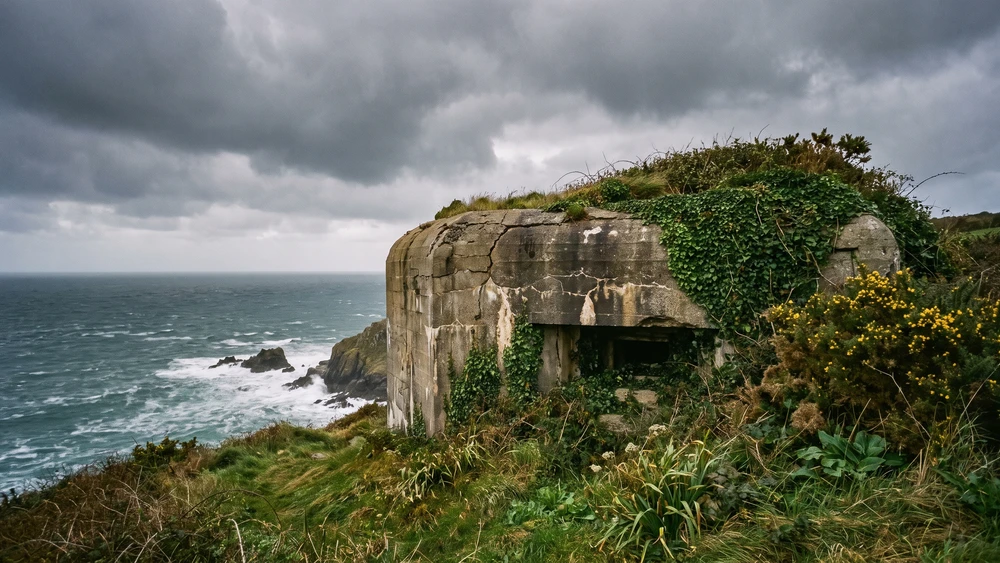
Despite her defiance, the occupation was brutal. Fields were mined, severe food shortages hit the community, and several residents were deported to internment camps in Germany. Today, you can still spot concrete bunkers and anti-aircraft positions integrated awkwardly into the pastoral landscape, especially near the rugged coastlines.
How to Get to Sark Island
Because there is no airstrip, arriving here requires a bit of logistical planning. If you want the full breakdown of routes and timings, see this Sark ferry route guide.
Your journey starts on the neighboring island of Guernsey. From St. Peter Port in Guernsey, you take a 45-minute passenger ferry operated by the Sark Shipping Company.
The boat drops you at Maseline Harbour. From the dock, there is a notoriously steep walk up Harbour Hill to reach the main village. A tractor-drawn "toast rack" bus waits at the port to carry your luggage and tired passengers to the top for a small fee. For more on navigating the island once you arrive, including luggage and terrain tips, see getting around Sark.
Once at the top, head straight to one of the bicycle rental shops. With no cars to worry about, navigating the dirt lanes on two wheels is the most efficient way to trace the remnants of Europe's last feudal state before the last ferry departs for the mainland.